Tag

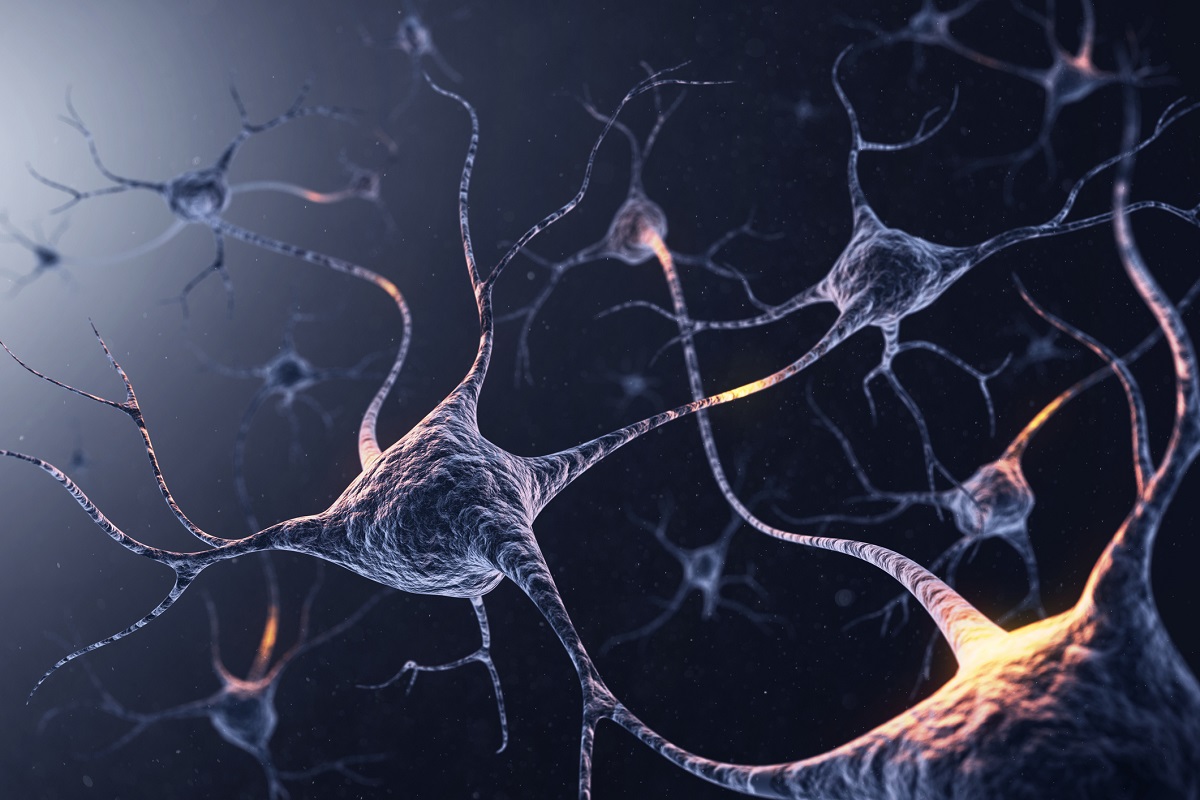
Nerve Regeneration

All articles tagged with #nerve regeneration

health7 months ago

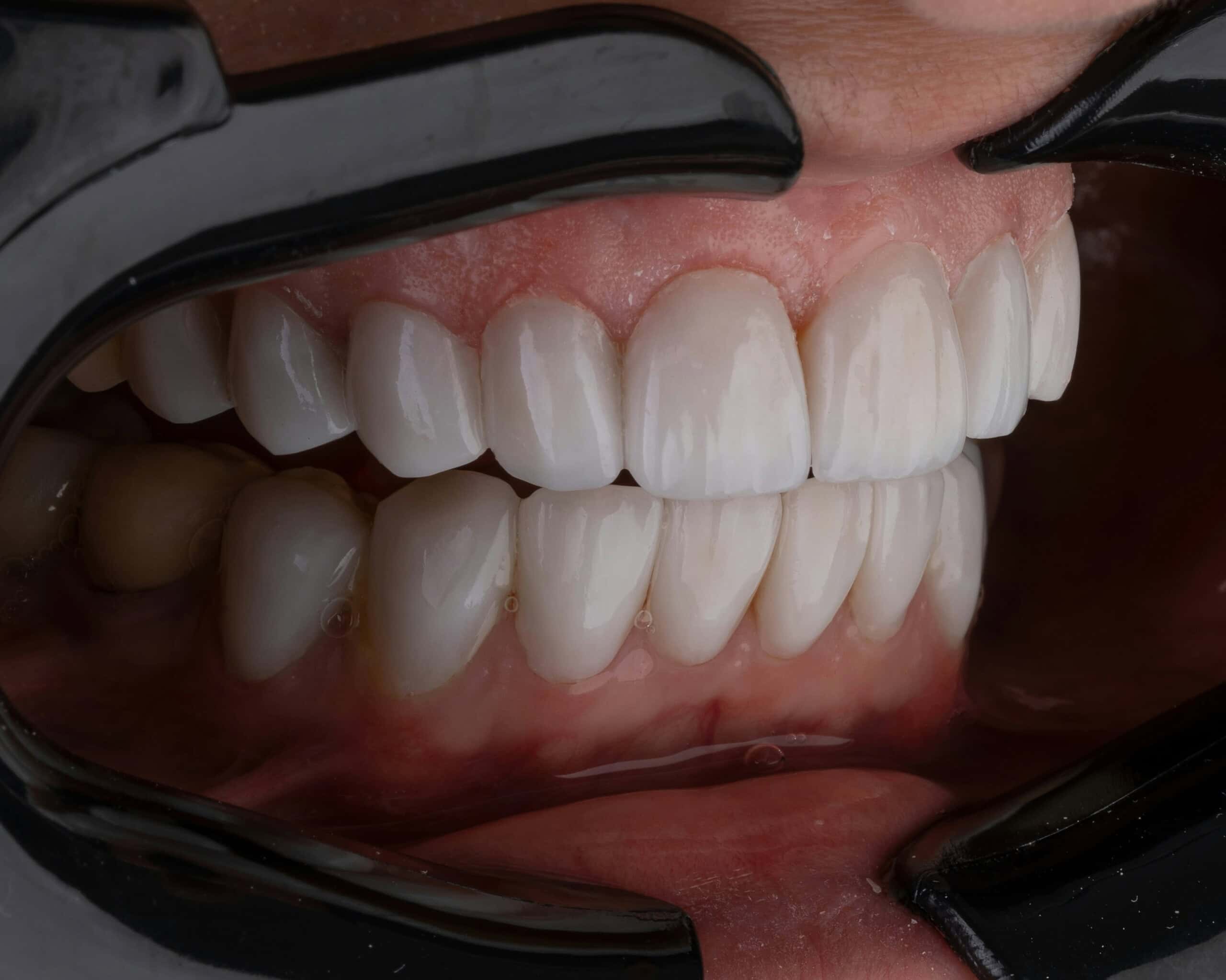
Innovative Bioengineered Dental Implants Mimic Natural Teeth in Function and Feel

Researchers from Tufts University have developed a bioengineered dental implant that not only fills the gap but also reconnects with nerves to restore sensory feedback, mimicking real teeth. The implant uses stem cells and growth proteins within a biodegradable coating, and is installed via a less invasive press-fit method, showing promising results in rats. This innovation could significantly improve dental restoration by restoring natural sensation and function, with future plans for larger animal trials and human clinical trials.

health7 months ago

Innovative 'Smart' Dental Implants Mimic Natural Teeth

Researchers at Tufts University have developed a 'smart' dental implant with a biodegradable coating containing stem cells and proteins to promote nerve growth, aiming to mimic natural teeth's sensory functions. Early tests in rodents show promising results, including stable placement and nerve integration, potentially leading to more natural-feeling dental implants in humans in the future.

health-and-medicine1 year ago

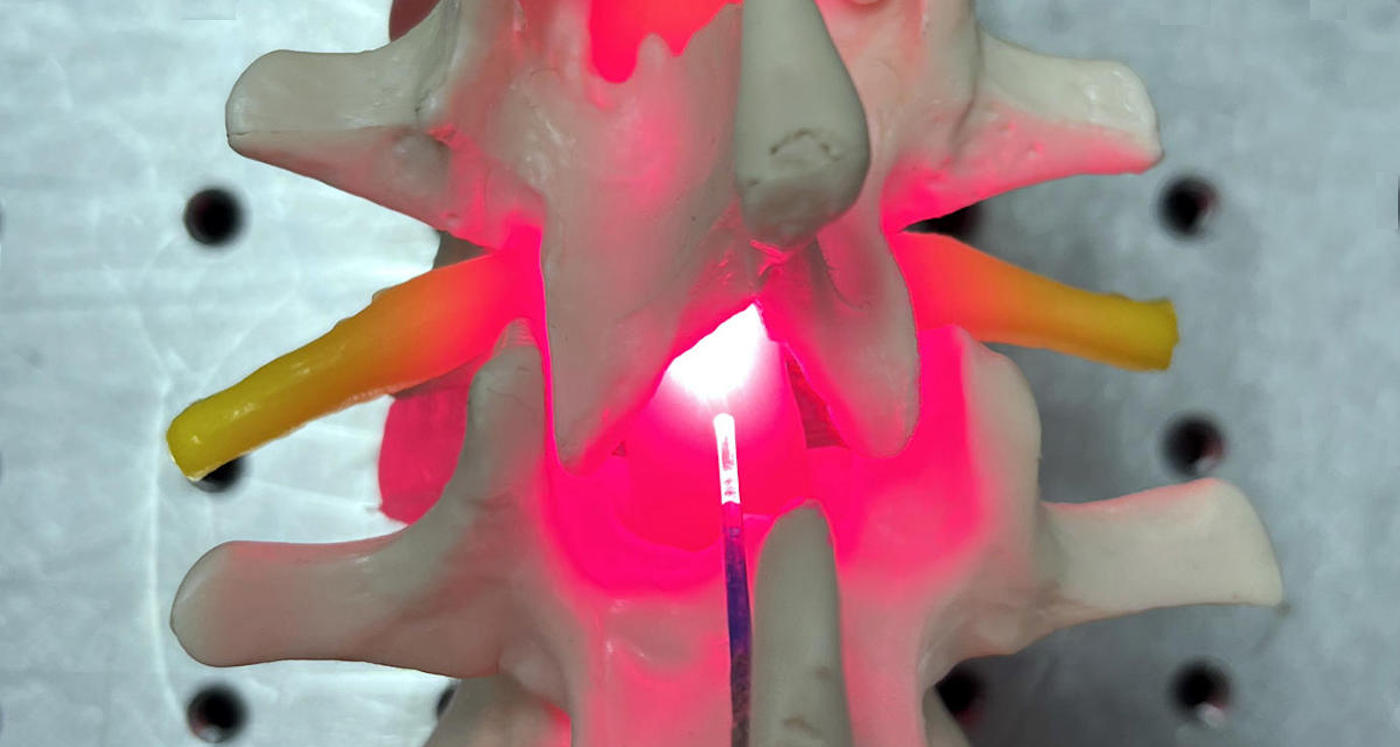
Breakthrough Devices Offer Hope for Spinal Cord Injury Recovery

Scientists at the University of Birmingham have developed a novel implantable device that uses red and near-infrared light to treat spinal cord injuries. This method, which can be implemented during routine spinal surgeries, has shown significant improvements in nerve cell regeneration and functional recovery in preclinical models. The therapy, known as photobiomodulation, has demonstrated both neuro-protective and neuro-regenerative effects, marking a significant milestone in spinal cord injury treatment.

health2 years ago

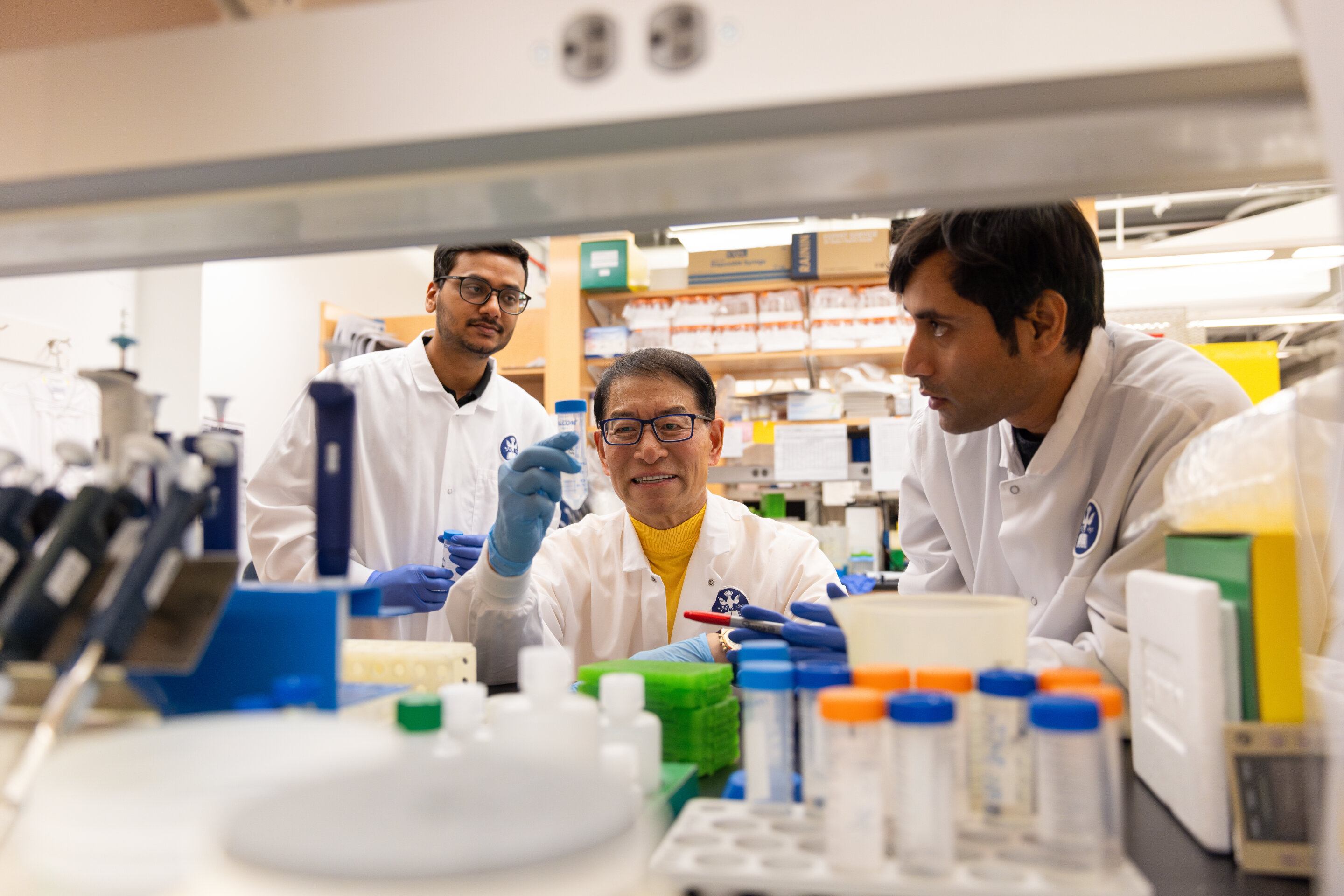
Revolutionary Material Restores Severed Nerves, Scientists Confirm

Scientists at Rice University have developed a magnetoelectric material that can stimulate neural tissue and allow nerve signals to flow again despite a severed connection. The material, made up of lead zirconium titanate and metallic glass alloy, converts magnetic fields into electric fields, which neurons can detect. In experiments on rats, the researchers were able to restore a sensory reflex and achieve faster conversion of magnetic fields to electric fields. This breakthrough could have significant implications for patients with brain and nerve issues, potentially leading to precise nerve stimulation and restoration of movement and function. The material also has potential applications in computing and electronics.

health2 years ago

"Stanford Scientists Uncover Promising Anti-Aging Molecule for Muscle Revitalization"

Scientists at Stanford Medicine have discovered a molecule that enhances muscle strength by reconnecting nerves and muscle fibers. The molecule inhibits the activity of an aging-related enzyme called 15-PGDH, which plays a role in muscle frailty. Blocking this enzyme aids in the restoration of connections between nerves and muscles, leading to faster recovery of muscle strength and function. The findings offer potential treatment options for muscle-related issues due to aging, injury, or disease, and further research is underway to understand the molecular mechanisms and explore clinical trials.

science-and-technology2 years ago

Revolutionary Rice-engineered Material Reconnects Severed Nerves

Researchers at Rice University have developed a magnetoelectric material that can stimulate neurons remotely and bridge the gap in a severed nerve. The material performs magnetic-to-electric conversion 120 times faster than similar materials, making it suitable for neurostimulation treatments. The material's properties could lead to less invasive procedures, as it can be injected at the desired site instead of requiring implantation. The research also provides a framework for advanced materials design that could drive innovation in various fields.

health2 years ago

"Novel Compound Offers Hope for Nerve Regeneration in Paralysis Patients"

Scientists have discovered a new chemical compound called "1938" that can help regenerate damaged nerves after injury. The compound activates the phosphoinositide 3-kinase (PI3K) signaling pathway, which is involved in cell growth. The compound also reduced heart tissue damage after major trauma in animal models and regenerated lost motor function. The results of the study indicate nerve regeneration, which could potentially lead to drugs that activate PI3K to accelerate nerve regeneration and provide tissue protection.

health2 years ago

'1938': A Promising Compound for Nerve Regeneration and Heart Protection

Researchers from UCL, MRC LMB, and AstraZeneca have discovered a new compound, named ‘1938’, that can promote nerve regeneration after injury and protect cardiac tissue from significant damage, as seen in heart attacks. The compound stimulates the PI3K signaling pathway, promoting cell growth. 1938 is one of just a few compounds in development that can promote nerve regeneration, for which there are currently no approved medicines. The group is now working to develop new therapies for peripheral nerve damage and exploring whether PI3K activators could be used to help treat damage in the central nervous system.

health2 years ago

Revolutionary Brain Implant Device Restores Function in Paralyzed Limbs

British scientists have developed a brain implant that can restore arm and leg movements by boosting connections between neurons and the paralyzed limbs. The device combines flexible electronics and human stem cells to better integrate with the nerve and drive limb function. The researchers found that the device integrated with the host’s body and the formation of scar tissue was prevented. While extensive research and testing will be needed before it can be used in humans, the device is a promising development for amputees or those who’ve lost function in limbs.