Tag

Photobiomodulation

All articles tagged with #photobiomodulation

health-and-medicine1 year ago

Breakthrough Devices Offer Hope for Spinal Cord Injury Recovery

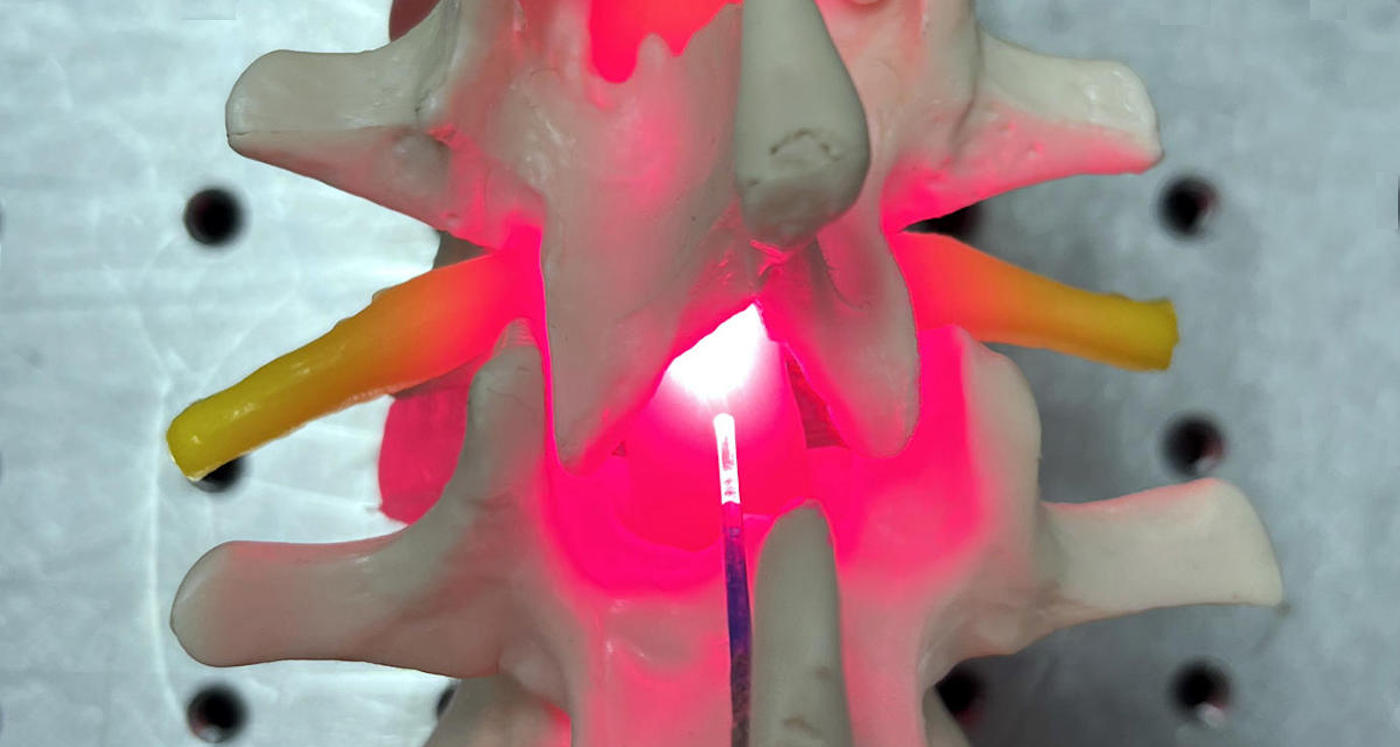
Scientists at the University of Birmingham have developed a novel implantable device that uses red and near-infrared light to treat spinal cord injuries. This method, which can be implemented during routine spinal surgeries, has shown significant improvements in nerve cell regeneration and functional recovery in preclinical models. The therapy, known as photobiomodulation, has demonstrated both neuro-protective and neuro-regenerative effects, marking a significant milestone in spinal cord injury treatment.

health2 years ago

The Remarkable Effect of Simulated Sunshine on Alzheimer's Symptoms

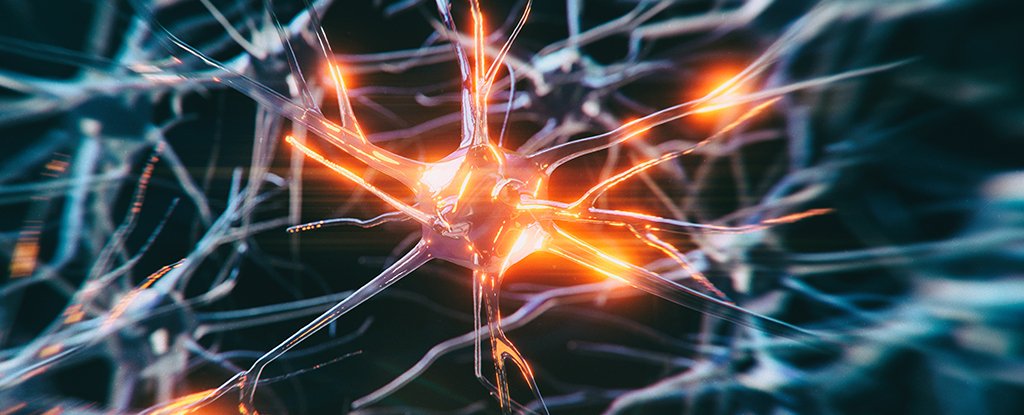
A review of studies involving nearly 600 people with Alzheimer's disease suggests that stimulating a key part of the brain using light therapy, or photobiomodulation (PBM), can improve sleep and psycho-behavioral symptoms. The therapy showed promise in alleviating symptoms such as apathy, depression, agitation, and aggression. Light therapy involves exposing patients to bright light that mimics the Sun's illumination, which helps regulate circadian rhythms. While light therapy for Alzheimer's has gained attention, comprehensive research on its efficacy and safety is still lacking. Further, larger trials are needed to confirm its effectiveness as a treatment option for Alzheimer's symptoms.

health2 years ago

"Light Therapy and Motionless Approach: Promising Ways to Slow Aging"

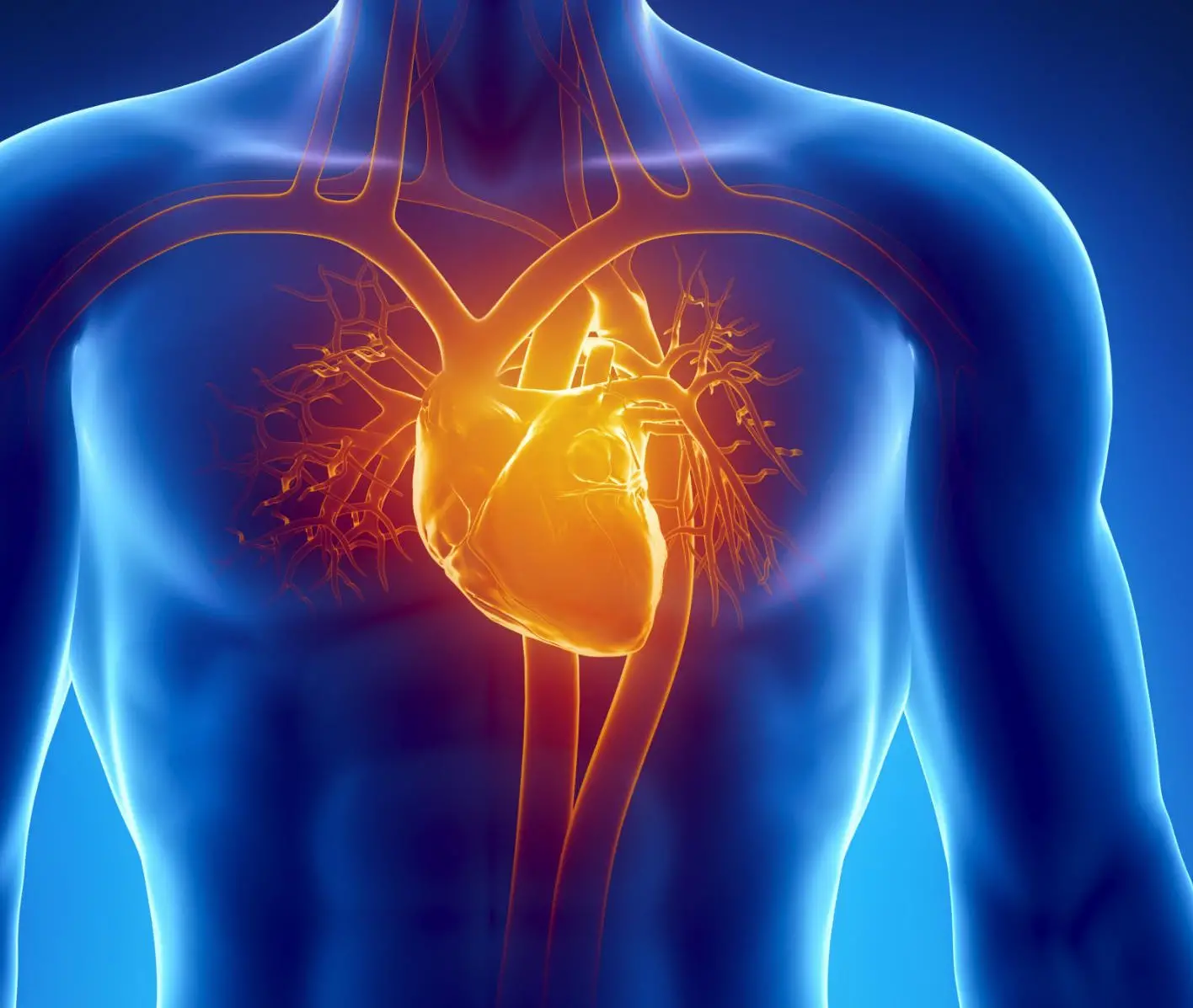
A recent study in mice suggests that light therapy, specifically photobiomodulation (PBM) therapy, could be an effective means of slowing down cardiovascular aging. The study focused on heart condition and function in middle-aged mice and showed an improvement in heart function after exposure to PBM therapy. PBM also mitigated the thickness of the cardiac wall. The experiment exposed mice to a dose of near-infrared light by using an overhead LED light source rather than a focused light source. The results were significant even though the eight-month study was interrupted for three months by COVID-19. The next step is controlled human clinical trials.