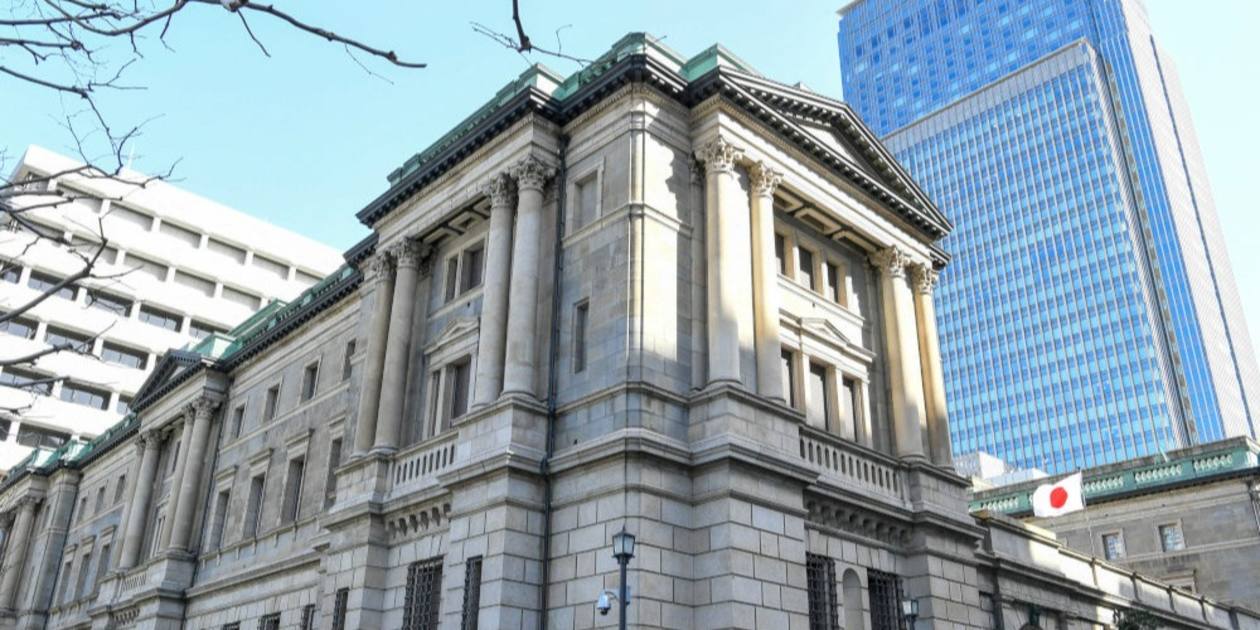
The Bank of Japan is set to make significant changes to its monetary policy, including ending yield curve control, ETF purchases, and negative interest rates at its upcoming policy board meeting, marking the most substantial shift in Japanese monetary policy in nearly two decades.
The Bank of Japan's potential move to abandon negative interest rates has raised concerns about the impact on borrowing costs and financial markets, with experts predicting that rates could rise as a result. This shift in monetary policy could have significant implications for the Japanese economy and global financial markets.
Japan's core consumer inflation slowed in January but beat forecasts, holding at the central bank's 2% target, fueling expectations that the Bank of Japan will end negative interest rates by April. The 2.0% gain in the core consumer prices index was slower than December's 2.3%, but still exceeded market forecasts. Analysts anticipate hefty pay hikes at upcoming wage talks, potentially paving the way for the Bank of Japan to end negative interest rates in March or April. The key going forward is whether wage hikes will outpace inflation, providing households with purchasing power to sustain inflation at the 2% target.
Despite Japan's economy falling into recession, the Bank of Japan is still considering ending negative interest rates in the coming months, with a focus on annual wage negotiations and broader economic trends. The weak GDP figures may prompt the BOJ to wait until its April meeting to make a decision, allowing more time to assess the health of the economy. The central bank hopes for significant wage hikes to support household consumption and inflation, and is carefully signaling its plan to dismantle complex policies while avoiding rapid borrowing cost hikes. The BOJ may prefer to act in April rather than March to gather more data and gauge the economic outlook, with key data points including big firms' wage negotiations and the quarterly "tankan" survey.
The yen has fallen in the currency market after the Bank of Japan announced its decision to maintain negative interest rates, disappointing investors who were hoping for a shift in monetary policy. The central bank's decision comes as it continues to grapple with the economic impact of the COVID-19 pandemic.
The Bank of Japan is expected to maintain its negative interest rates as part of its monetary policy, despite concerns about the impact on the banking sector. The central bank has been using negative rates as a tool for economic stimulus, but critics argue that it has unintended consequences and may harm the profitability of financial institutions. However, the Bank of Japan is likely to stick with this policy in order to support the country's economic recovery.
The yen strengthened against the dollar, reaching a four-month high of 143, after Bank of Japan Governor Kazuo Ueda hinted at a potential exit from the bank's negative interest rate policy, stating that maintaining the current monetary policy would become more challenging.
The German construction industry is facing a crisis as negative interest rates have turned positive, causing borrowing costs to rise and leading to a surge in construction cost inflation. The government's target of creating 400,000 new apartments per year to address the housing affordability crisis is falling short, with only about 300,000 units being built annually. Higher mortgage rates and falling property prices have also contributed to the decline in home prices. Major property developers have filed for insolvency and bankruptcy, and building permits have plunged by 35%. The multifamily construction sector, crucial for addressing surging rents, is particularly affected by the difficult conditions.