Tag

Natural Killer Cells

All articles tagged with #natural killer cells

health2 years ago

"Unlocking the Potential: How a Vitamin Could Harness Natural Killer Cells as Cancer Therapy"

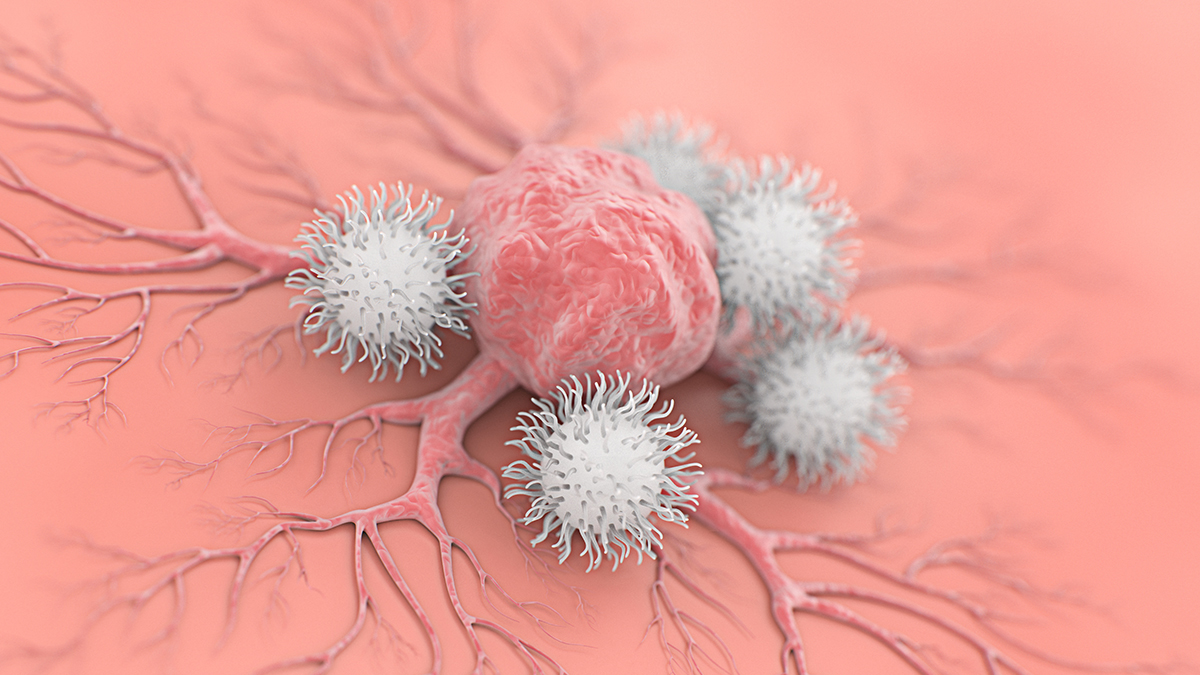
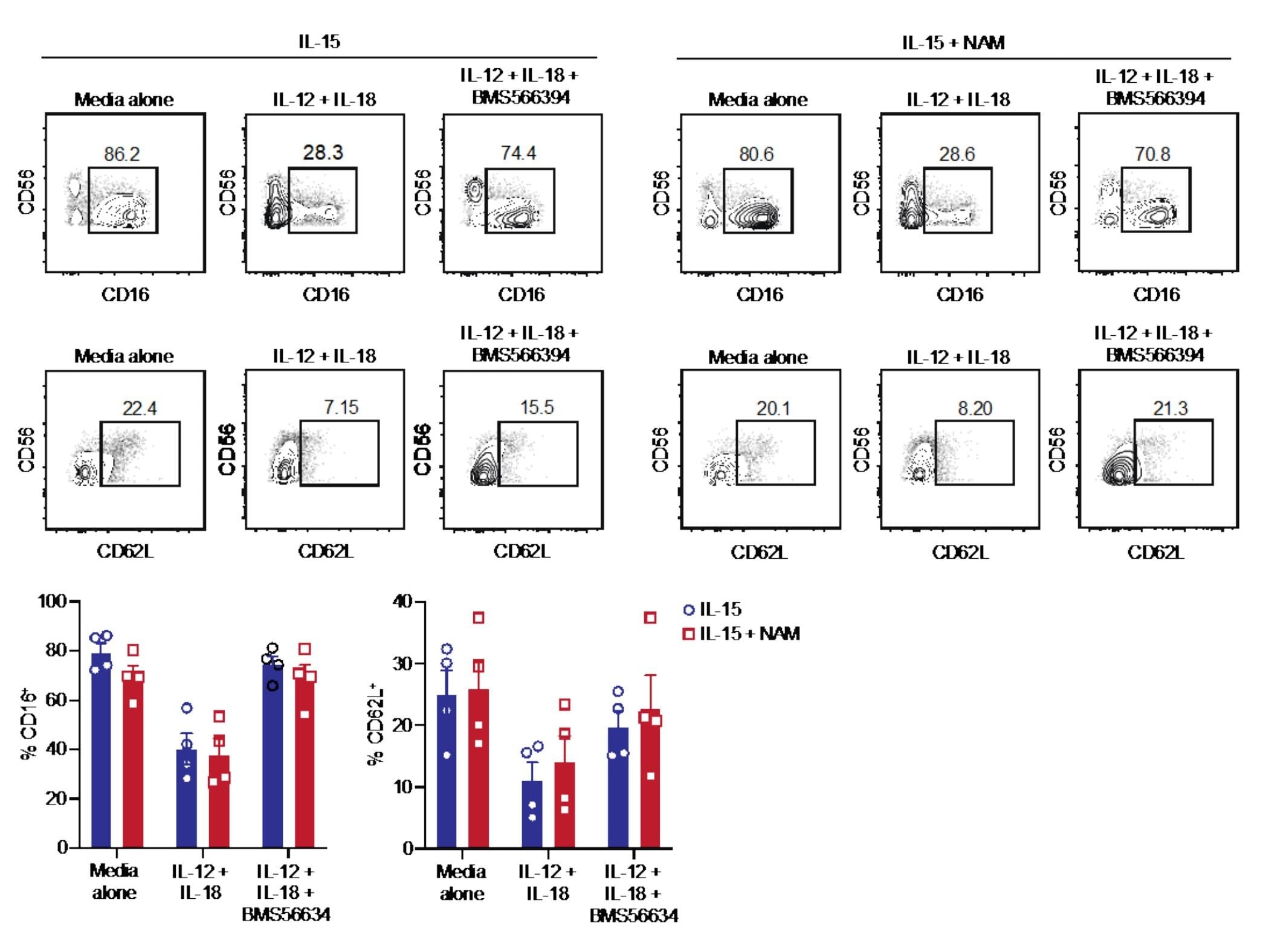
Scientists have discovered that pre-treating natural killer cells with nicotinamide, a compound found in vitamin B3, enhances their ability to target and destroy cancer cells. In a preliminary study, this approach showed promise in inducing remissions in patients with hard-to-treat blood cancers. Nicotinamide not only boosts the activity and persistence of natural killer cells but also protects them from oxidative stress and enhances their ability to home in on lymph nodes. The combination of nicotinamide-enhanced natural killer cells and monoclonal antibody treatment was found to be safe and resulted in complete or partial responses in patients with non-Hodgkin lymphoma. Further research is needed to validate these findings in larger clinical trials.

health2 years ago

Obesity treatment may have cancer-killing benefits, study finds.

Research from Maynooth University's Kathleen Londsdale Institute for Human Health Research has found that the popular obesity treatment drug, GLP-1, can restore the function of Natural Killer (NK) cells in the body, including their ability to kill cancerous cells. The restored cancer-killing effect of NK cells is independent of GLP-1's main weight loss function, suggesting that the treatment directly kick-starts the NK cells' engine. The World Health Organization estimates that 13% of the global adult population suffers from obesity, a disease linked with a higher risk of getting cancer.

health2 years ago

Unraveling the Mystery of Severe Viral Infections in Men.

A new study suggests that the milder symptoms of viral infections observed in females may be due to an epigenetic regulator called UTX, which enhances the function of specific anti-viral immune cells, referred to as natural killer (NK) cells. Female mice and humans possess an additional copy of the UTX gene, which allows them to fight viral infections more efficiently. The findings suggest that therapies involving immune responses need to move toward a precision medicine model that tailors treatments that take into account people’s individual differences, such as genetics, environment, and other factors that influence health and disease risk.