Xcel Energy warns its 1.6 million Colorado customers that a cold-weather spike in wholesale natural gas will raise bills—about $1 more per month on average for the coming year—amid ongoing requests for electricity and gas rate increases to fund infrastructure and the energy transition.
U.S. natural gas futures jumped about 45% in two days as an Arctic cold front boosts heating demand, lifting Henry Hub prices from roughly $3.40/MMBtu to over $4.70/MMBtu and signaling the biggest weekly gain in 35 years amid a tightening global LNG market.
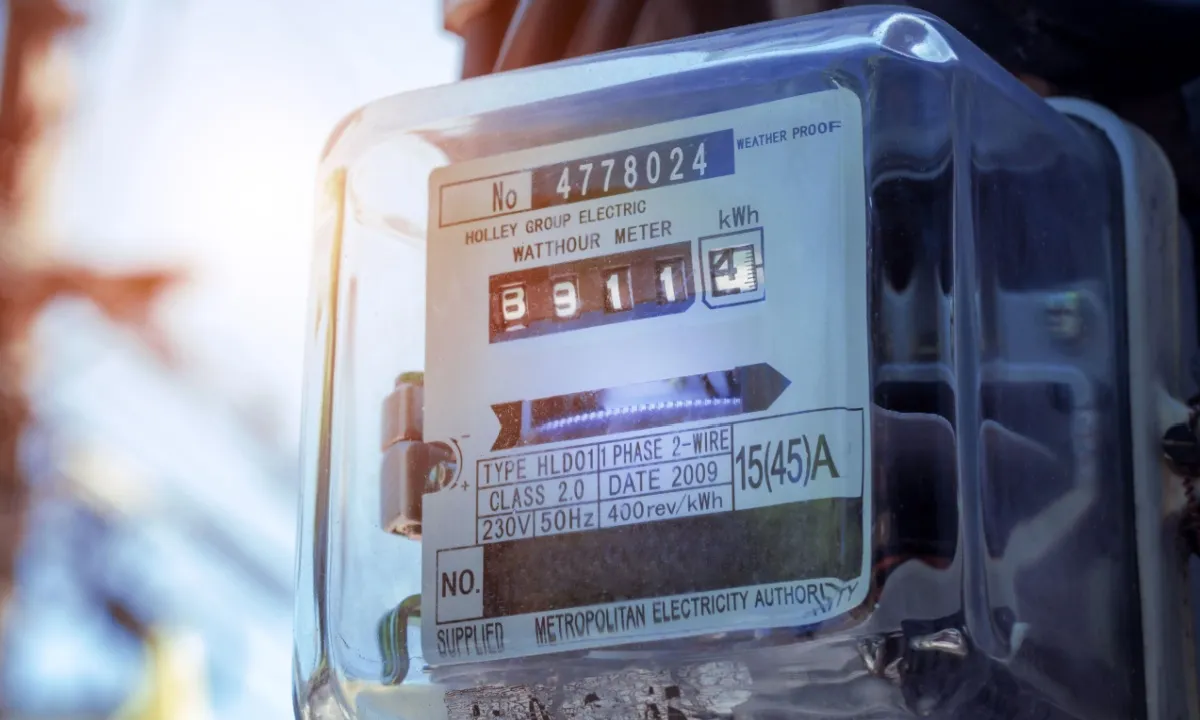
Americans can expect a 3.7% increase in average summer electricity bills due to hotter weather and rising natural gas prices, with the highest increases in New England. Meanwhile, consumer spending is tightening amid trade policy uncertainties, potentially shrinking the economy by up to $92 billion annually. Additionally, mobile wallets are rapidly expanding globally, driven by local preferences and trusted substitutes, with significant adoption across all generations.
The article discusses the relationship between El Niño, winter weather forecasting techniques, and the recent collapse in natural gas prices. It highlights the importance of accurately predicting winter weather patterns, as they heavily influence energy markets, particularly natural gas prices. The article suggests that improved forecasting techniques can help mitigate the impact of weather-related price fluctuations in the energy sector.
U.S. natural gas futures experienced fluctuations last week due to changing weather conditions and shifts in the global LNG market. Initially, cooler temperatures drove up demand, but milder weather forecasts dampened the rally. High European gas inventories reduced the need for additional LNG supplies. Revised weather forecasts predicting colder temperatures led to increased demand expectations, but concerns about potential demand drops and escalating production balanced the market's response. The upcoming EIA storage report will be a key determinant for next week's natural gas futures, with a storage draw potentially signaling rising demand due to colder temperatures. However, another build in storage could continue to exert downward pressure on prices. The market remains highly responsive to weather forecasts, creating an unpredictable environment for U.S. natural gas futures.
U.S. natural gas prices hit a two-week low due to record-high production and unseasonably mild weather conditions. The market is bearish, with prices challenging the $3 per mmBtu threshold. Record gas output and fluctuating demand driven by weather patterns are key factors affecting prices. Storage levels are above the five-year average, and exports to Mexico have declined while flows to U.S. LNG export plants have increased. The market sentiment is cautiously bearish, with expectations of rising prices in the coming years due to soaring LNG export demand. Traders are closely monitoring weather forecasts, storage levels, and the EIA's weekly gas storage report for market direction.
The US Energy Information Administration (EIA) forecasts that most households in the US will pay less for home heating this winter, with natural gas prices expected to be significantly lower compared to last year. The EIA attributes this to a drop in natural gas prices and a milder winter forecasted for many regions. However, costs for propane and heating oil may remain flat or increase. Factors such as extreme weather events and the impact of El Niño could affect heating costs. To save on energy costs, individuals can adjust thermostat settings, improve energy efficiency through insulation and sealing, and consider high-efficiency electric heating options or solar panels.
Natural gas prices are on a bullish wave due to supply disruptions and weather conditions. Labor unrest at Chevron's LNG export facilities in Australia could impact global supply, potentially leading to a surge in LNG prices. The decline in operational oil and gas rigs in the US also signals a tightening domestic supply. The upcoming solar eclipse in Texas highlights the reliance on gas-fired generators to fill renewable energy gaps. Gas futures have been rising, and the market is expected to sustain its bullish trend in the short term, driven by supply disruptions and increasing demand. However, traders should be cautious as geopolitical, domestic, and renewable energy factors could introduce volatility.
Asia-Pacific stocks traded mixed as investors awaited the U.S. jobs report, which could impact the Federal Reserve's decision on interest rates. Hong Kong's Hang Seng Index rose over 2%, led by gains in financials and technology stocks. The Reserve Bank of India kept interest rates unchanged at 6.5% due to concerns about high inflation. Natural gas prices jumped after data showed higher exports and inventories above the five-year average. Gold touched its lowest level since March, and OPEC may intervene if oil prices continue to decline.
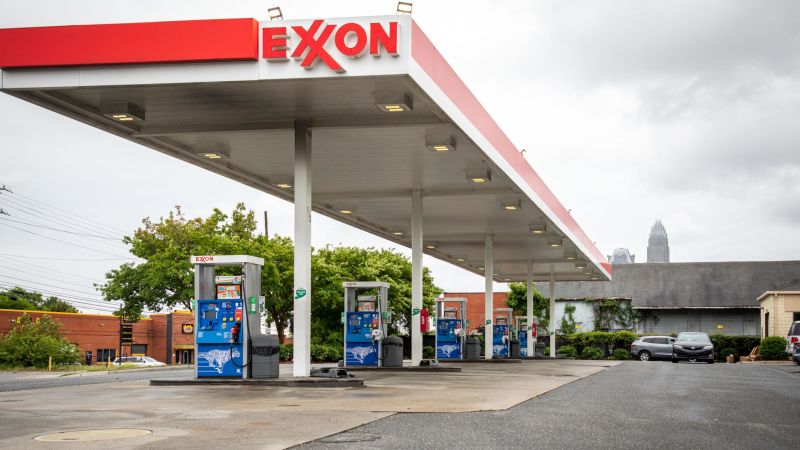
ExxonMobil's second-quarter profit fell 56% from a year earlier due to lower oil and natural gas prices, resulting in earnings below Wall Street expectations. The company earned $7.9 billion, or $1.94 a share, while analysts had forecasted $2.01 a share. Revenue also dropped 27% to $80.8 billion. However, recent increases in oil and gas prices may provide some relief, with the national average gas price reaching an eight-month high of $3.73 a gallon. This marks a rare earnings miss for ExxonMobil, as the last time it didn't surpass analysts' forecasts was in the first quarter of 2020 during the initial pandemic-induced demand plunge.
A Marex analyst suggests that the longer-term forecast for natural gas prices in the U.S. will be influenced by summer weather conditions and the rig count. The analyst highlights the importance of monitoring these factors to gauge the future direction of natural gas prices.
NV Energy customers in Southern Nevada will see an average savings of $50 per month on their power bills during the summer months of July, August, and September. The rate adjustment, approved by the Public Utilities Commission of Nevada, will result in savings of 5% to 16% depending on various factors. However, despite the savings, electric bills are still expected to be higher than last summer due to increased natural gas costs. NV Energy plans to make energy more affordable and expects the cost increase to decrease in the future as natural gas prices stabilize. In Northern Nevada, the average residential customer will save about $20 per month.