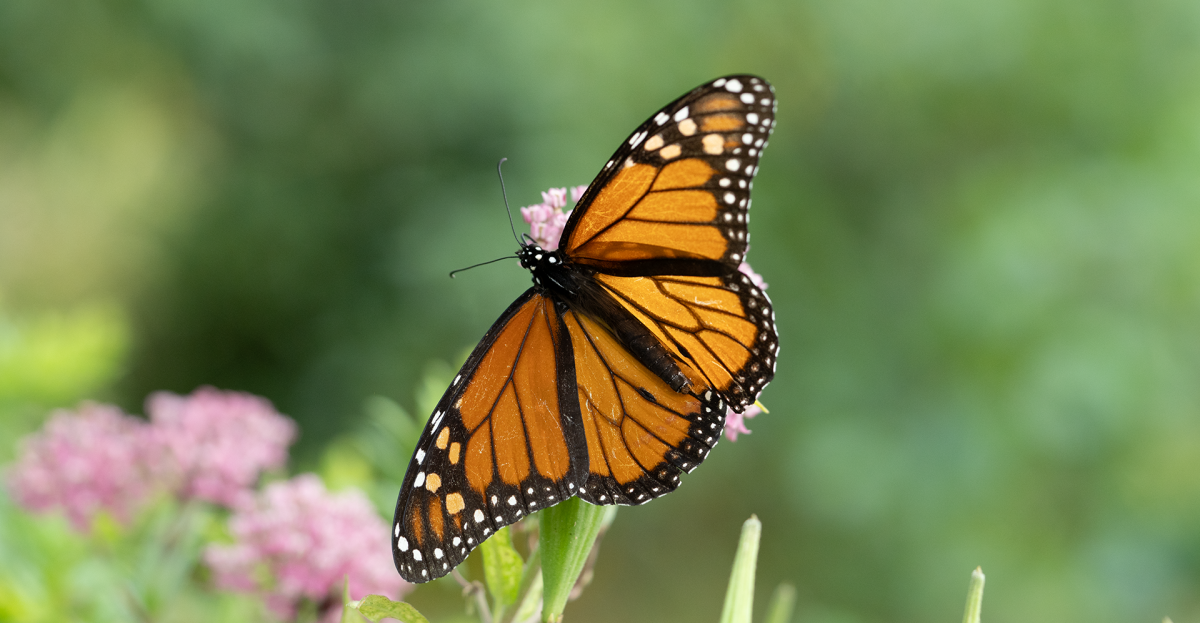
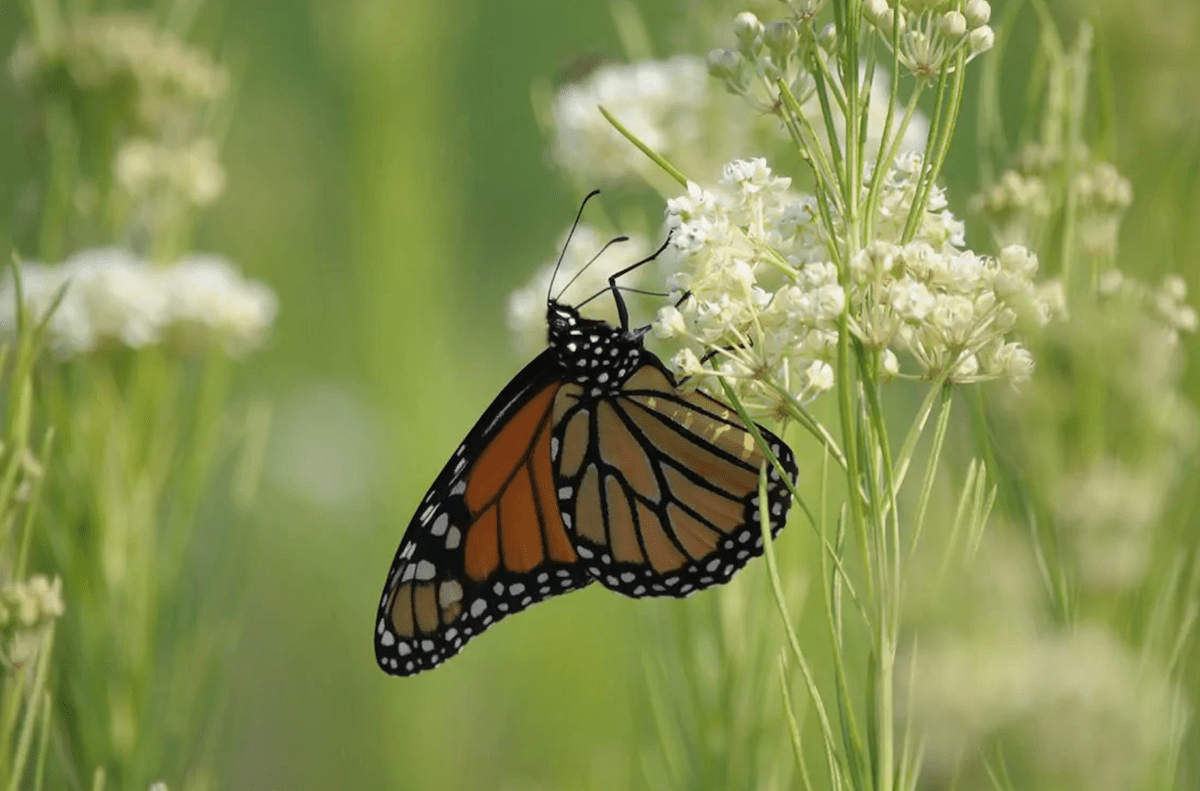
The article highlights the surprising presence and resilience of monarch butterflies in New York City, emphasizing how urban efforts like planting native milkweed and creating green spaces support their migration and survival, demonstrating that even small, local actions can significantly aid endangered species.
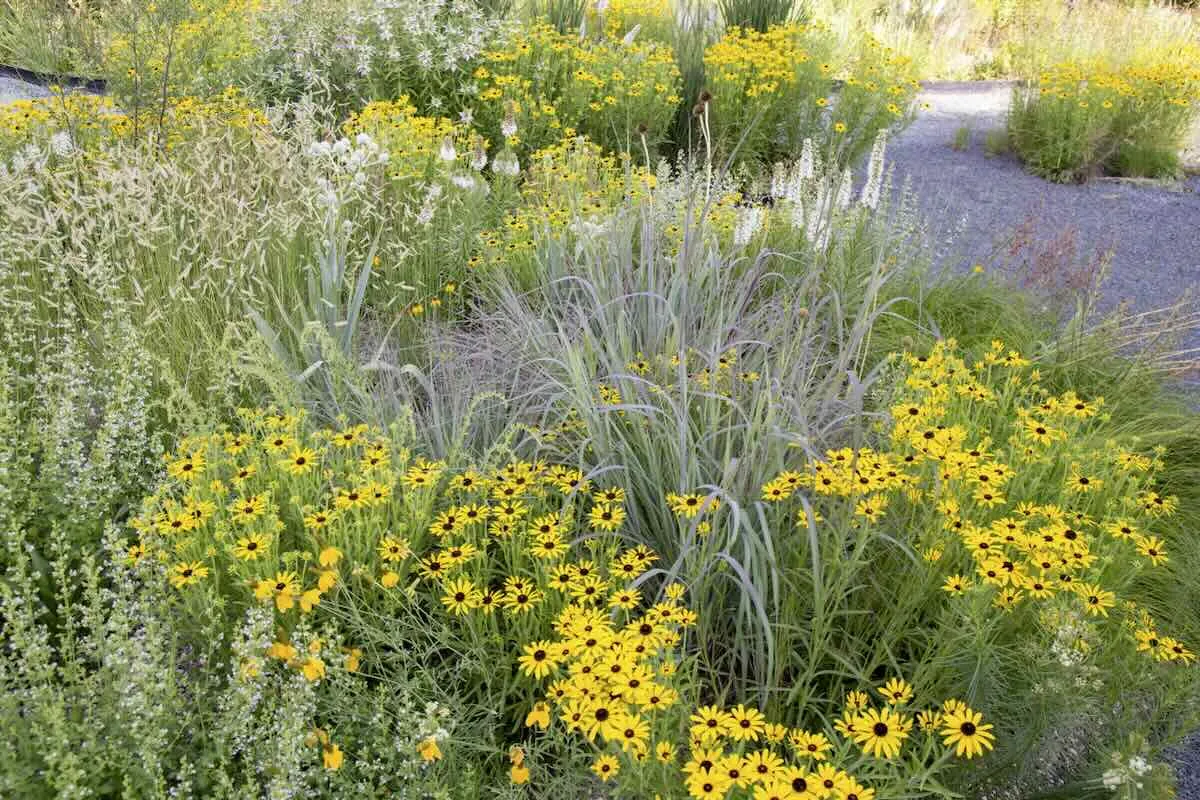
Kelly Norris discusses the concept of abundance in ecological landscape design, emphasizing the importance of native plants and understanding their ecological roles. He highlights the significance of selecting charismatic, abundant species for each season, and the layered approach to landscape design involving matrix, structure, and vignettes to create resilient and biodiverse gardens. Norris advocates for thoughtful plant choices that support ecosystems and foster a sense of abundance beyond mere aesthetics.
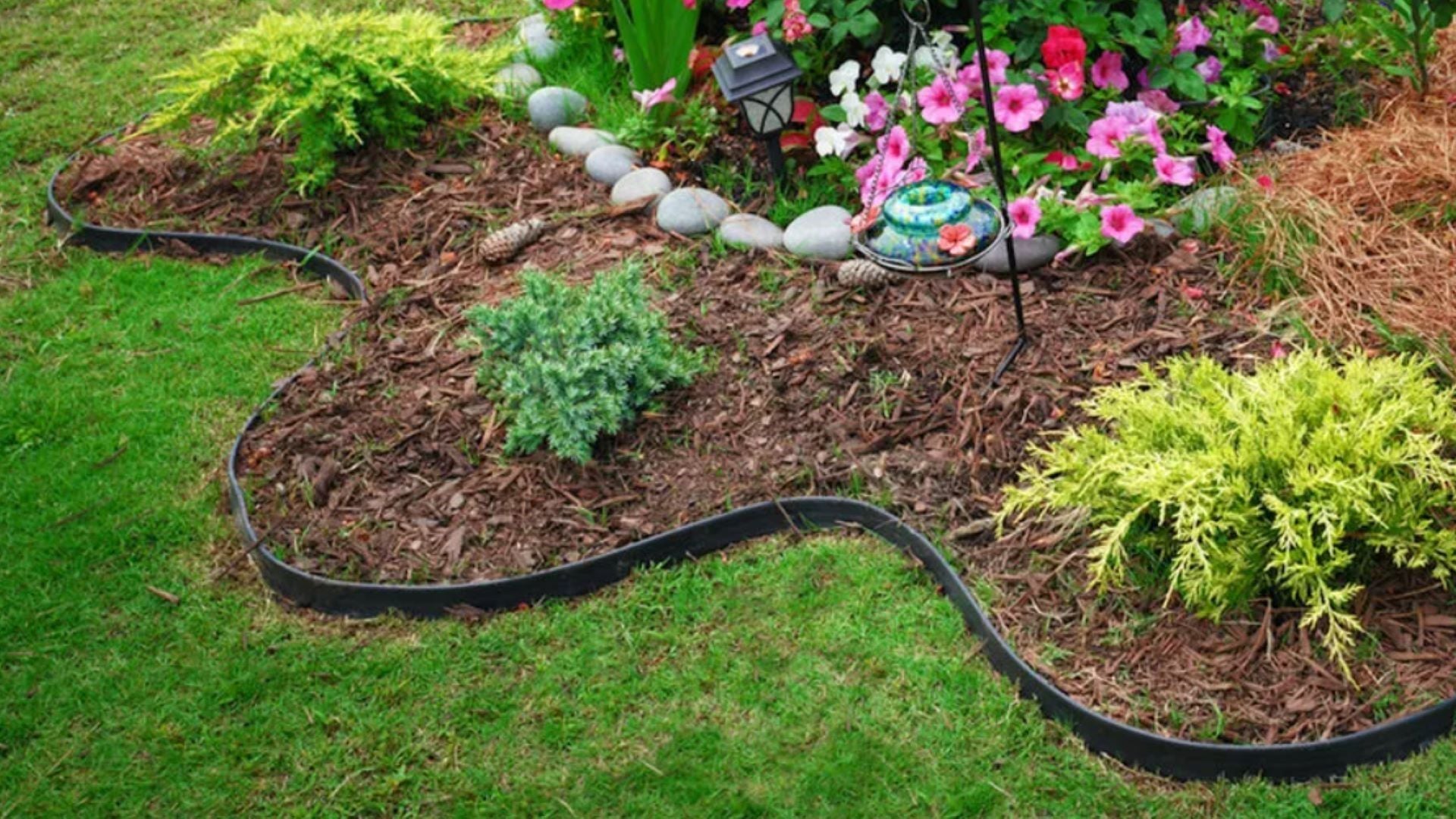
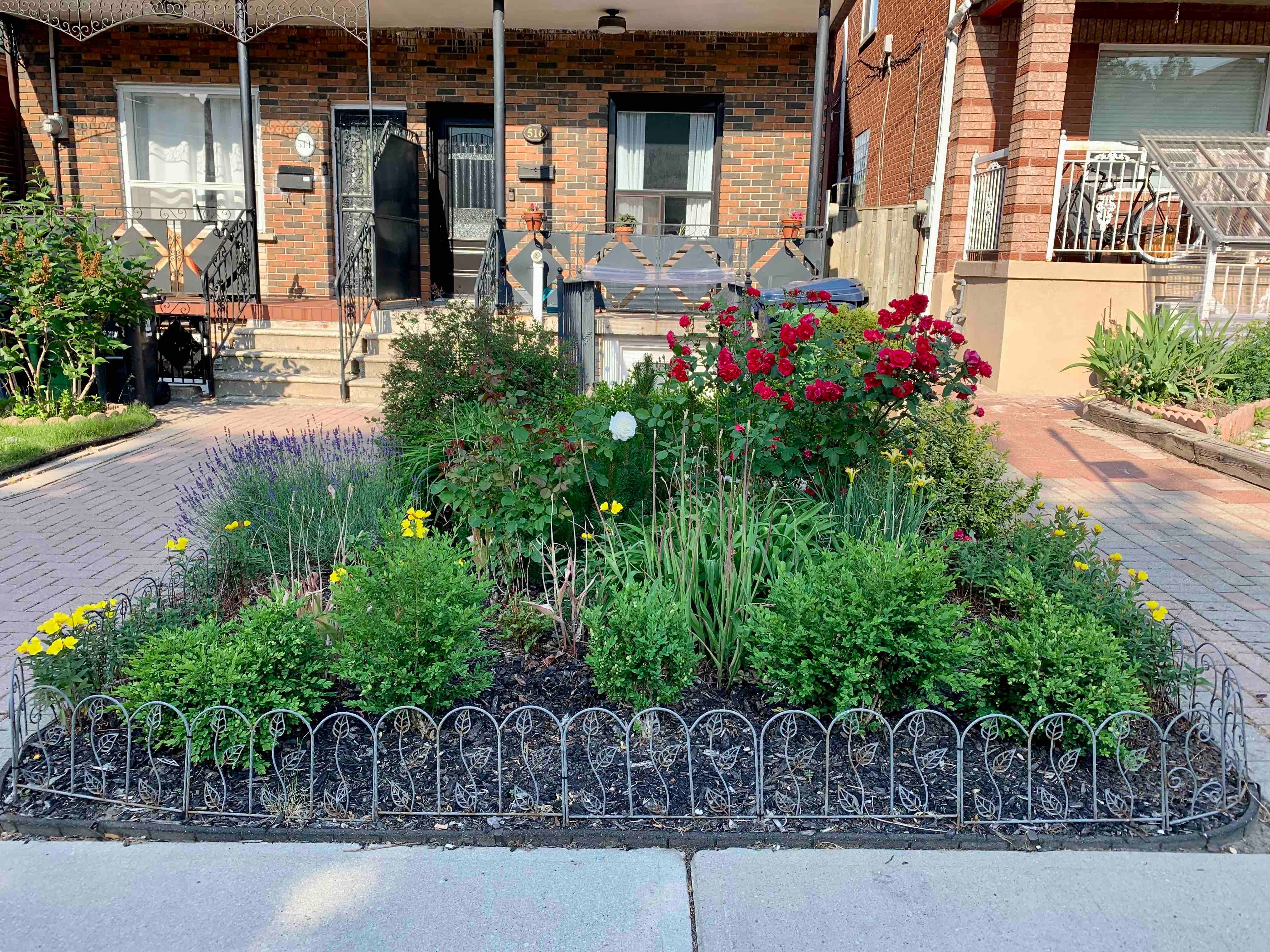
A Reddit discussion highlights the drawbacks of using plastic edging in yard landscaping, with many advising against it due to its environmental impact and ineffectiveness. Alternatives like stone, river rocks, and native plants are recommended for better aesthetics and sustainability.
Many plants can thrive in poor or low-quality soil, contrary to the common belief that nutrient-rich soil is necessary for growth. Experts recommend various plants such as bee balm, bluestar, butterfly weed, common yarrow, and lavender that can flourish in less-than-ideal soil conditions. Understanding your soil type and choosing the right plants can help create a thriving garden even in poor soil.
Researchers are studying the impact of nativars, cultivated variations of native plants, on pollinators. Studies have shown that while some nativars are equally attractive to pollinators, others are noticeably snubbed. Factors such as nectar quantities, flower color, and flowering time play a role in pollinator preferences. Nativars generally score well, but native species with greater genetic diversity are crucial for the survival of plant and insect populations, especially in the face of climate change. Nativars can still fill a niche, particularly for urban gardeners, but prioritizing native species is essential for maintaining biodiversity and environmental resilience.
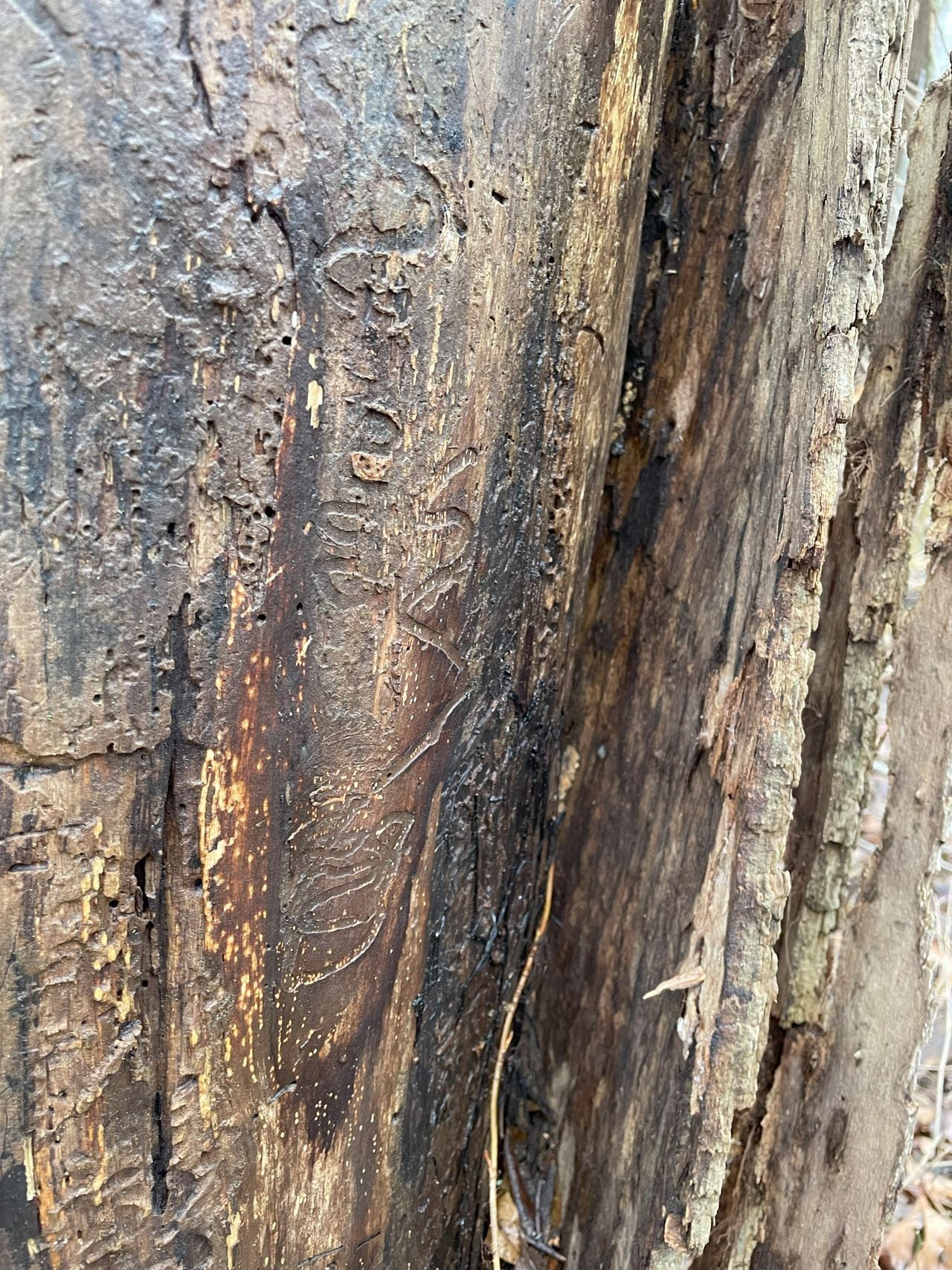
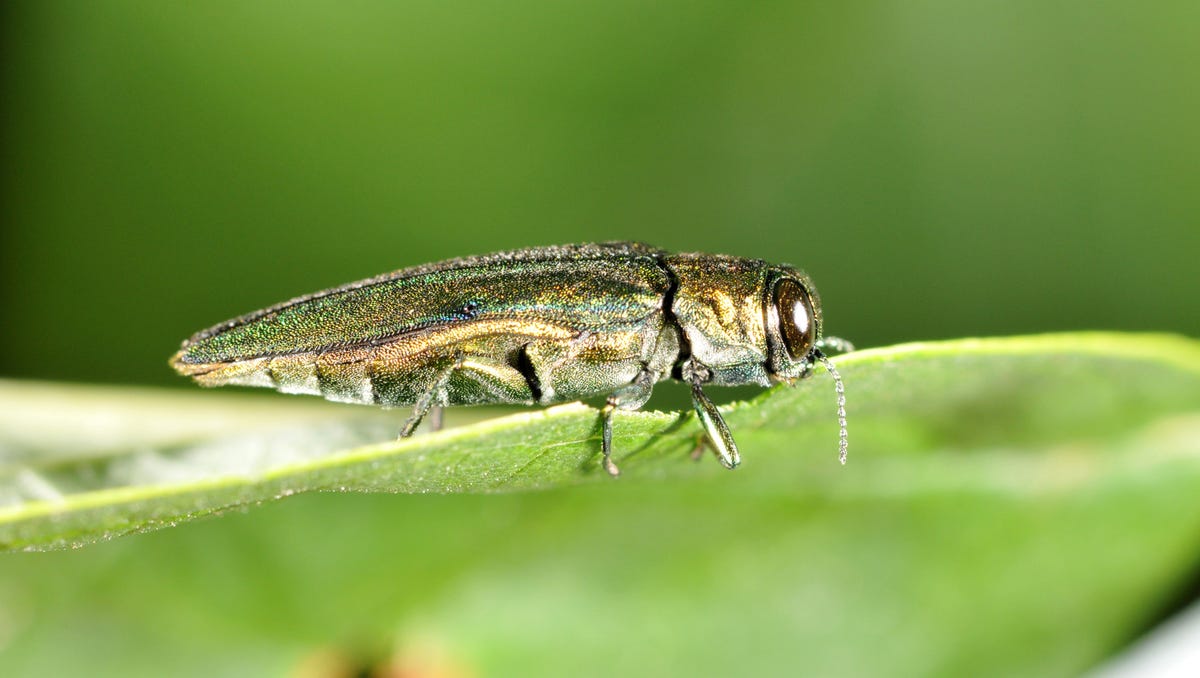
Arborist and horticulturist Eddie Lagucki explores the devastation caused by emerald ash borers, invasive plants, and deer in Northeast Ohio woods. Lagucki recommends a restoration approach involving killing invasives, installing deer fences, and eventually replacing plants, emphasizing the need for time, planning, and resources. Despite the challenges, signs of hope for forest recovery are evident, with native plants beginning to assert themselves in cleared areas.
Invasive species, such as plants, animals, and insects, are causing harm to the environment, human health, and the economy. They are introduced accidentally or intentionally by humans, often through horticulture practices. Many invasive plants were introduced decades ago before the importance of native plants was understood. Invasive insects can hitch a ride with infected plants or in packing materials. Once introduced, it is difficult to stop their spread, as they can be carried by humans, wildlife, wind, or water. Invasive species take over because there are no native diseases, insects, or predators to control them. Climate change is also giving them an advantage. The best solution is to prevent their introduction by planting native species and making informed choices.
Whorled milkweed is a native North American wildflower that serves as a host plant for monarch butterflies. It is a perennial plant that thrives in full sun and is tolerant of various soil types. Whorled milkweed blooms later in the summer season, making it a valuable food source for migrating monarch butterflies. However, it can be aggressive, so it is recommended to plant it in containers or with native plants as a barrier. While it attracts monarch butterflies and other pollinators, it can be toxic to pets and livestock if ingested.
A Redditor called out Lowe's for allegedly mislabeling plants in its nursery, posting photos and captions highlighting the inaccuracies. The Redditor emphasized the importance of using native plants for the local ecosystem and criticized Lowe's for selling invasive species like English ivy, Mexican petunia, and lantana camara. Commenters shared similar experiences and expressed concern over the mislabeling issue.
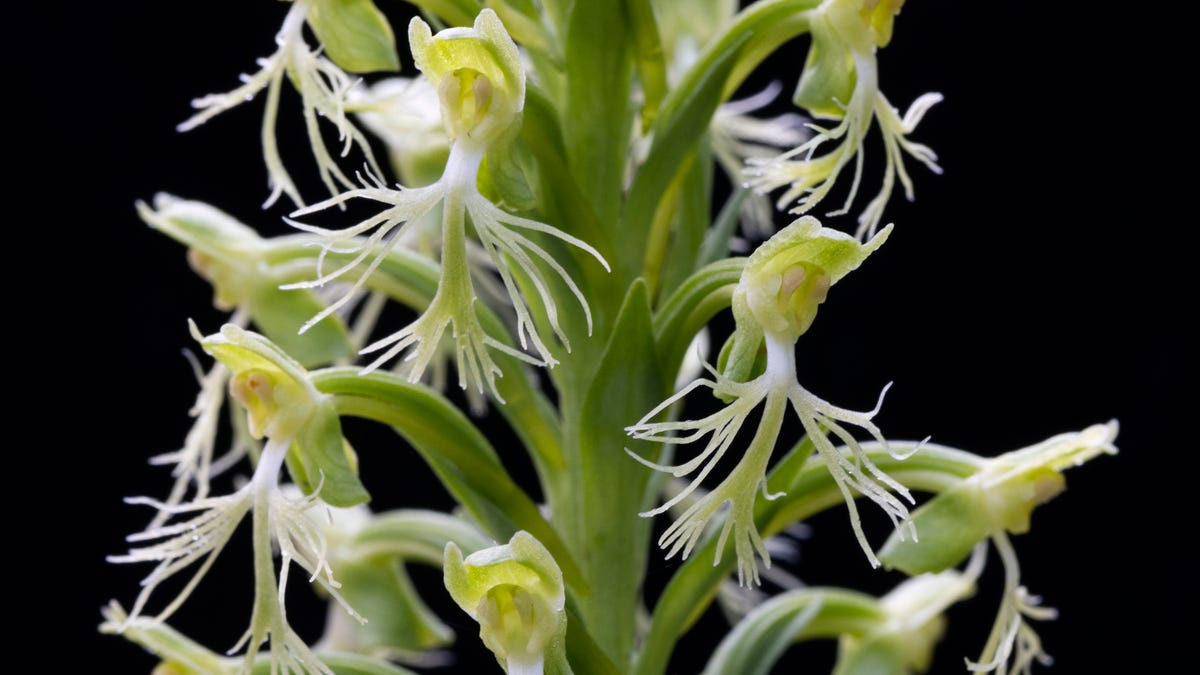
Ohio is home to 46 native orchid species, with the ragged fringed orchid being one of the most notable. This orchid is known for growing in urban and suburban areas, often in weedy sites. The flowers of the ragged fringed orchid are a botanical work of art, with long petals lacerated into filamentous strips. Moths play a critical role in pollinating these orchids, and the blooms emit a fragrance that attracts moth species. While not rare, the ragged fringed orchid is easily overlooked due to its greenish tone that helps it blend with the surroundings.
University of Florida researchers are testing landscaping techniques in a newly-built Central Florida community that rely mostly on rainwater and native plants, aiming to save water, money, and reduce carbon dioxide pollution. The landscaping, which attracts birds, bees, and other native insects, eliminates the need for weed whackers, lawnmowers, and chemical fertilizers. The researchers estimate that the landscaping in the community's 300 homes will save about 94,000 pounds of carbon dioxide pollution per year. They encourage homeowners to consider transforming their landscaping to native plants and provide tips on choosing the right plants on the UF/IFAS website.
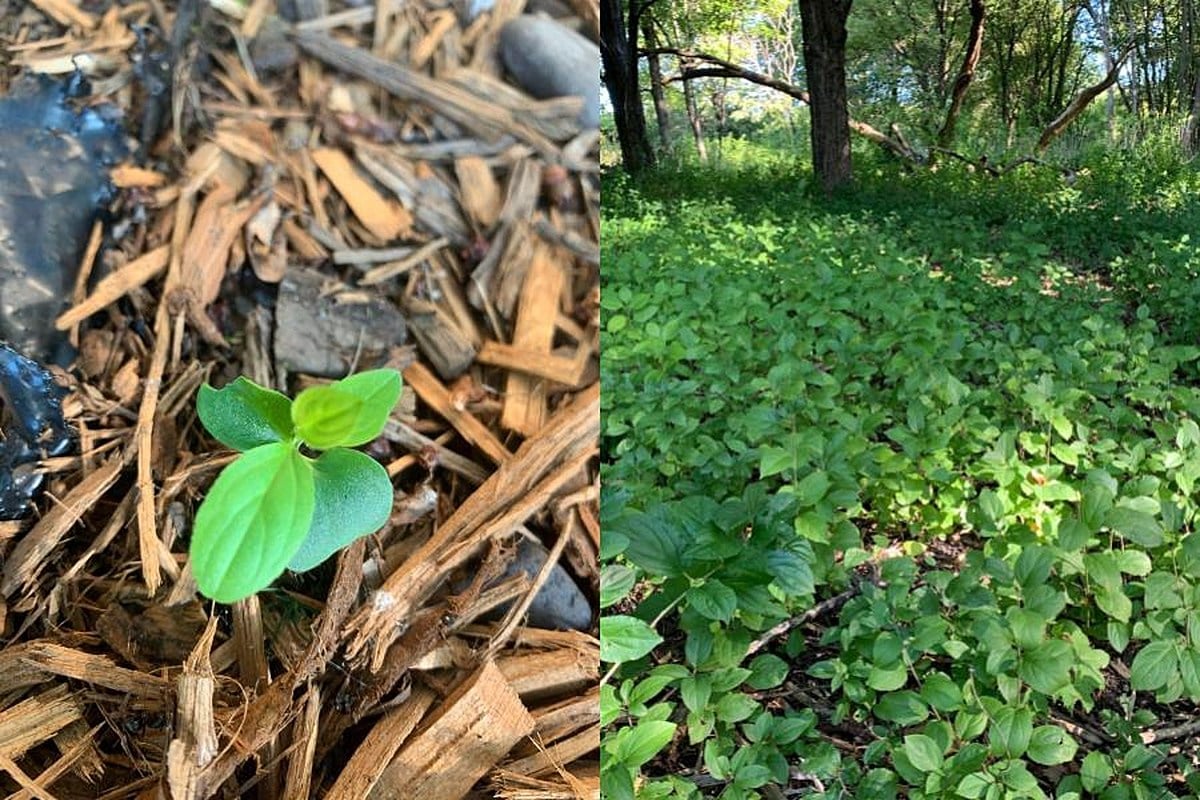
A University of Minnesota research team has discovered that previous management strategies for combating Buckthorn, an invasive species, were based on incorrect assumptions. The team found that 97% of Buckthorn seeds germinate in the first year, debunking the belief that the seeds could last up to six years in the soil. This new information allows for more effective management practices that target smaller Buckthorn plants, which create dense mats and harm native plants. The best time to address Buckthorn is in late October and November when its dark green leaves are easily visible against the fall landscape.
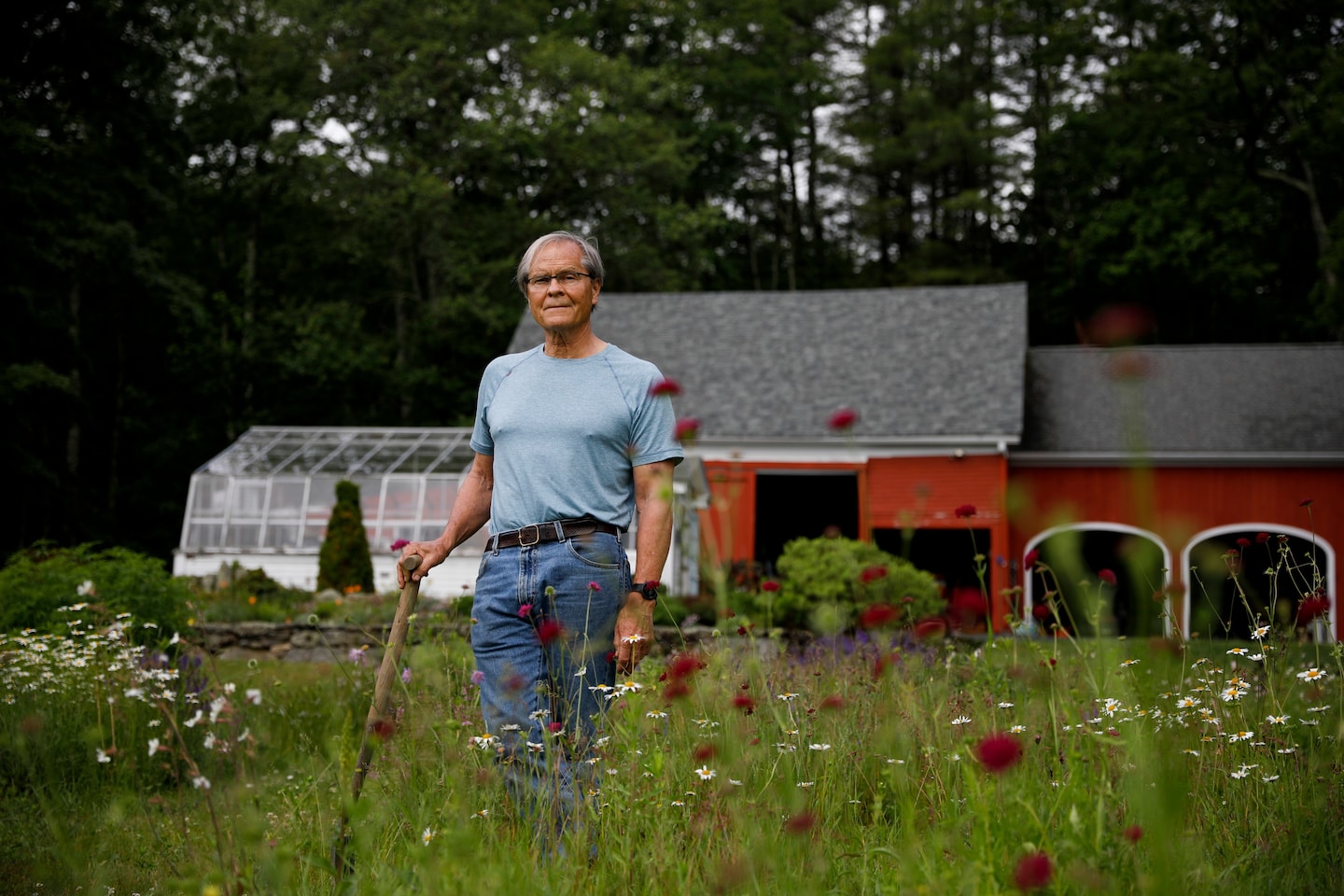
Meadows are a low-maintenance alternative to traditional gardens, but they are not easy to start and require periodic mowing and weed removal. However, proponents say the benefits of planting native plants that attract pollinators and provide refuge for local wildlife make them well worth the effort. Meadow owners have found that meadows are easier to manage than traditional gardens, and they offer a tapestry effect that can reduce weeds. Meadows are also less maintenance than a lawn and can perform well during drought seasons.
Designing an ever-blooming perennial garden involves planting bulbs, flowers, and flowering shrubs with varying bloom times and colors. The first step is identifying your USDA plant hardiness zone and choosing plants that will survive the seasons. Researching native plant species and considering the purpose and vantage point of your garden can also help with design. Understanding your garden site's conditions, such as light patterns and water drainage, is important when choosing plants. Categorizing plant choices by bloom time, height, and color can help with organization. Once planted, regular watering, deadheading, and monitoring for pests and stress can help maximize bloom times.
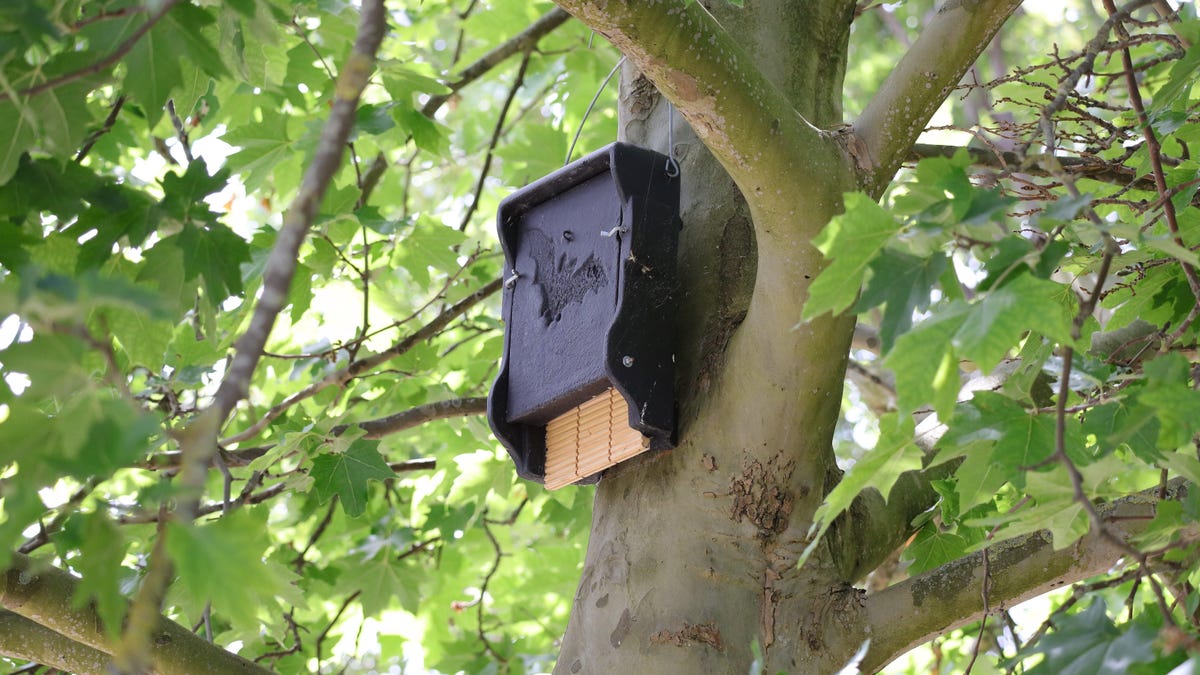
Bats are important for the ecosystem and can serve as natural pest control by eating insects that damage garden plants. To attract bats to your yard, leave dead leaves to rot, provide a water source, grow native plants and trees, keep dead or downed trees, and build a bat house. It's important to keep cats indoors and not attempt to touch or handle bats.