A customer accuses Target of inflating prices before sales to create the illusion of discounts, a tactic that erodes consumer trust and is especially prevalent around major shopping events like Black Friday, contributing to wasteful consumer behavior and broader retail concerns.
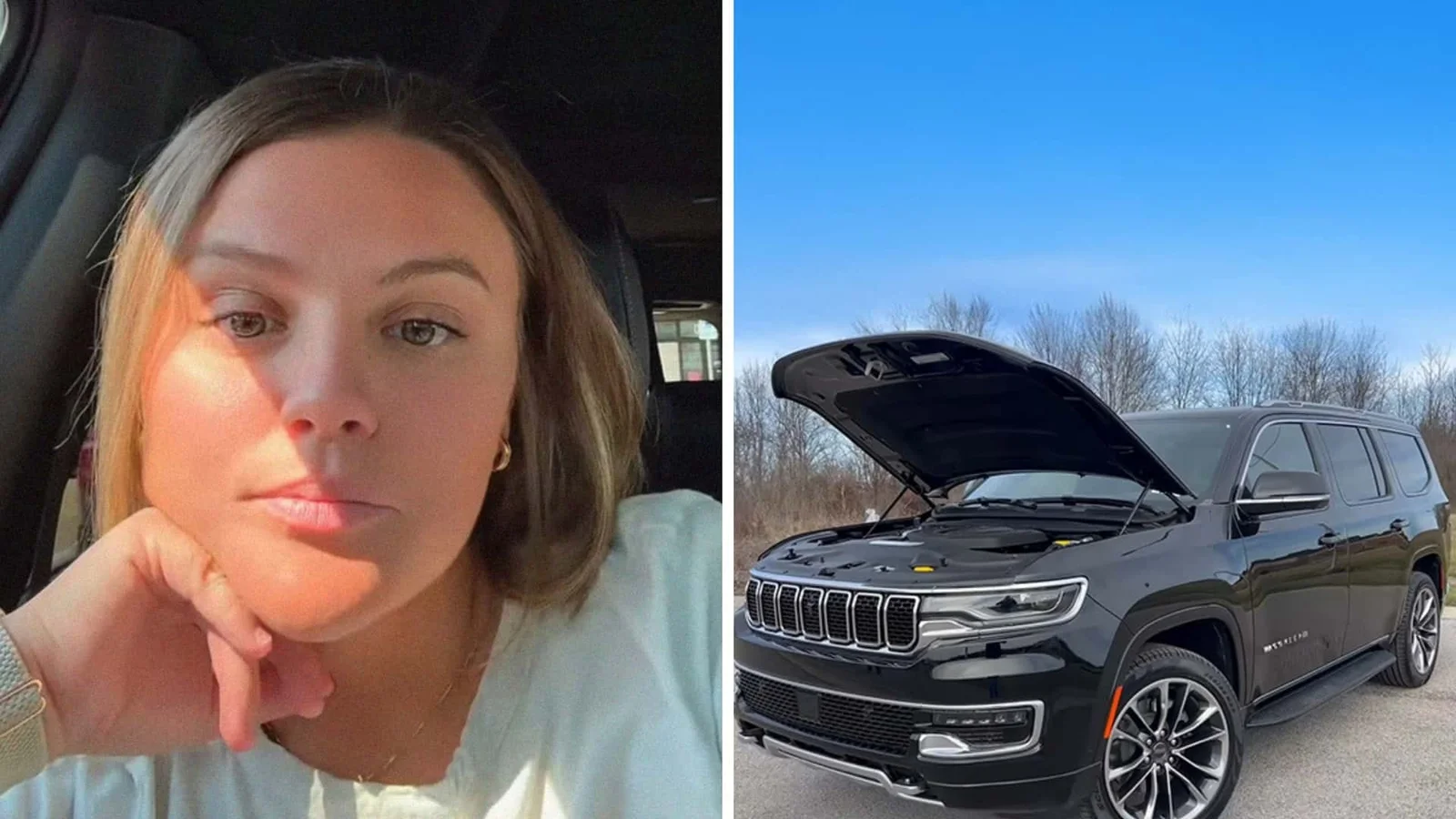
A woman claims a dealership tried to pressure her into a bad deal by handing her a Jeep Wagoneer without signing paperwork and then selling her trade-in without her consent, raising concerns about deceptive sales practices and potential attempts to upsell extended warranties. She eventually got her original car back but questioned the dealership's motives and practices.
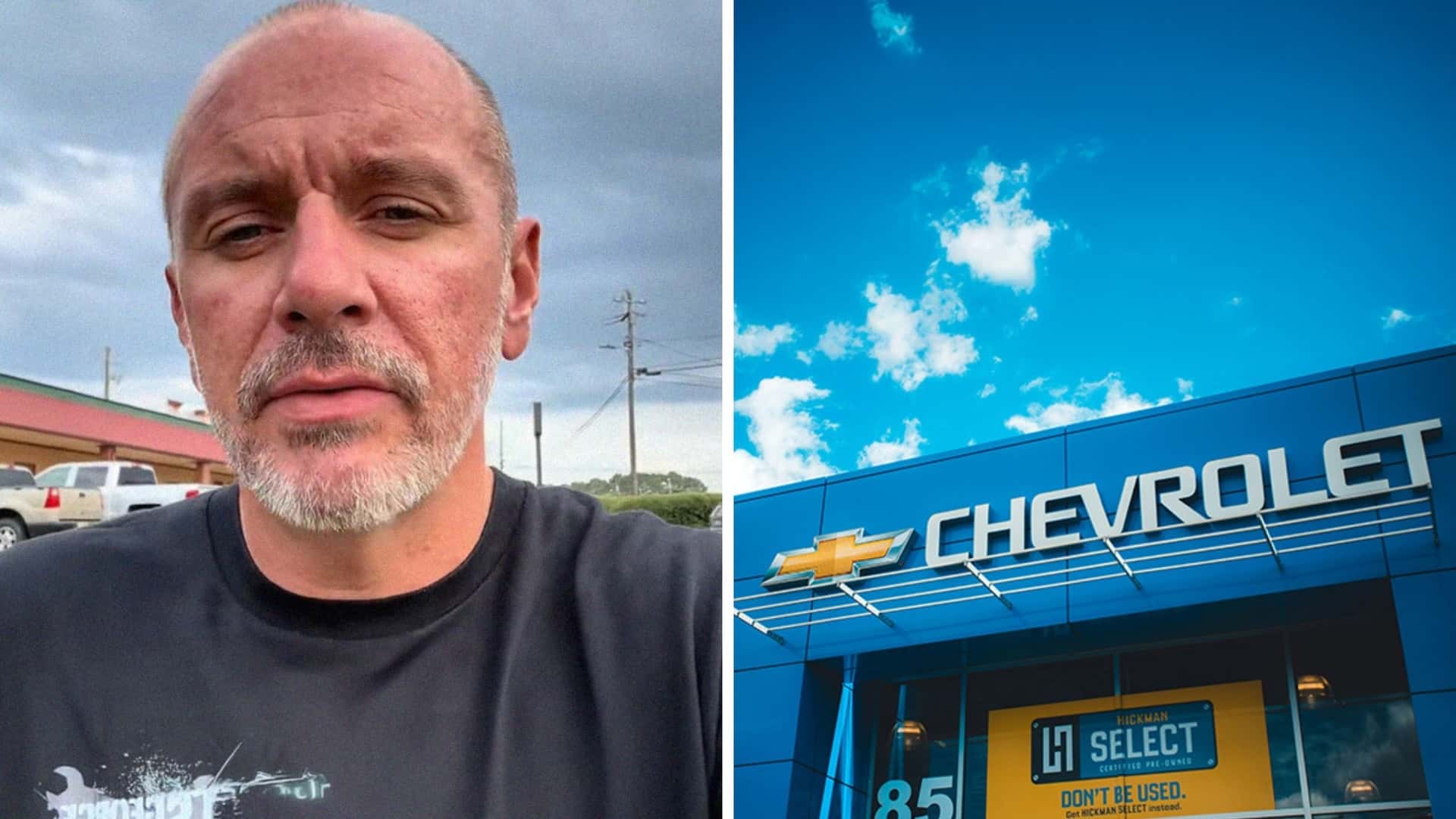
A Florida man’s experience with a faulty certified pre-owned Chevy highlights issues with warranty coverage, dealership communication, and repair delays, raising questions about the true value of CPO programs and consumer protections.
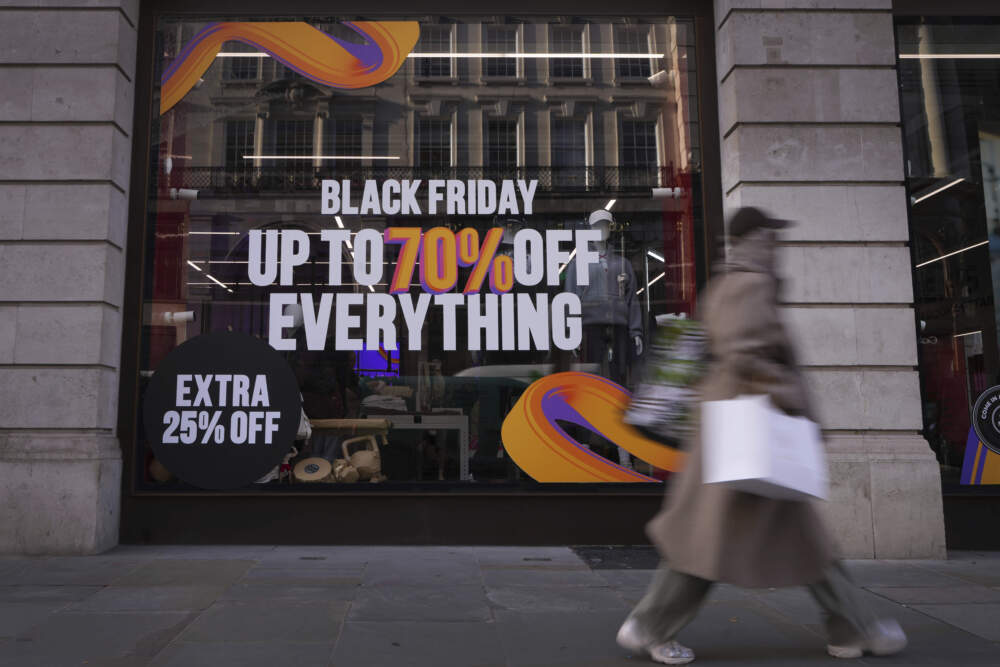
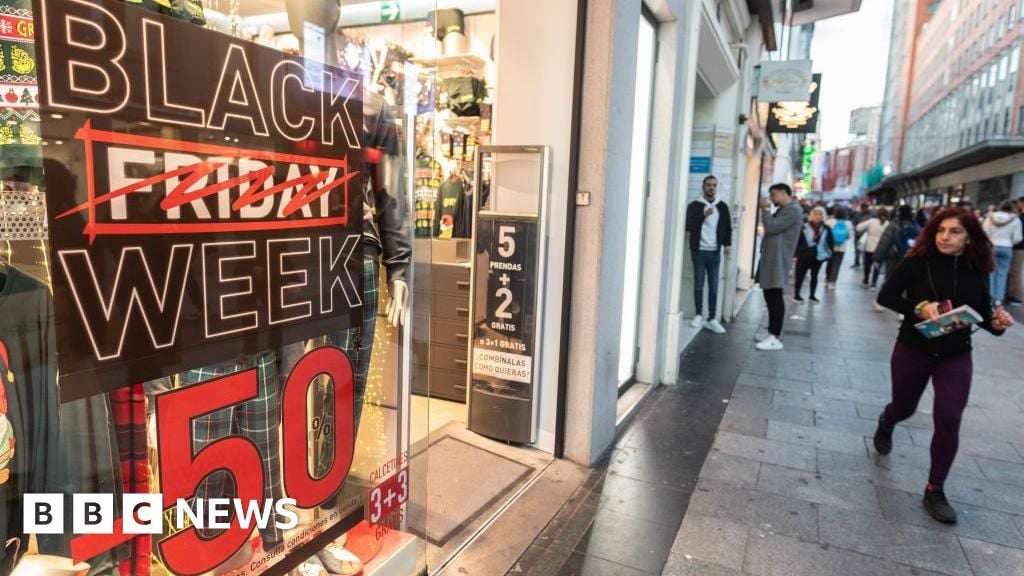
Consumer watchdogs warn that Black Friday deals may not be as beneficial as they seem, with many retailers using misleading pricing tactics. Shoppers are advised to track prices well before the holiday season to identify genuine discounts. Special Black Friday products may have inferior components, and "limited edition" items are often just repackaged. Waiting until after Christmas may yield better bargains as retailers clear out old stock. Consumers should avoid buying unnecessary items just because they are discounted.
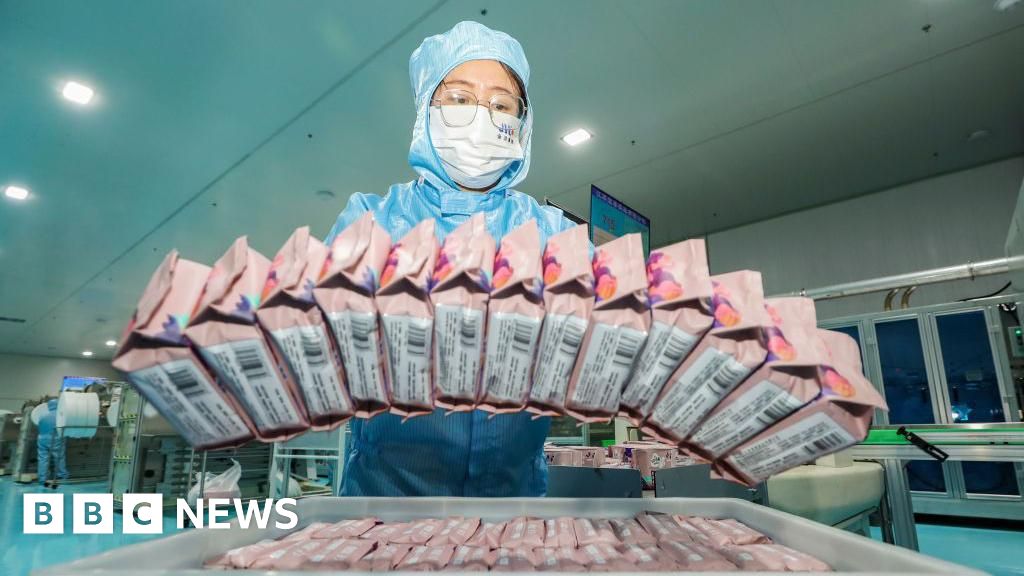
Chinese sanitary pad manufacturers have apologized after being accused of selling products shorter than advertised, sparking widespread consumer outrage. Viral social media videos revealed discrepancies in pad lengths, leading to broader complaints about the quality of feminine hygiene products in China. An investigation found that nearly 90% of pads were shorter than claimed, prompting authorities to consider revising national standards. The controversy highlights ongoing concerns about product safety and quality for women in China.
Retail experts warn Black Friday shoppers to be cautious of deals, as research by consumer group Which? reveals that many offers are not genuine discounts. Brands may inflate prices before sales to create the illusion of significant reductions. Shoppers are advised to compare prices, check product price histories, and be wary of fake websites to avoid being misled. The research highlights examples where products were advertised with inflated original prices, urging consumers to focus on quality over quantity and to purchase from authorized sellers.
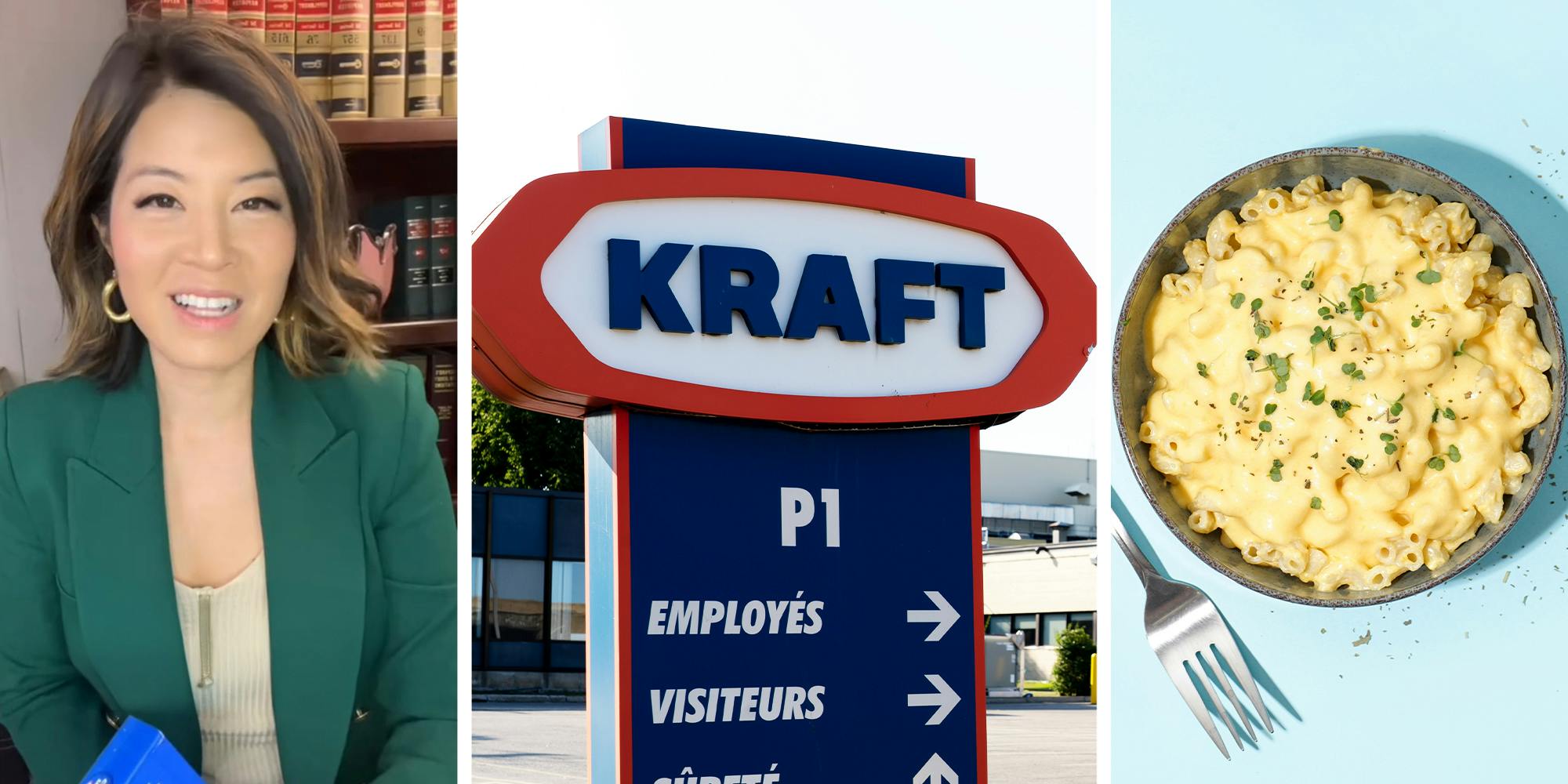
A class action lawsuit against Kraft Mac & Cheese claims the brand falsely advertises its product as free from artificial preservatives, despite containing additives like citric acid and sodium phosphates. The lawsuit argues these ingredients, derived from mold, can be harmful, though the FDA deems them safe. Consumers are eager to join the lawsuit for potential compensation, but payouts depend on the case's settlement. The controversy highlights differing opinions on the safety and marketing of food additives.
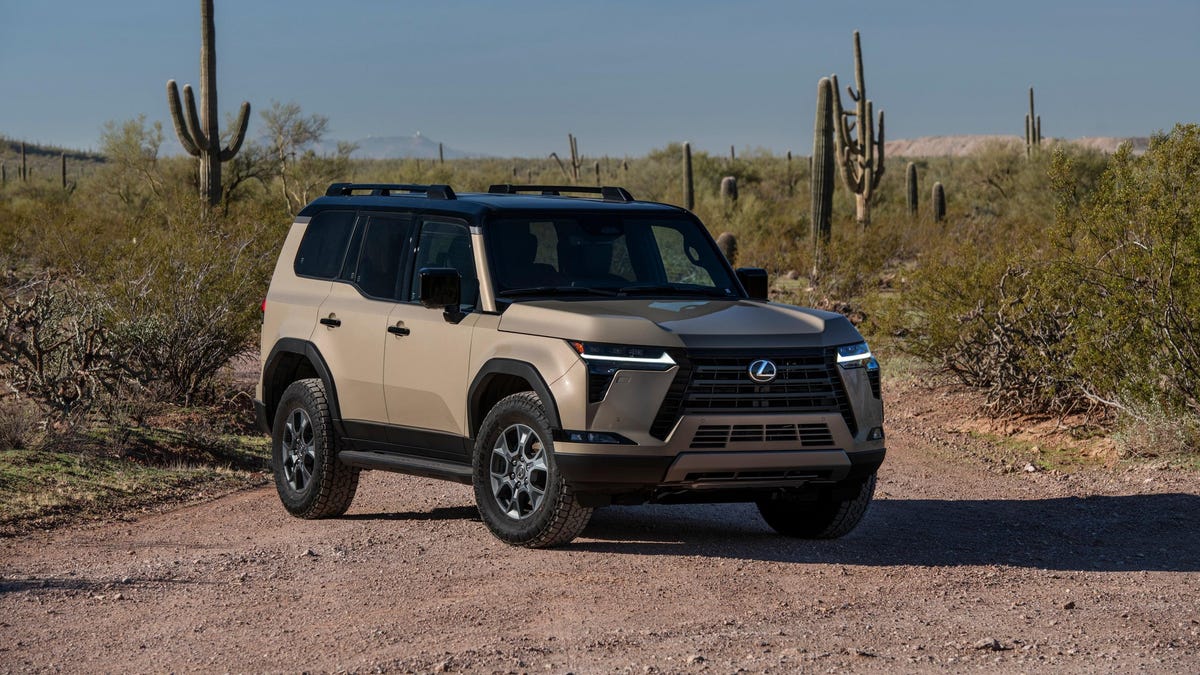
A finance manager at Lexus of Englewood, New Jersey, was caught trying to add nearly $21,000 in unnecessary extras and bogus fees to a customer's car purchase contract. The customer, with help from CarEdge's Zach Shefska, managed to get the additional charges removed. This incident highlights the importance of thoroughly reviewing car sales contracts to avoid hidden fees.
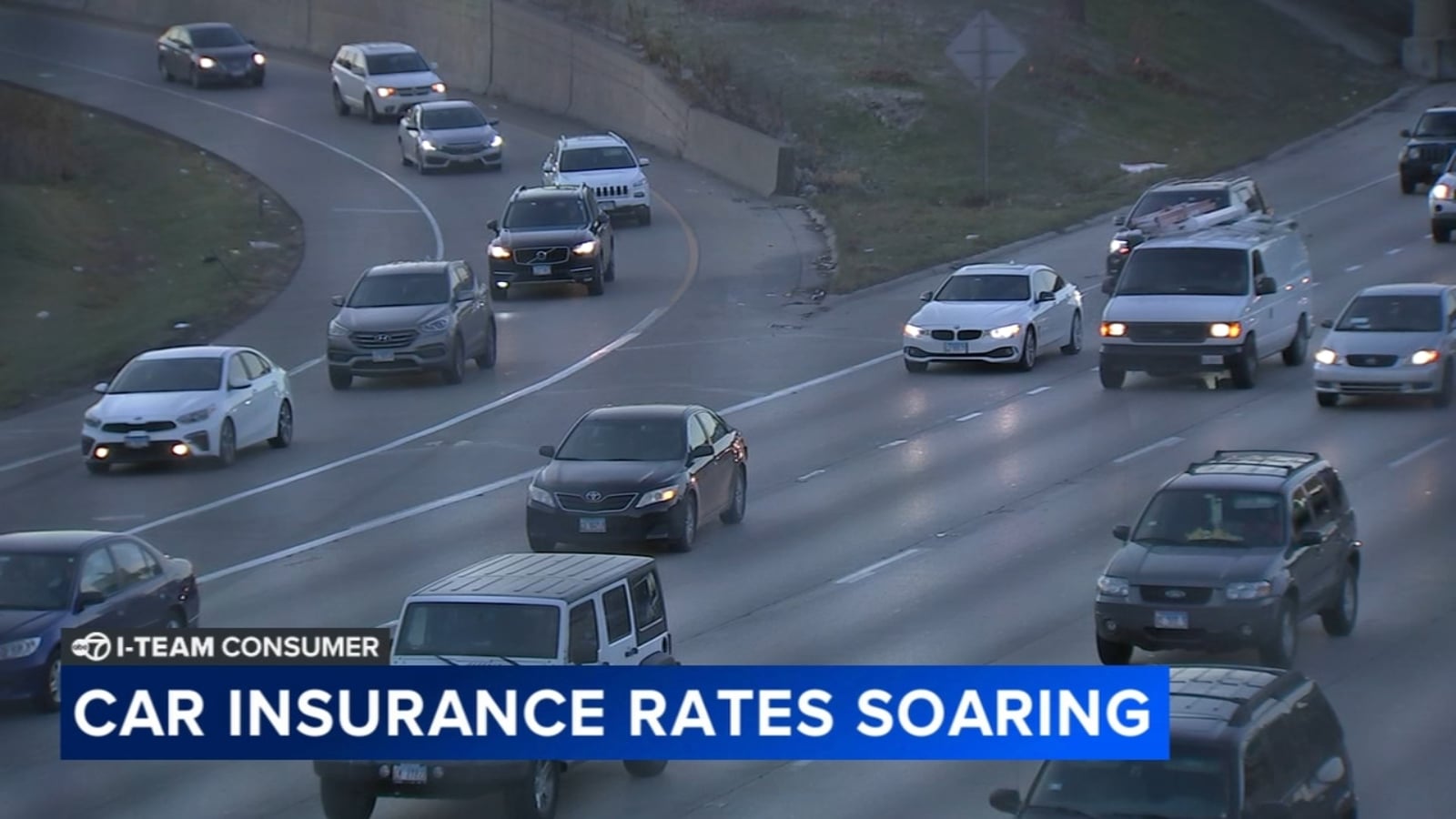
Illinois drivers are experiencing significant increases in auto insurance rates, with some seeing their premiums jump by 20% or more. The hikes are attributed to higher costs for insurance companies to settle claims, including more expensive replacement parts, increased labor costs for auto body work, and a rise in the number of claims as people travel more post-pandemic. Experts advise consumers to shop around for better rates and not to wait until their policy renewal, as most can save significantly by switching insurers. Liberty Mutual attributes the national trend of rising premiums to inflationary increases in labor, repair, used car, and medical costs. The Illinois Department of Insurance acknowledges the lack of regulatory authority to approve rates before implementation but is open to enhancing consumer protections.
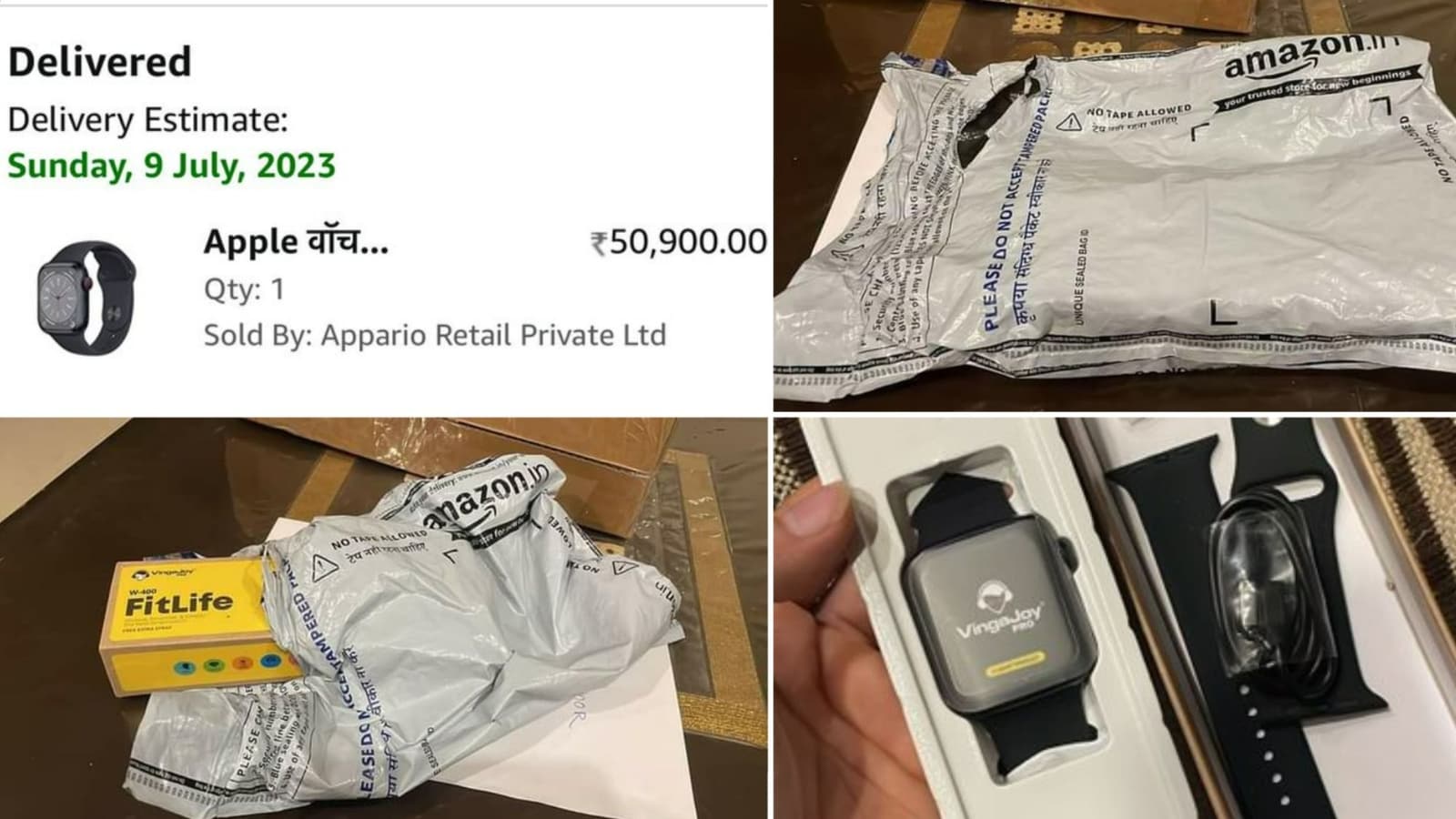
In 2023, customers experienced bizarre delivery mix-ups from e-commerce sites, with incidents including receiving quinoa seeds instead of a camera lens, toothpaste in place of Sony headphones, chaat masala instead of an electric toothbrush, a fake watch instead of an Apple Watch, and a children's book with an apology note for the original damaged order. These mishaps highlight the unpredictable nature of online shopping and the customer service challenges faced by companies like Amazon.
A family of 16 accidentally purchased $10,000 worth of Disney+ streaming service gift cards instead of Disney theme park gift cards for their canceled vacation, and they are now seeking help to transfer the funds to the correct gift cards.
A family mistakenly spent $10,000 on Disney+ gift cards, thinking they were for a trip to Walt Disney World. The grandparents, who don't use streaming services, realized their mistake just a week before their scheduled vacation. Unable to return the scratched-off gift cards, the family connected with Disney employees who converted the Disney+ money into gift cards that could be used for their trip. The incident prompted others to share similar experiences and raised awareness about the difference between Disney+ gift cards and Disney parks credits.
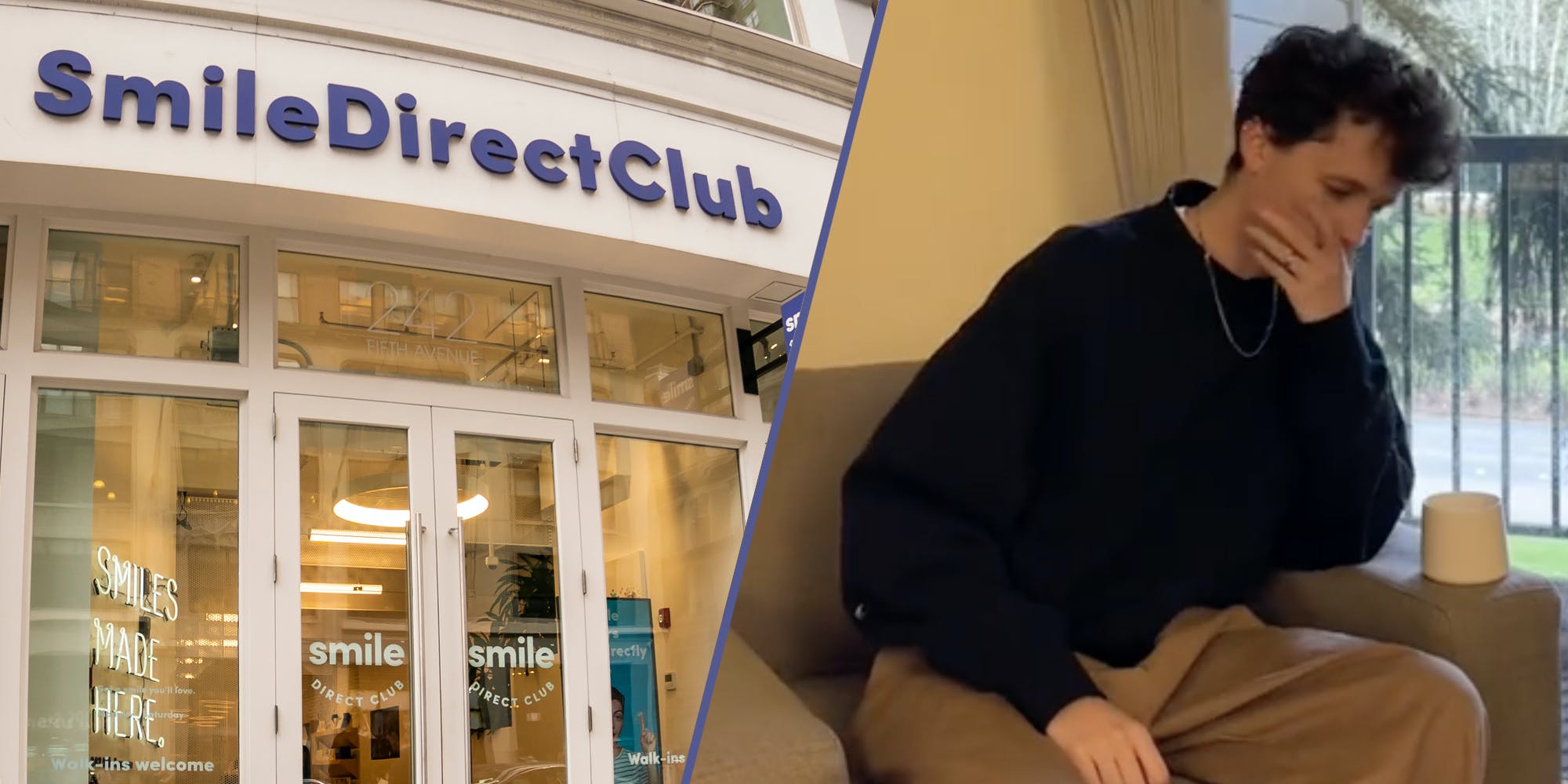
A dentist on TikTok, along with other medical professionals, has called out SmileDirectClub for scamming customers after the telehealth orthodontics company filed for bankruptcy, leaving patients to figure out treatment and payments on their own. The company's previously advertised lifetime guarantee no longer exists, and patients financing their treatment through SmilePay are still expected to complete payments. Current patients have shared negative experiences with the company, with some claiming it destroyed their teeth.
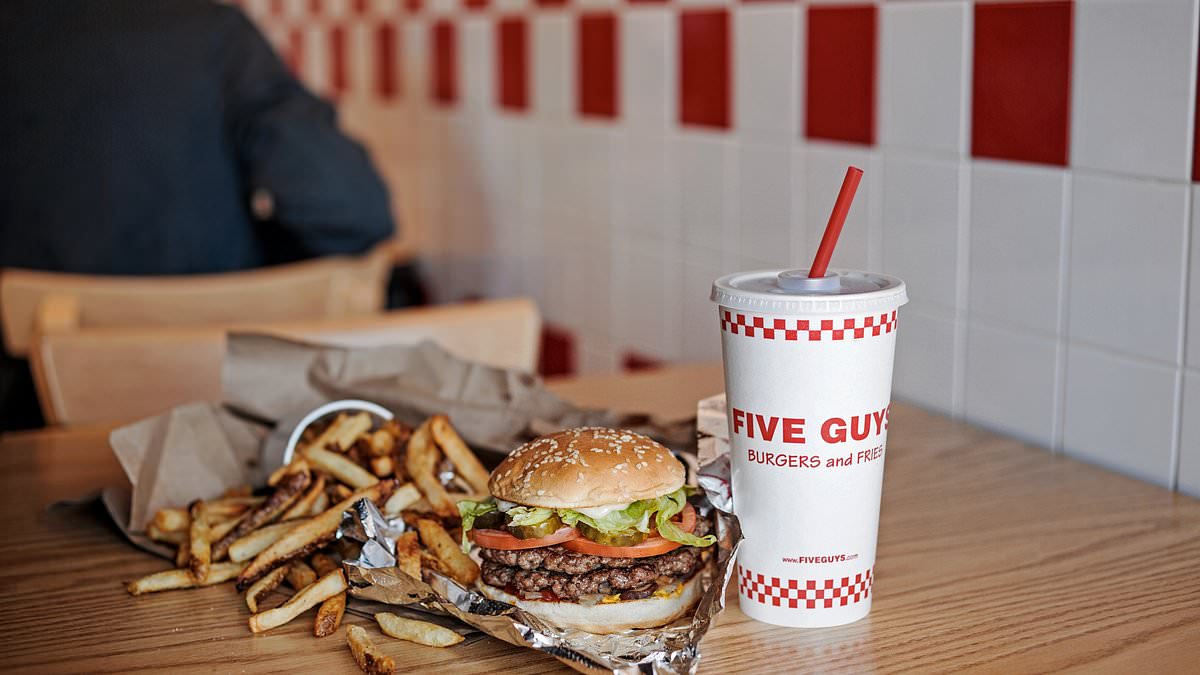
A video posted by a Five Guys customer complaining about the high prices at the fast-food chain has gone viral on social media. The customer expressed frustration after paying $42 for two cheeseburgers, a side of fries, and two milkshakes. Despite the complaint being made last year, a recent check confirmed that the prices remain the same. Five Guys justifies the high prices by using fresh ingredients and serving generous portions of fries. This incident follows similar complaints about the rising prices at McDonald's, with customers expressing disappointment that the fast-food chain is no longer affordable for many.
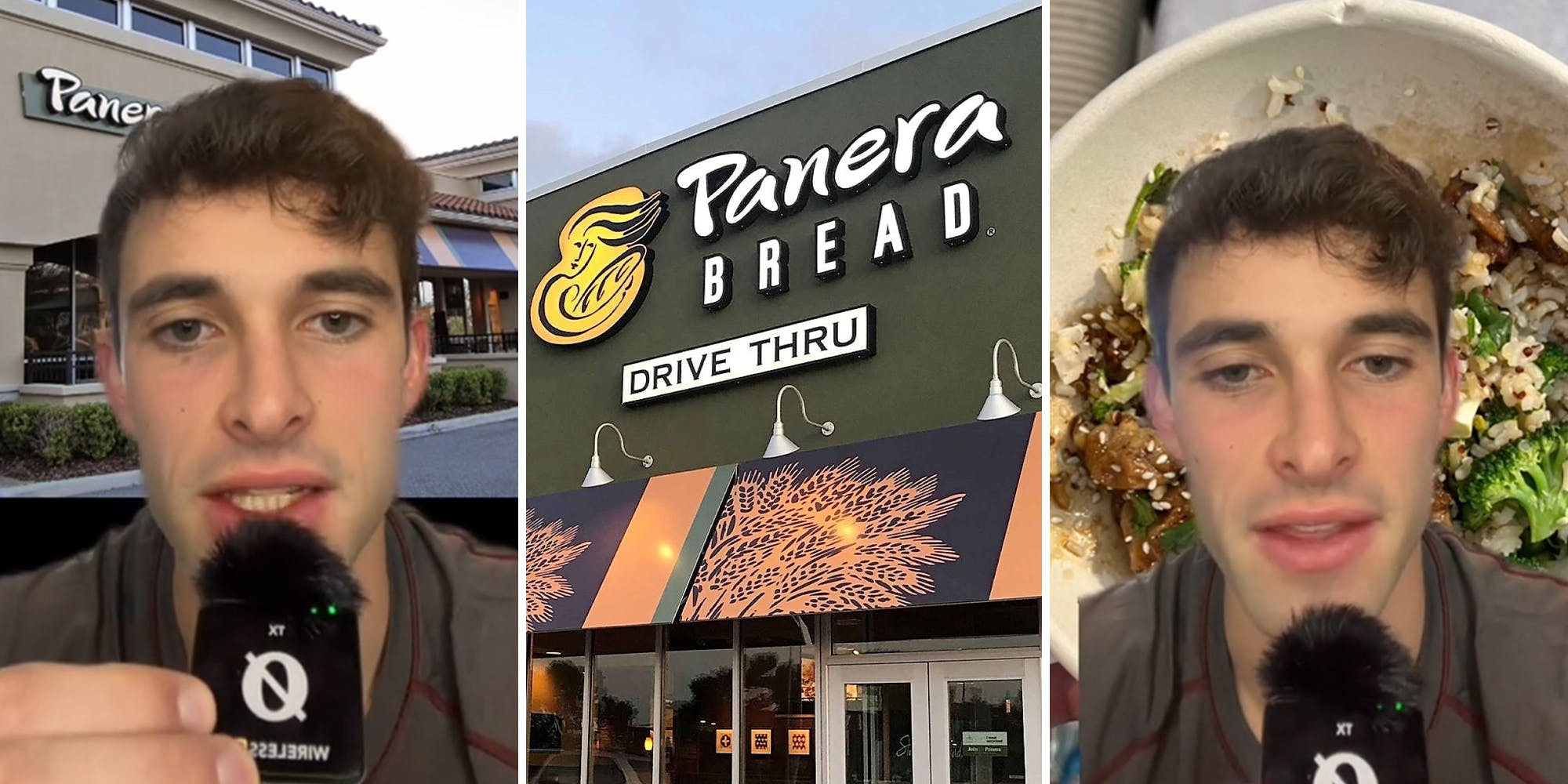
A Panera customer took to TikTok to express disappointment over the small portion size of a $15 chicken bowl, calling it a "scam." The video went viral, with many users criticizing Panera for high prices and small servings. This incident is part of a larger trend known as "shrinkflation," where products shrink in size while maintaining the same price. Other companies, such as Betty Crocker, Starbucks, and Walmart, have also faced complaints about shrinkflation. Panera has not yet responded to the customer's complaint.