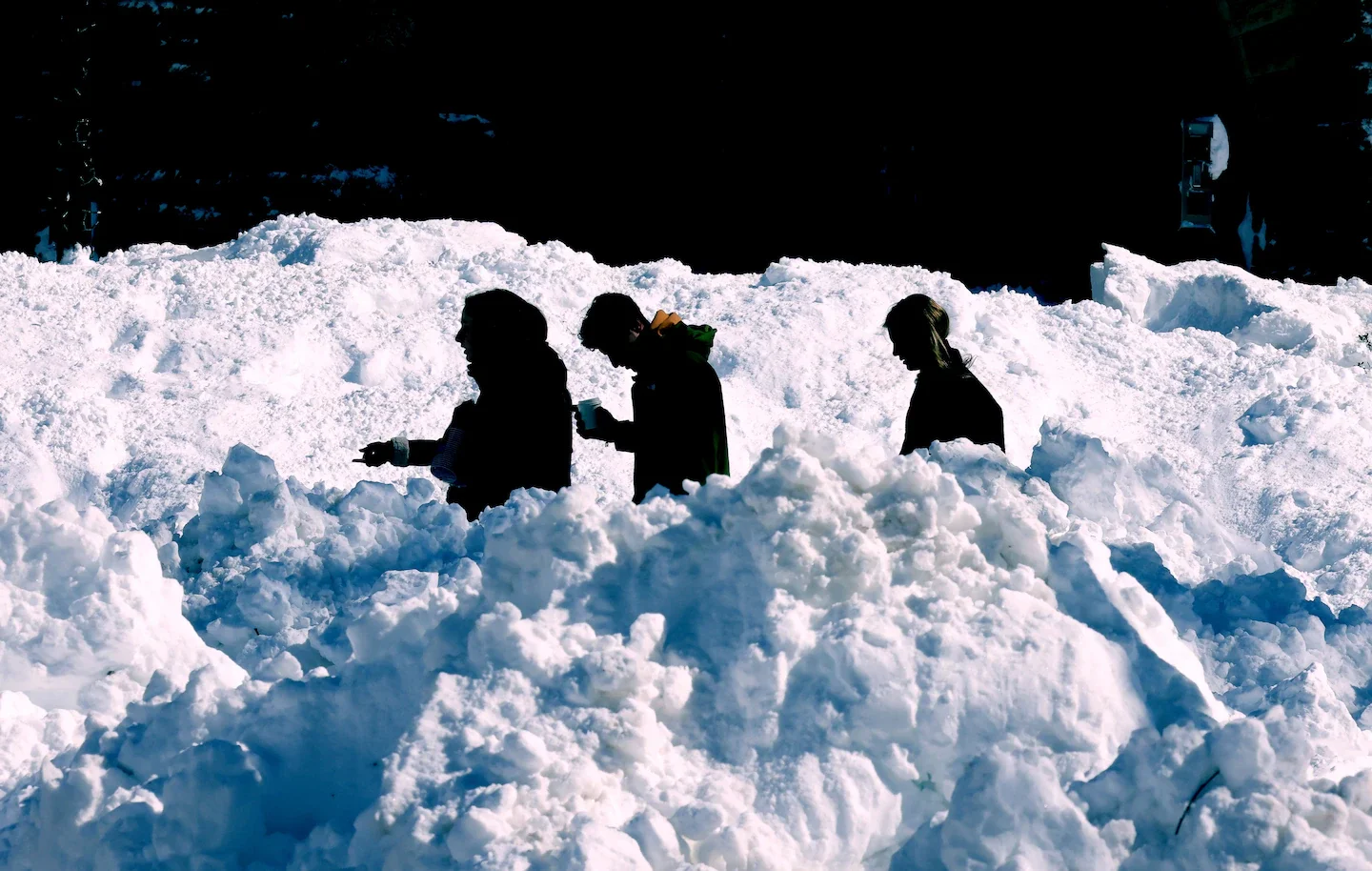
Providence, Rhode Island, recorded 37.9 inches of snow—the city’s largest on record and likely a statewide benchmark—during Blizzard of 2026, driven by a bomb cyclone with an eastward track, abundant moisture from the Gulf/Atlantic, cold coastal waters, and a lack of blocking high pressure.
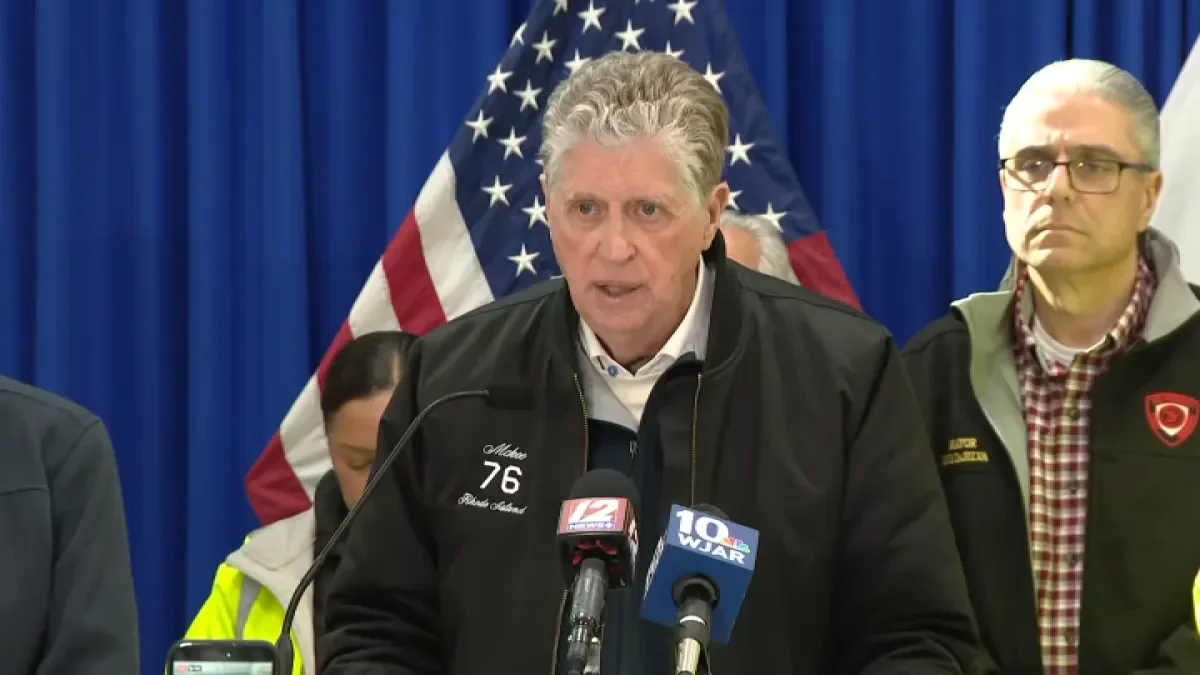
Rhode Island lifted its statewide travel ban at noon after a historic nor'easter dumped record snowfall statewide, with up to 37.9 inches reported at T.F. Green Airport and mutual aid on the way to assist road crews; one death was linked to carbon monoxide poisoning from a car, and officials urged residents to stay home to help crews clear the roads.
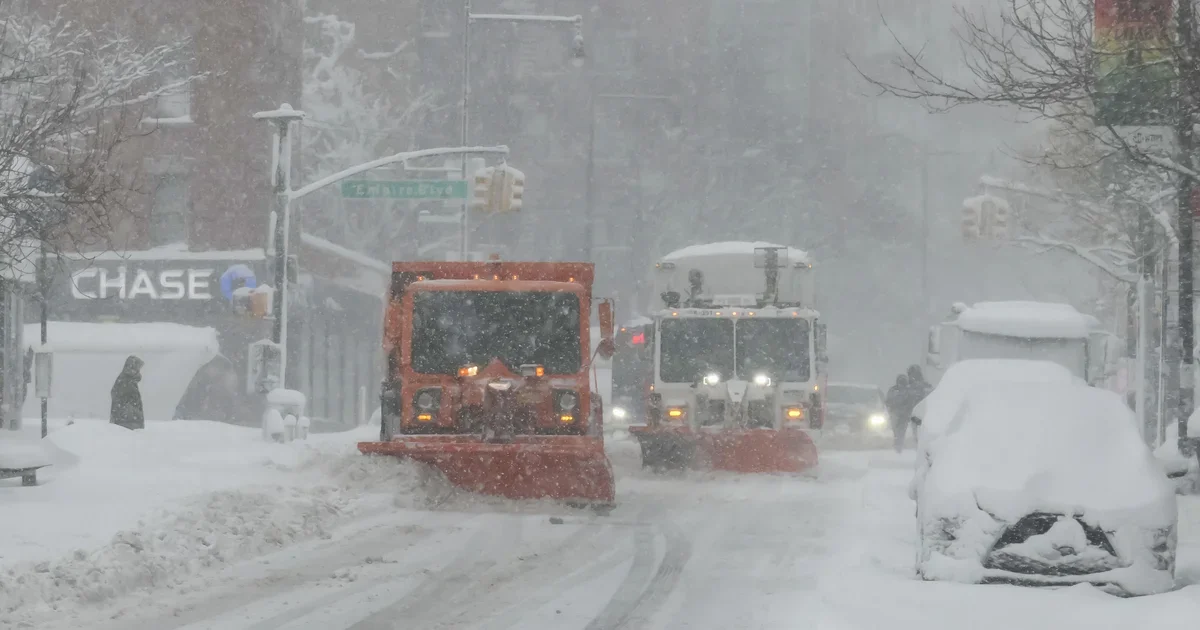
A brutal Northeast snowstorm crippled travel, closed schools, and left thousands without power as crews began digging out, while officials cautioned that dangerous conditions could linger.
After a nor'easter dumps roughly 15 inches of snow, Boston Public Schools are closed for Tuesday, Feb. 24 to give crews time to clear sidewalks and widen roadways; a snow emergency and parking ban remain in effect until 6 p.m. that day. Libraries, senior centers, and BCYF facilities reopen at noon on Feb. 24; other city buildings keep normal hours. Trash and recycling collection are delayed by one day. Space savers must be removed within 48 hours after the end of the emergency, with extra rules in the South End and Bay Village. Shelters run 24/7 with outreach and amnesty measures when temperatures fall below freezing; residents should call 911 for emergencies or 311 for non-emergencies.
A northeast winter storm dumped record snowfall in Providence (32.8 inches, surpassing the Blizzard of ’78) and delivered heavy snow across the Boston area in 12–24 inch ranges, with Logan Airport at 14.4 inches by 1 p.m. and strong gusts up to 83 mph on Cape Cod and surrounding areas. The snow is expected to taper off by evening as winds subside, followed by a cold, sunny day; a smaller system is possible midweek and a colder pattern persists into the weekend.
Massachusetts Gov. Maura Healey issued an executive order banning nonessential motor vehicle travel in several South Coast counties amid a severe blizzard, slashed the Turnpike speed limit to 40 mph, and mobilized state resources including redeploying plows and activating 150 National Guard members to aid snow removal and emergency response. Violators face up to a $500 fine, and the ban will be lifted when conditions are safe as a state of emergency remains in effect for much of the state.
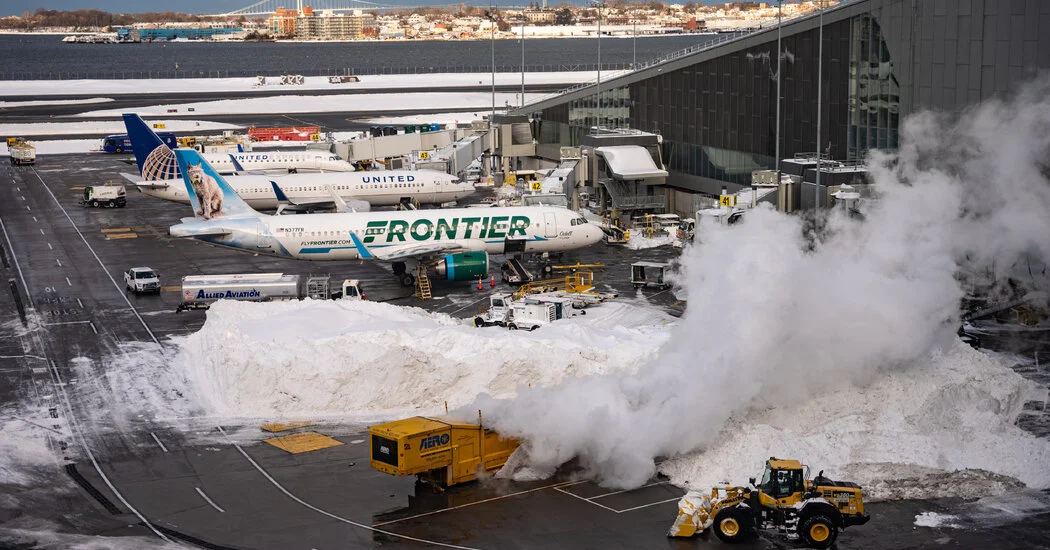
A massive winter storm slammed the Northeast and Mid-Atlantic with blizzard conditions, triggering widespread power outages (over 500,000) and more than 10,000 flight cancellations as major hubs in Boston, New York and Philadelphia grounded operations. Snow totals topped two feet in parts of New Jersey and Long Island (Babylon 29 inches; Freehold 26; NYC Central Park about 15 inches) and travel bans and road restrictions were imposed as residents were urged to stay home.
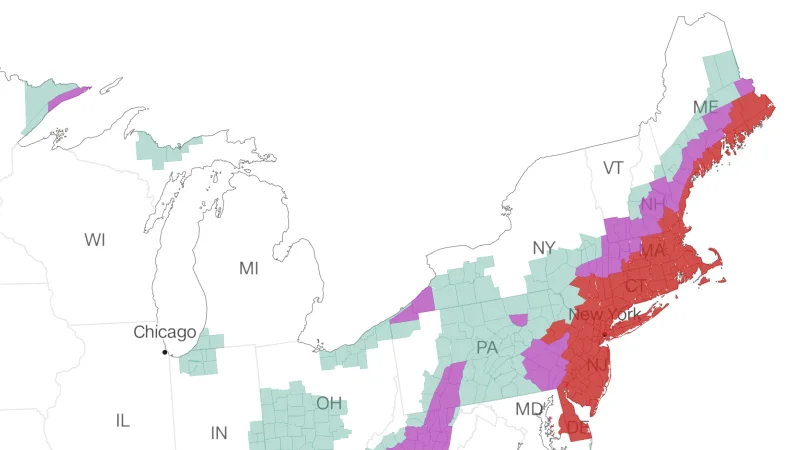
CNN tracks a February 2026 bomb cyclone sweeping the Northeast with heavy snowfall (many locations receiving over a foot, some over 2 feet), strong winds and widespread power outages, along with transit and airline disruptions, while live maps and charts update as the storm unfolds.
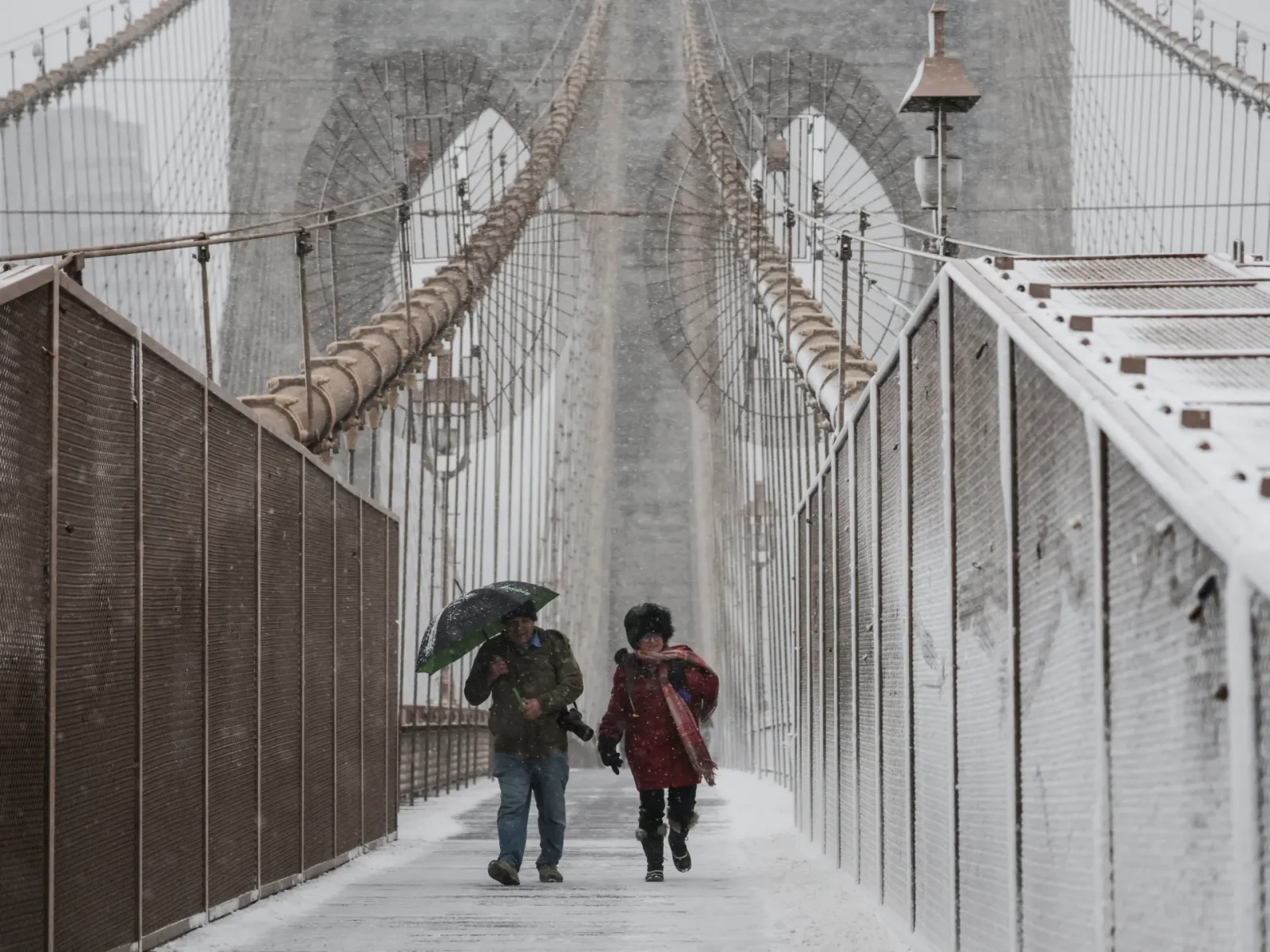
New York City declared a local state of emergency and ordered a citywide shutdown of streets and transit for all nonessential travel as a severe Northeast blizzard looms, bringing heavy snowfall, high winds, and the risk of widespread power outages; emergency declarations are in effect across several states and residents are urged to stay home.
New York City Mayor Zohran Mamdani ordered a citywide travel ban from Sunday night to Monday noon due to a major blizzard and canceled public school classes with no remote learning, announcing the snow day via a FaceTime call with a student. The city mobilized sanitation crews and warming centers, prioritized homeless sheltering, and prepared transportation disruptions, including suspending the Staten Island Ferry, while closing nonessential offices and libraries as crews brace for heavy snowfall.
A major winter storm moving through the Northeast on Sunday and Monday is expected to cause widespread travel disruptions, with thousands of flights canceled at major hubs like New York’s airports; airlines are waiving change fees for affected travelers, and Amtrak and bus services may cancel or adjust schedules.
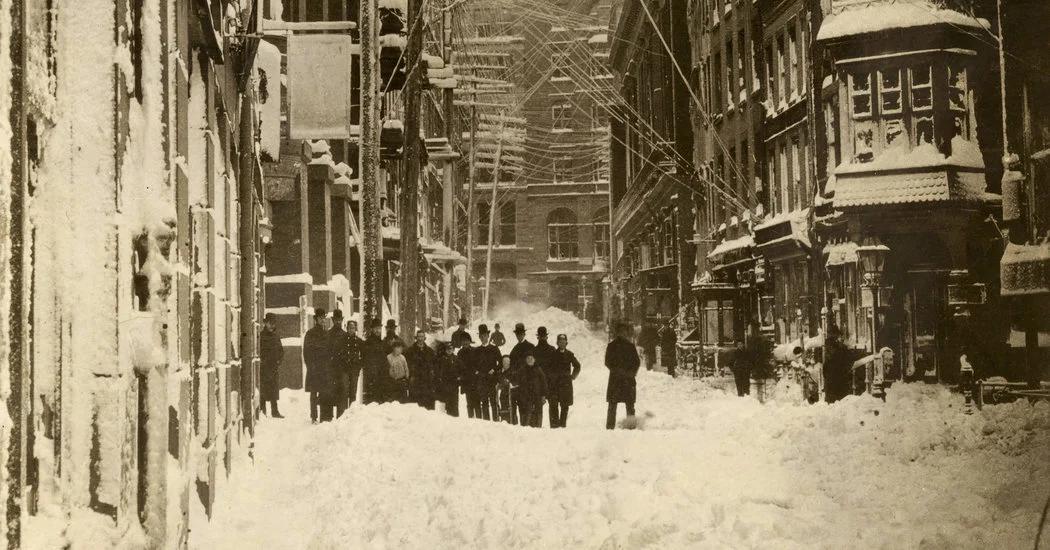
New York City is bracing for a weekend storm forecast to drop 12–20 inches (potentially 24+), with a blizzard warning—the first since 2017—while the piece recalls the five largest NYC snowstorms since 1869: 2016’s 27.5 inches; 2006’s 26.9 inches; 1947’s 26.4 inches; 1888’s 21 inches; and 2010’s 20.9 inches, noting mass outages, travel disruptions, and fatalities in several storms.
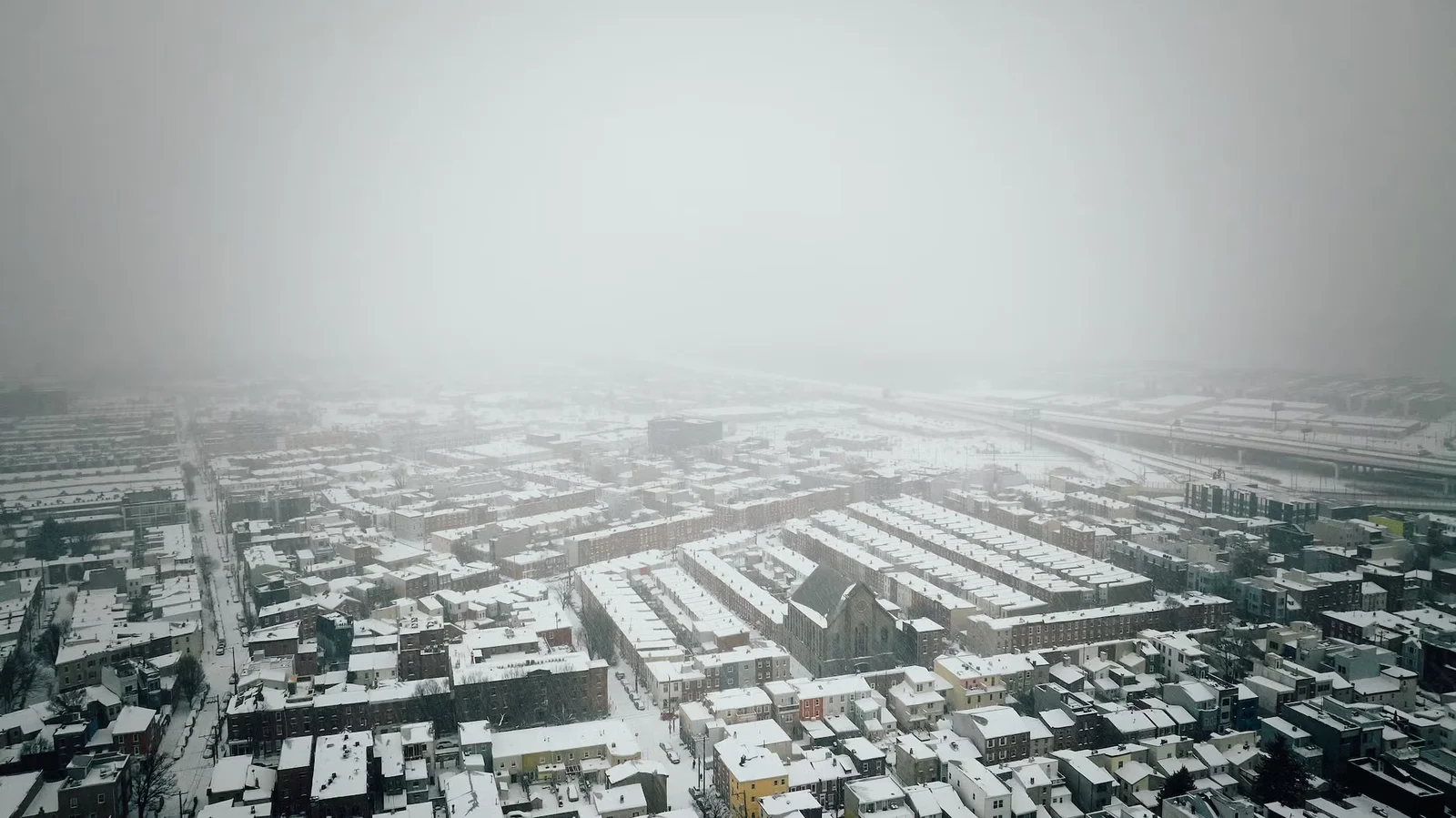
Philadelphia braces for a coastal snowstorm Sunday through Monday with heavy snowfall (up to about 18 inches in the city and 14–20 inches in parts of New Jersey and Delaware) and strong winds, plus coastal flooding. A city snow emergency, Blizzard/Winter Storm Warnings nearby, and a Code Blue for homelessness are in effect. The Philadelphia School District will shift to virtual learning Monday; major highways face travel restrictions; PATCO will run on a snow schedule; trash collection and some city services are paused or delayed. Shoveling rules require clearing sidewalks within six hours after snowfall ends, with fines for violations. Public safety resources and hotlines are provided.
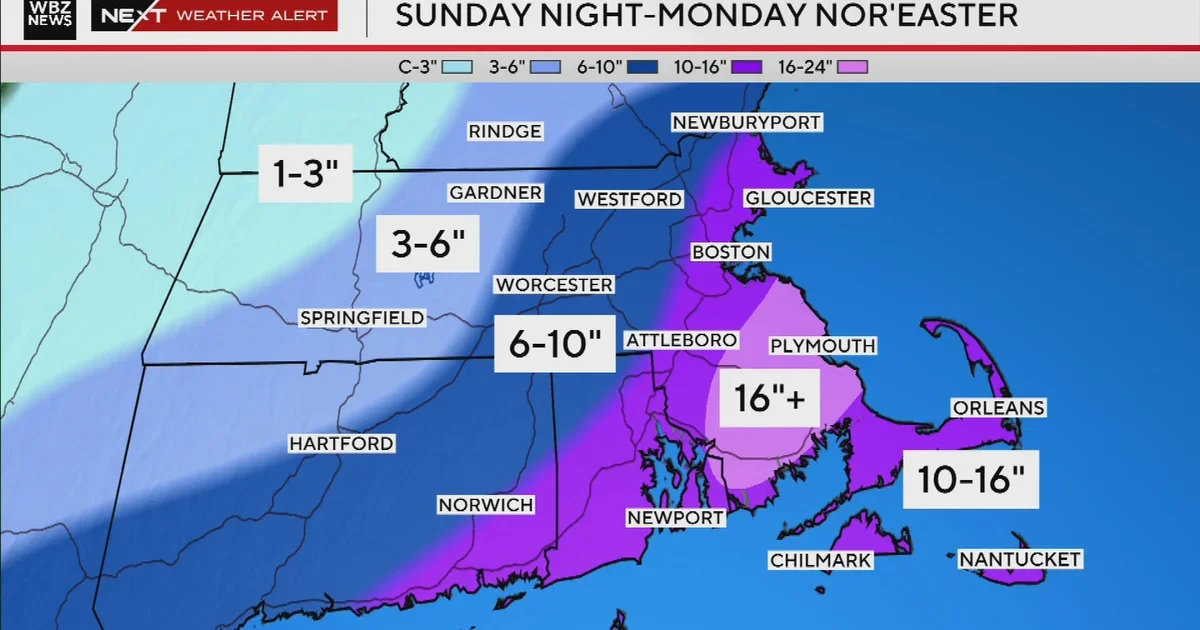
A major nor'easter could bring blizzard conditions to Boston Monday, with 10–16 inches of snow across eastern Massachusetts and heavier bands along the coast; winds of 55–70 mph could cause power outages and roof damage, especially near the shore and Cape Cod. The storm is expected to bombogenesis as it moves north-northeast from the South, with snow starting Sunday evening and peaking Monday morning through the afternoon before tapering. A jackpot zone around Plymouth and Bristol counties could push totals over 16 inches, and coastal flooding is possible during Monday afternoon and Tuesday morning high tides.
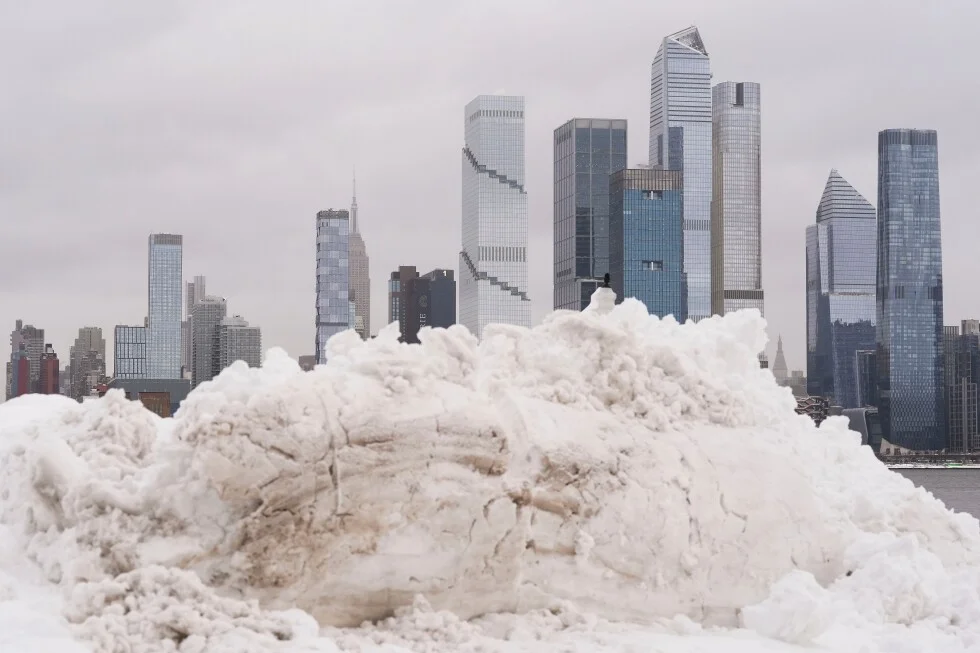
Right-wing critics, led by the New York Post, blame Mayor Zohran Mamdani for slow snow clearance after a major storm, while the mayor and city officials cite record cold and ongoing sanitation crews as they continue clearing streets.