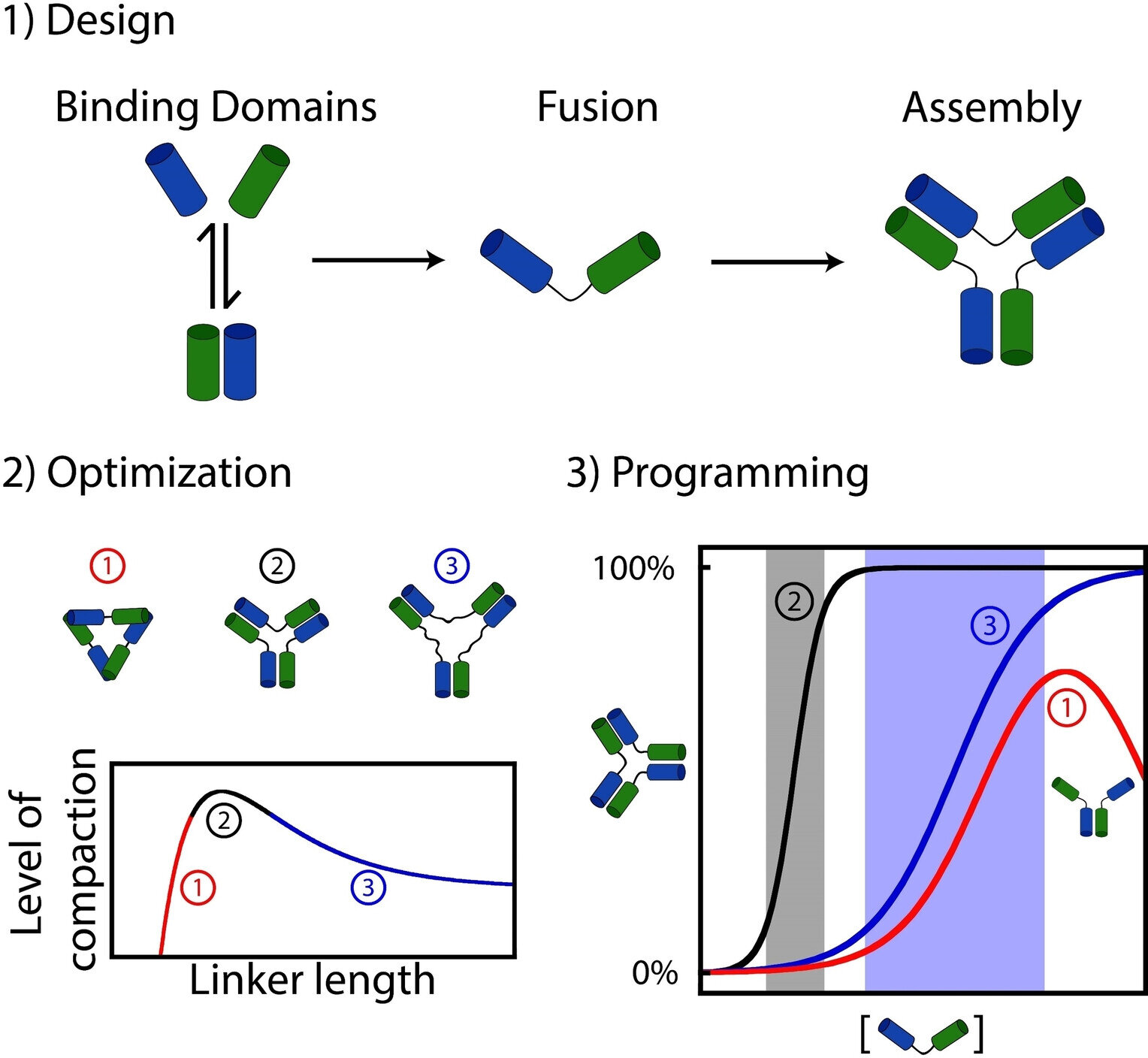
Scientists at Université de Montréal have discovered that molecular systems at the origin of life may have evolved by randomly attaching interacting molecules with linkers, creating complex self-regulating functions. By exploring the impact of connectivity, they found that a simple variation in linker length between molecules leads to significant variations in assembly dynamics, including self-inhibition properties. This discovery provides a fundamental framework to create more programmable nanomachines and sheds light on how natural biomolecular assemblies may have acquired their optimal dynamics.
Researchers are exploring the field of hybrid peptide-DNA nanostructures to create artificial life forms with potential applications in viral vaccines and disease-treating nanomachines. These innovations could revolutionize healthcare by providing new tools for diagnosing and treating diseases. The combination of DNA and peptides allows for precise control and chemical functions, making them powerful building blocks for creating advanced biological entities. Scientists worldwide are making advancements in connecting DNA and peptides, paving the way for the development of hybrid nanomachines, viral vaccines, and even artificial life forms to combat difficult-to-cure diseases.
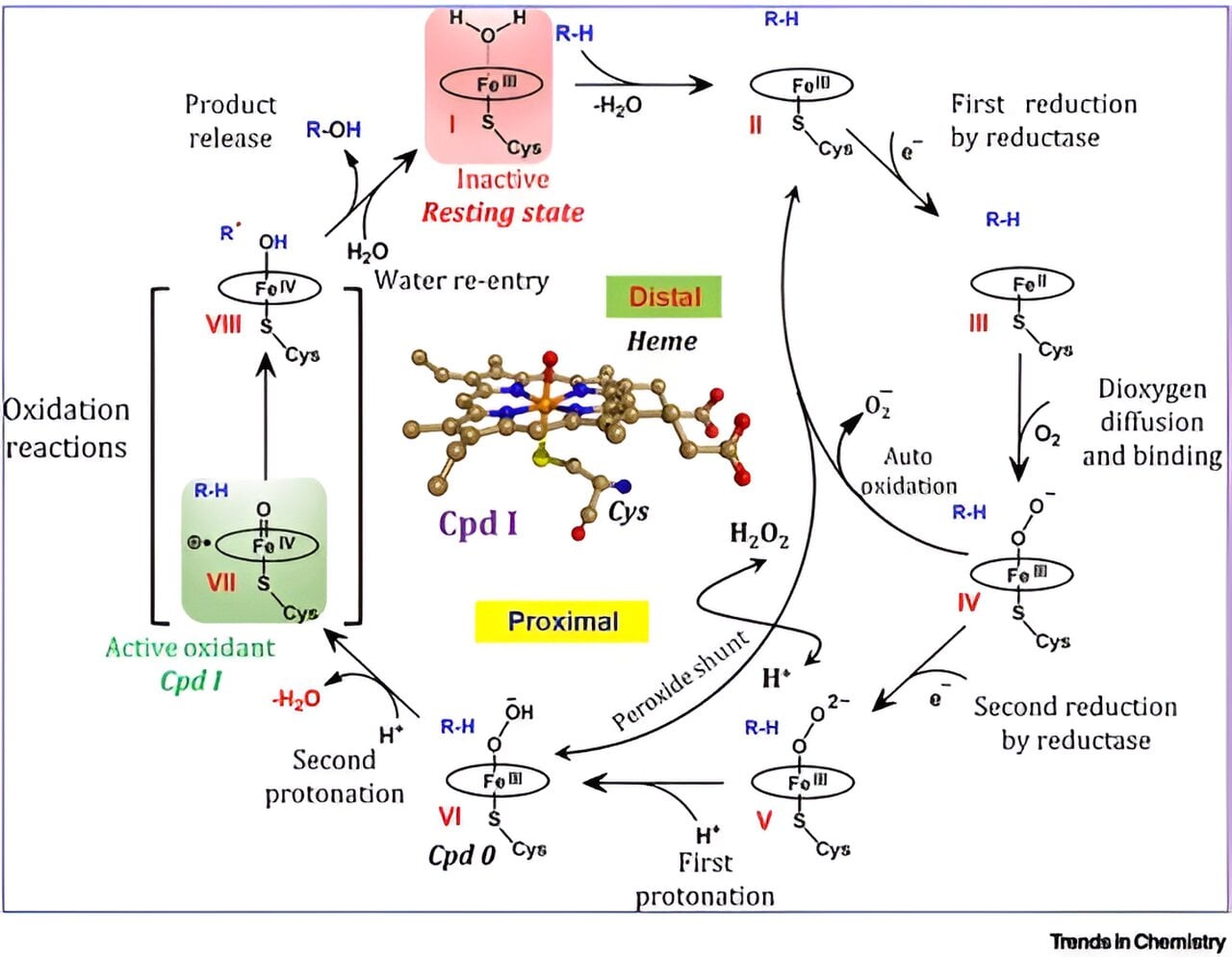
Molecular-dynamics simulations of Cytochromes P450 (CYP450s) enzymes have revealed that these enzymes possess unique soft-robotic properties, making them nanomachines within living organisms. The simulations demonstrated that CYP450s have a fourth dimension of sensing and responding to stimuli, allowing them to act as soft robots in "living matters." This discovery opens up new avenues in soft-robotics research and has implications for fields such as artificial intelligence design and the synthesis of self-evolving polymers and gels.