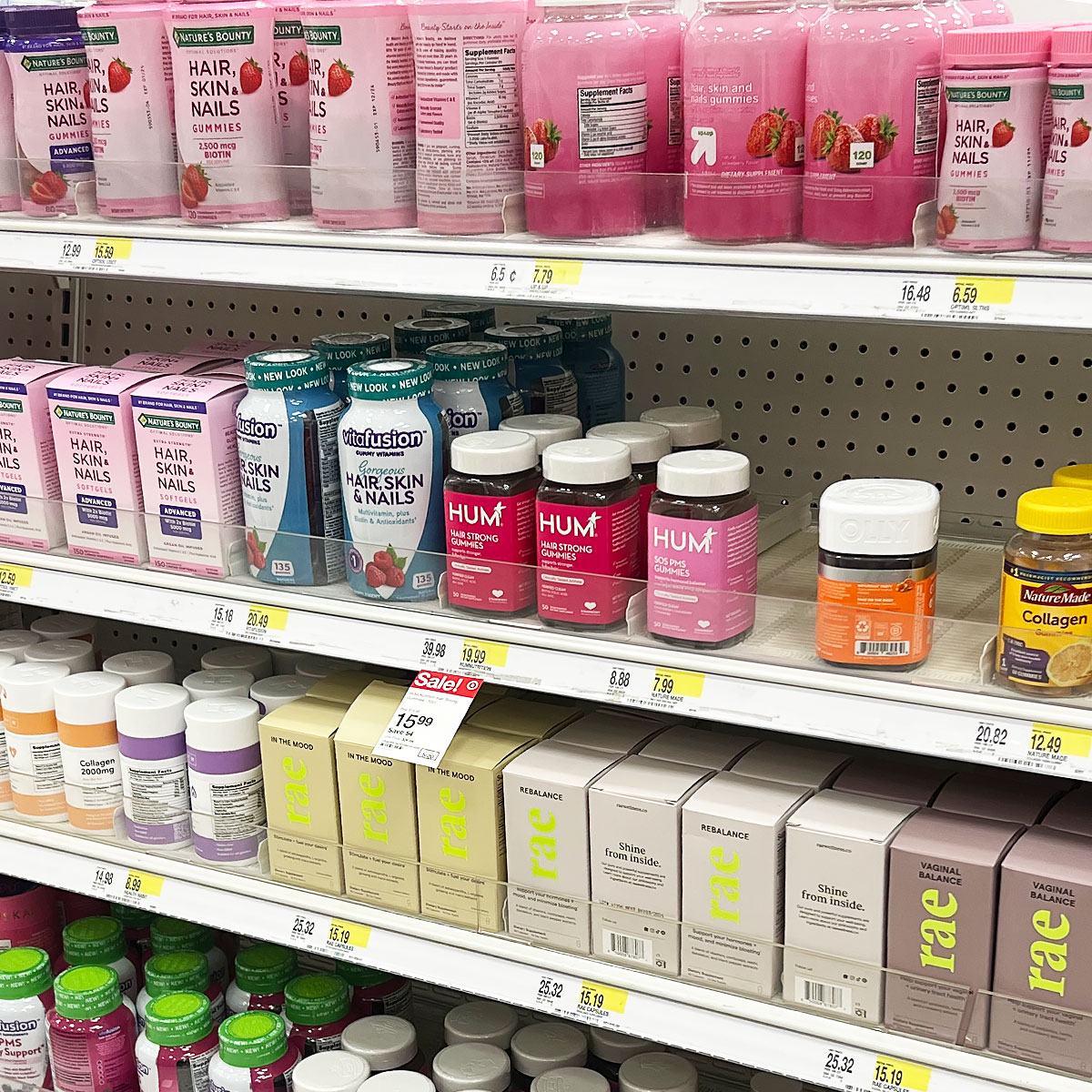
Biotin supplements are often marketed for improving hair and nail health, but most people get enough from a balanced diet, and supplements mainly benefit those with a deficiency. While biotin supports keratin structure and metabolic functions, evidence for its effectiveness in healthy individuals is limited, and excess intake can interfere with lab tests. It is safest to consult a healthcare provider before taking biotin supplements, especially during pregnancy or if deficiency is suspected.
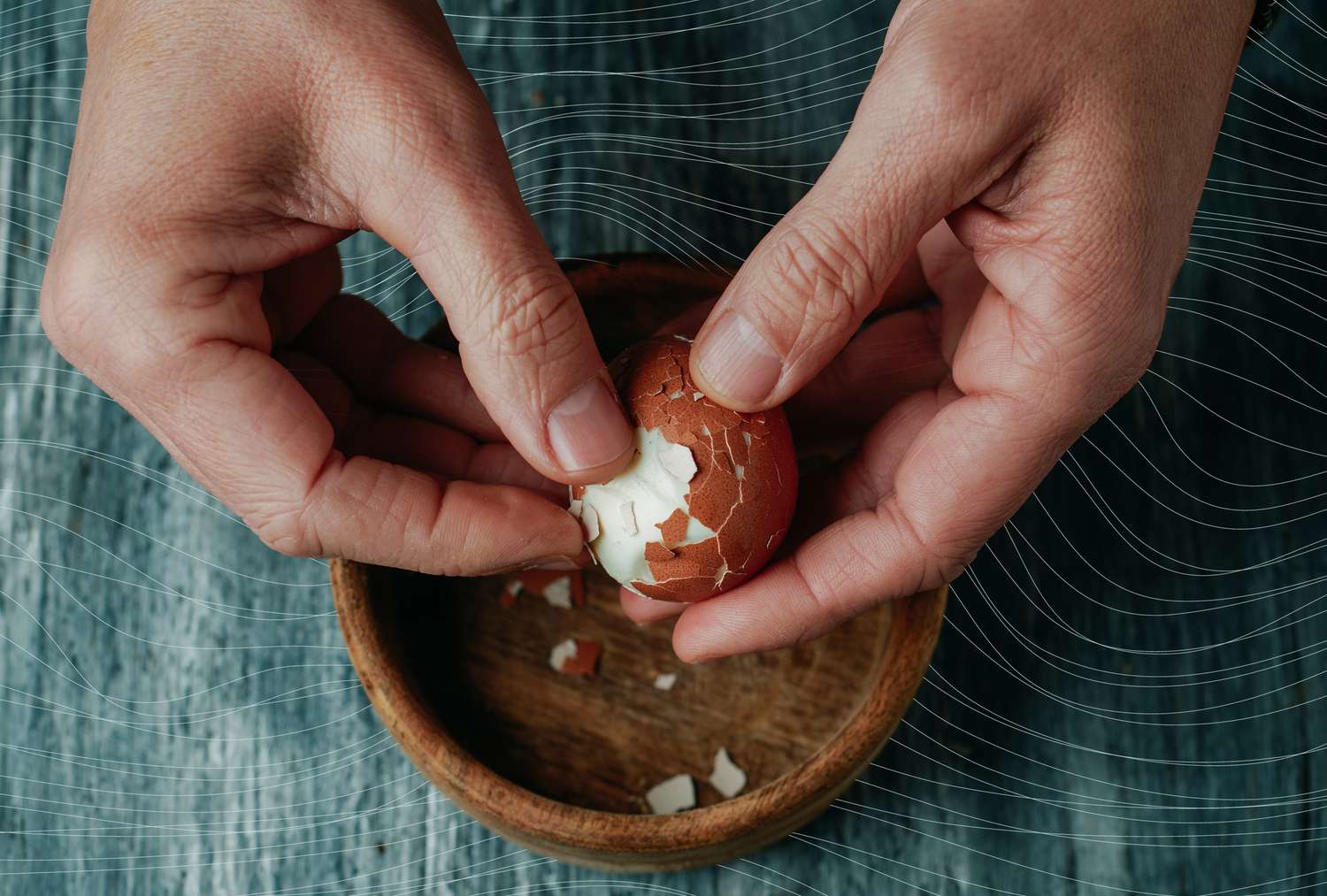
To maintain healthy nails, it's important to consume a diet rich in protein, iron, and vitamin C, which are found in foods like Greek yogurt, beef, bell peppers, peas, eggs, and salmon. These nutrients help build keratin and collagen, essential for strong nails. While supplements are available, dietitians recommend obtaining these nutrients from whole foods for better overall health benefits.
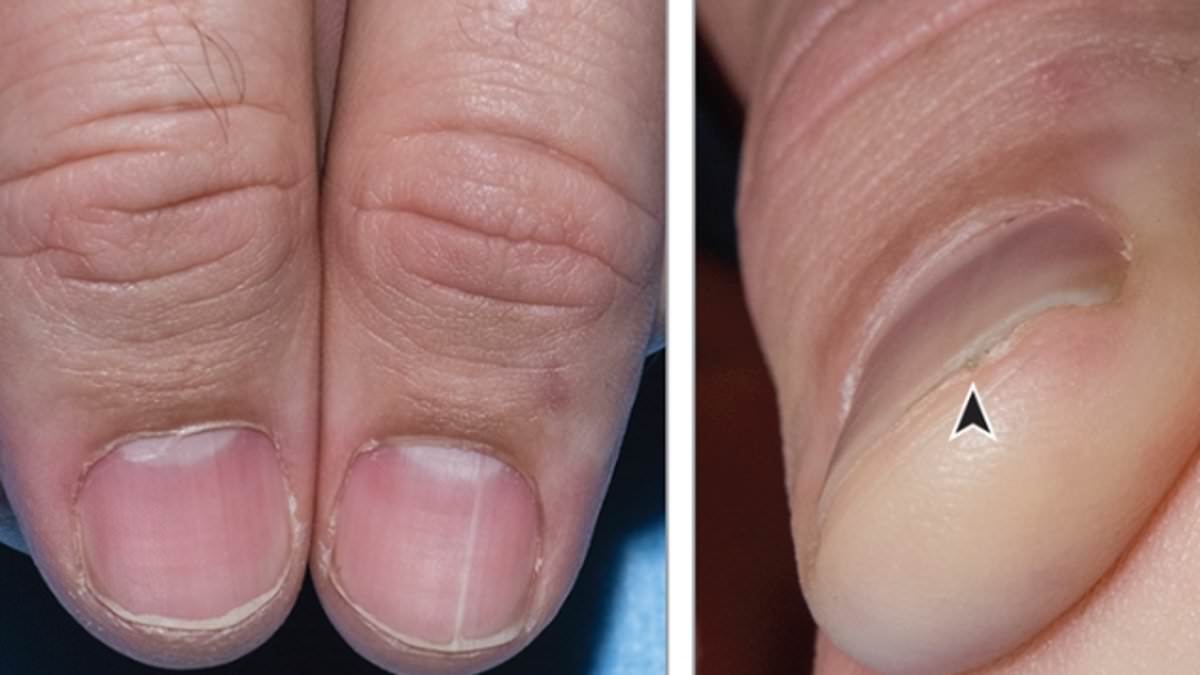
New research from the NIH suggests that faint white lines on fingernails could indicate a rare genetic condition, BAP1 tumor predisposition syndrome, which increases the risk of various cancers, including kidney, skin, and eye cancers. The study found that 88% of people with this genetic disorder had abnormal nail markings, such as a thin white line running the length of the nail, often associated with benign tumors. This condition affects fewer than 100 American families and is linked to more aggressive and early-onset cancers.
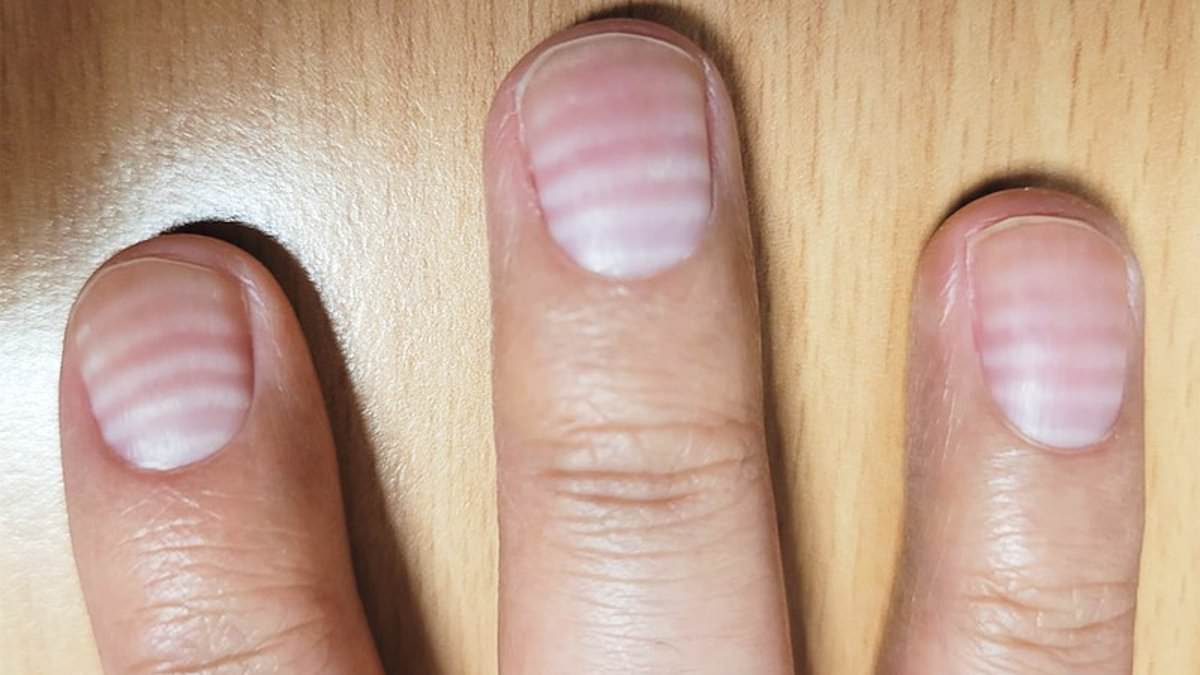
A cancer patient's concern over white lines on his fingernails led doctors to diagnose him with transverse leukonychia, a benign condition caused by chemotherapy drugs. While the patient's nail changes were harmless, marks, bruises, and lines on fingernails can sometimes indicate cancer or other health issues. Fingernail abnormalities can also be signs of heart problems, circulation issues, infections, or nutritional deficiencies. Regular self-examination of nails and maintaining good nail hygiene is recommended to monitor for any warning signs.
In the "Ask a Doctor" column, various health topics were addressed, including the use of magnesium supplements, normal bowel movements, skincare routines, wiping after using the bathroom, nail health, vitamin B12 supplements for fatigue, sugar cravings, hand tremors, fecal incontinence, and the safety of letting dogs lick faces. The doctor provided advice such as eating magnesium-rich foods instead of relying on supplements, using bidets for hygiene, following a simple skincare routine, incorporating various flavors to curb sugar cravings, and increasing fiber intake for bowel health. The article also emphasized the importance of discussing individual health concerns with a healthcare professional.
Yellow nails can have various causes, including external factors like nail polish, smoking, or fungal infections, as well as underlying health conditions such as thyroid disorders or rheumatoid arthritis. At-home remedies like hydrogen peroxide or baking soda soaks can help with temporary staining, but yellow nails associated with fungal infections or underlying health conditions require diagnosis and treatment from a healthcare provider. Proper nail hygiene, limiting nail polish use, wearing gloves, and treating underlying health conditions can help prevent yellow nails. If yellow nails persist or are accompanied by other symptoms, it is recommended to consult a healthcare provider for proper diagnosis and treatment.
Our nails can provide valuable insights into our overall health, with various nail changes indicating underlying conditions. Examples include dark vertical streaks (splinter hemorrhages) associated with heart valve infections, horizontal ridges (Beau's lines) linked to major illnesses or chemotherapy, and pitted, discolored nails indicating nail psoriasis. Brittle nails are more common in women and older individuals, while white, yellow, or brown nails may signal a fungal infection. Half-and-half nails (Lindsay's nail) can be a sign of kidney disease. It's important to consult a healthcare provider for proper diagnosis and treatment. Additionally, certain manicure practices, such as cuticle removal, gel manicures, and biotin supplements, may have negative effects on nail health.
A dermatologist recommends four essential nutrients for maintaining healthy hair and nails: biotin, zinc, iron, and pumpkin seed oil. While it's best to obtain these nutrients from natural food sources, supplements can be beneficial if needed. Biotin boosts collagen production and hair growth, zinc is critical for hair growth, pumpkin seed oil aids in hair growth for thinning hair, and iron promotes healthy hair growth by boosting circulation. A multivitamin can also be beneficial for overall health.
Recent research suggests that UV-emitting lamps used to cure gel polish may cause cell damage that can lead to skin cancer. However, the findings are not conclusive proof that the effect would be 100% the same in real life. Experts recommend wearing fingerless UV-protective gloves and slathering hands in a broad-spectrum sunscreen, as well as being aware of medications that can increase the risk of sunburn. Alternatives to gel manicures include at-home long-wear polishes and dip powder manicures.
Moisturizing your cuticles is an essential step in nail care as it provides a barrier around the nail bed and protects it from bacteria. Neglecting cuticle care can lead to irregular nail growth. Applying a fragrance-free body or cuticle oil to the nails every morning and evening can help keep cuticles hydrated and promote nail growth. The mbg dry body oil is a great option for dual function as it deeply hydrates cuticles without leaving a greasy or sticky residue.