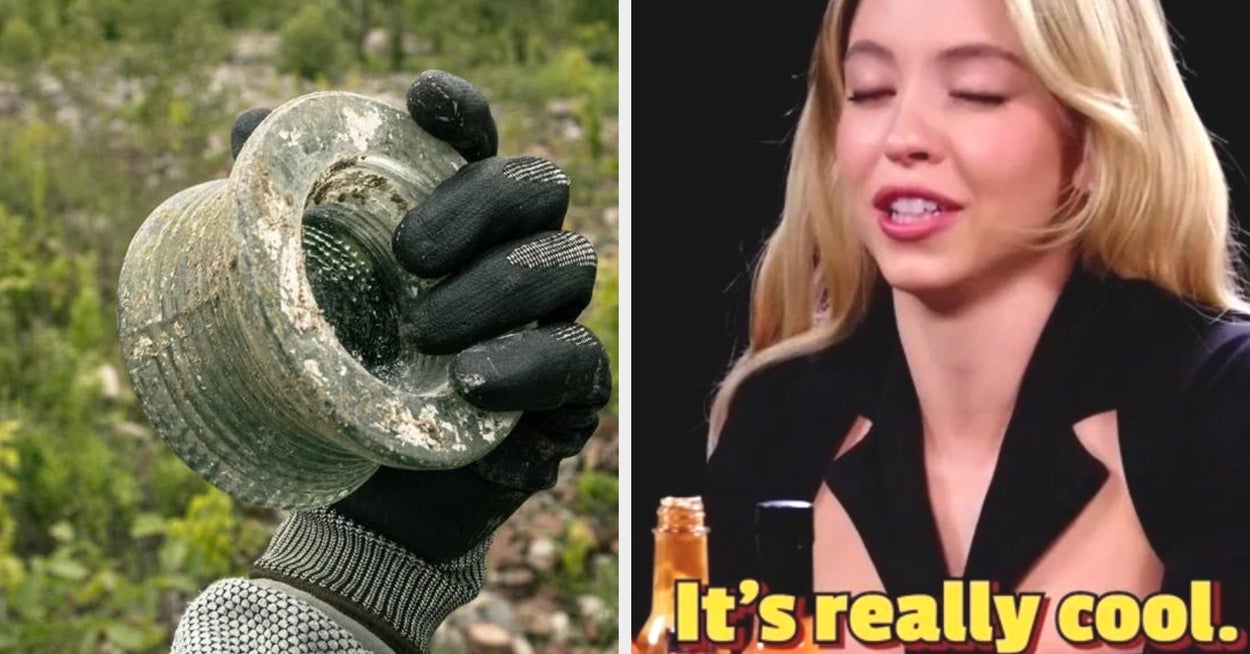
The article showcases 49 bizarre and intriguing items discovered and identified by internet users, ranging from household objects and tools to unique artifacts, highlighting the curiosity and resourcefulness of online communities in solving everyday mysteries.
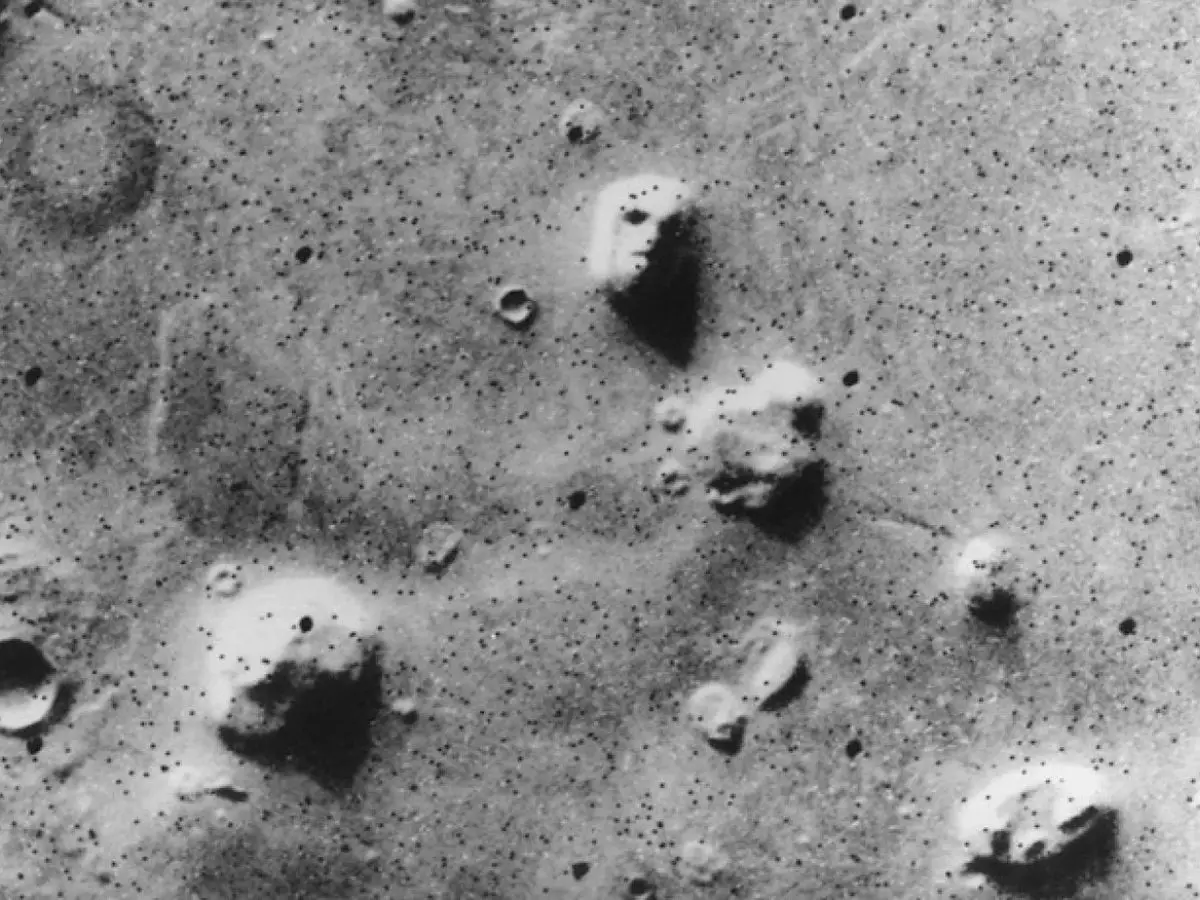
NASA has discovered strange and unexplained features on Mars, including mysterious doorways and faces, which have sparked curiosity and speculation about potential signs of past life or alien activity.
Hallmark is celebrating Loveuary 2024 with four Jane Austen-inspired movies, including a new adaptation of "Sense and Sensibility," along with two new mysteries and a modern romance film. The lineup features stories of romance, mystery, and culinary passion, all set to premiere throughout February.
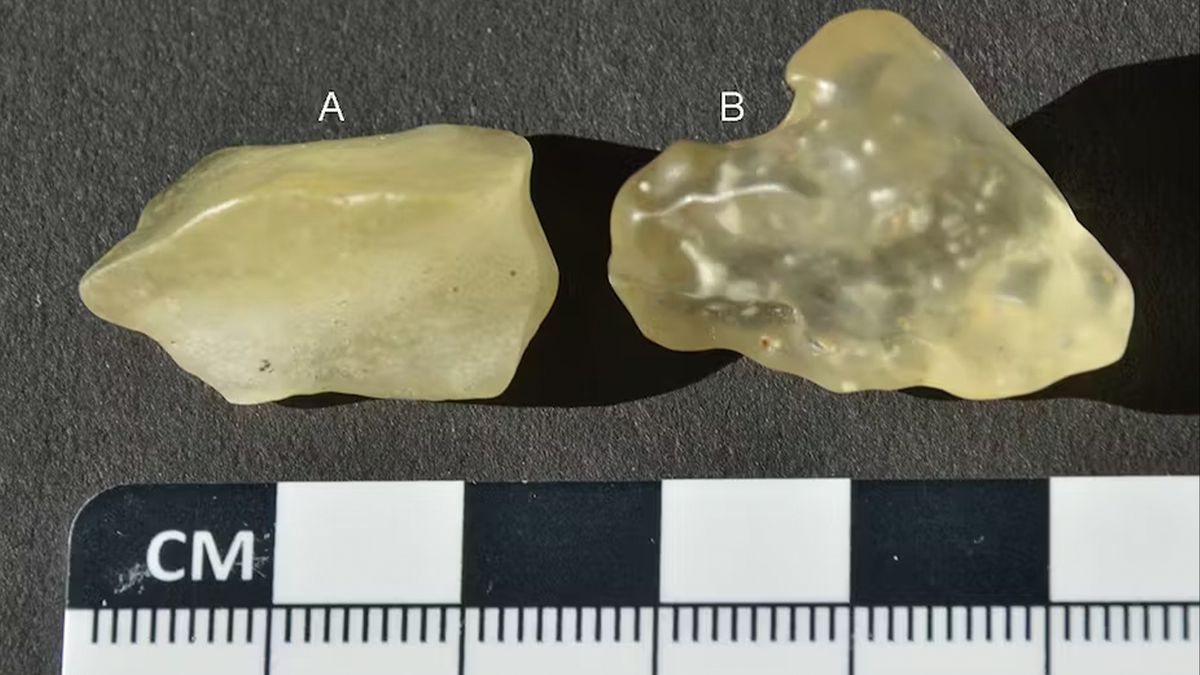
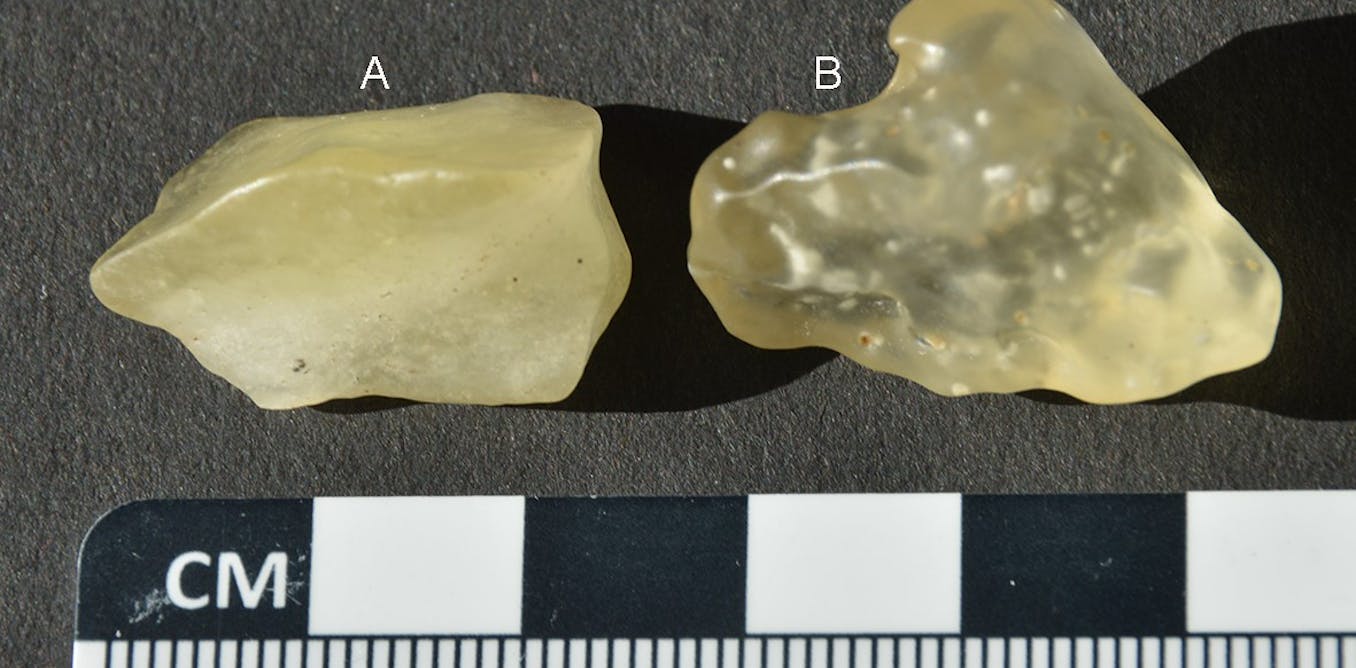
Libyan desert glass, a mysterious yellow glass found in the Libyan desert, has long puzzled scientists about its origin. A recent study using advanced microscopy techniques has identified the glass as originating from a meteorite impact on Earth's surface. The study found minerals in the glass that can only form under high temperature and pressure conditions, providing evidence for the meteorite impact theory. However, the exact location and size of the parental crater remain unknown, leaving more mysteries to be solved.
Libyan desert glass, a mysterious yellow glass found in the Libyan desert, has been the subject of debate among scientists for almost a century. Advanced microscopy technology has now revealed that the glass originated from a meteorite impact on Earth's surface. The study identified different types of zirconium oxide minerals in the glass, indicating high temperatures and pressures that can only be achieved through a meteorite impact or atomic bomb explosion. However, the location of the parental crater, where the meteorite hit, remains unknown, posing more mysteries to be solved.
Scientists have used advanced microscopy technology to determine that Libyan desert glass, a rare and mysterious yellow glass found in the Great Sand Sea Desert, originated from a meteorite impact on Earth's surface. The glass, close to 29 million years old, contains small minerals such as cubic zirconia and ortho-II, which can only form under high temperature and pressure conditions. However, the exact location of the parental crater, where the meteorite hit, remains unknown, posing more questions for future investigations.