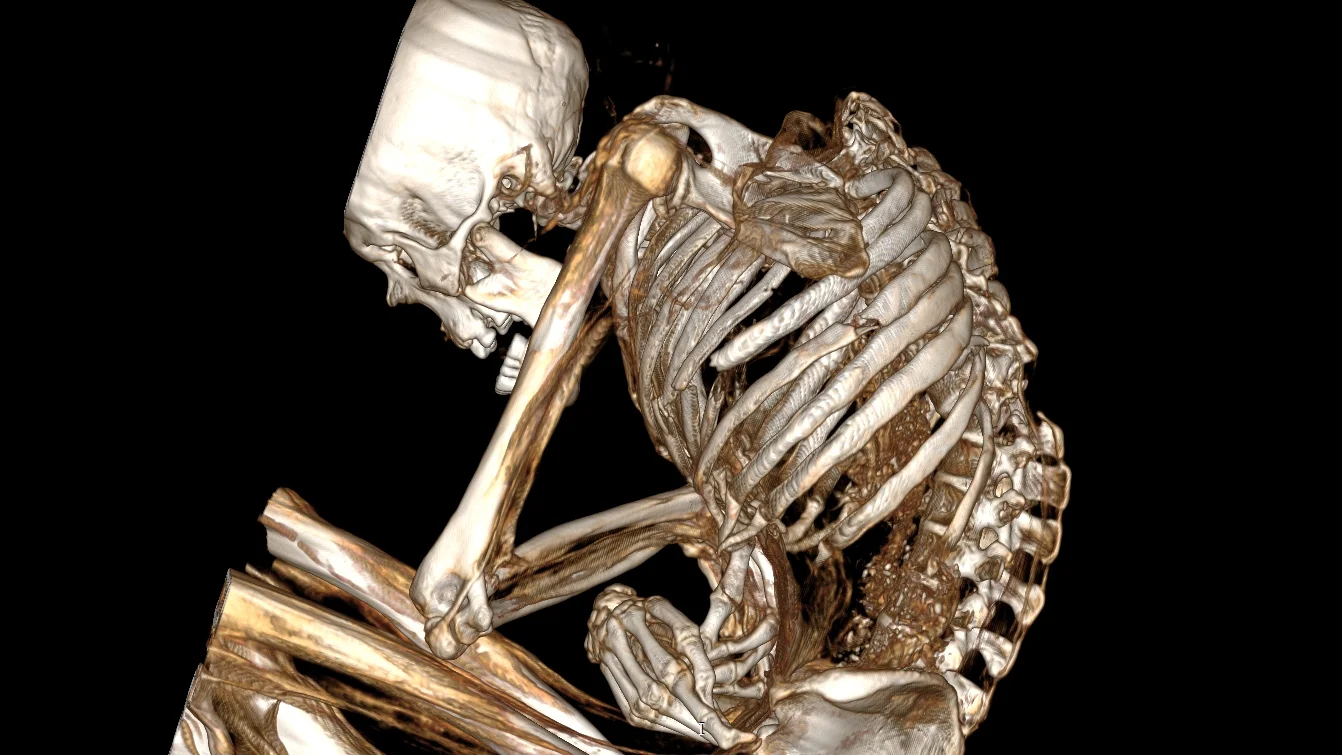
A 1,100-year-old mummy of a miner found in Chile shows he died from extensive blunt-force trauma likely caused by a mine collapse, with CT scans revealing injuries consistent with a rockfall during turquoise extraction in ancient times.
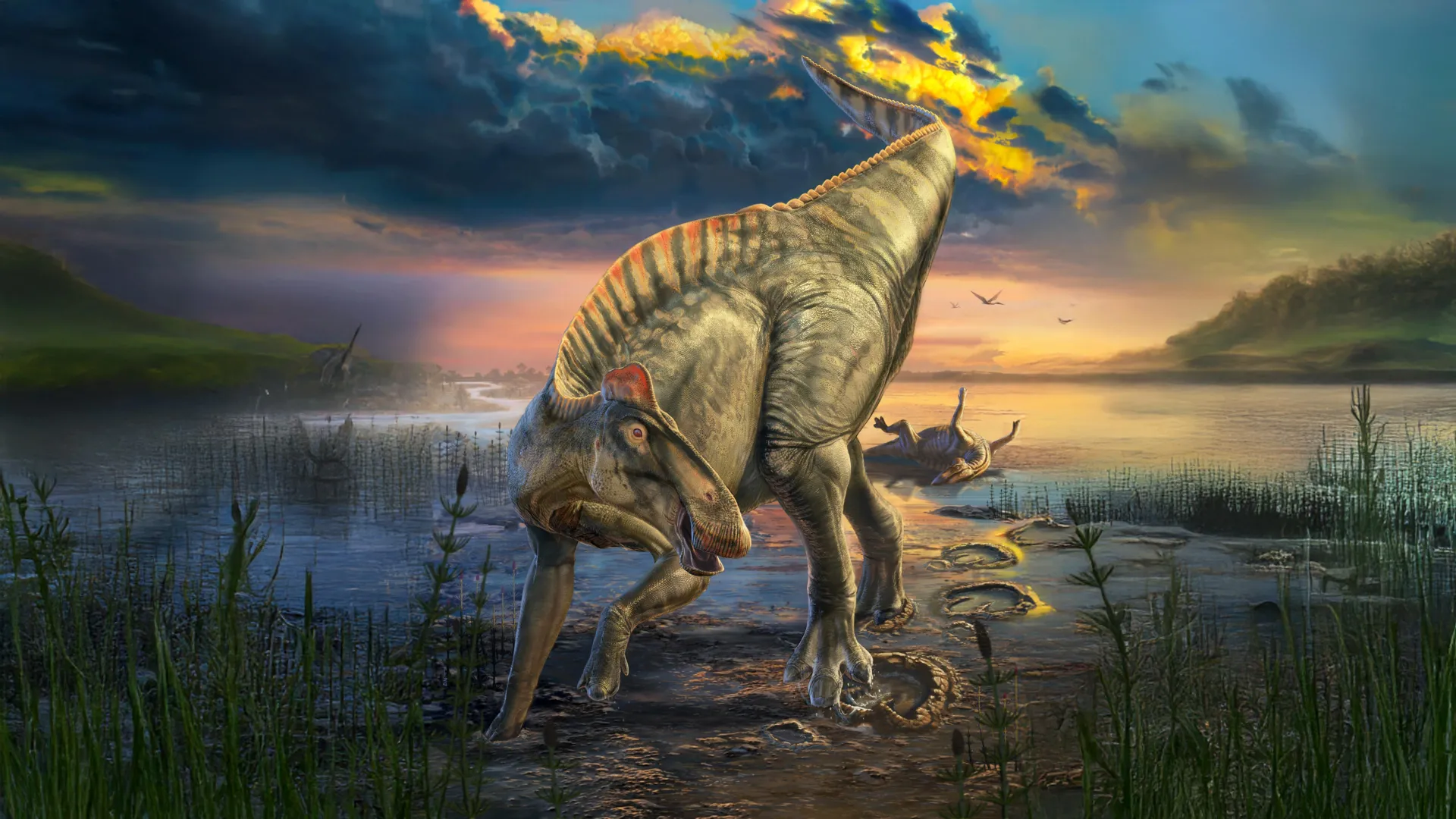
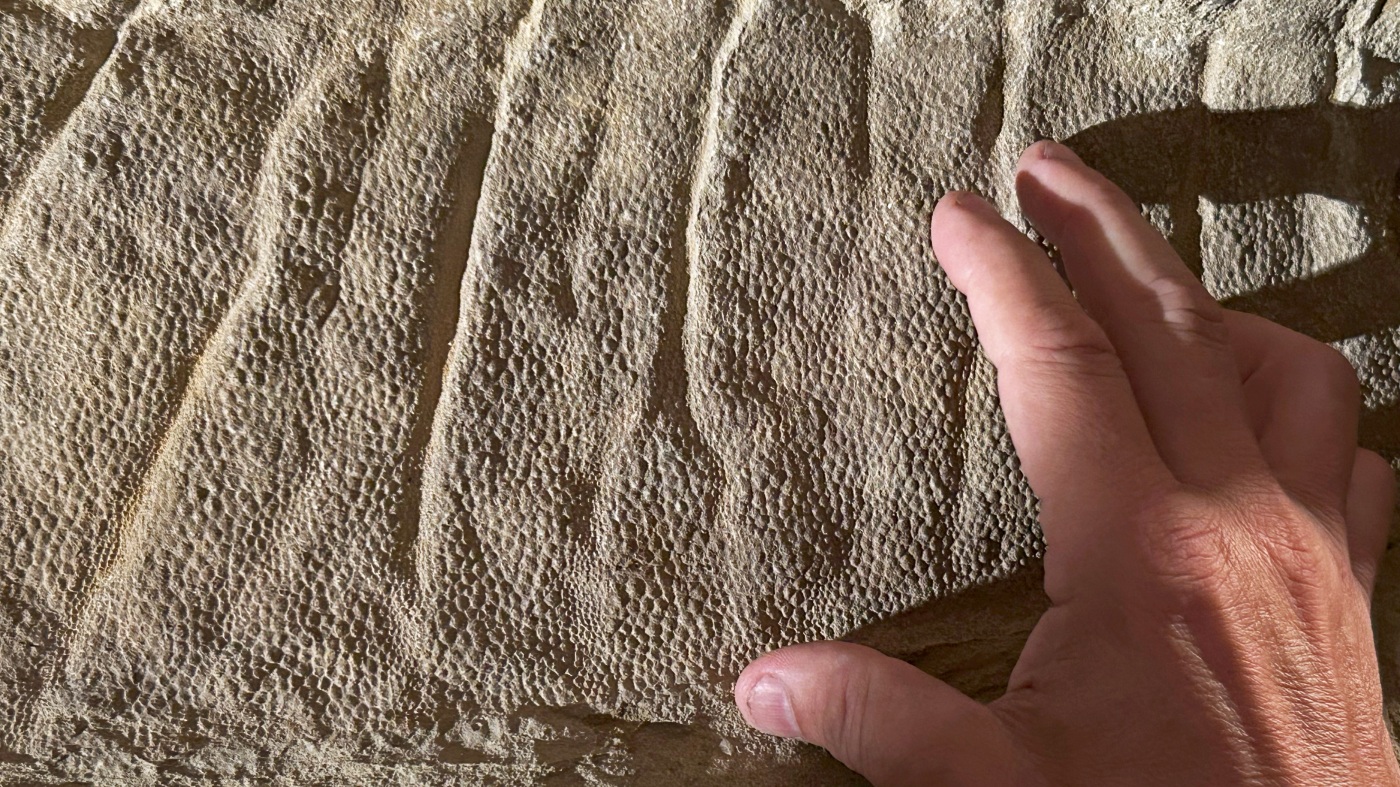
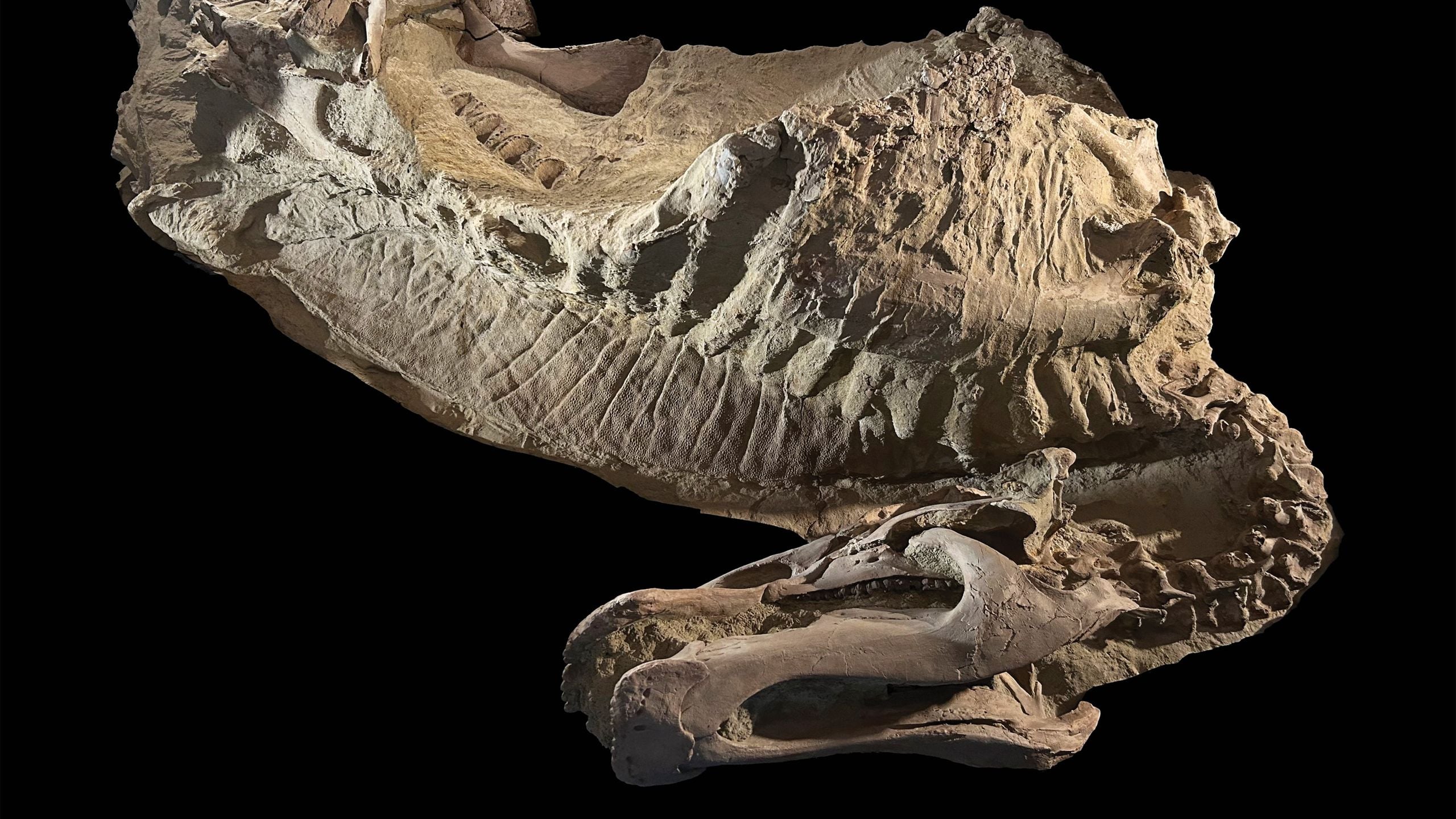
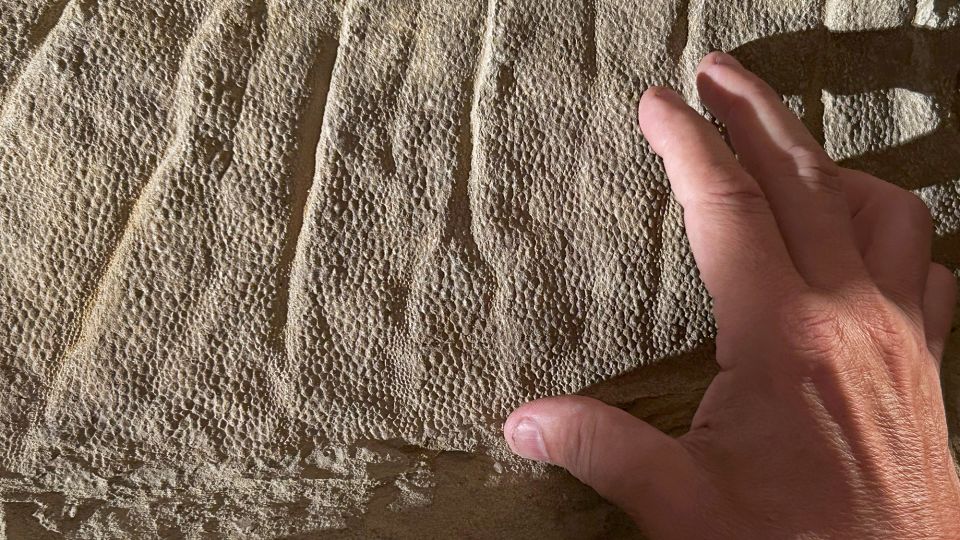
Researchers from the University of Chicago discovered remarkably detailed dinosaur mummies of Edmontosaurus, preserved through a process called clay templating that captured soft tissues, skin, and even hooves, providing unprecedented insights into the dinosaur's appearance and anatomy.
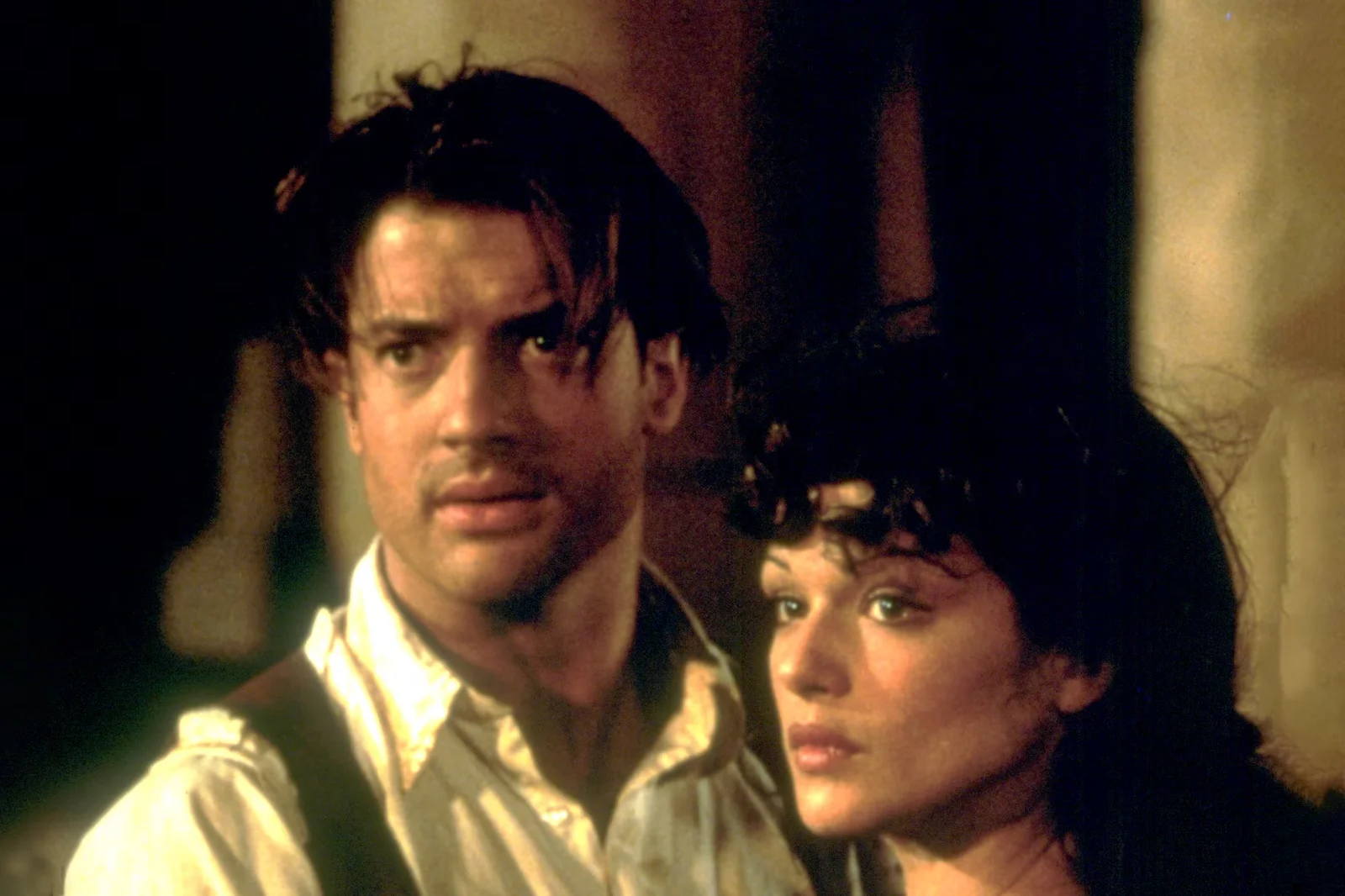
Brendan Fraser and Rachel Weisz are returning for a fourth Mummy film, directed by Matt Bettinelli-Olpin and Tyler Gillett, with plot details still under wraps. The franchise, originating in 1999, has seen multiple sequels and a failed reboot attempt, but remains popular, with the new installment promising an adventurous story set partly in Egypt.
Paleontologist Paul Sereno and his team uncovered new details about the appearance of the duck-billed dinosaur Edmontosaurus annectens by studying two specimens, including the only juvenile dinosaur mummy ever found, with the help of historical archives and local ranchers, revealing intricate details of its anatomy and preservation.
Scientists discovered the first complete fossilized mummies of hoofed dinosaurs, specifically juvenile and adult Edmontosaurus specimens in Wyoming, providing unprecedented insights into their biology, movement, and the presence of hooves, which were confirmed through advanced imaging techniques.
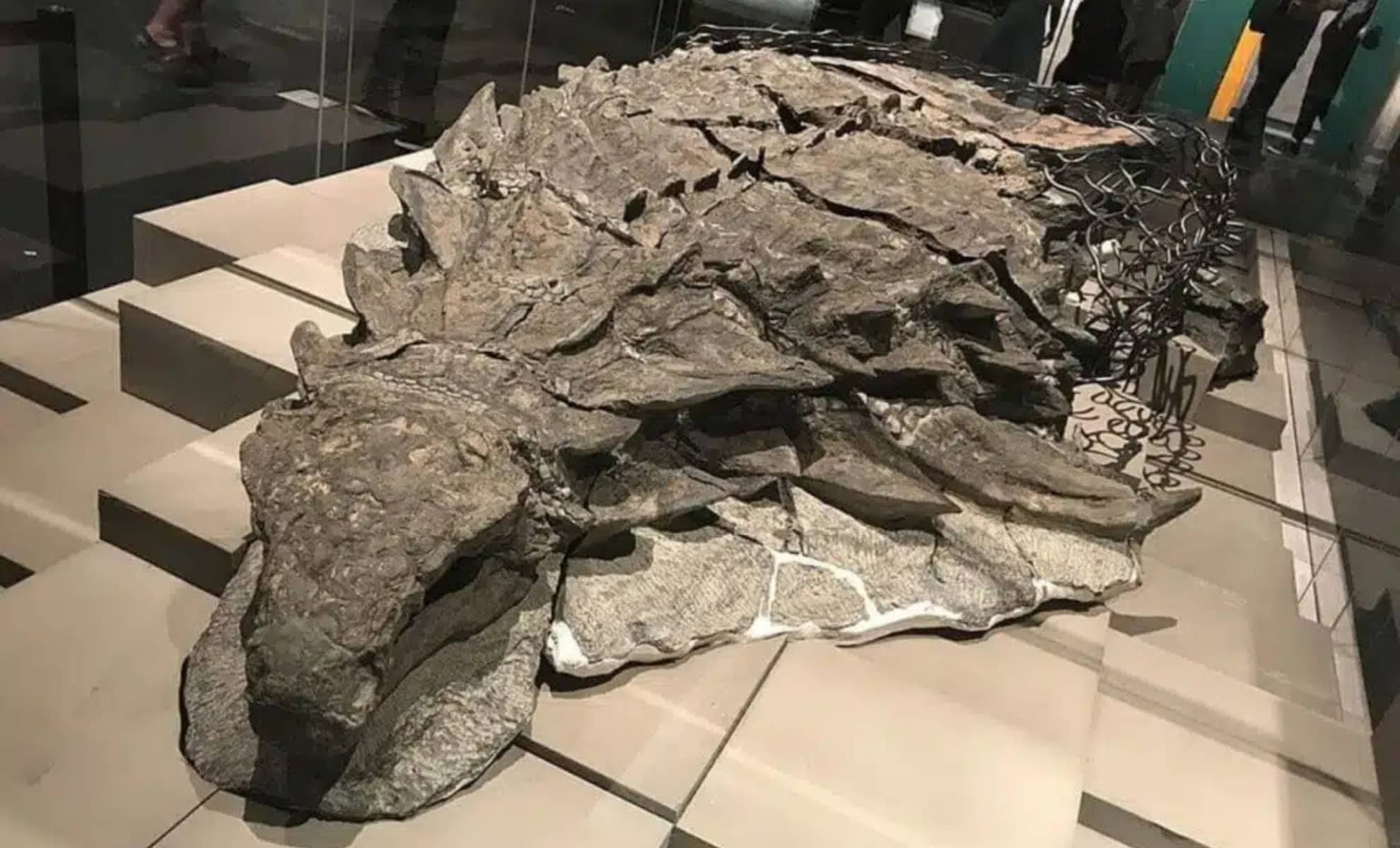
A remarkably well-preserved 110-million-year-old dinosaur mummy, including skin and internal organs, was discovered in Canada, providing unprecedented insights into the anatomy and preservation of armored dinosaurs like the nodosaur, and highlighting the exceptional fossilization conditions near marine environments.
Scientists discovered that 66-million-year-old dinosaur 'mummy' skin was actually a thin layer of clay that formed a perfect mask, preserving detailed features like scales, hooves, and spikes, providing new insights into dinosaur preservation and appearance.
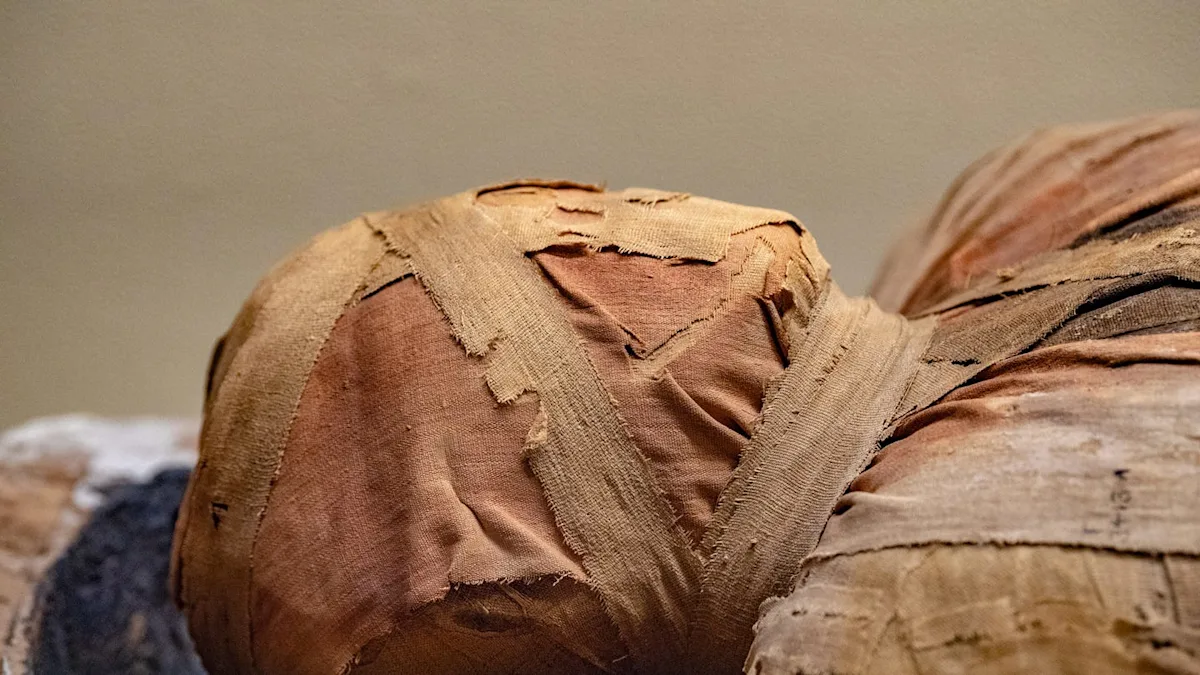
Archaeologists in Naples unsealed a 2,000-year-old sarcophagus from the Tomb of Cerberus, discovering a well-preserved mummy covered in a shroud and surrounded by burial goods, offering new insights into ancient funerary practices and social life through ongoing scientific analysis.
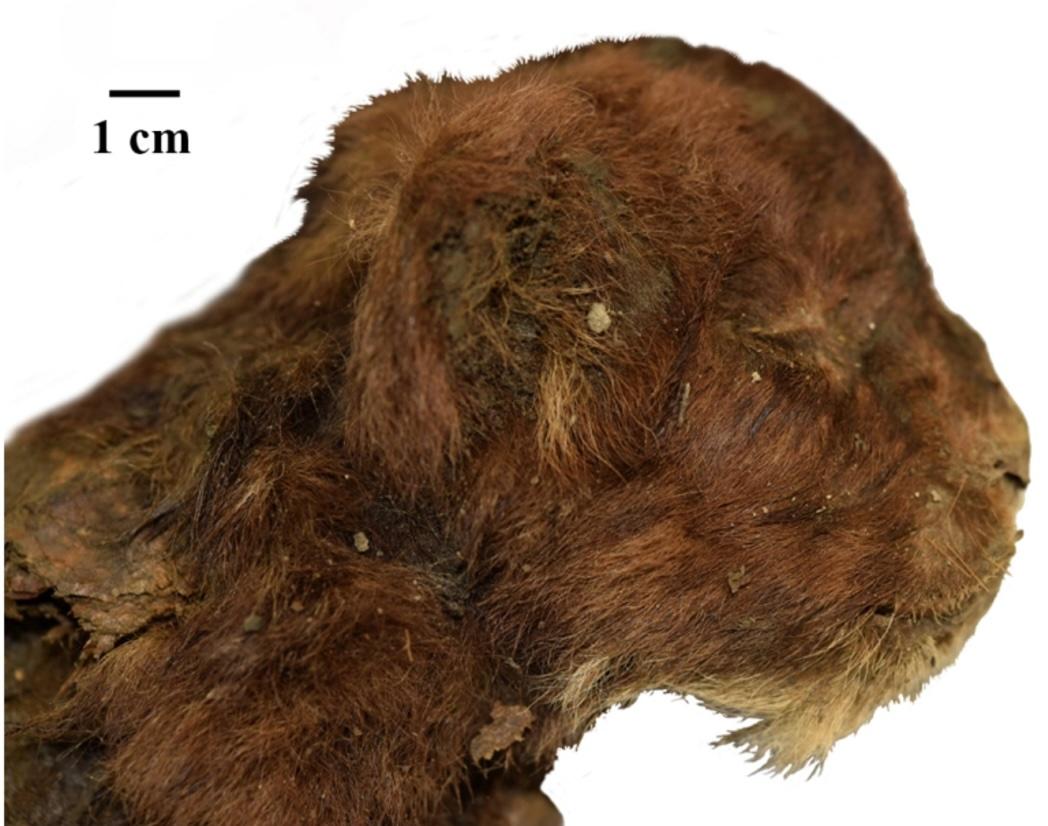
A 35,000-year-old saber-toothed kitten mummy was discovered in Siberia's permafrost, offering scientists a unique opportunity to study its muscles, skin, and fur. The well-preserved Homotherium kitten, identified through CT scans, was only three weeks old and had distinct features like deep brown fur and square paw pads. This find provides new insights into saber-toothed cats, which are not related to modern cats, and researchers hope to uncover more such mummies in the future.
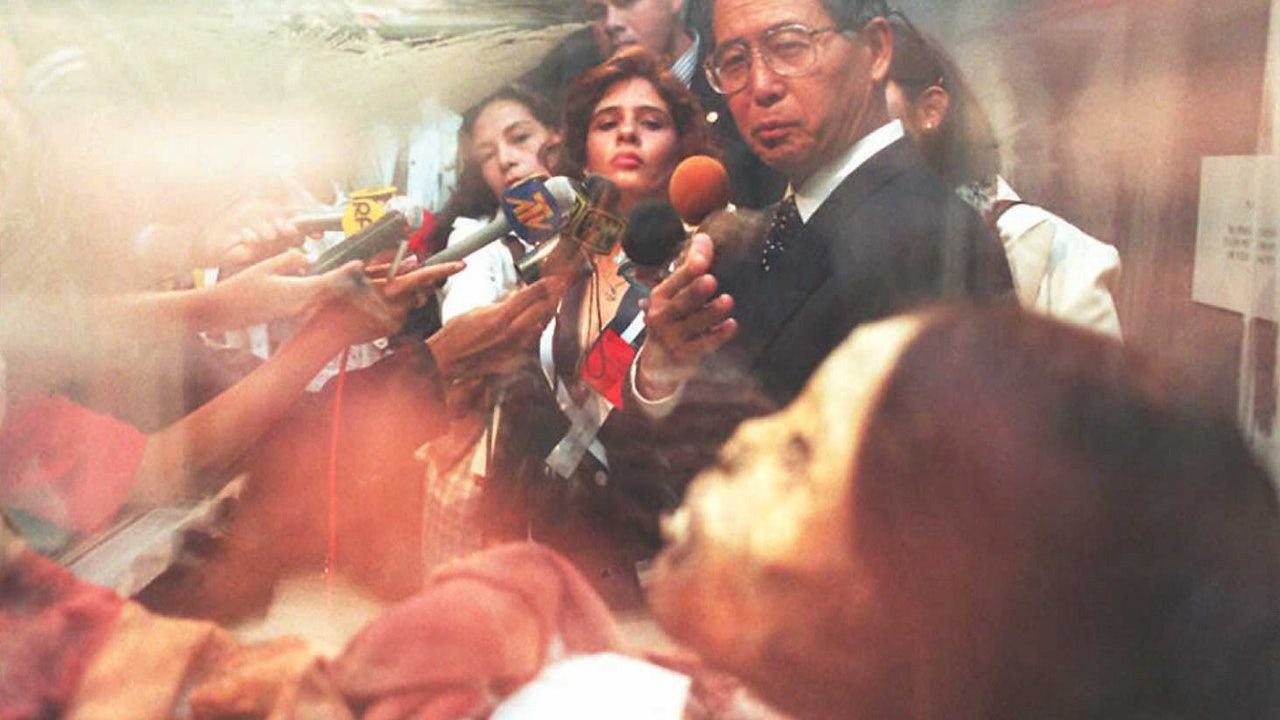
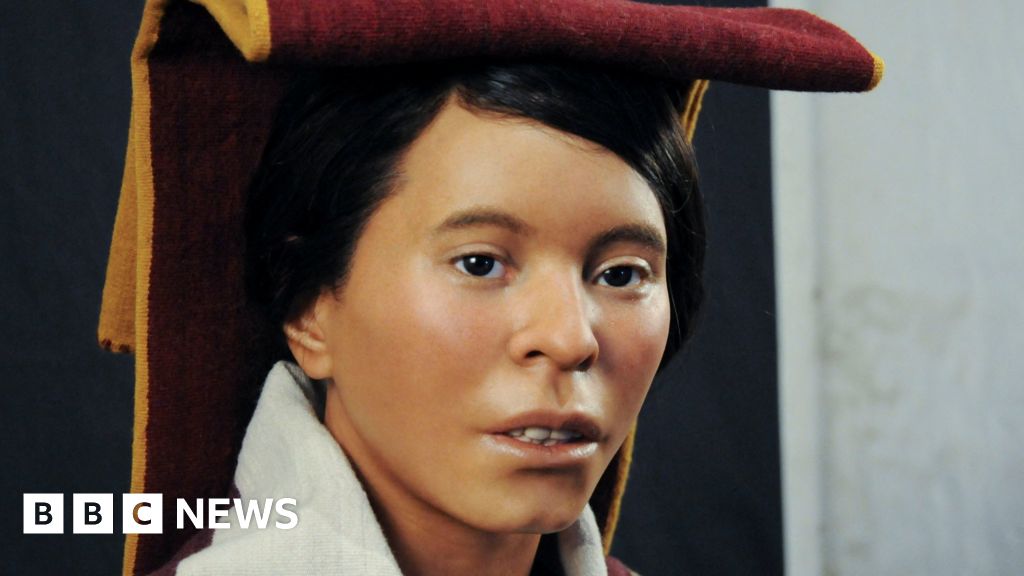
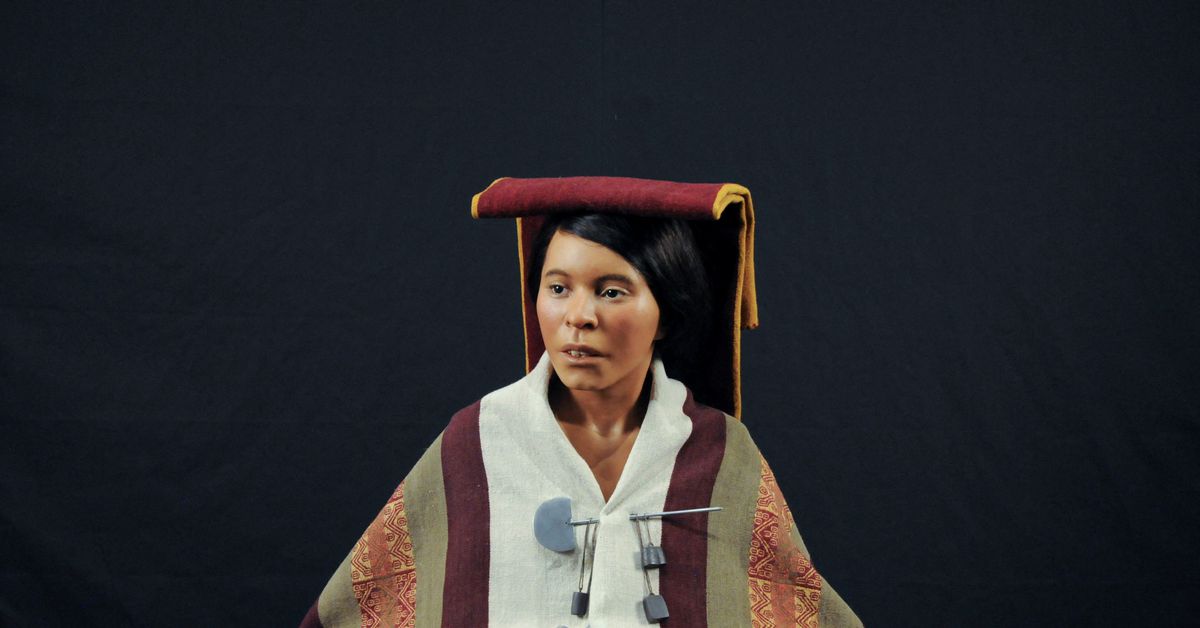
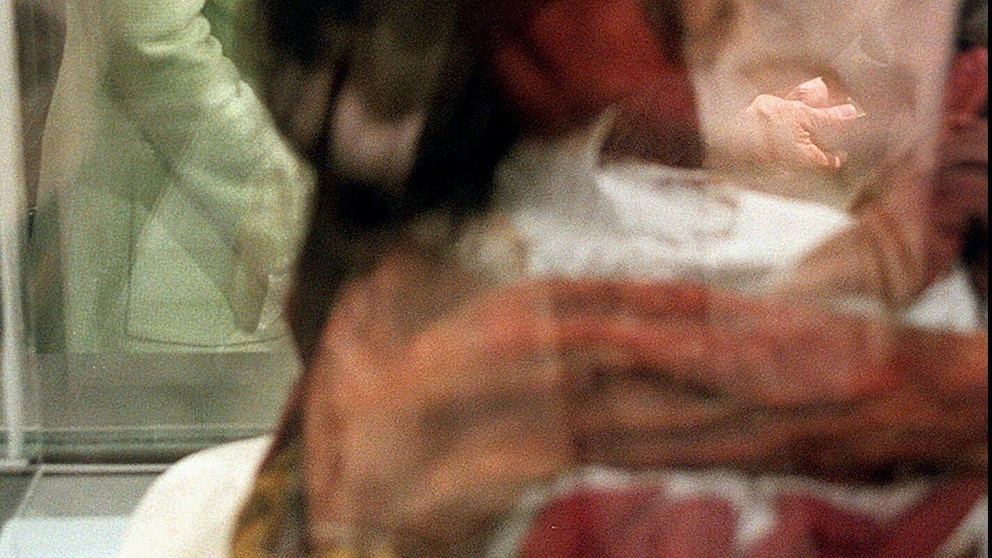
The reconstructed head and torso of Peru's most famous mummy, known as the "Ice Maiden of Ampato" or "Juanita," was unveiled in a ceremony, revealing what the Incan girl might have looked like when she was alive. The silicone-made bust, created by a team of Polish and Peruvian scientists with the help of a Swedish sculptor, portrays the teen girl with pronounced cheekbones, black eyes, and tanned skin. The mummy, believed to have been sacrificed more than 500 years ago in a ritual to appease Incan gods, was discovered in the Andes Mountains by National Geographic explorer Johan Reinhard. The facial reconstruction provides new insights into her life and the Incan culture.
Archaeologists have unveiled a silicon bust of Peru's famous mummy, known as "Juanita" or the "Inca Ice Maiden," providing a glimpse into what she may have looked like over 500 years ago. The mummy, believed to have been a teenage girl sacrificed in an Inca ritual, was discovered in 1995. The reconstruction involved body scans, skull measurements, DNA studies, and ethnological characteristics. The bust, created by a specialist in facial reconstruction, features pronounced cheekbones, dark eyes, and brown skin. The discovery sheds light on the Inca belief system and the significance of human sacrifices in their culture.
Scientists in Peru have unveiled a lifelike recreation of a young Inca girl who was likely sacrificed over 500 years ago. Using three-dimensional scans of her well-preserved mummy, the researchers were able to reconstruct her head and torso, showcasing her mouth slightly open and dark, piercing eyes. The girl, known as the Lady of Ampato or Juanita, was believed to be 14 or 15 years old and was sacrificed in a ritual ceremony to seek divine relief from natural disasters. The reconstruction is on display at the Catholic University of Santa Maria in Arequipa, Peru.
A team of Polish and Peruvian scientists, along with a Swedish sculptor, have unveiled a silicone-made bust depicting the possible face of "Juanita," Peru's most famous mummy. The teenage Inca girl was sacrificed over 500 years ago atop the Andes. The facial reconstruction was achieved through the use of a replica skull, body scans, DNA studies, and anthropological characteristics. The mummy, discovered in 1995, has provided valuable insights into Inca culture and the life of the sacrificed individual.
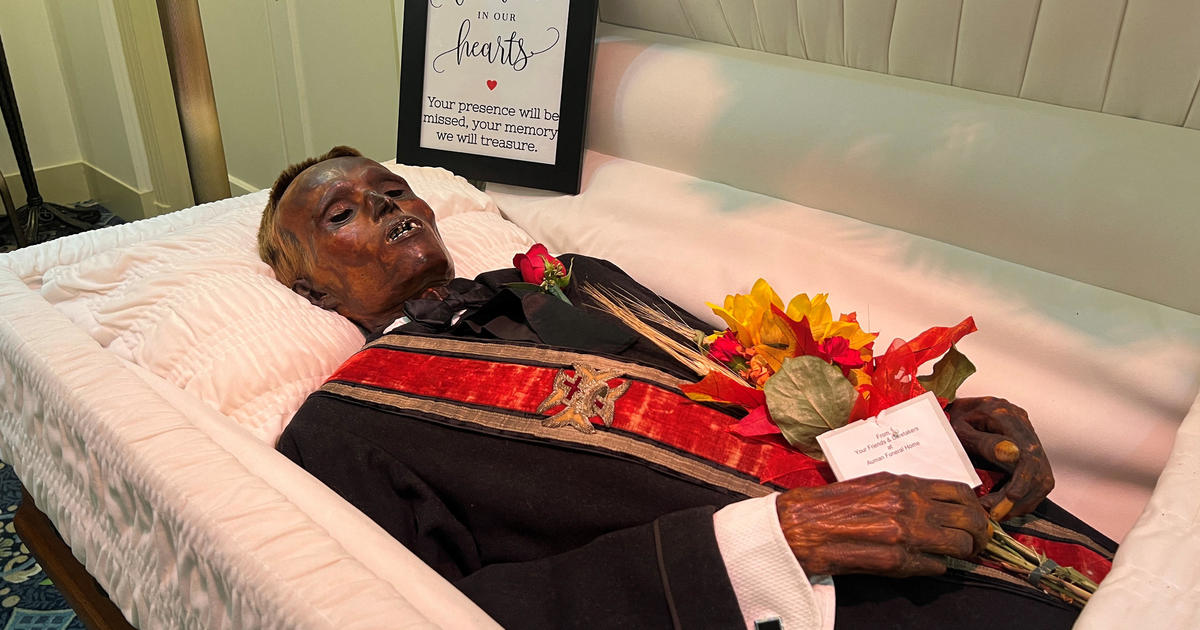
After 128 years, the mummified remains of a man known as "Stoneman Willie" have been identified as James Murphy and finally buried in Reading, Pennsylvania. The mummy, accidentally preserved by undertakers, had been on display at a local funeral home for decades, attracting fascination from locals and researchers alike. The burial took place during the city's 275th anniversary celebrations, with a crowd gathering to bid farewell to the enigmatic figure.
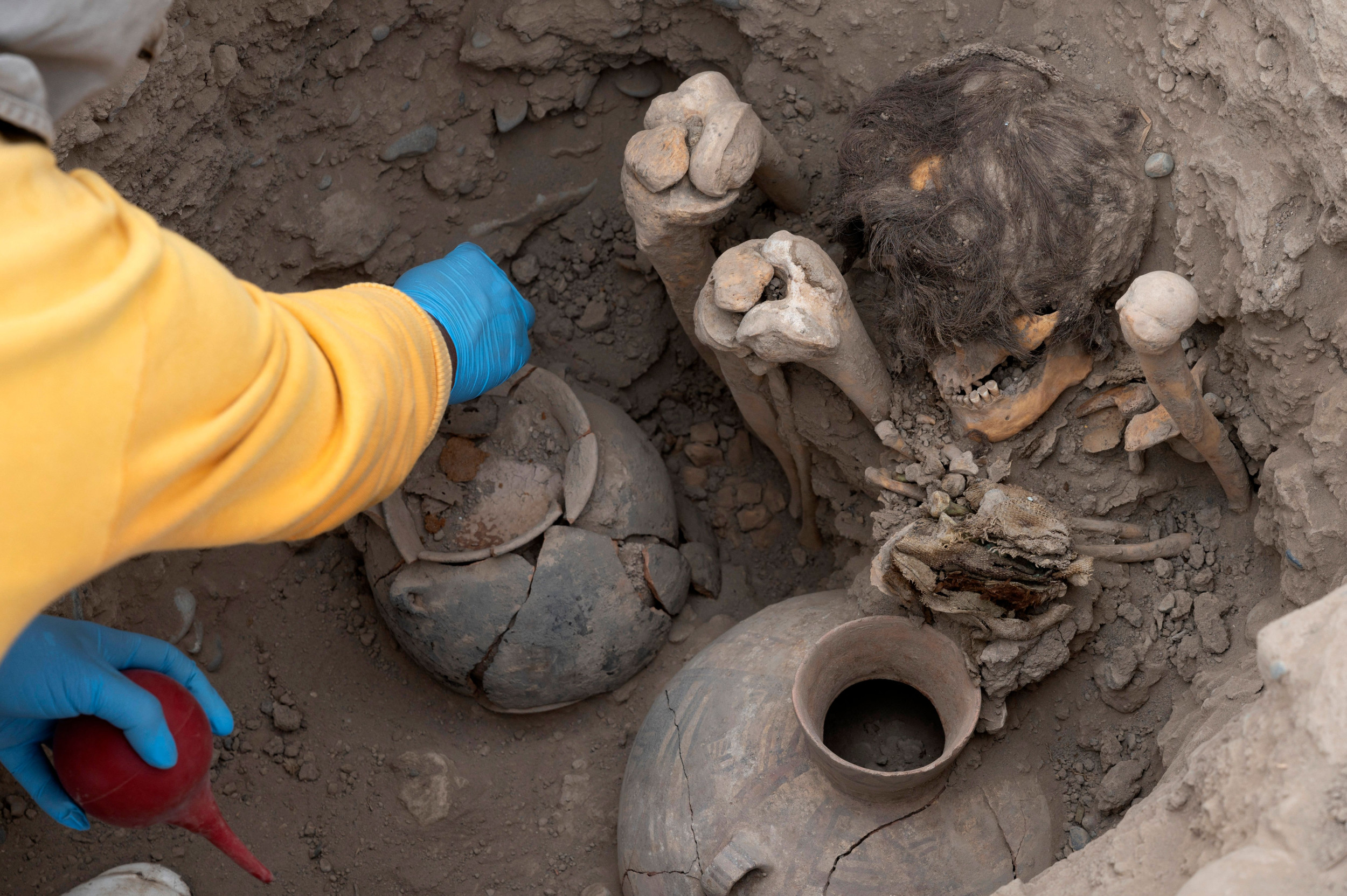
Archaeologists in Peru have discovered a 1,000-year-old mummy belonging to the pre-Inca Ychsma culture at the Huaca Pucllana archaeological site in Lima. The mummy was found buried in a simple grave at the top of the pyramid, along with ceramic vessels and other artifacts. The Huaca Pucllana site served as an important ceremonial center for the Lima culture and later the Ychsma culture, which used it as a burial ground. The discovery sheds light on the ancient history of the region and the preservation of the site amidst modern urban development.