Tag

Multicellularity

All articles tagged with #multicellularity

Five Simple Organisms Reveal How Life Became Multicellular
science6 months ago

Five Simple Organisms Reveal How Life Became Multicellular

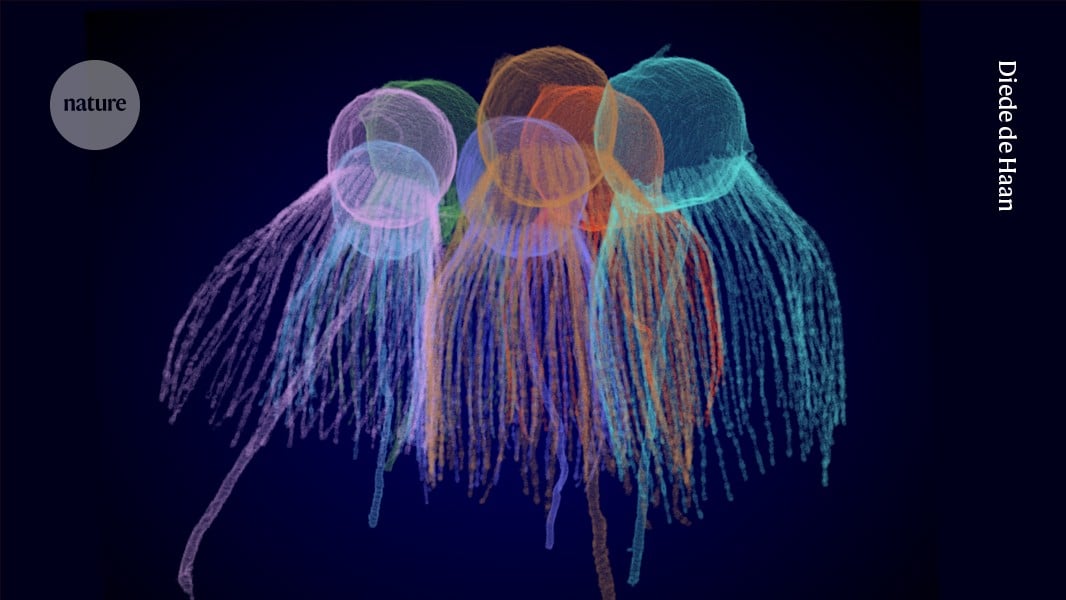
The article explores how multicellularity evolved in life on Earth, highlighting research on five simple organisms related to animals, such as choanoflagellates and Capsaspora, which reveal that the molecular toolkit for multicellularity existed long before animals appeared, and that multiple evolutionary paths, including clonal division and aggregation, contributed to this major transition.

Ancient Microorganism Genes Successfully Integrated into Mice
science1 year ago

Ancient Microorganism Genes Successfully Integrated into Mice

Researchers in Hong Kong have successfully inserted genes from choanoflagellates, single-celled organisms related to animals, into mice, revealing insights into the evolutionary origins of pluripotency. The study suggests that key genes involved in stem cell formation existed before multicellular life, potentially influencing animal evolution. The chimeric mice, with mixed genetic traits, indicate that choanoflagellate genes can function in complex organisms, offering new perspectives for stem cell research and understanding life's diversification.

Scientists Unveil Solution to the Age-Old Chicken or Egg Debate
science1 year ago

Scientists Unveil Solution to the Age-Old Chicken or Egg Debate

Scientists have potentially solved the age-old chicken-or-egg mystery by studying a unicellular organism, Chromosphaera perkinsii, which exhibits reproductive behaviors similar to animal embryos. This organism, existing for over a billion years, suggests that the genetic programming for egg formation predates the emergence of animals, indicating that eggs, or their genetic precursors, came first. The findings challenge previous assumptions about the evolution of multicellular life and highlight the versatility of early life forms in Earth's history.

Ancient Single Cell Challenges Evolutionary Timeline of Multicellular Life
science1 year ago

Ancient Single Cell Challenges Evolutionary Timeline of Multicellular Life

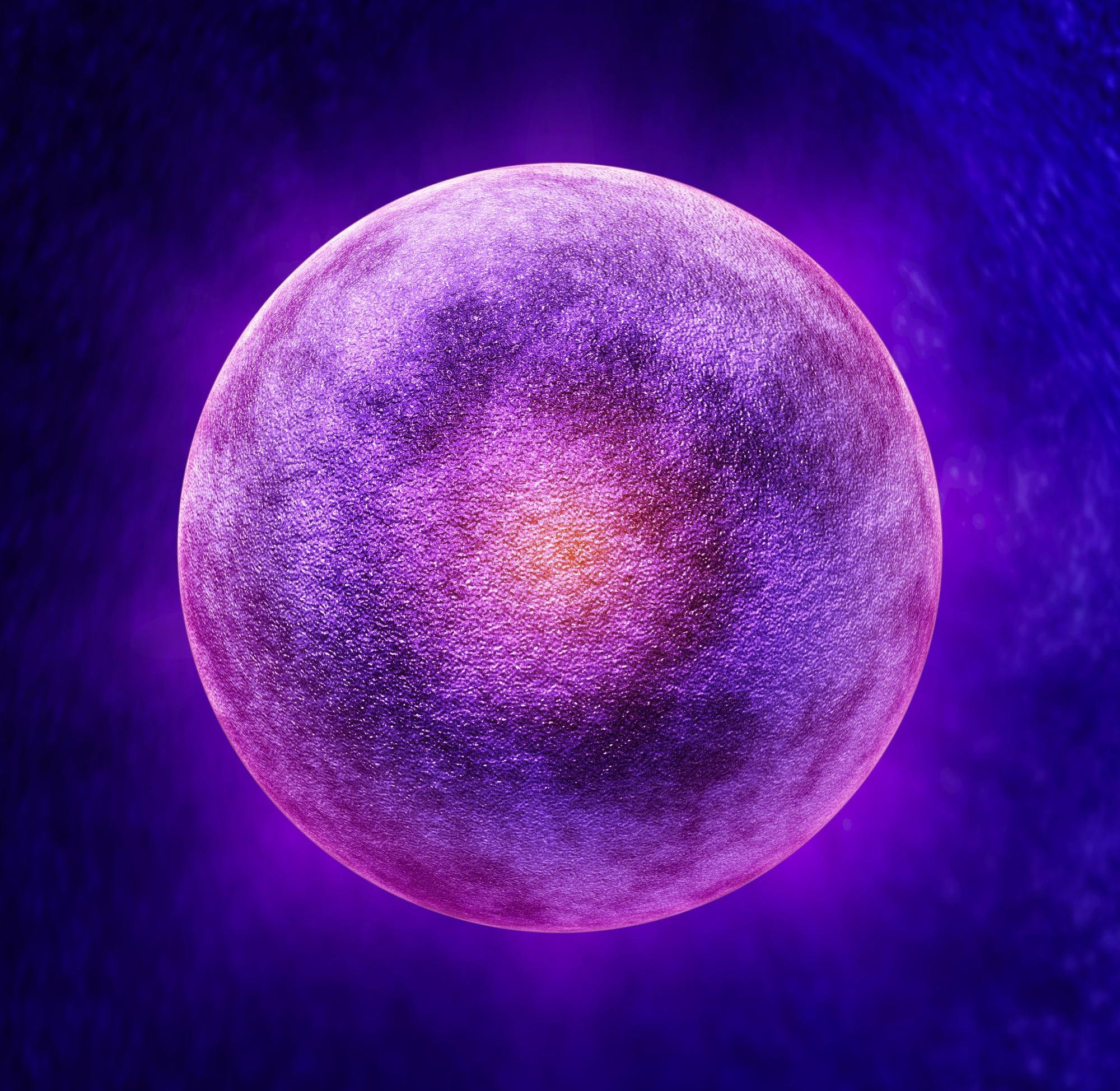
Researchers have discovered that the ancient single-celled organism Chromosphaera perkinsii can form multicellular structures similar to early animal embryos, suggesting that the genetic mechanisms for embryonic development may have existed over a billion years ago, before the first animals appeared. This finding, published in Nature, could provide insights into the transition from unicellular to multicellular life and challenge existing views on the evolution of multicellularity.

Unicellular Ancestor Sheds Light on Pre-Animal Embryonic Development
science1 year ago

Unicellular Ancestor Sheds Light on Pre-Animal Embryonic Development

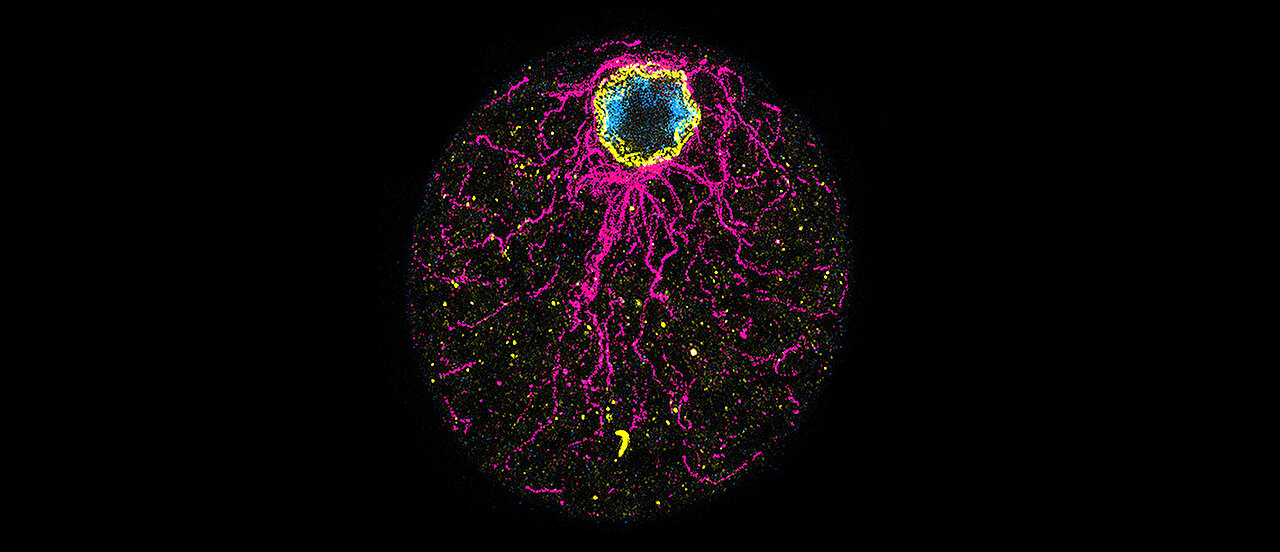
Researchers from the University of Geneva have discovered that the unicellular organism Chromosphaera perkinsii, which predates animals by over a billion years, forms multicellular structures similar to animal embryos. This suggests that the genetic programs for embryonic development may have existed before animals evolved, or that C. perkinsii independently developed similar processes. The findings, published in Nature, could reshape our understanding of the evolution of multicellularity and embryonic development.

"Cell Cannibalism Found Widespread Across Life Forms"
science1 year ago

"Cell Cannibalism Found Widespread Across Life Forms"

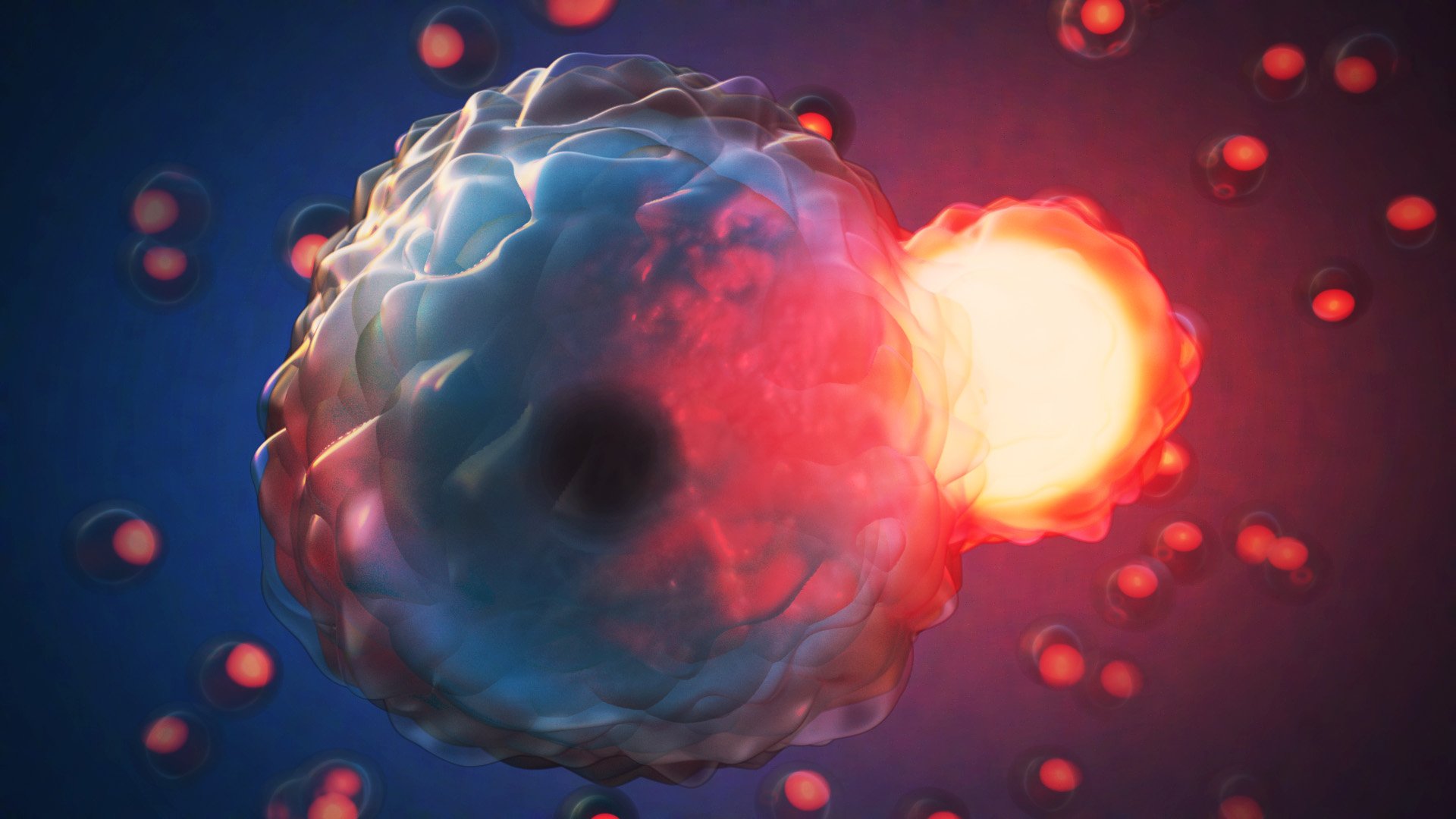
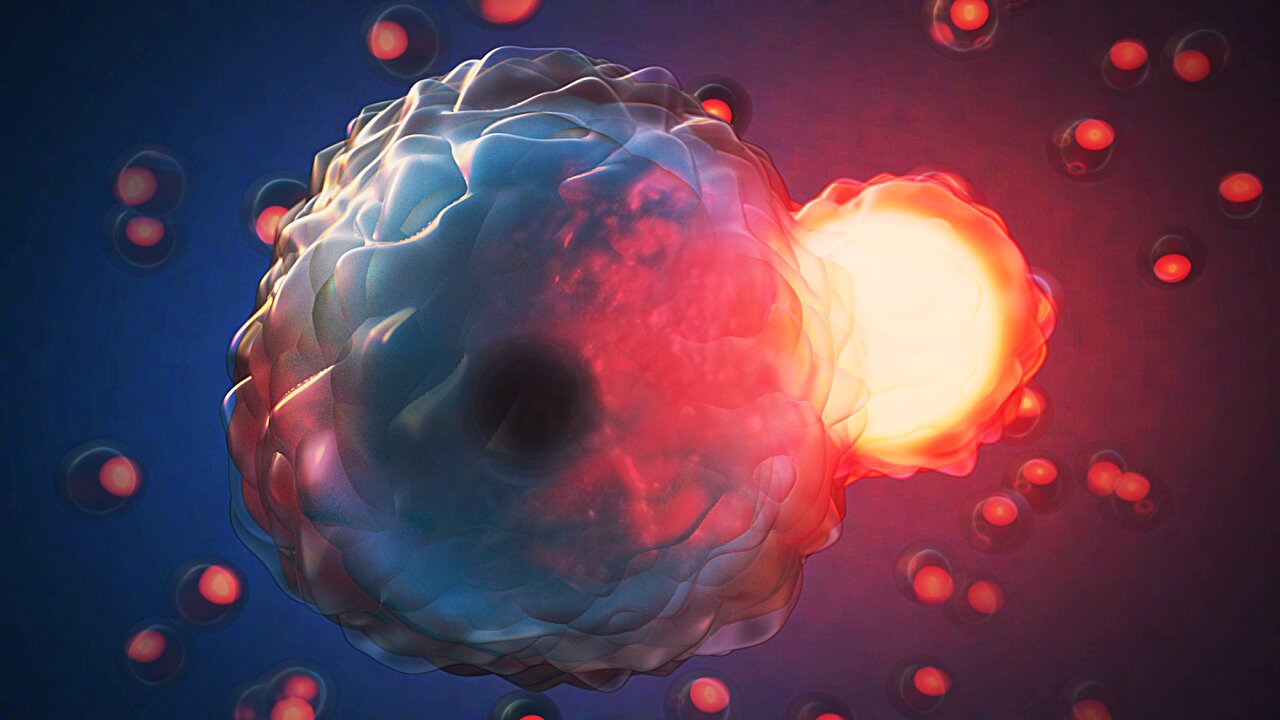
New research from Arizona State University reveals that cell cannibalism, where one cell engulfs and sometimes consumes another, is common across all life forms and not just associated with cancer. This phenomenon, observed in diverse organisms from amoebas to multicellular animals, plays crucial roles in normal development, homeostasis, and stress response. The study challenges the notion that cell-in-cell events are inherently cancerous and suggests they are deeply rooted in our genetic makeup, opening new avenues for research in evolutionary biology, oncology, and regenerative medicine.

"Cell Cannibalism: A Universal Phenomenon Across Life Forms"
science1 year ago

"Cell Cannibalism: A Universal Phenomenon Across Life Forms"

A study by Arizona State University researchers reveals that cell-in-cell phenomena, where one cell engulfs and sometimes consumes another, are widespread across the tree of life and not limited to cancer cells. These interactions, which date back over 2 billion years, play crucial roles in normal development, homeostasis, and stress response in various organisms. The findings challenge the notion that such behaviors are inherently cancerous and suggest that targeting them for cancer treatment may be misguided. The research opens new avenues for understanding cellular cooperation, competition, and the evolution of multicellularity.

"Evidence of Eukaryotic Multicellularity 1.63 Billion Years Ago Found in North China Fossils"
science2 years ago

"Evidence of Eukaryotic Multicellularity 1.63 Billion Years Ago Found in North China Fossils"

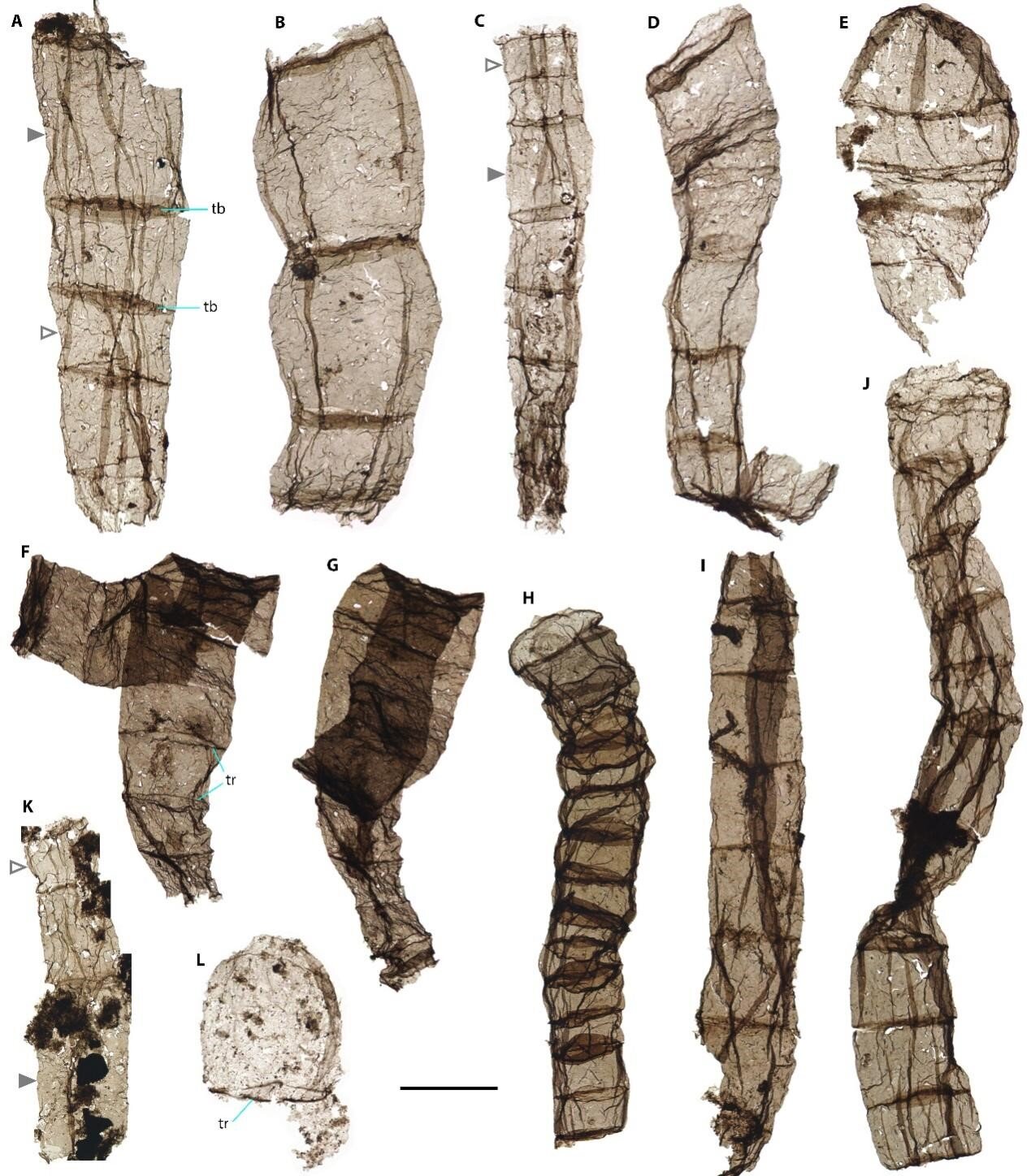
Researchers have discovered 1.63-billion-year-old multicellular fossils in North China, providing evidence that eukaryotes first acquired multicellularity around this time. The fossils, found in the late Paleoproterozoic Chuanlinggou Formation, are considered the oldest record of multicellular eukaryotes and demonstrate a certain degree of complexity based on their morphological variation. Named Qingshania magnifica, these fossils suggest that eukaryotes likely reproduced by spores and show eukaryotic affinity due to their large cell size and morphological features. This discovery pushes back the emergence of multicellularity in eukaryotes by about 70 million years.

"Emergence of Complex Multicellular Organisms: A Billion Years Ago"
science2 years ago

"Emergence of Complex Multicellular Organisms: A Billion Years Ago"

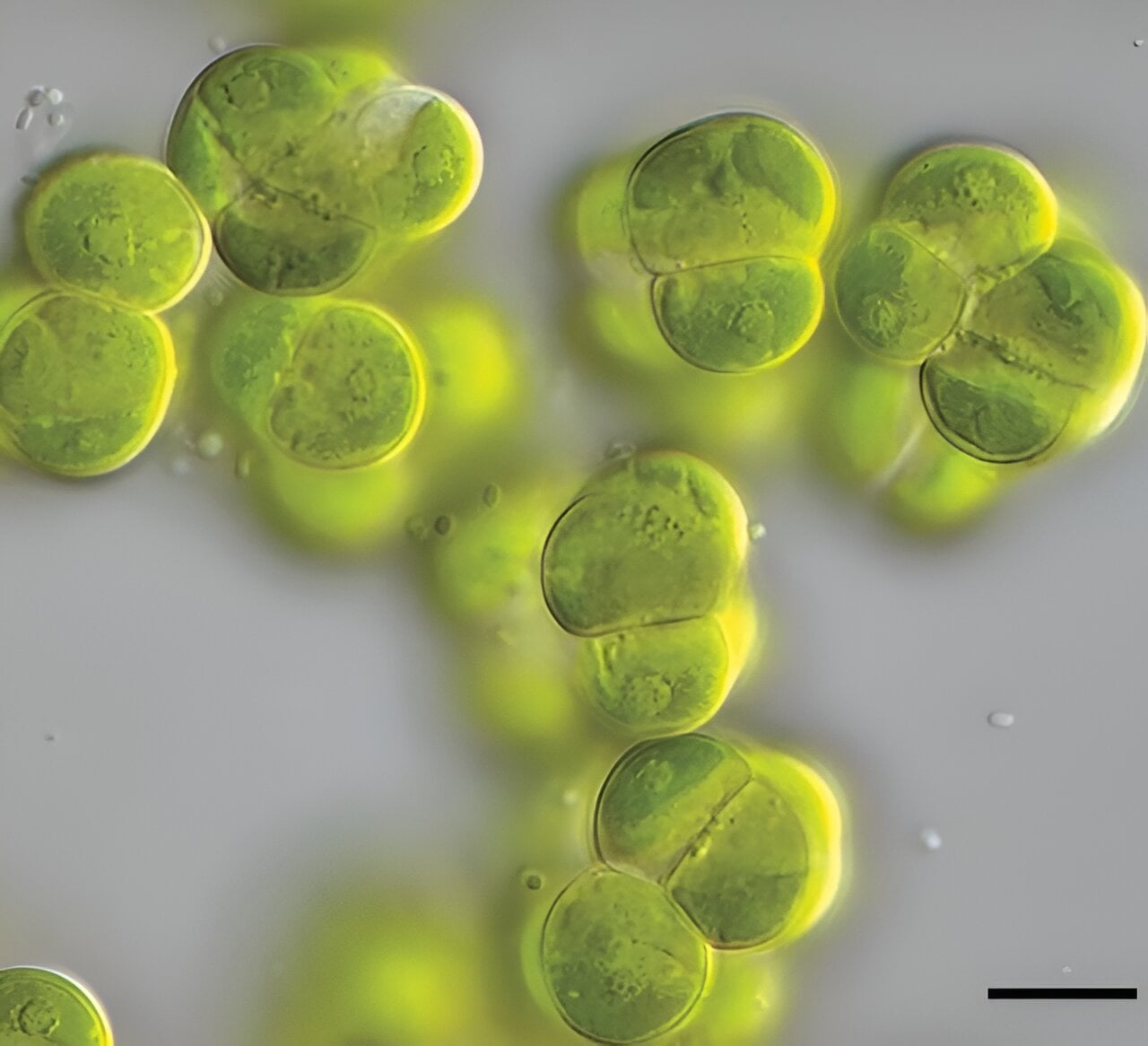
New research led by the University of Göttingen has revealed that complex green organisms, including land plants and many green algae, emerged almost a billion years ago. The study focused on the evolutionary history of morphological complexity in streptophytes, particularly the class of green algae known as Klebsormidiophyceae, which has the ability to colonize diverse habitats worldwide. Using modern gene sequencing data, researchers pinpointed the emergence of multicellularity to almost a billion years ago, shedding light on the genetic potential for multicellularity among streptophytes and indicating an ancient origin for this crucial trait.

Uncovering Evolution's Secrets Through Experimental Evolution.
science2 years ago

Uncovering Evolution's Secrets Through Experimental Evolution.

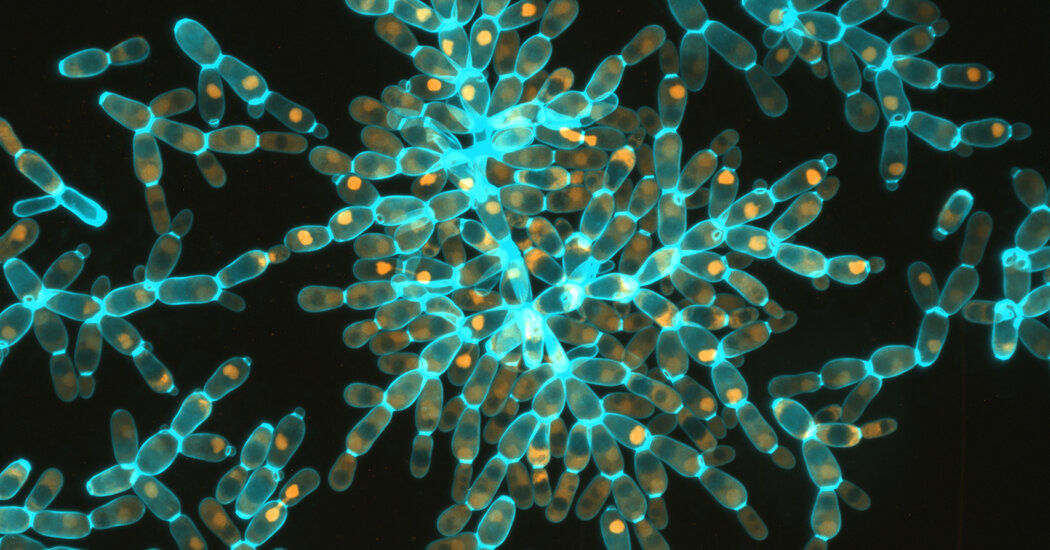
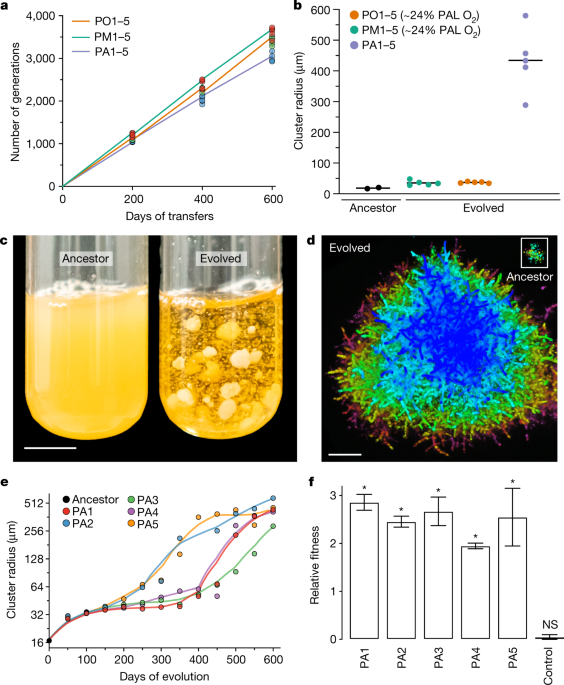
Researchers at Georgia Tech have conducted experiments with yeast cells to understand how single-celled organisms evolved into multicellular organisms. The team found that over 3,000 generations, the yeast clumps grew so large that they could be seen with the naked eye, evolving from a soft, squishy substance to something with the toughness of wood. The study suggests that feeding all the cells in a cluster is a crucial part of the trade-offs an organism faces as it goes multicellular. The team is now exploring whether dense clumps of snowflake yeast might develop ways to get nutrients to their innermost members.

The Emergence of Multicellularity: A De Novo Evolution.
evolutionary-biology2 years ago

The Emergence of Multicellularity: A De Novo Evolution.

Researchers have demonstrated the de novo evolution of macroscopic multicellularity in yeast populations under laboratory conditions. The study shows that the evolution of multicellularity can occur through simple biophysical mechanisms, such as mechanical stress and cell adhesion, without the need for genetic changes. The findings shed light on the origins of multicellularity and have implications for understanding the evolution of complex life forms.