MIT researchers identify intelectin-2 as a gut lectin that both reinforces the mucus barrier and directly traps and neutralizes a broad range of bacteria, suggesting a host-derived antimicrobial approach that could help prevent infections and support mucus integrity in inflammatory bowel disease.
Mucus production increases when sick, with color and consistency providing clues about health issues. While yellow or green mucus can suggest bacterial infection, it doesn't definitively require antibiotics, and other symptoms should guide medical consultation. Drinking fluids and using decongestants may help, but persistent or severe symptoms warrant professional advice.
Blowing your nose can provide temporary relief from cold symptoms by expelling mucus, but forceful blowing may worsen symptoms by pushing mucus back into the sinuses, potentially leading to infections, ear pain, nosebleeds, and other complications. Experts recommend gentle nose blowing and using alternatives like saline irrigation and nasal decongestants to clear congestion effectively. Overuse of nasal sprays should be avoided to prevent further nasal issues.
Blowing your nose can provide temporary relief from cold symptoms by expelling mucus, but forceful blowing may worsen symptoms by pushing mucus back into the sinuses, potentially leading to infections or even rare complications like eardrum rupture or orbital fractures. Experts recommend gentle nose blowing, using saline irrigation, and nasal decongestants for effective relief. Overuse of decongestants can lead to further congestion, so they should be used sparingly. Soft tissues and warm compresses can also help alleviate symptoms.
A 103-year-old woman seeks advice on excessive mucus production, and a 68-year-old man inquires about chronic numbness in his thigh. The doctor suggests that the mucus may be from nasal or lung issues and recommends further tests or medication trials. For the numbness, the doctor explains that relieving pressure on the nerve may help, but long-lasting or permanent nerve damage is possible. He also suggests exploring other potential causes such as meralgia paresthetica and advises seeking a neurologist or pain medicine specialist for further evaluation.
A study from Penn State University reveals that bacteria use thicker mucus to enhance their ability to self-organize and infect the body. The research demonstrates that bacteria coordinate movement better in thick mucus compared to watery substances, potentially increasing antibiotic resistance. Understanding how bacteria swarm in mucus could lead to new strategies for combating infections and antibiotic resistance. The study also highlights the importance of mucus consistency in bacterial colonization and infection.
The color of mucus is not a reliable indicator of whether an infection is caused by bacteria or viruses, nor of whether you are still infectious. Colds and flus, like COVID-19, are caused by viruses, and a person is most infectious starting a day or two before symptoms until a day or two after symptoms start. Most people are no longer infectious after five to seven days of having symptoms. Exercise is generally good for the heart, but extreme levels of exercise can decrease the benefits. In people with severe heart disease, overdoing exercise can lead to a heart attack. However, regular exercise can help improve heart health and build up exercise tolerance over time.
The color of your mucus can provide insights into your health. Thin and clear mucus is common with allergies, while bright yellow or dark green mucus may indicate an infection. Pink or red mucus could be due to dry nasal passages, and brown or black mucus might suggest a fungal infection or air pollution. It's important to see a doctor if your mucus abruptly changes color, has a smell or unusual taste, or if you experience fever, fatigue, nausea, vomiting, or diarrhea. Managing mucus can involve breathing in steam, staying hydrated, and seeking medical evaluation to understand the underlying cause.
The color of your boogers can indicate potential health problems. Yellow or green mucus may suggest an infection, while brown mucus could be a sign of respiratory system issues or environmental influences. Red boogers may indicate injury or irritation, and black boogers could be due to a fungal infection or smoking. Clear mucus is generally considered normal and healthy. It's important to pay attention to changes in mucus color and seek medical assistance if accompanied by persistent symptoms like coughing, chest pain, difficulty breathing, or fever.
Bodily secretions such as pus, saliva, bile, cerumen (earwax), smegma, rheum, sebum, and mucus are part of daily life. Pus is a sign of an infection requiring antibiotics, saliva helps in digestion and keeps the mouth clean, bile helps digest fat, cerumen protects the ear canal, smegma is a lubricant for the genitals, rheum is mucus discharged from the eyes, sebum keeps the skin and hair moist, and mucus protects against damage by pathogens.
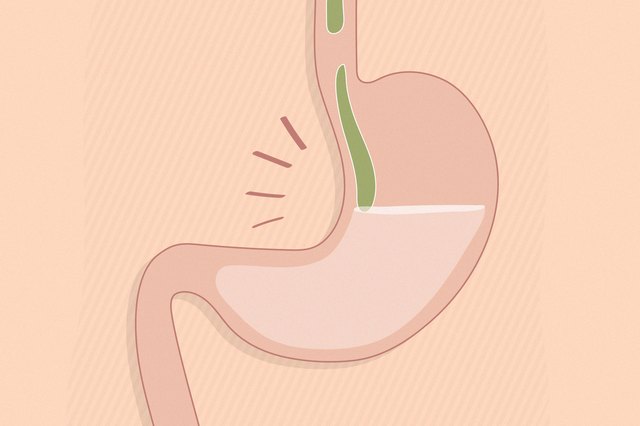
Swallowing mucus is not harmful, but it can be uncomfortable when you have a lot of it running down your throat. Mucus is a lubricating substance that lines the surface of your lungs, mouth, sinuses, stomach, and intestines, and it helps trap and remove bacteria, viruses, or other particles that could make you sick. When sick or reacting to allergies, the body secretes more mucus as a means of increasing that barrier and clearing the pathogens, which often drips down the back of the throat and is swallowed. There are remedies to ease excessive mucus production, such as using a nasal saline spray or rinse, putting a warm, moist towel on your face, running a humidifier, paying attention to your diet, and trying over-the-counter medication.
The color of your snot can indicate what's going on inside your body. Clear mucus means you're likely having an allergic reaction, while yellow or green snot may indicate an infection or cold. Pink or red snot is usually a sign of irritated nasal tissues, while brown snot contains dried blood. Black snot could be a sign of a rare but serious fungal infection. Consult a medical provider if you have concerns.