A study suggests that the best time to drink coffee for health benefits is in the morning between 4 a.m. and noon, as it reduces the risk of cardiovascular disease and overall mortality, while drinking coffee at night may disrupt sleep and increase anxiety.
The article emphasizes the importance of consistent daily routines for better health outcomes, providing a science-backed template for organizing a healthier day, while cautioning against extreme social media biohacks.
Research shows that drinking coffee in the morning boosts happiness, enthusiasm, and alertness by blocking adenosine receptors and increasing dopamine activity, with the strongest effects within two and a half hours of waking. The mood lift is consistent across different mental health and caffeine habits, and is influenced by tiredness and social settings, but not by long-term stress or anxiety. Moderation is recommended to avoid sleep disturbances and dependence.
A study of 236 young adults found that caffeine significantly boosts positive emotions, especially in the morning, by blocking adenosine receptors and increasing dopamine activity, with effects consistent regardless of individual caffeine habits or mental health status.
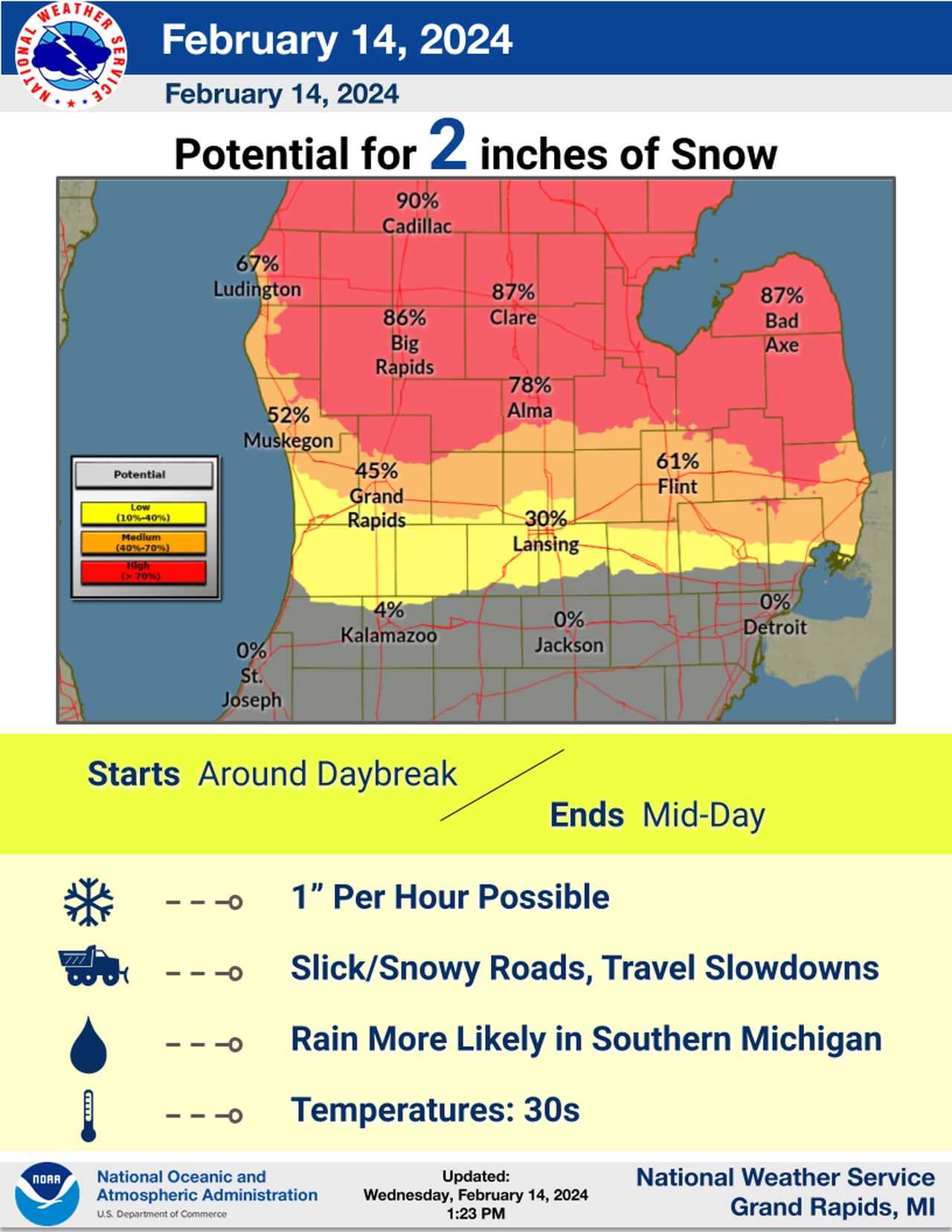
A quick-hitting snowstorm is forecasted for Thursday morning in Michigan, with the heaviest snow expected during the morning commute from 6 a.m. to 9 a.m. Snow rates of 1 inch per hour are possible, with total accumulations of 2 to 4 inches along the I-96 Corridor to M-20 and 4+ inches north of M-20. Temperatures are expected to warm above freezing by 10 a.m., causing the snow to melt in some areas. Slick and snow-covered roads with travel slowdowns are anticipated, and caution is advised for the morning commute.
Research suggests that exercising in the early morning, between 7 a.m. and 9 a.m., may aid in weight loss. A study found that people who engaged in moderate to vigorous exercise during this time had lower body mass indexes compared to those who exercised later in the day. However, the observed benefits may be influenced by factors such as age, lifestyle, and eating habits. While morning exercise may have physiological advantages and help establish a consistent routine, it is important to maintain a healthy diet and lifestyle overall. Ultimately, the best time to exercise is whenever it fits into an individual's schedule and preferences.
A storm is expected to hit on Wednesday night and Thursday morning, so people should be prepared for potential disruptions and hazards caused by heavy rain, strong winds, and lightning strikes.
A new study published in the journal Nature Communications found that afternoon exercise may help reduce the risk of premature death more than morning and evening workouts. Participants who exercised between 11 a.m. and 5 p.m. showed significantly decreased risks of all-cause mortality as well as a lowered risk of cardiovascular disease mortality. However, any movement is good movement, and the benefits of exercising in the morning or evening include increased likelihood of sticking to a routine, feeling happier throughout the day, losing weight faster, getting more out of a workout, sleeping better, being less prone to injury, and being less stressed.
Drinking coffee immediately after a bad night's sleep is not the best idea. Cortisol, the primary stress hormone, peaks in the early morning, promoting wakefulness. It is best to wait a few hours after waking up before consuming caffeine. The ideal time to drink coffee is in the late morning, which will give you the energy you need without damaging your sleep-wake cycle. Prioritize getting sunlight, low-stakes exercise, and eating a balanced breakfast to get through the early morning.