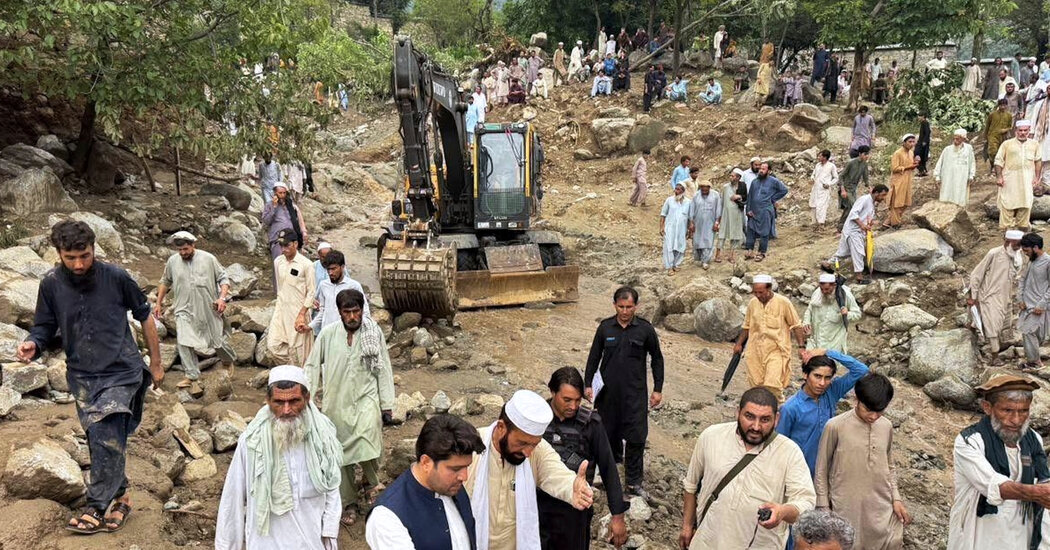
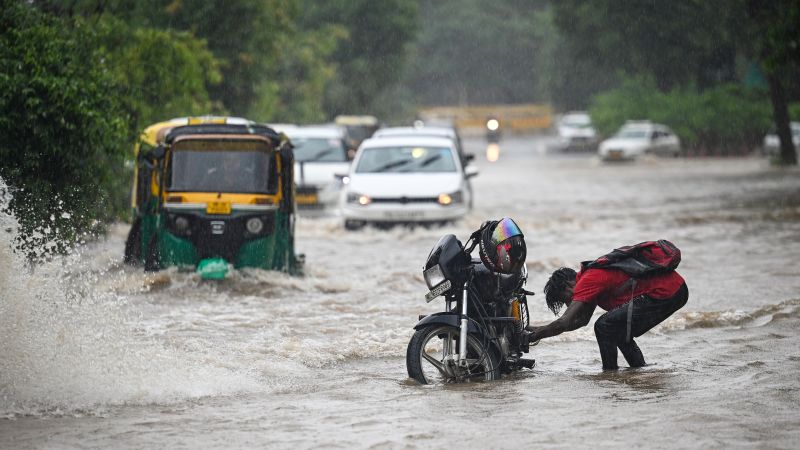
A devastating single-day flash flood in Pakistan has resulted in at least 185 deaths, primarily in Khyber-Pakhtunkhwa, due to heavy rains, melting glaciers, and climate change, with entire villages destroyed and rescue efforts ongoing amid worsening weather conditions.
A video has surfaced showing Russian actress Kamilla Belyatskaya being swept into the sea by a giant wave while doing yoga on a rocky beach in Koh Samui, Thailand. Despite a bystander's rescue attempt, Belyatskaya tragically died in the incident. The area, known for its scenic views, was not a designated swimming spot, but tourists are often warned about the dangers of unexpected wave surges during monsoon season.
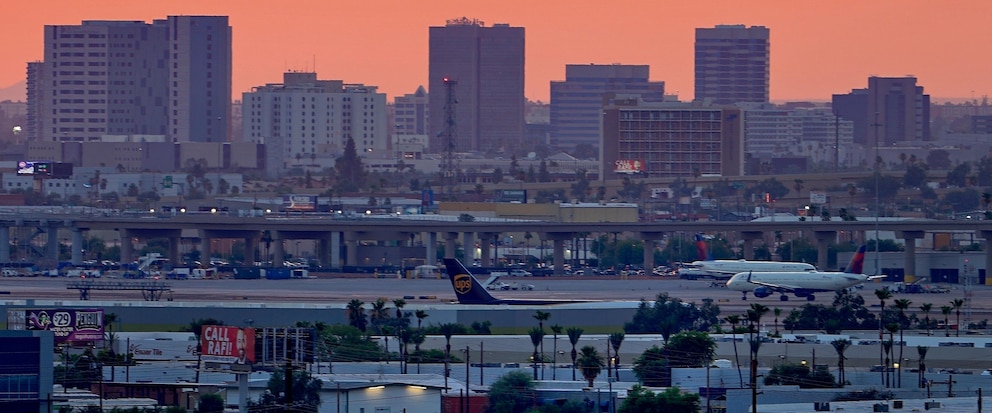
Phoenix, Arizona, has experienced its driest monsoon season on record, with only 0.15 inches of rainfall from June 15 to September 30, according to the National Weather Service. This is the lowest amount of rainfall since record-keeping began in 1895. The previous record was set in 1924 with 0.35 inches. Phoenix also experienced extreme heat this summer, with July being the hottest on record and a 31-day streak of temperatures at or above 110 degrees Fahrenheit. The rising temperatures have led to an increase in heat-associated deaths, with Maricopa County on track to set an annual record. Scientists warn that climate change will continue to exacerbate heat waves in the future.
To strengthen your immunity during the monsoon season, it is important to eat a balanced and nutrient-rich diet, including fruits high in vitamin C and foods with anti-inflammatory properties. Good hygiene practices, such as regular handwashing and sanitizing commonly touched surfaces, are crucial for preventing the transmission of diseases. Getting sufficient sleep and managing stress are also essential for a healthy immune system. Engaging in regular physical activity, even indoors, can boost immunity and overall wellness.
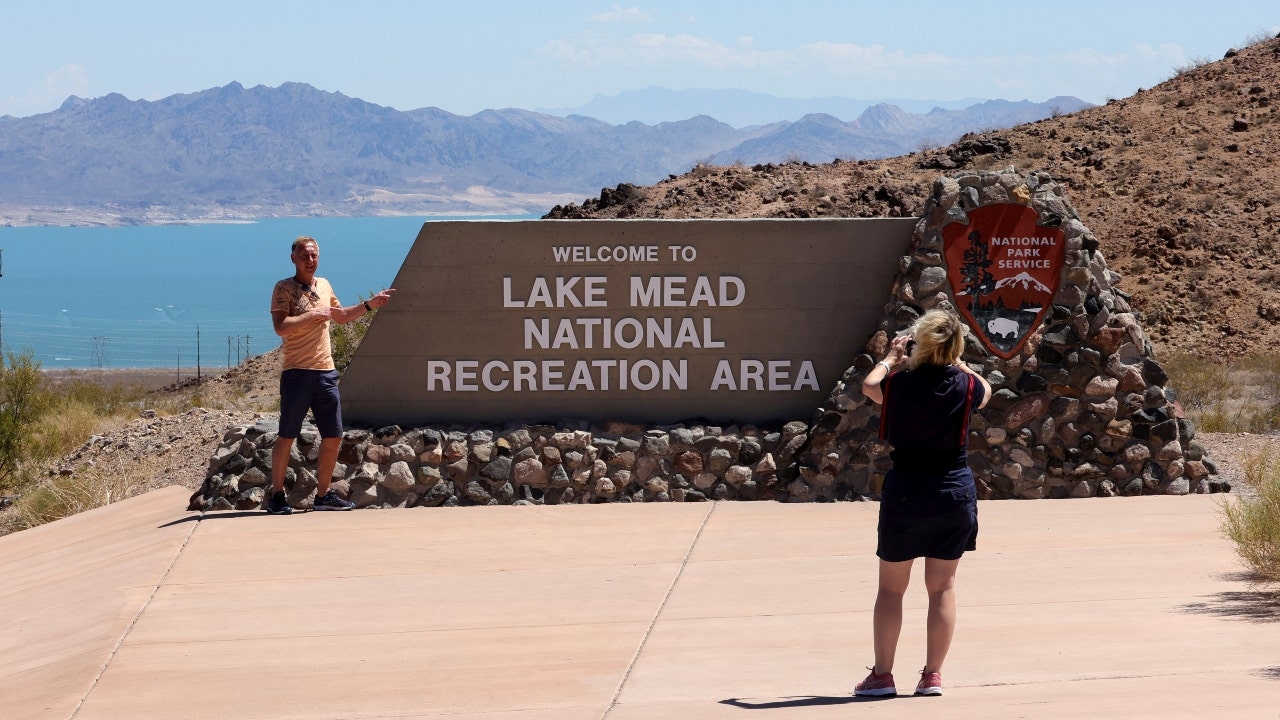
Officials are issuing warnings to visitors of the Lake Mead National Recreation Area after two drownings occurred over the weekend, bringing the total number of deaths this year to 19. Close calls with boaters caught off-guard by monsoon winds and incidents of swimmers being blown away by strong winds have also been reported. Authorities emphasize the importance of wearing lifejackets and prohibit the use of pool toys, which can be dangerous in windy conditions. Unsafe boating practices, such as drinking and driving, are also observed. The water level at Lake Mead has dropped due to drought and climate change.
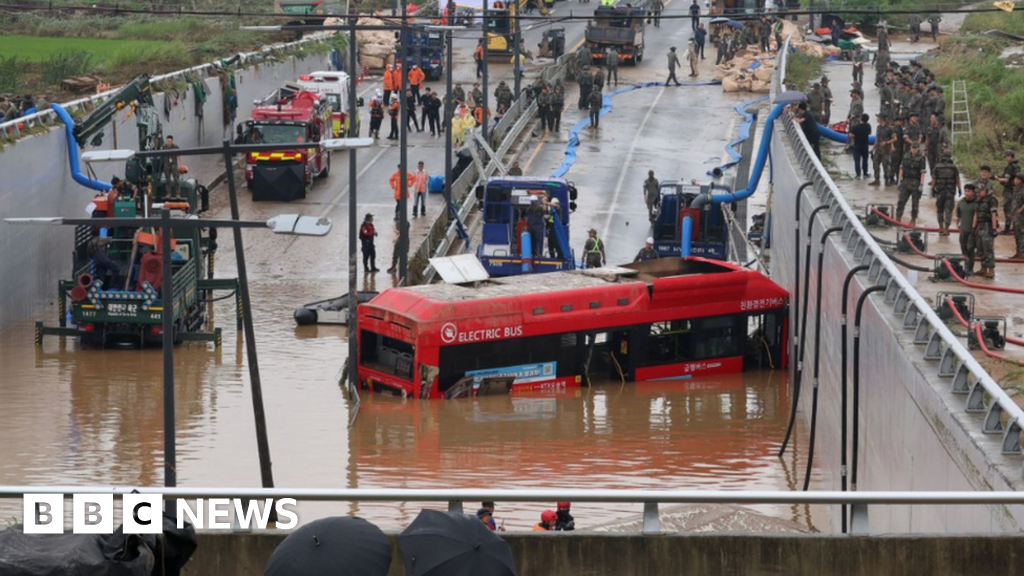
South Korea is grappling with the devastating impacts of climate change as extreme rainfall and flooding wreak havoc across the country. The recent torrential rain has caused a major underpass to fill with water, resulting in the deaths of thirteen people and leaving one person still missing. President Yoon Suk Yeol has pledged to overhaul the country's approach to extreme weather, acknowledging that these events will become more common. In the farming village of Edam, residents are struggling to cope with the destruction caused by the flooding, with homes destroyed and belongings ruined. The monsoon season, once a routine part of summer, is now a source of fear for South Koreans.
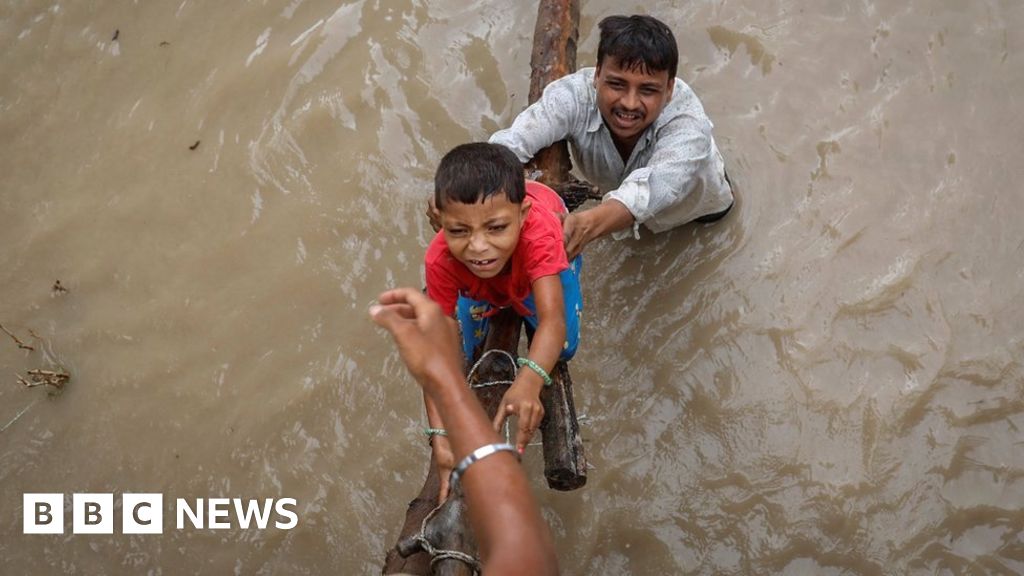
Hundreds of residents in Delhi have been evacuated as the water level of the Yamuna river reaches a 45-year high, surpassing the "danger mark." Record rainfall in the region has caused a flood-like situation, prompting people to move to relief camps. At least 88 people have died in Himachal Pradesh due to heavy rains. The monsoon season, while crucial for India, often leads to deaths and property damage. Climate change is believed to be a contributing factor to the increased frequency of extreme weather events in the country.
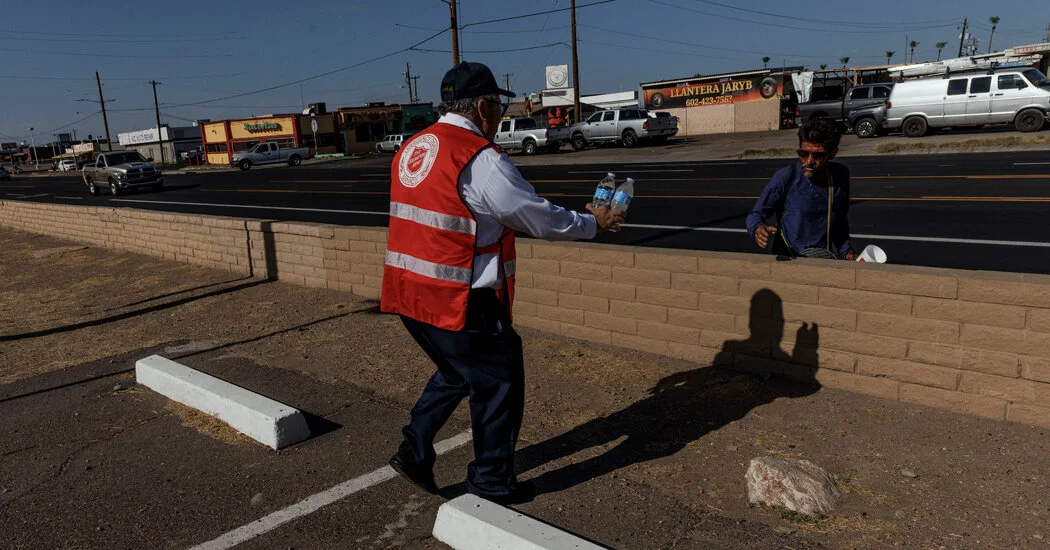
A heat wave caused by a high-pressure dome over the Southwest is bringing scorching temperatures to areas from Florida to California, with experts predicting it could last for two weeks. The heat is affecting over 50 million people across the United States, and the monsoon season, which typically brings relief in the form of thunderstorms, is running behind schedule this year. The lack of rain is particularly dangerous for those without shelter, including migrants crossing the Arizona desert. The high temperatures are expected to continue for at least a week, possibly reaching record-breaking levels.
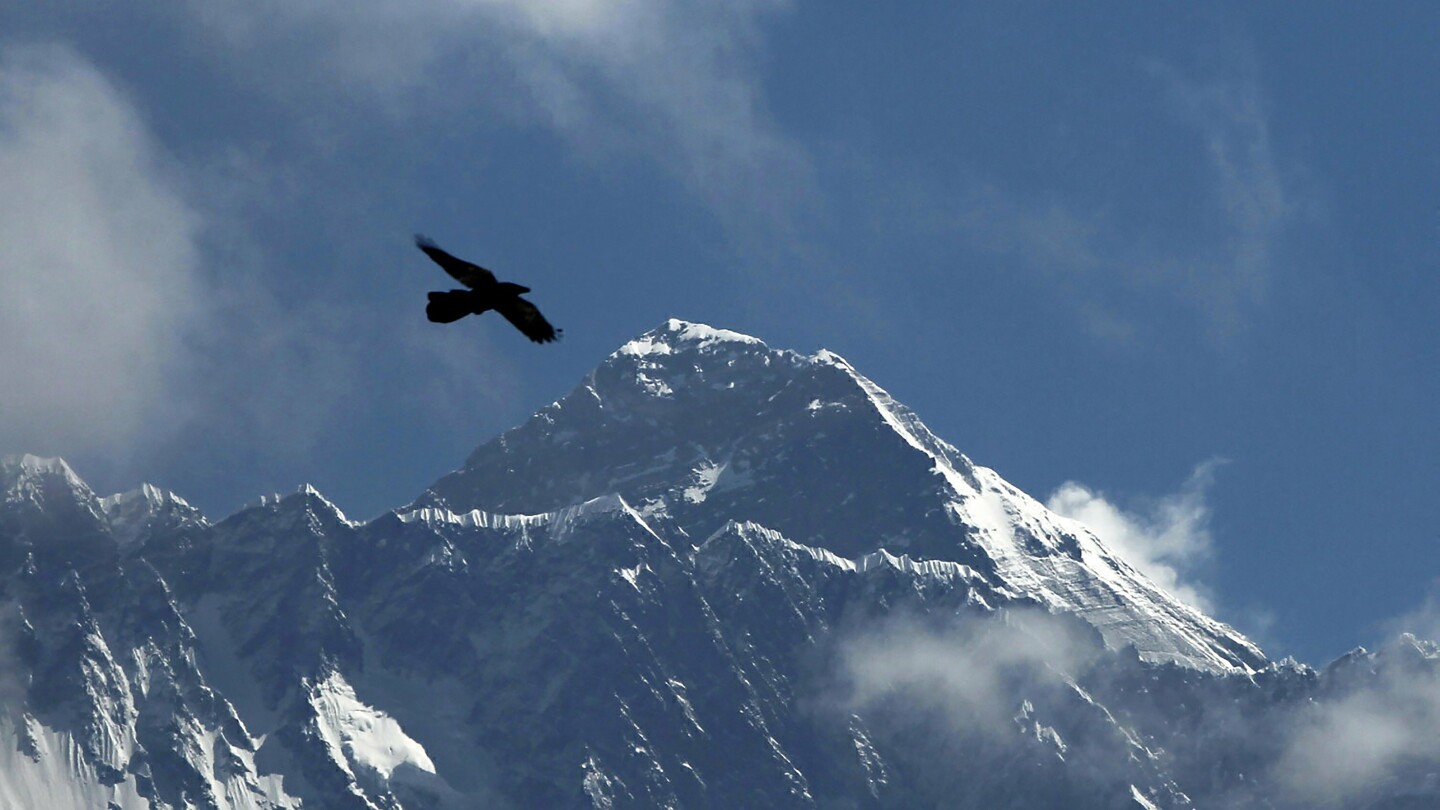
At least five people, believed to be Mexican tourists, were killed and one person is still missing after a helicopter carrying foreign tourists crashed near Mount Everest in Nepal. The crash occurred in the Lamajura area, and rescuers have recovered the bodies of five victims while searching for the sixth. The helicopter was returning to Kathmandu after a sightseeing trip to the world's highest peak. Weather conditions and the monsoon season may have contributed to the accident.
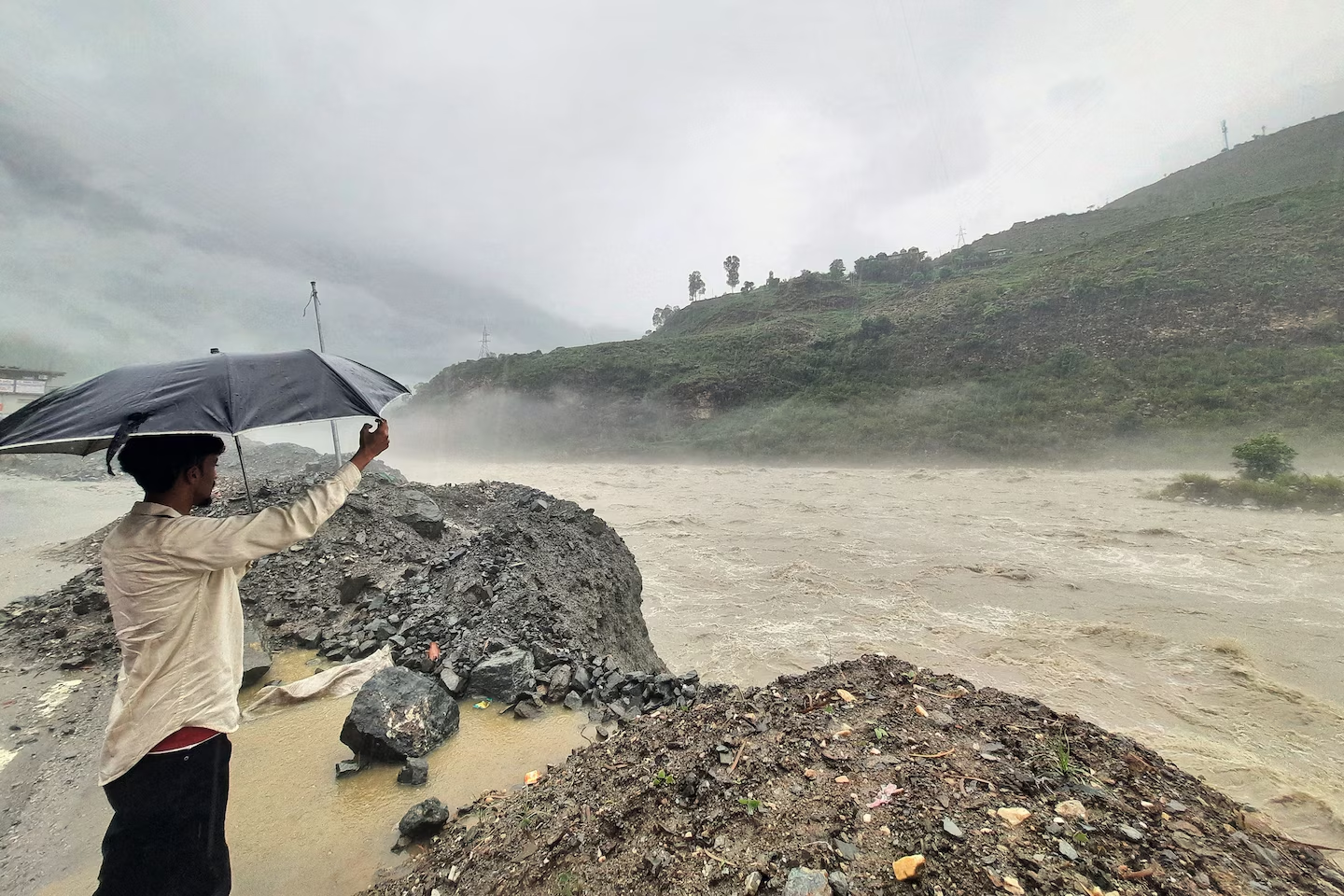
Heavy rains have caused flooding and landslides in northern India, resulting in at least 22 deaths and the closure of schools. The India Meteorological Department has forecasted continued intense rainfall in the northeastern and eastern regions of the country. The state of Punjab recorded 35 centimeters of rain, and a "red alert" has been issued for Himachal Pradesh, warning of flooding and landslides. The monsoon season in India brings heavy rains and flooding, and climate change is exacerbating the intensity and frequency of extreme flooding events. Similar intense rains have also caused havoc in the northeastern United States and Japan, resulting in fatalities.
Heavy rains in northern India caused deadly floods, with New Delhi experiencing its wettest July day in over 40 years. Flash floods and landslides resulted in at least 22 deaths in Himachal Pradesh. Red alerts were issued for several northern states, and rescue efforts are ongoing. The Indian Meteorological Department forecasts heavy rainfall for the next five days in the region. School closures were implemented, and residents were urged to stay safe. This comes after severe flooding and heatwaves have already affected India this summer, highlighting the vulnerability of its population to the climate crisis.
Rescuers in northern India are using a zip line to carry civilians across raging floodwaters caused by flash floods and landslides. The country is currently experiencing its monsoon season, and the Indian Meteorological Department predicts more rain in the coming week.
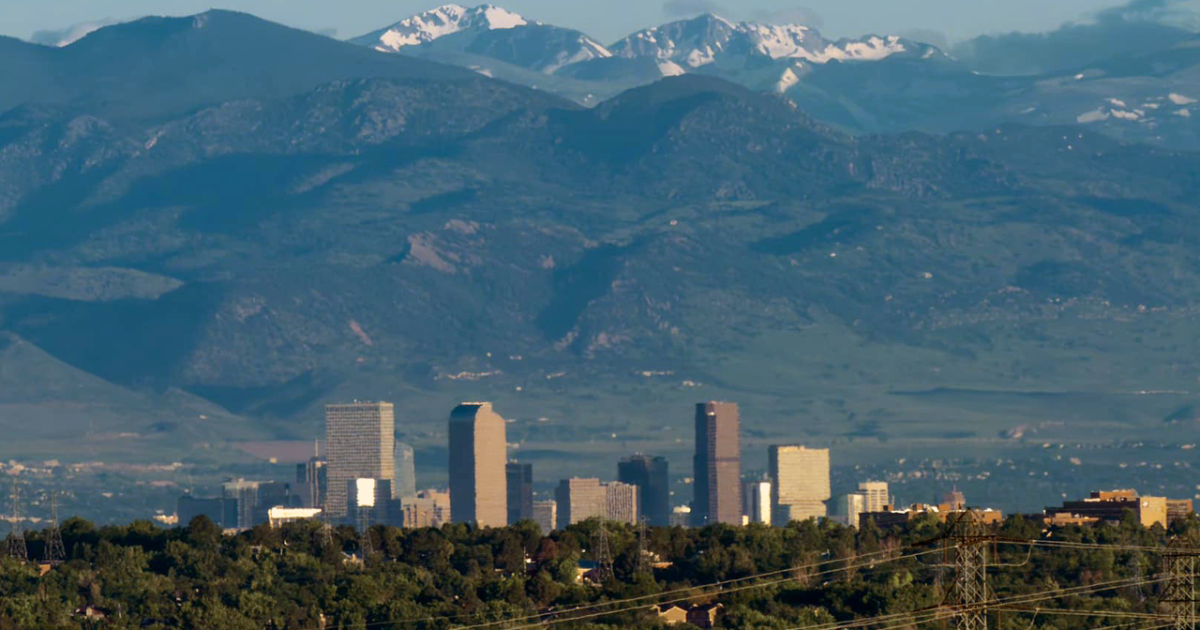
Denver, coming off its wettest June on record, is preparing for the potential of heavy rain in July as monsoon season arrives. The warmest month in Denver, July sees the onset of the North American monsoon, bringing a shift from severe weather outbreaks to heavy rainfall. The city's monthly mean temperature for July is 74.2 degrees, with an average of eight days of measurable rainfall. July is also peak tornado season in Colorado, with an average of 11 tornadoes per year, and hailstorms are a concern as well.