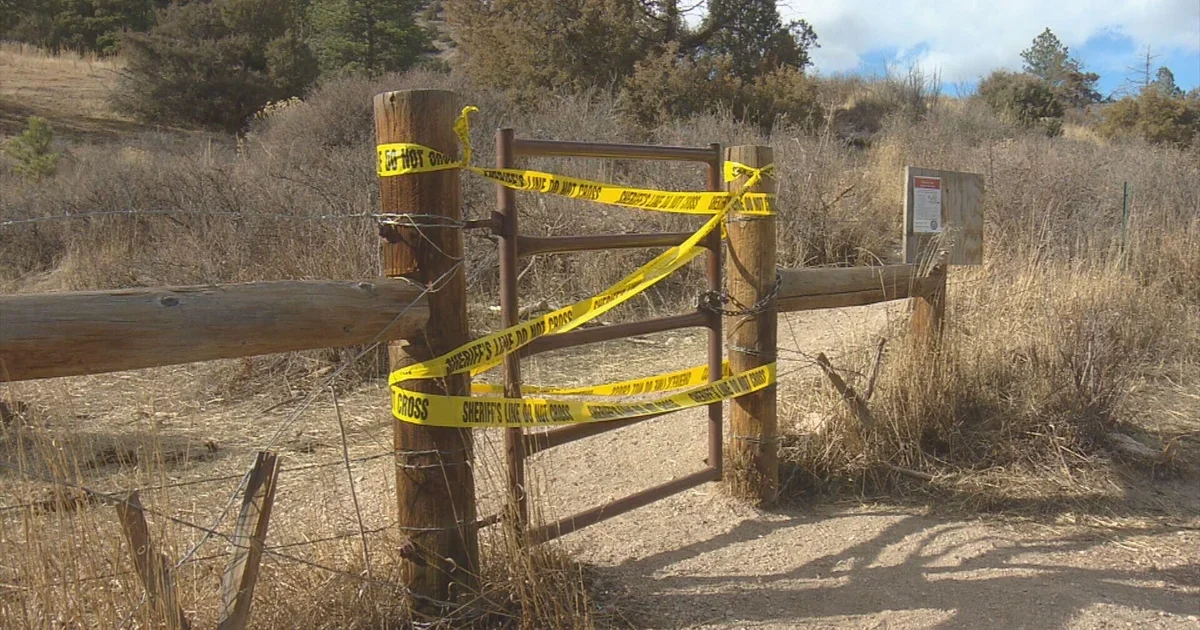
A woman was killed by a mountain lion on a trail in Northern Colorado, where recent encounters with multiple lions have heightened fears. Hikers and residents report aggressive lion behavior, including near-misses and attacks on pets, prompting Colorado Parks and Wildlife to increase safety measures and euthanize some lions. The incident underscores the dangers of wildlife encounters and the need for caution in the area.
Walmart has recalled two products, the Ozark Trail camping stove and Outdoor Master children's helmets, following safety concerns including injuries from explosions and failure to meet safety standards, urging customers to stop using and return them for refunds.
Three swimmers, including two men and one woman, were killed by sea mines while swimming in prohibited waters near Odesa, Ukraine, highlighting the dangers of unchecked waters in the Black Sea amid ongoing conflict. Authorities have confirmed the incidents and warned the public to avoid unsafe areas, with only 32 beaches deemed safe for swimming.
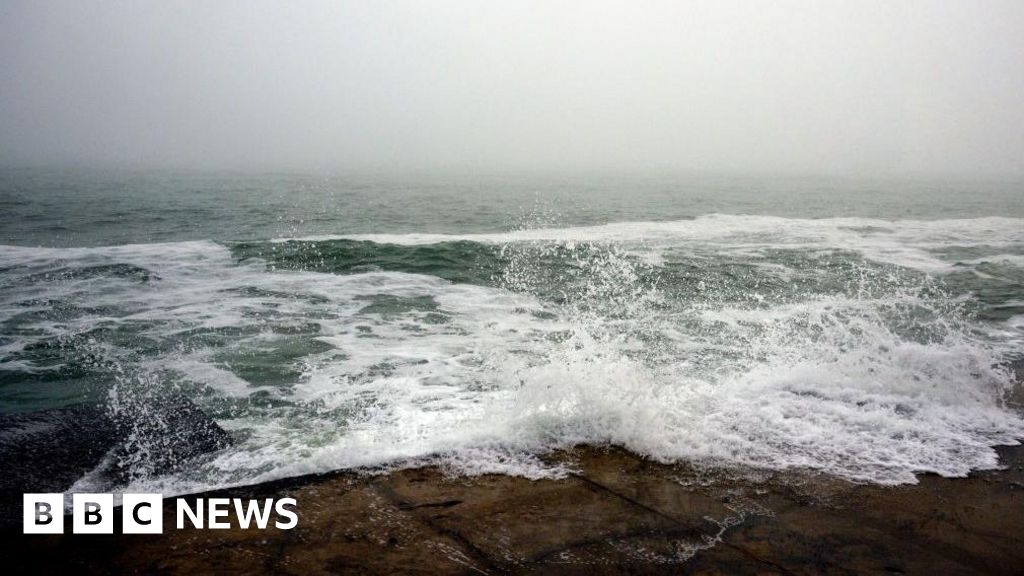
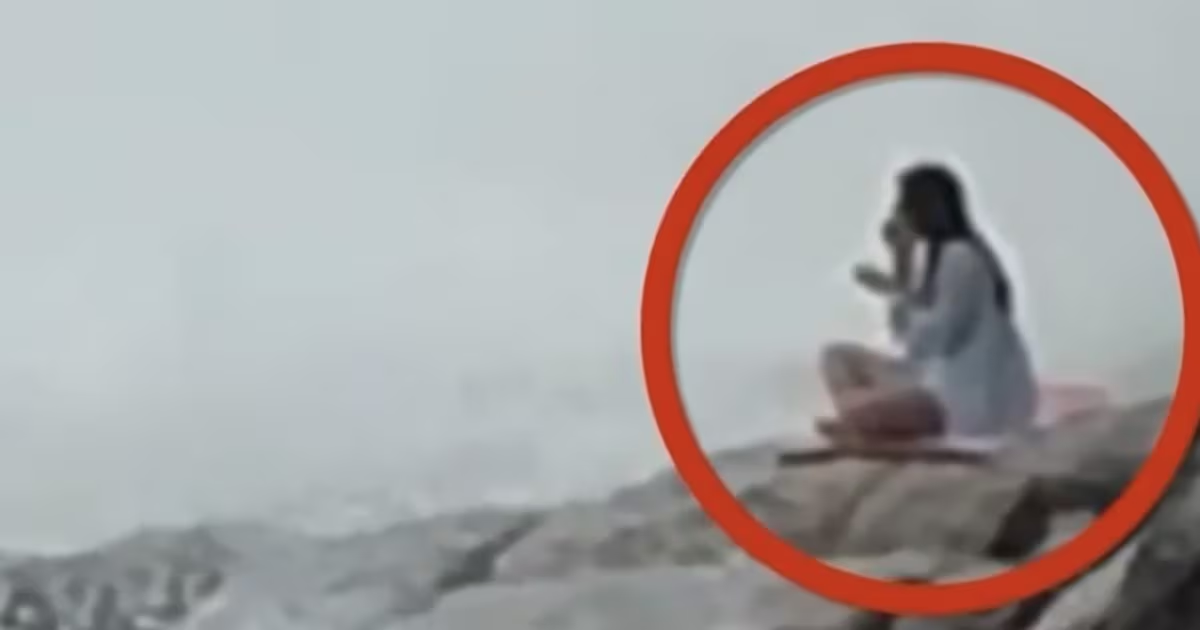
A video has surfaced showing Russian actress Kamilla Belyatskaya being swept into the sea by a giant wave while doing yoga on a rocky beach in Koh Samui, Thailand. Despite a bystander's rescue attempt, Belyatskaya tragically died in the incident. The area, known for its scenic views, was not a designated swimming spot, but tourists are often warned about the dangers of unexpected wave surges during monsoon season.
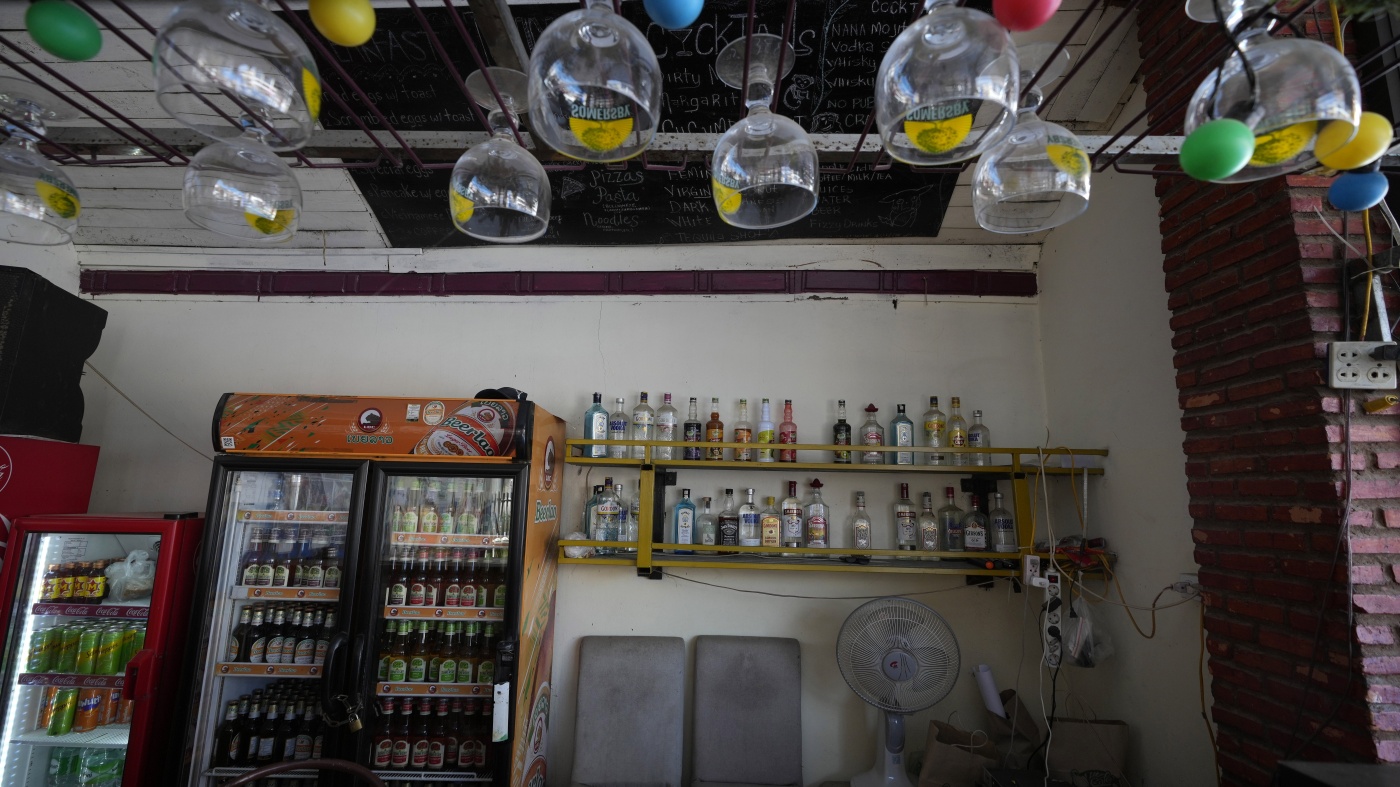
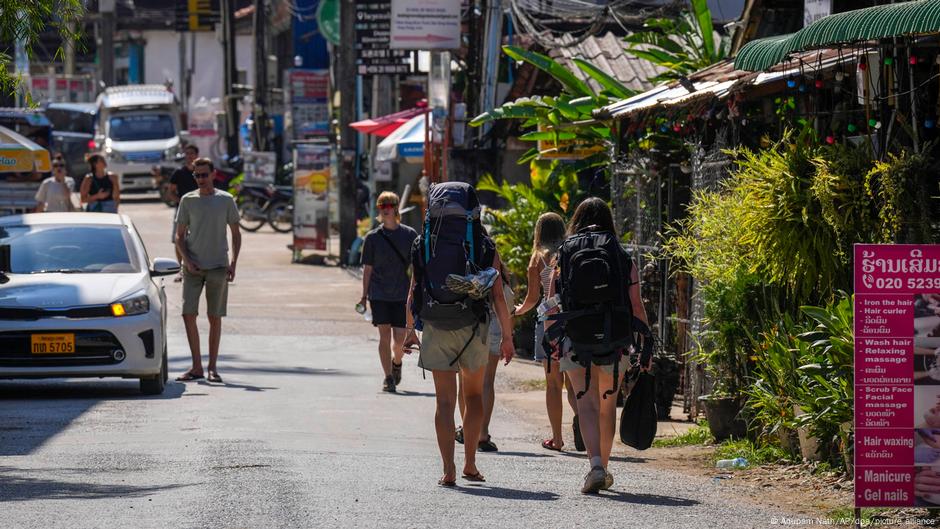
A recent outbreak of methanol poisoning in Vang Vieng, Laos, has resulted in the deaths of six tourists, prompting international warnings about the dangers of tainted alcohol. Methanol, a toxic industrial alcohol, can be lethal in small amounts and is sometimes used in drinks due to its low cost. The U.S., U.K., and Australia have issued travel advisories, urging tourists to purchase alcohol only from licensed vendors and to be vigilant for signs of tampering. Methanol poisoning can mimic regular intoxication but leads to severe symptoms and requires immediate medical attention.
Laos is mourning the deaths of six foreign tourists, including two Australians, two Danes, an American, and a Briton, due to suspected methanol poisoning in Vang Vieng. The government has expressed condolences and launched an investigation, detaining the manager of the hostel where the tourists stayed. Methanol, a toxic substance sometimes added to alcohol, is believed to be the cause. The US, Australia, and the UK have issued travel warnings, but local tourism continues as usual.
Former Maryland governor and current Senate candidate Larry Hogan is advocating for the federal government to fund the reconstruction of a Baltimore bridge damaged by a massive cargo ship, despite previous safety warnings from experts and an insurance company about the risks of accommodating such large vessels in the port. Hogan's push for bigger ships had been part of his efforts to boost the economy, despite concerns about safety.
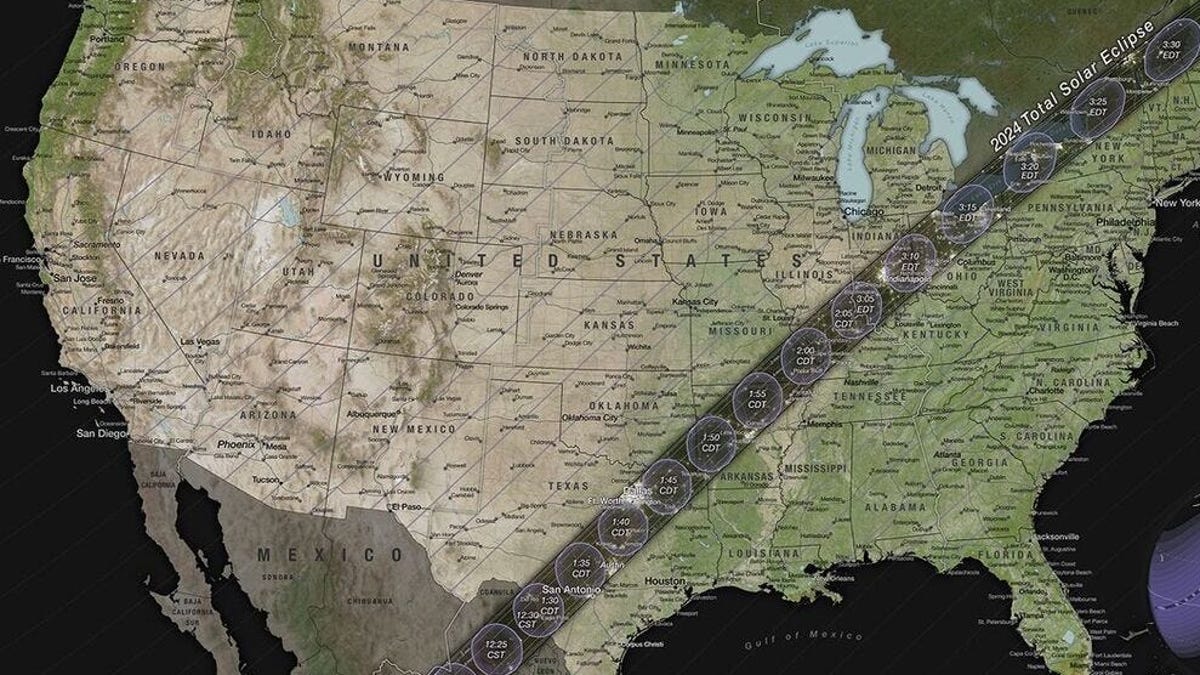
As the April 8 solar eclipse approaches, safety warnings are increasing due to potential dangers in the sky and on the ground, including the risk of fake eclipse glasses causing eye damage, heightened car crashes and traffic congestion, and air travel disruptions. The American Astronomical Society warns against counterfeit glasses and advises testing them before use, while traffic authorities are preparing for heavy congestion and potential traffic accidents. The Federal Aviation Administration is also providing guidance for air travel during the eclipse period.
Tourists visiting New Zealand's White Island volcano, also known as Whakaari, received no health and safety warnings before a 2019 eruption that killed 22 people, according to a prosecutor. The island's owners and tour operators are now on trial for allegedly failing to adequately protect tourists and staff. The eruption was not predictable but foreseeable, and the victims were not given the opportunity to make an informed decision about the risks. The company failed to understand the risk, consult with tour operators, provide appropriate protective equipment, and ensure adequate evacuation measures. The trial is expected to last 16 weeks.