A model and social media influencer, Madelynn May, was hospitalized after smoking a joint with mold spores, leading to severe fungal infection and lung failure. She spent years in recovery, undergoing multiple procedures, and now shares her story to raise awareness, earning $2 million annually from social media.

Costco has recalled nearly a dozen products, including electronics, appliances, tires, and food items, due to safety hazards such as fire risks, mold, contamination, and injury risks, urging consumers to stop using affected products and seek replacements or refunds.
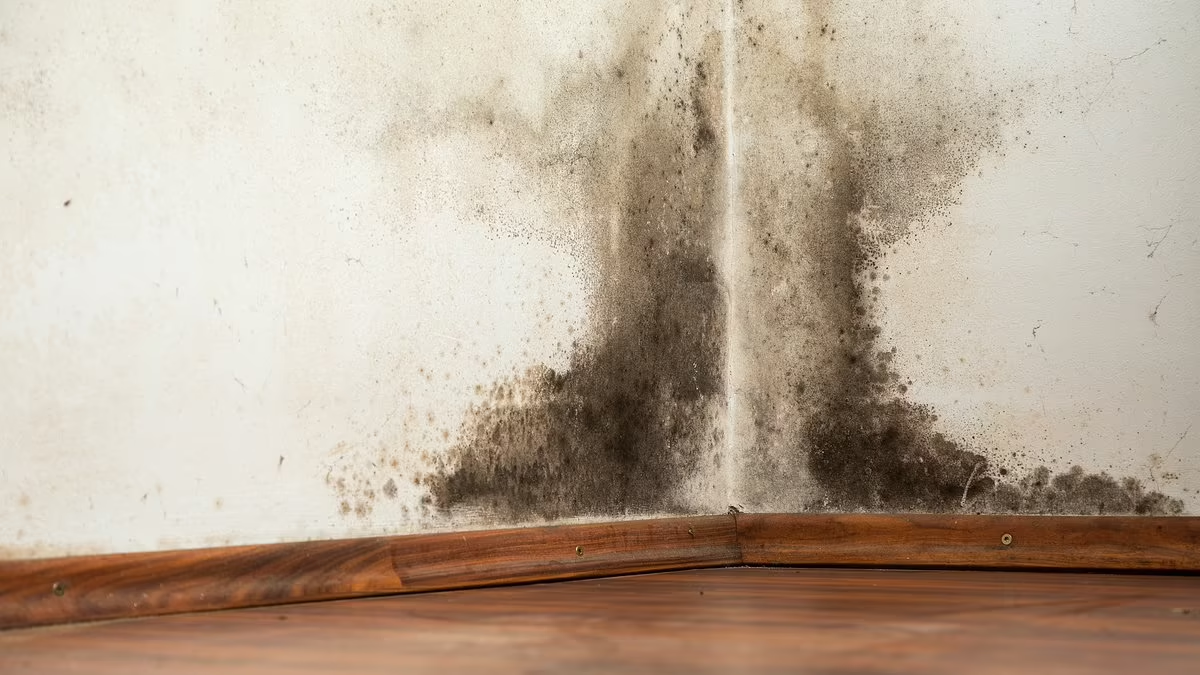
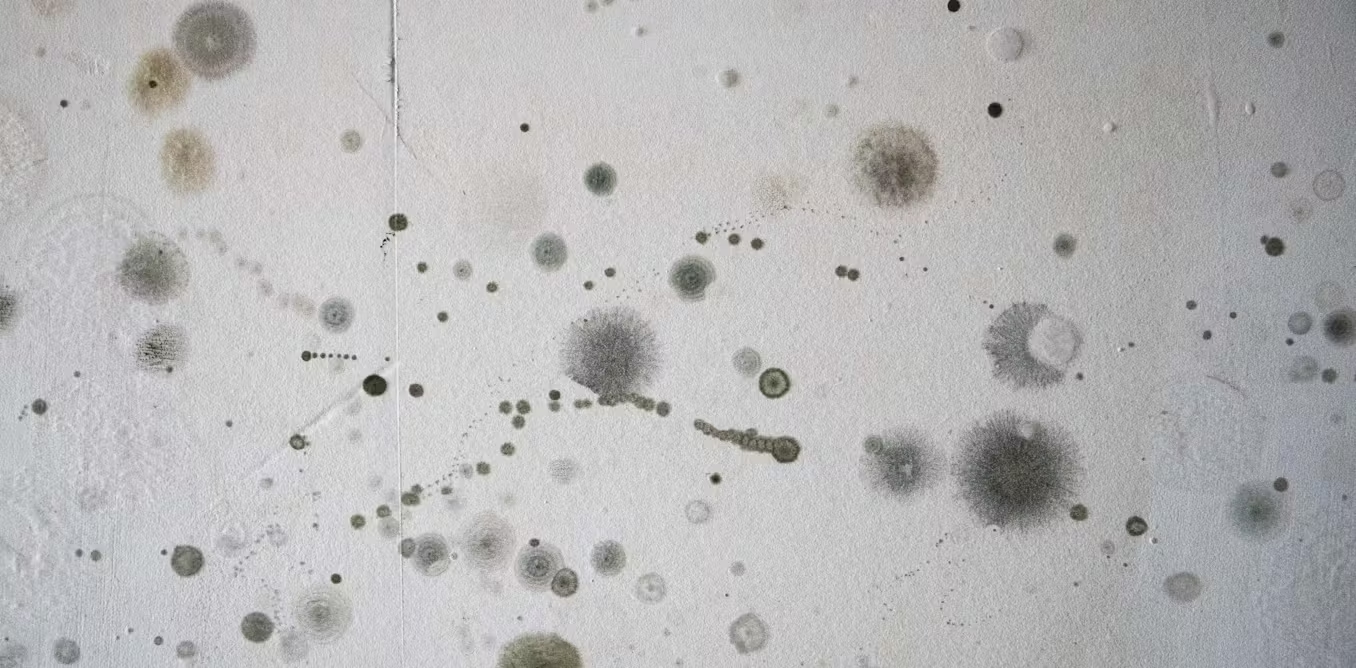
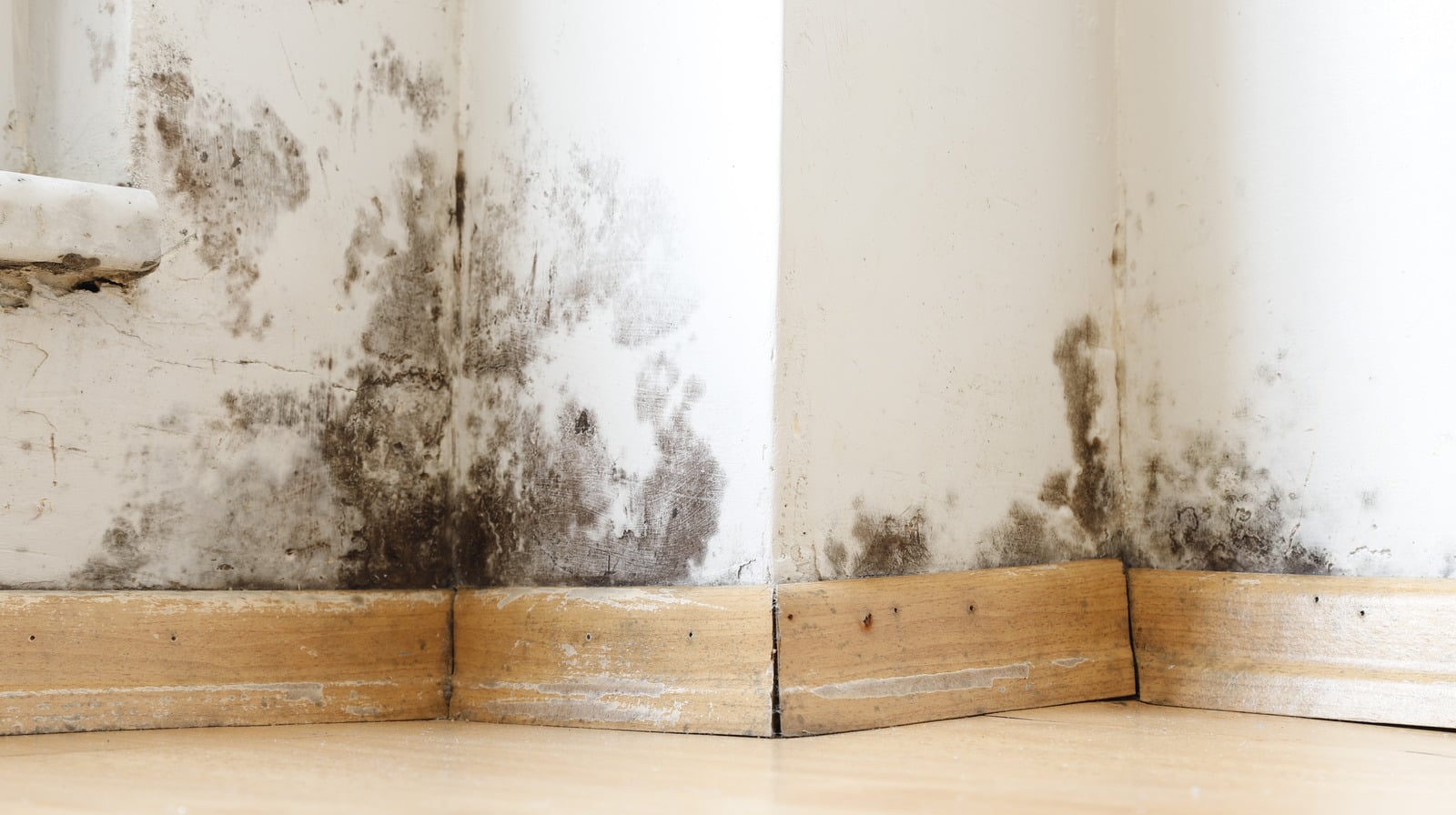
Mold in homes can pose significant health risks, especially if it covers an area larger than a pizza box, as it releases spores that can cause respiratory issues and other health problems. Black mold is particularly concerning, but other types like blue, green, pink, yellow, orange, and white molds also pose risks if they spread extensively. Experts recommend cleaning mold with bleach or detergent and wearing a mask to avoid inhaling spores. Mold is prevalent in U.S. homes, affecting air quality and potentially leading to serious health issues.
Mold in the home can pose health risks, particularly for those with allergies or respiratory issues. It's important to address mold growth promptly by identifying and fixing sources of moisture, improving ventilation, and cleaning affected areas. Regular home maintenance and monitoring can help prevent mold problems.
The FDA has issued a warning to Tom's of Maine after finding disease-causing bacteria and mold-like substances in its Sanford, Maine facility. The bacteria, including Pseudomonas aeruginosa, were found in the water used in products and equipment cleaning. Despite these findings, Tom's continued product distribution based on final product tests without investigating water quality. The company, owned by Colgate-Palmolive, is working with the FDA to address these issues, which also include complaints about product odor, color, and taste.
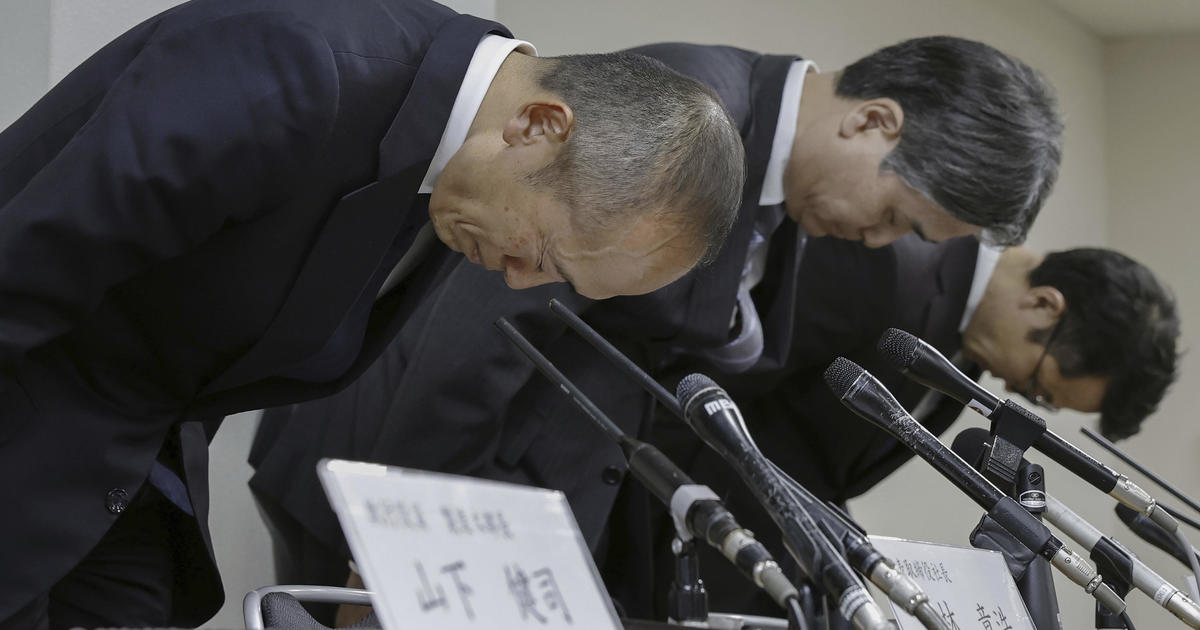
A health supplement containing mold has been recalled in Japan after causing two deaths and over 100 hospitalizations. The product, produced by Kobayashi Pharmaceutical Co., was marketed to lower cholesterol and contained an ingredient called "benikoji," a red species of mold. More than 40 other products from different companies containing benikoji have also been recalled. The government has issued a warning to stop ingesting anything with benikoji, and the company is investigating the cause of the issue.
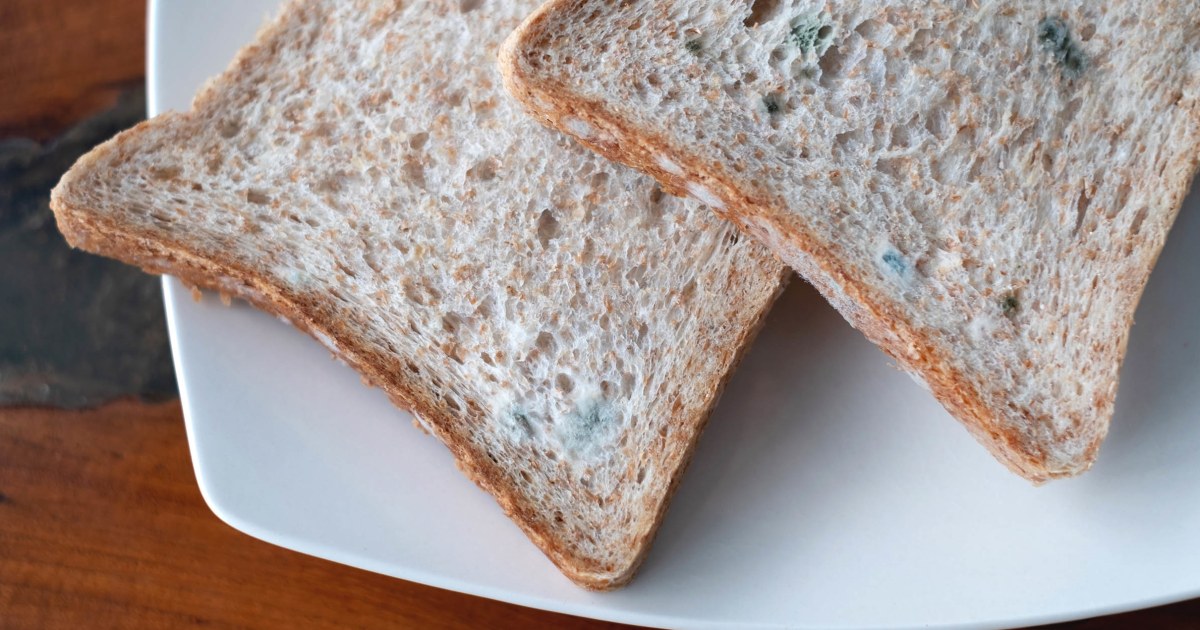
Mold is a type of fungi that grows on food due to spoilage, and while ingesting small amounts of mold is generally not harmful for healthy individuals, it can pose serious health risks for immunocompromised people and those allergic to mold. Certain types of mold can produce toxic substances called mycotoxins, which can cause adverse health effects and even be carcinogenic. It's important to avoid eating moldy foods when possible, as cutting around the mold may not eliminate the risk, and to seek medical attention if severe symptoms or signs of an allergic reaction develop after consuming moldy food. Preventive measures include discarding moldy food, refrigerating perishables, and examining food for signs of mold before buying.
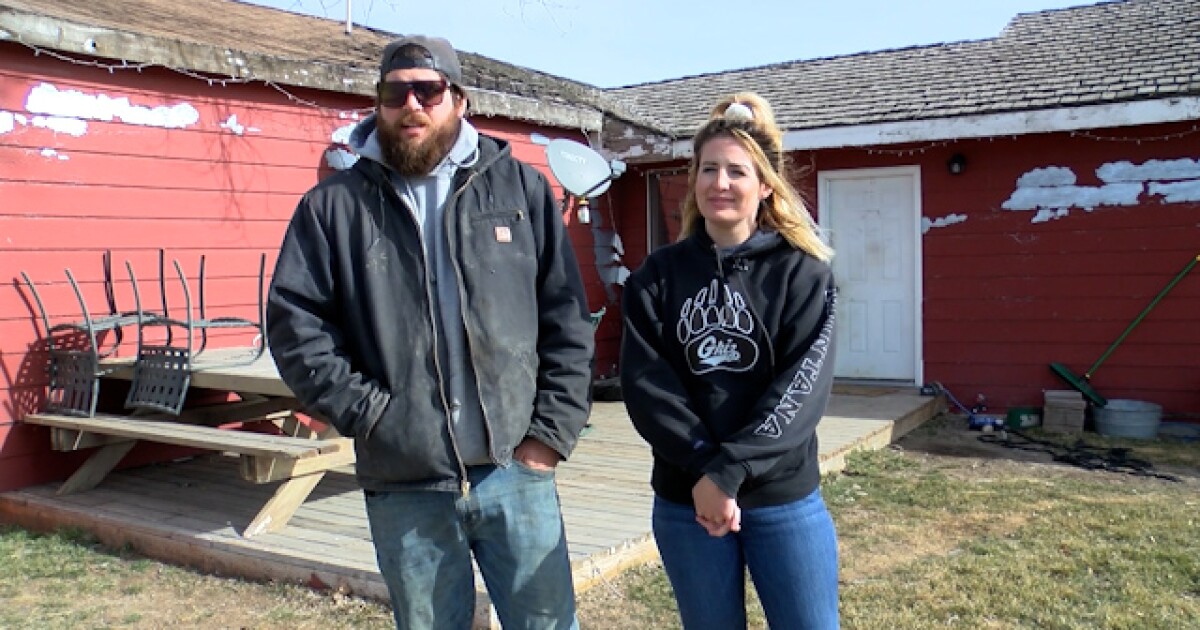
A family ranch in Fort Benton is threatened by severe mold infestation, causing health issues for the residents. The mold, which releases toxic Mycotoxins, has led to chronic fatigue and other health problems for Brianna Ayers. Despite difficulties in diagnosing mold-related illnesses, the family is raising awareness about the dangers of mold and plans to rebuild their home, as insurance does not cover the damage.
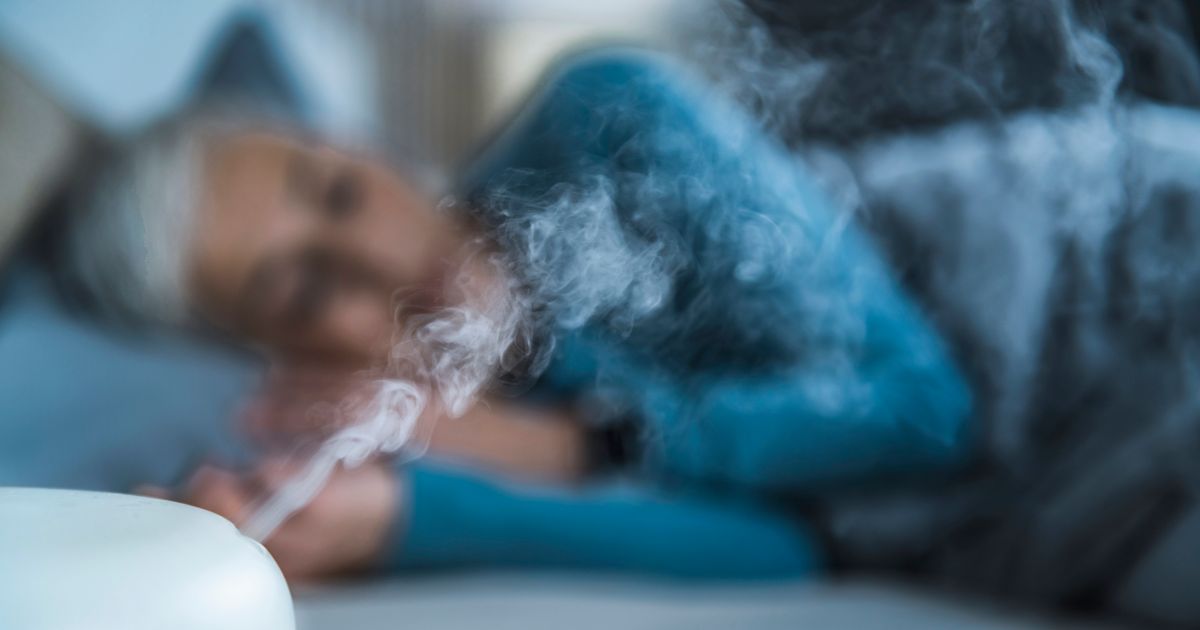
Neglecting to clean your humidifier can lead to the growth of mold and bacteria, which can cause flu-like symptoms, allergies, asthma, and even serious lung diseases. To properly disinfect your humidifier, experts recommend cleaning it at least once a week using distilled white vinegar, using a microfiber towel for scrubbing and drying, and using bottled distilled water to fill it. Regularly replacing filters and emptying and drying the water tank daily are also crucial. Mold and bacteria can be present even if the humidifier looks clean, so it's important to maintain regular cleaning to prevent potential health issues.
The Marine shower facility at Camp Geiger, North Carolina, featured in a viral video showing black spots of mold on the walls and ceilings, has been shut down and quarantined off for repairs. The mold was reportedly caused by a faulty air conditioning system, and alternate facilities have been provided for service members. The incident highlights ongoing concerns about poor living conditions in military barracks, as detailed in a recent report by the Government Accountability Office. The Marine Corps is taking steps to refurbish the facility and inspect other buildings for similar issues.
Runny noses during the winter season may not always be due to a common cold, but rather allergies triggered by Christmas decorations. "Christmas tree syndrome" refers to allergic reactions caused by mold spores, pollen, or other allergens present on real Christmas trees, which can lead to symptoms such as sneezing, coughing, itchy eyes, congestion, or asthma flare-ups. Christmas trees can also contain pollen and unhealthy mold spores. Dust from stored decorations can trigger allergies due to the presence of pollen, mold spores, and dust mites. Additionally, scented candles release chemicals that can irritate the respiratory system.
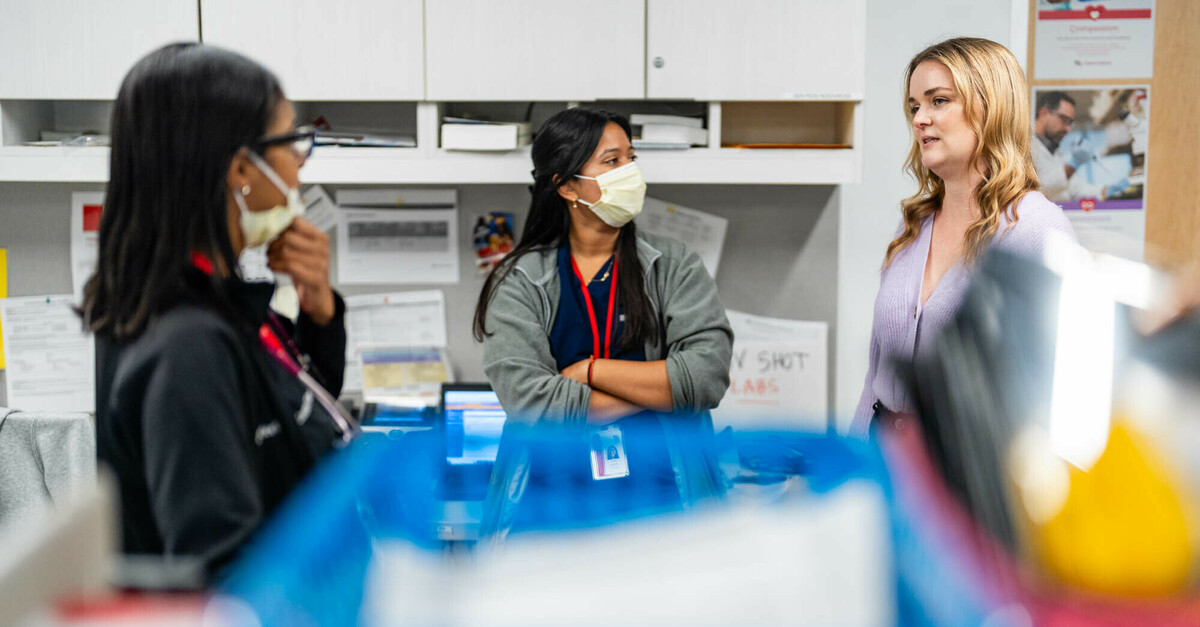
Doctors at Children's National Hospital in Washington, D.C. are partnering with lawyers to address poor housing conditions that exacerbate asthma in low-income children. The Healthy Together Program, a medical-legal partnership, helps families by documenting health-harming conditions in their homes and pressuring landlords to make repairs. If the landlord fails to comply, legal action is taken. Research shows that after legal interventions, children with asthma experience fewer emergency room visits and hospitalizations. Some insurers and hospital systems are now subsidizing these legal interventions, recognizing the impact of social needs on health outcomes. Medical-legal partnerships have gained interest and support across the country, with about 500 such partnerships in existence.
Doctors are teaming up with lawyers in medical-legal partnerships to address poor housing conditions that exacerbate asthma in low-income communities. These partnerships, such as the Healthy Together Program at Children's Law Center in Washington, D.C., document health-harming conditions in homes and work with landlords to make repairs. If the landlord doesn't comply, legal interventions are taken to court. Research shows that after legal interventions, children with asthma experience fewer emergency room visits and hospitalizations. Insurers and hospital systems are even subsidizing these legal interventions, recognizing the impact of social needs on overall health.
Ammonia is a powerful ally in the battle against mildew, thanks to its antimicrobial properties. Its alkaline nature creates an unfavorable environment for mildew growth, disrupting its development and preventing recurrence. Ammonia can penetrate porous surfaces, effectively eliminating both visible signs of mildew and any remaining spores. However, safety is crucial when using ammonia, as its fumes can be strong. Diluting it with water in a well-ventilated area and avoiding mixing it with bleach are essential precautions. Incorporating ammonia into a regular cleaning routine can help prevent mildew from returning.
A TikToker sparked a hygiene debate after admitting she rarely washes her reusable water bottle because it's only filled with water. While some viewers found her admission relatable, others expressed concern about potential mold intake. Despite the criticism, the TikToker remained unfazed and defended her cleaning habits. Experts recommend cleaning reusable water bottles daily with hot, soapy water or using a dishwasher to maintain hygiene.