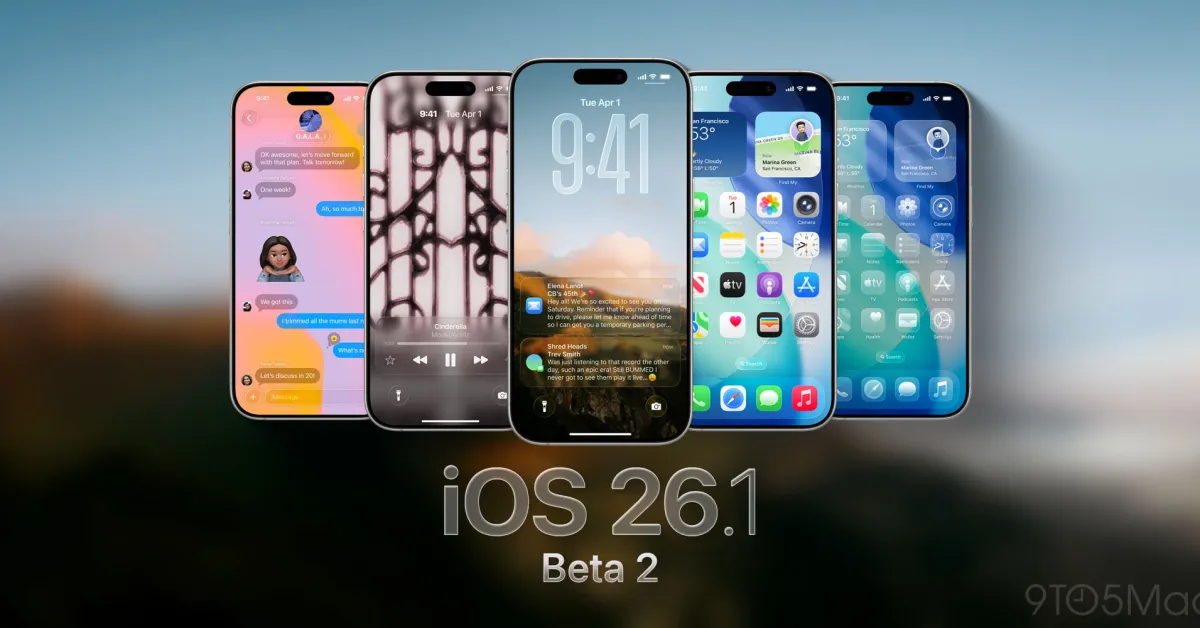
Apple has released the second beta of iOS 26.1 for developers, focusing on minor design tweaks, expanding Apple Intelligence to new languages, and other improvements, with a public beta expected soon.
The article discusses five new features and changes introduced in the latest iOS 26 beta, highlighting Apple's ongoing updates to enhance user experience and functionality.
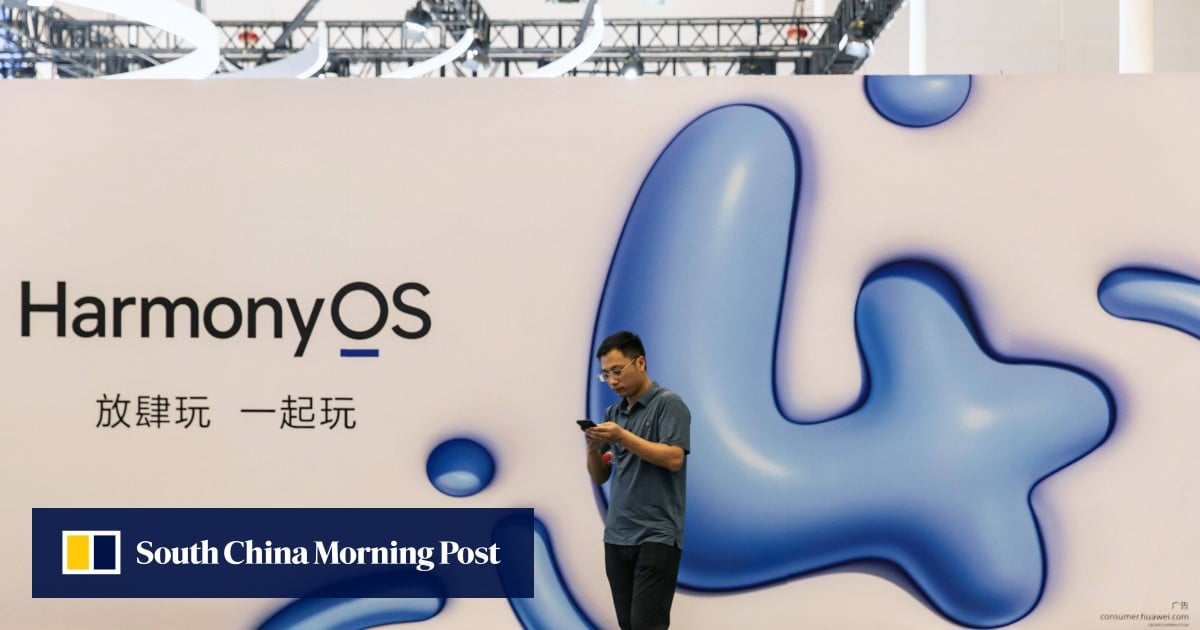
Huawei unveiled HarmonyOS Next in January, signaling a departure from its previous Android-compatible versions and a determination to establish its own self-sufficient ecosystem of mobile applications to compete with iOS and Android in China.
Android 15 may introduce a redesigned volume panel with new features, including a collapsible design, larger sliders, and quick access to audio controls such as Spatial Audio and noise control. The update, which aligns with Material You design, is not yet live but could be included in later releases, possibly debuting in the first beta release at Google I/O 2024.
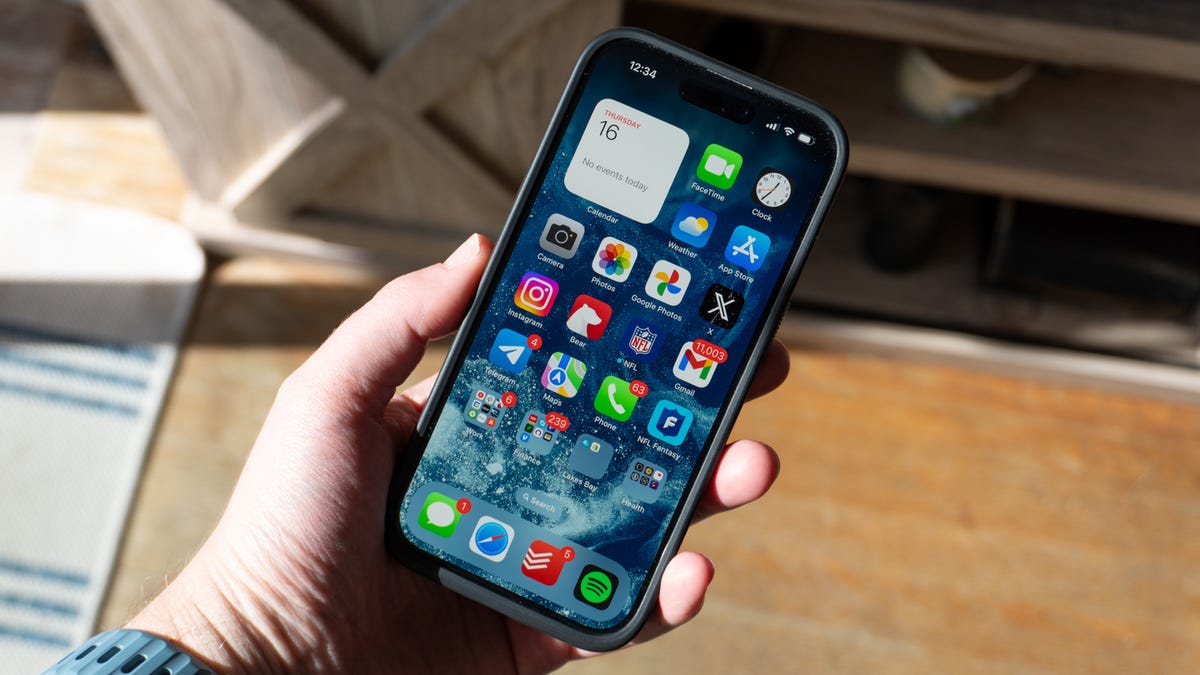
Apple is set to introduce a long-awaited feature in iOS 18 that will allow users to freely rearrange app icons on their home screens, a capability that Android has had for 15 years. This update is expected to be one of the biggest in Apple's history, and it may also include the addition of Google's Gemini AI model and RCS texting support, bringing higher-resolution photo and video messaging, audio messaging, typing indicators, and read receipts between Android phones and iPhones.
The first preview of Android 15 is set to be released today, with speculation that it will be available on Pixel 6 and later devices. Not much is known about the update, but it may include the Private Spaces feature and new accessibility features. Unlike public betas, this developer preview is intended for app developers and requires sideloading via Android Studio and a USB connection. The final release of Android 15 is expected to be announced in the summer and fully available in the fall, likely coinciding with the Pixel 9 series.
Huawei has released a preview version of its updated HarmonyOS Next, a major upgrade to its mobile platform, which will no longer support Android-based applications. Over 200 industry partners are developing native HarmonyOS apps, with plans to onboard 5,000 partners by 2024. The company aims to surpass Apple's iOS as the second-biggest operating system in China this year, and is investing in cultivating developers and innovation for HarmonyOS.
Google has announced that the development environment and emulation for RISC-V Android are in place, indicating that RISC-V phones will soon be hitting the market. This could lead to a proliferation of powerful RISC-V computing, similar to the trend seen with inexpensive ARM single board computers. However, it is expected that these devices will still come with proprietary peripherals and closed source blobs.
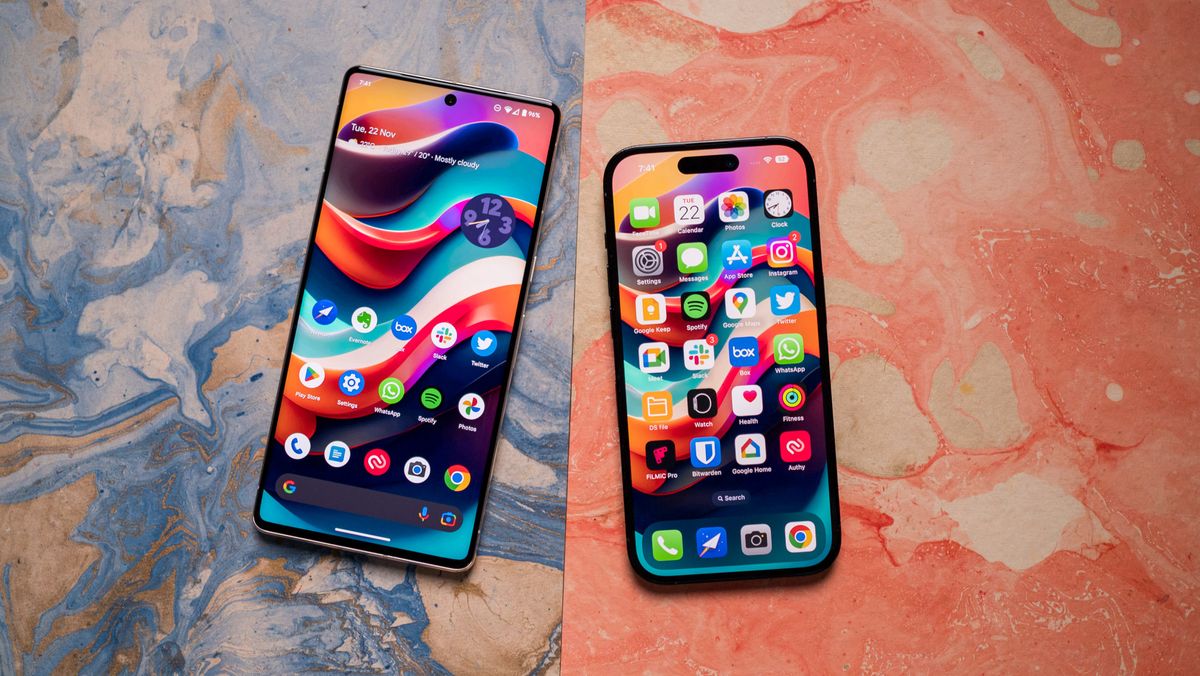
iOS 17 has copied several features from Android, including StandBy, Live Voicemail, NameDrop, interactive widgets, simplified Home Screen, offline maps, predictive text, and private tabs. While some of these features have been available on Android for years, Apple is finally catching up with its mobile operating system.