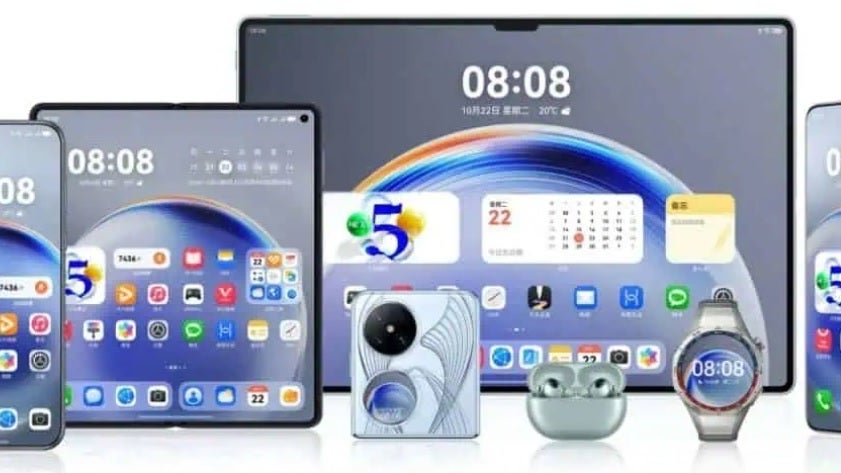
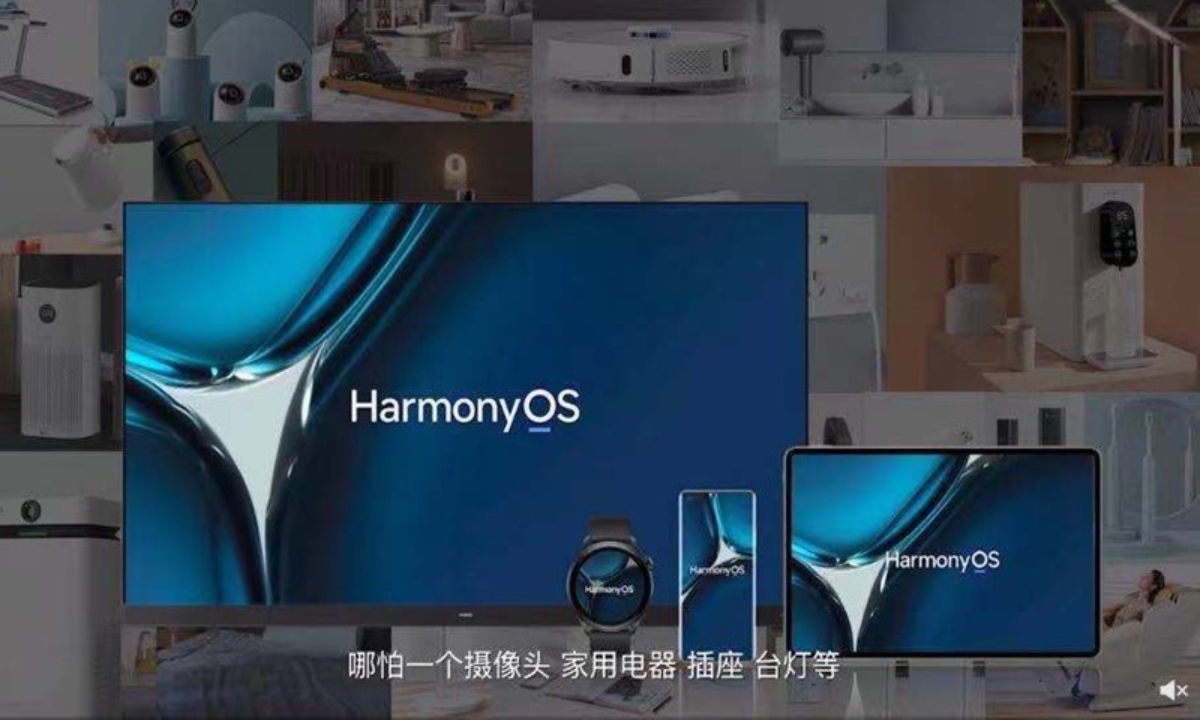
Huawei has shipped over 103 million devices running its HarmonyOS, with nearly half in 2024, as the company shifts away from Android and Windows due to US sanctions, marking a significant move towards technological independence and self-sufficiency.
Huawei's upcoming HarmonyOS NEXT, which does not natively support Android apps, can still run them using an Android emulator called "EasyAbroad" found in Huawei's AppGallery. This emulator allows users to access popular Android apps like YouTube and Google Maps, although with some limitations such as notification issues. The emulator uses microG to provide Google Play Services functionality without a Google account. This development follows Huawei's shift to HarmonyOS after losing access to Google's services due to U.S. trade restrictions.
Huawei's Mate 70-series smartphones are expected to see lower sales compared to the Mate 60 due to weaker processor performance and supply chain risks amid geopolitical tensions. Despite being touted as the most powerful Mate phones, the Mate 70's delayed release and modest chipset updates, featuring the Kirin 9010 and 9020 processors, may limit its market potential. Analysts project sales of 3 million units in the fourth quarter, accounting for 22% of Huawei's total smartphone shipments.
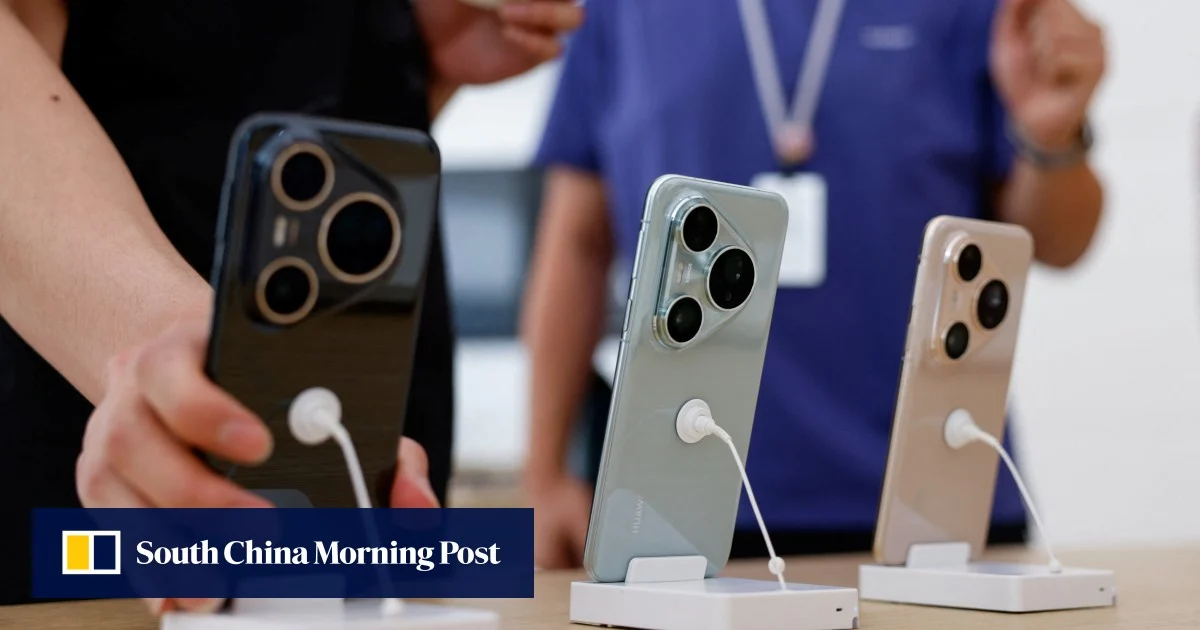
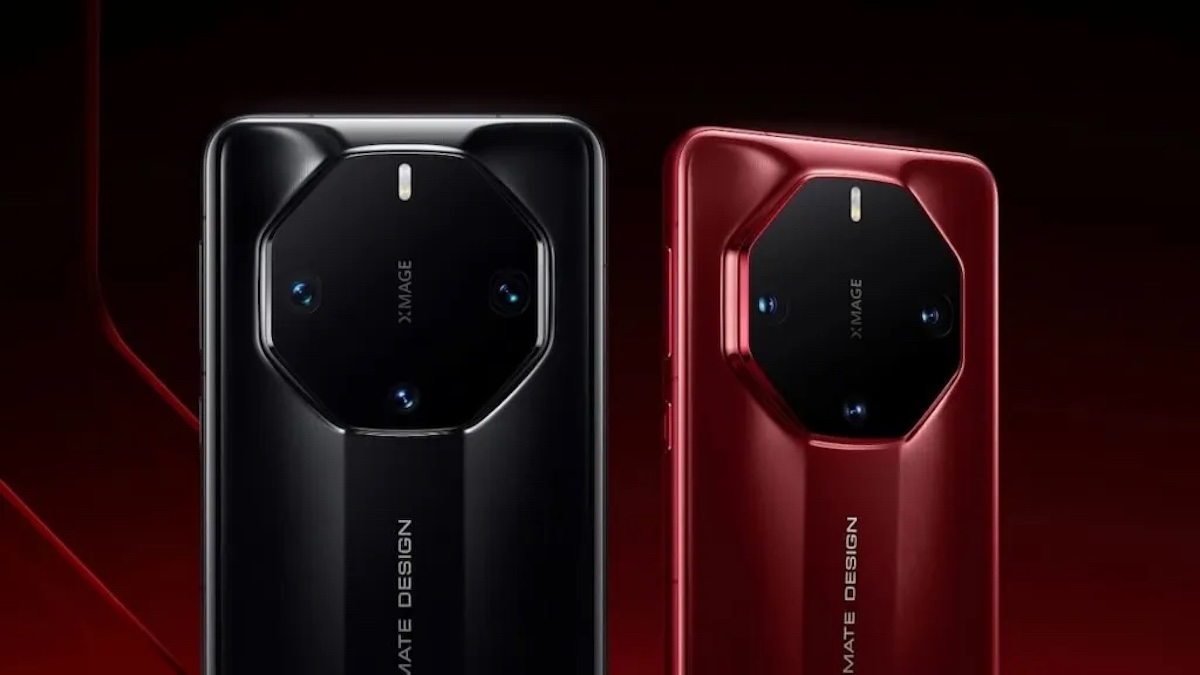
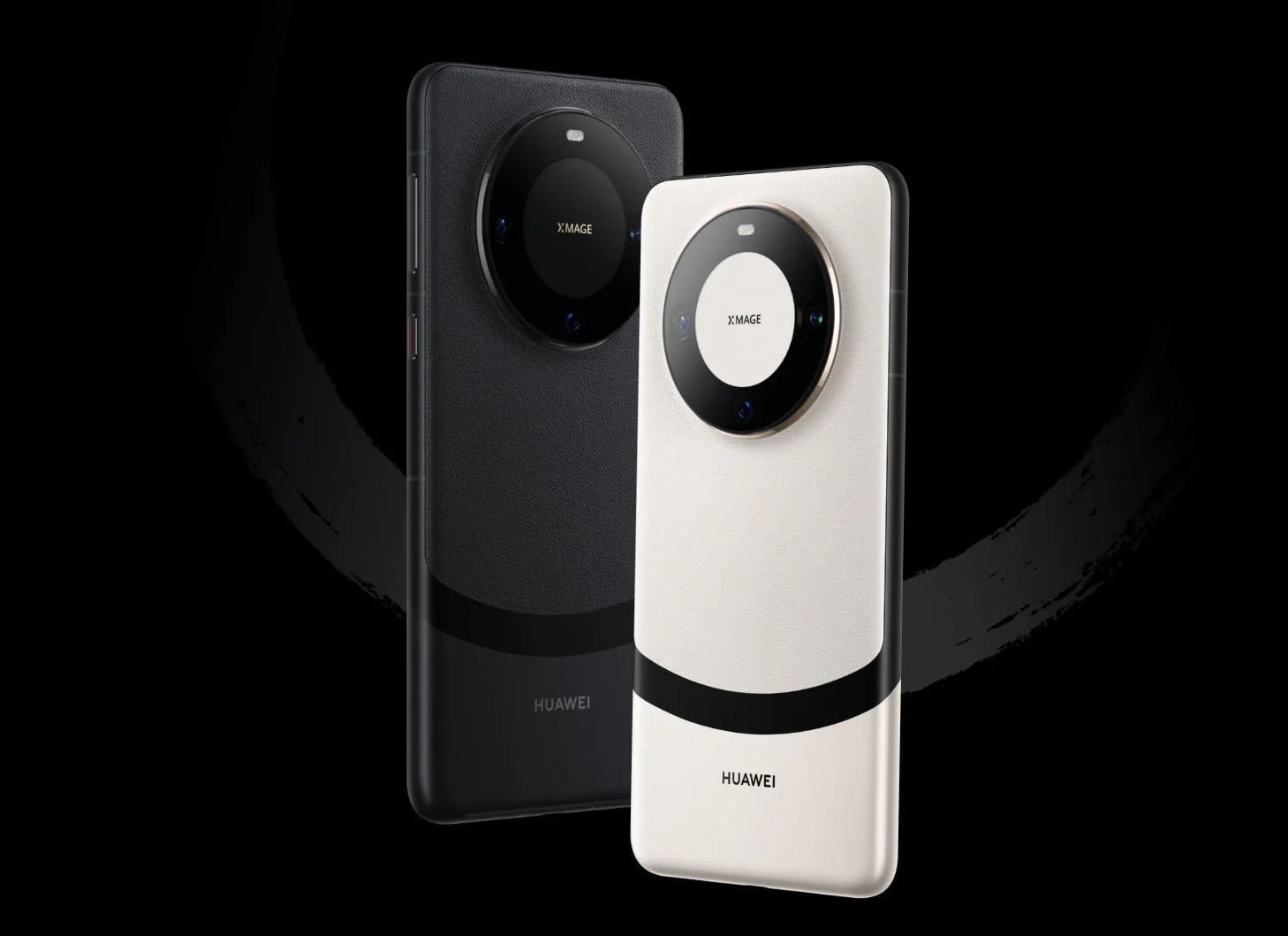
Huawei has launched its Mate 70 series smartphones, featuring its own HarmonyOS NEXT operating system and the world's first satellite paging system for mobile phones. This innovation aims to enhance communication in remote areas and improve overall smartphone performance by 40%. The Mate 70 series, priced from 5,499 yuan, has already received over 3.34 million pre-orders. The series also boasts advanced connectivity and durability features, setting new standards in the smartphone industry.
Huawei has launched the Mate 70 smartphone, featuring its homegrown HarmonyOS Next operating system, which does not support Android apps. This move is part of Huawei's strategy to counter US sanctions and establish itself as a major player in the high-end smartphone market, challenging Apple and Google. The Mate 70 marks a significant step in Huawei's software development, aiming to build a robust app ecosystem and expand globally. Huawei's market share in China's premium segment has grown significantly, while Apple's has declined.
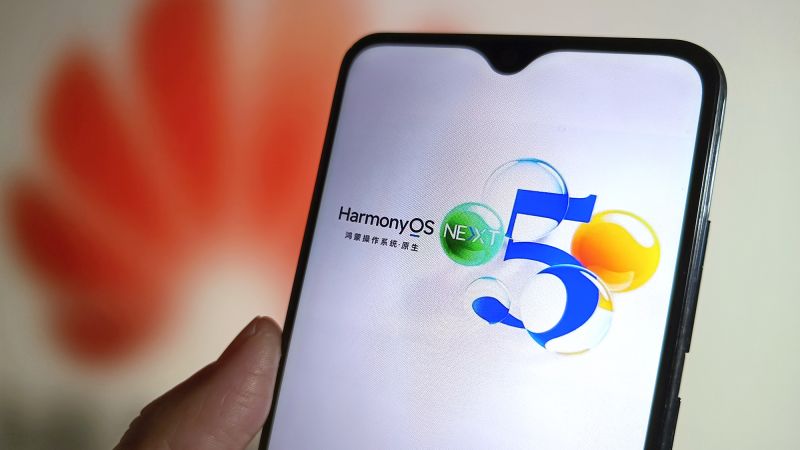
Huawei is launching its new Mate 70 smartphone, featuring the HarmonyOS Next, a fully independent operating system developed in China. This marks a significant milestone for Chinese tech companies amid US sanctions, as it moves away from reliance on Google's Android. The development of HarmonyOS Next is seen as a strategic move by Huawei to mitigate potential US tech restrictions, although the challenge remains to attract enough app developers to compete with established systems like iOS and Android.
Huawei is set to launch its Mate70 smartphone on November 26, marking a significant step in its pursuit of self-sufficiency from US technology. The Mate70 series will feature the new Kirin 9100 processor, made by SMIC, and will run on Huawei's HarmonyOS Next, which is independent of Android. This launch comes amid ongoing US sanctions and could further escalate tensions in the US-China tech conflict, especially following recent US restrictions on semiconductor exports to China.
Huawei Technologies is nearing a billion active consumer devices, driven by the success of its HarmonyOS and premium smartphones like the Mate 60 Pro. The company has seen significant growth in sales and market share, particularly in China, and is planning to release the Mate 70 with HarmonyOS Next. Huawei is also advancing in AI with its Ascend GPU, positioning itself as a strong competitor against global tech giants.
Huawei is rumored to launch the Mate 70 series in October with an upgraded Kirin chipset and improved imaging capabilities, possibly being the company's first 5nm silicon. The flagship models are expected to ship with Huawei's HarmonyOS instead of Android, and the company aims for a higher shipment volume compared to the Mate 60. Huawei and SMIC are reportedly working together to ensure a steady supply of chips for the new models, with the former investing in a chip R&D plant, but details are unconfirmed.
The Chinese government is aggressively promoting Huawei's HarmonyOS by setting adoption targets and launching a program to boost the ecosystem of applications, aiming to make the platform competitive against Windows, Android, and iOS. Huawei's HarmonyOS, initially developed to circumvent U.S. sanctions, has expanded to various devices. The Shenzhen government's action plan aims to increase the development of native HarmonyOS applications, with a goal for these applications to account for over 10% of China's total by 2024. Huawei is collaborating with app developers and training coders to create around three million jobs and plans to add over 5,000 apps to HarmonyOS to compete with other operating systems.
Huawei unveiled HarmonyOS Next in January, signaling a departure from its previous Android-compatible versions and a determination to establish its own self-sufficient ecosystem of mobile applications to compete with iOS and Android in China.
Huawei Technologies will not support Android apps on the latest version of its Harmony operating system, as the company aims to strengthen its own software ecosystem. The developer version of HarmonyOS Next is set to be released in the second quarter of this year, followed by a full commercial version in the fourth quarter. This move marks Huawei's continued effort to reduce reliance on Android after U.S. restrictions cut its access to Google's technical support. The company also expects its 2023 revenue to exceed 700 billion yuan, signaling a 9% year-on-year growth.
Huawei has released a preview version of its updated HarmonyOS Next, a major upgrade to its mobile platform, which will no longer support Android-based applications. Over 200 industry partners are developing native HarmonyOS apps, with plans to onboard 5,000 partners by 2024. The company aims to surpass Apple's iOS as the second-biggest operating system in China this year, and is investing in cultivating developers and innovation for HarmonyOS.
Chinese domestic operating systems, particularly Huawei's HarmonyOS, are predicted to experience significant growth in 2024 as a result of the US crackdown on technology exports to China, which has accelerated the country's push for technological self-reliance. HarmonyOS is expected to surpass Apple's iOS as the second-largest OS in China and will be incompatible with Android. The OS is designed for the Internet of Everything era and is being adopted by major Chinese companies and even global entities like McDonald's China. This growth is part of a broader trend towards localization and security in Chinese technology development.
Huawei's HarmonyOS is set to potentially surpass Apple's iOS in China, as reported by the South China Morning Post and TechInsights. This development comes after Huawei was forced to create its own operating system due to U.S. sanctions. HarmonyOS has gained traction with over 700 million devices running it and a strong developer base. Huawei's resurgence is marked by the success of its Mate 60 Pro smartphone, capturing a significant share of China's market. This poses a challenge for Apple, especially with upcoming Chinese regulations that could affect its app store offerings.