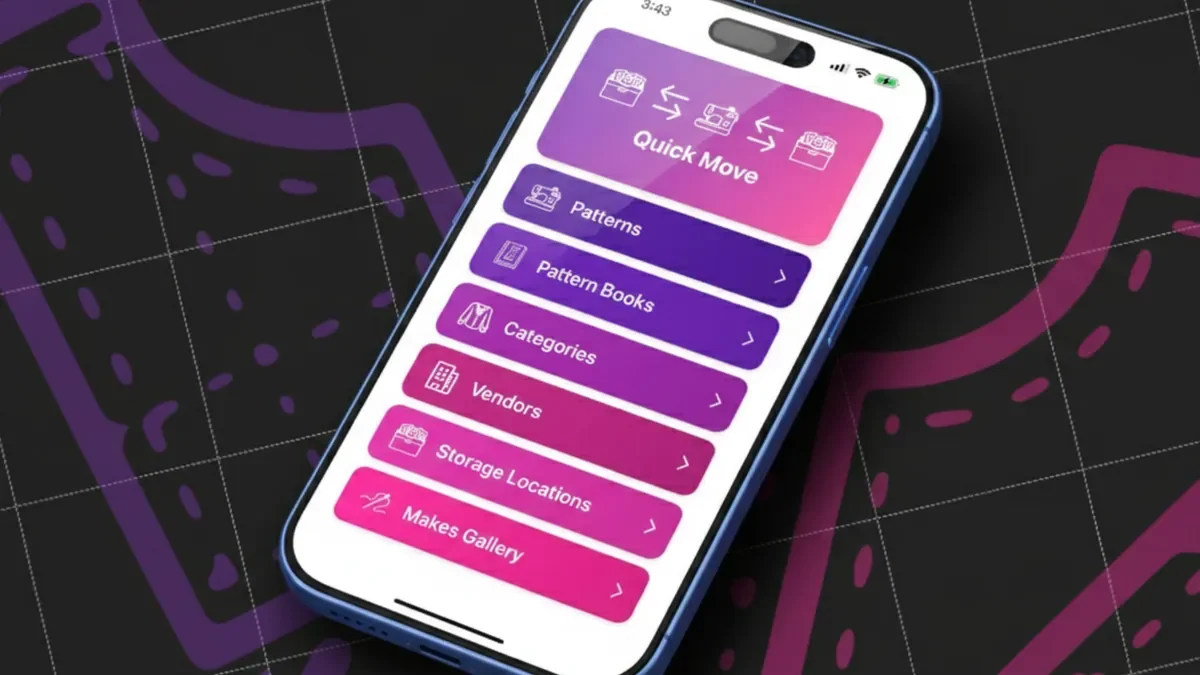
After losing his job, Christian Jones from Devon developed a free dog walking app to help dog owners find and record walks, relying on community contributions; it has gained over 250 users and offers social benefits, though some are cautious about technology's role.
Zillow quickly developed a ChatGPT-integrated real estate app in less than six weeks, collaborating with OpenAI using their app development tools to enhance home buying and selling experiences with AI-driven features, emphasizing control over data and user interface, and aiming to lead AI disruption in real estate.
Apple announced that starting January 1, 2026, new Texas law SB2420 will require apps to implement age verification and parental consent mechanisms, impacting user privacy and app behavior, with similar laws expected in Utah and Louisiana later in 2026.
Nothing has launched Playground, an AI-powered tool that allows users to create and customize mini apps and widgets using simple text prompts, aiming to enhance software personalization on smartphones. Currently, it supports building basic widgets like flight trackers and virtual pets, with plans to expand but not yet enabling full-screen app development. The company emphasizes security and community engagement as key to its AI app ecosystem, despite being a small player in the global smartphone market.
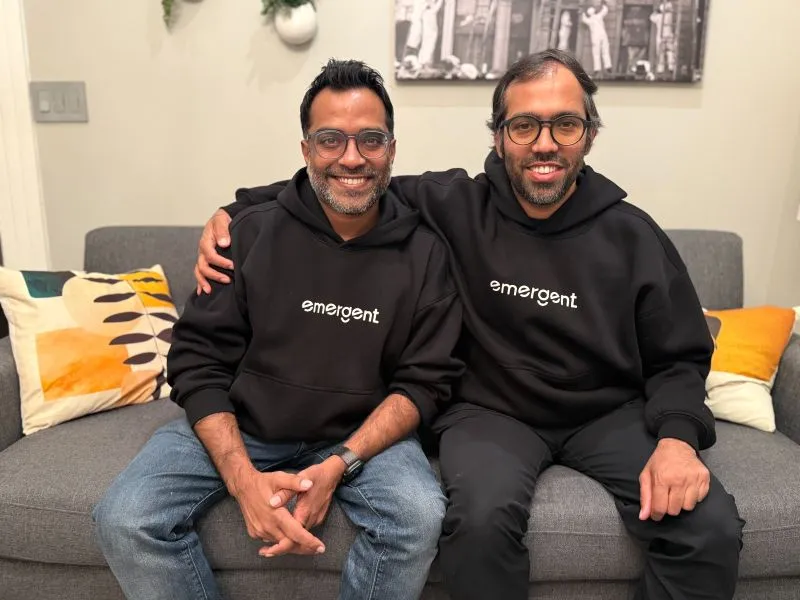
Emergent, a startup that enables non-technical users to create apps using AI prompts, has raised $23 million in Series A funding led by Lightspeed. The platform simplifies app creation, management, and deployment, aiming to democratize app development and compete with other vibe coding solutions. Since its launch, over 1.5 million apps have been built, and the company plans to expand its features, including native mobile app building and improved discovery and monetization options.
Blender is developing a full-fledged mobile version, initially targeting iPad Pro and Apple Pencil, with features like icon support and shortcuts, and plans for a demo at SIGGRAPH 2025. The project invites experienced developers to contribute, aiming for cross-platform support and enhanced touch functionalities.
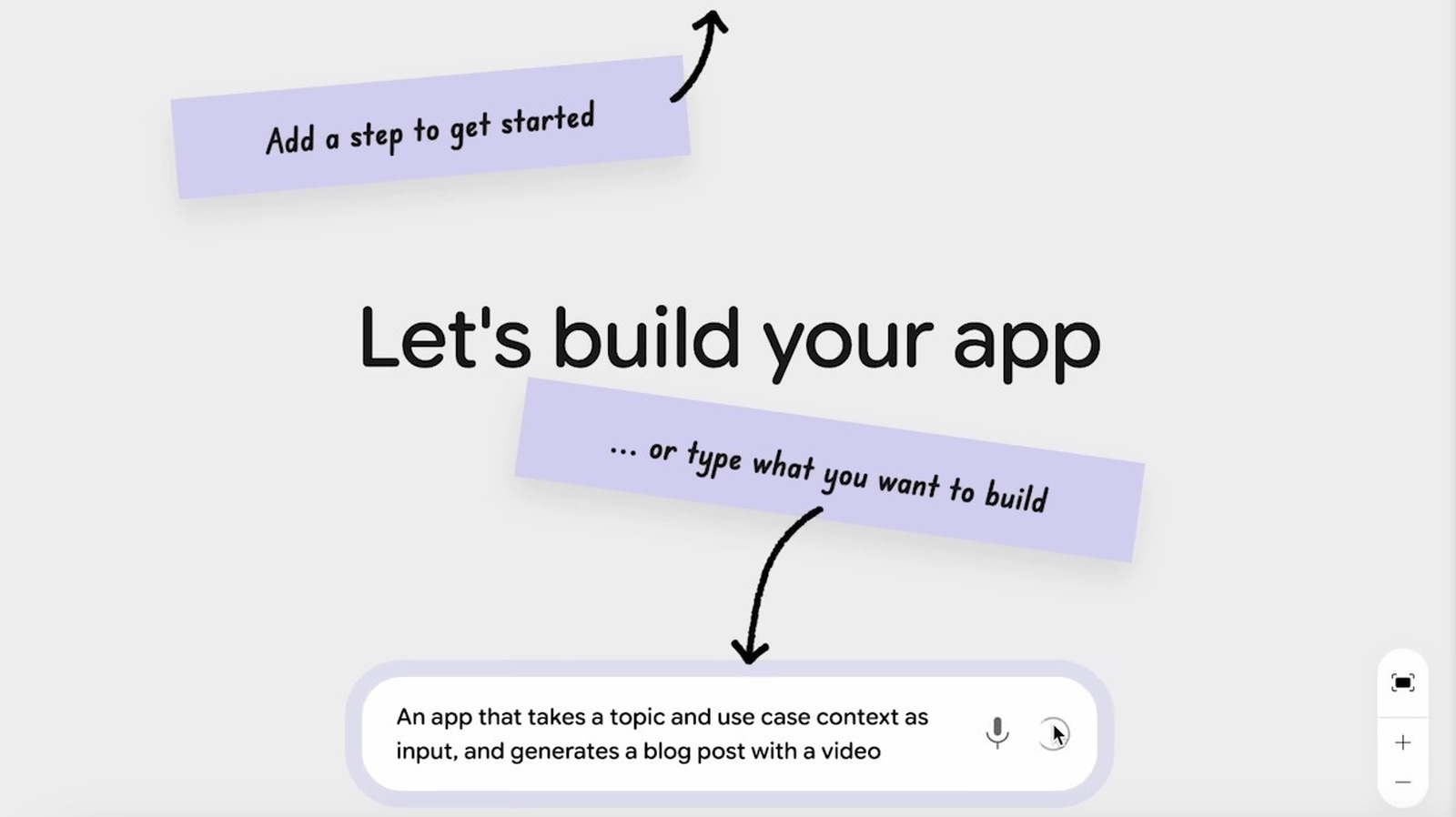
Google has introduced Opal, a new AI-powered tool for vibe coding that allows users to create, edit, and share apps using natural language commands, making app development more accessible and efficient, with free trials available through Google Labs.
Apple is expanding its App Store age-rating system to include 13+, 16+, and 18+ categories, replacing some previous ratings, and requiring developers to answer new questions about content and controls. The update aims to improve child safety and content appropriateness, with automatic updates across the store and upcoming public release. It also aligns with broader legislative efforts to protect children online, offering more detailed guidance for parents and potentially reducing app visibility for higher-rated content.
Twitter co-founder Jack Dorsey has launched a new iOS app called Sun Day that tracks sun exposure and vitamin D levels using location data, skin type, and clothing information, available via TestFlight and open-source on GitHub, as part of his recent coding projects using AI tools.
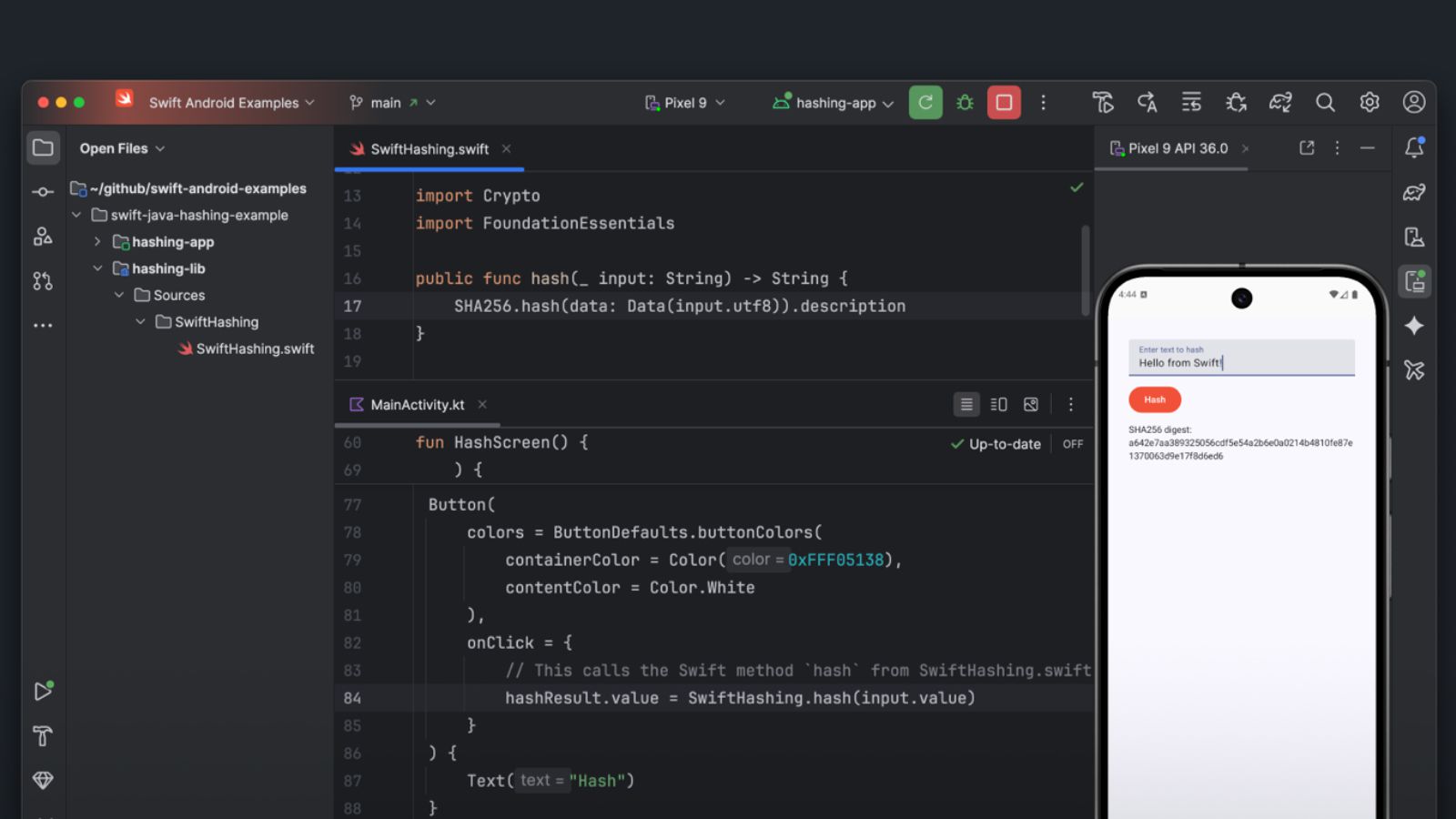
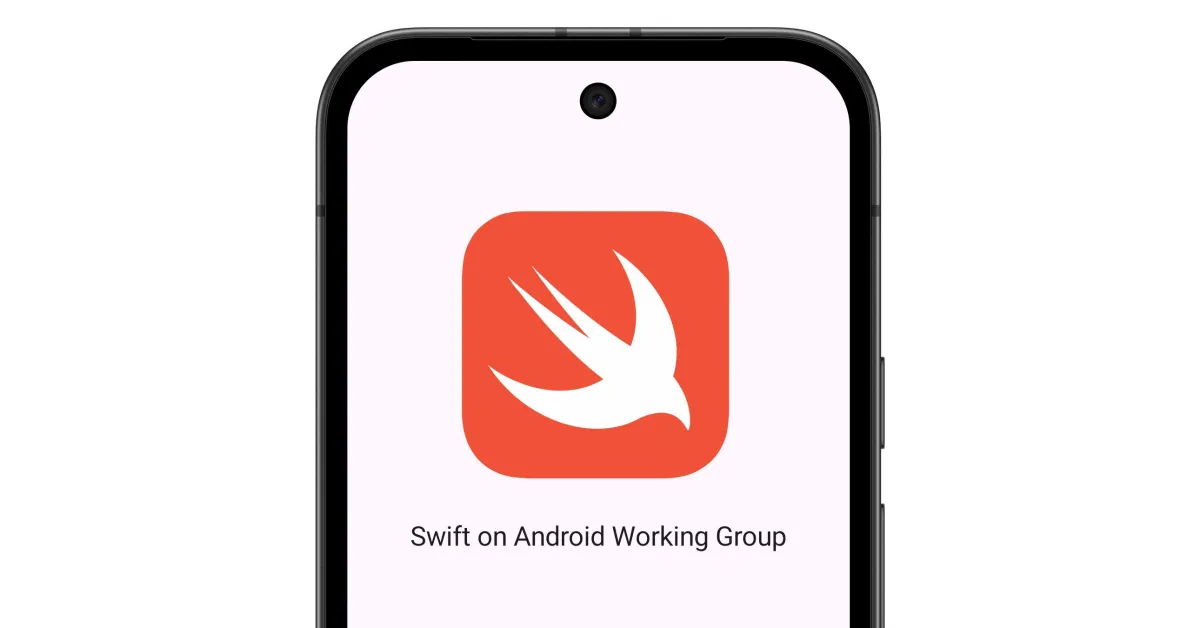
Apple's Swift programming language is expanding to support Android app development through the creation of an 'Android Working Group,' aiming to establish official support, improve compatibility, and develop best practices for Swift on Android, despite existing third-party tools and prior interest from Google.
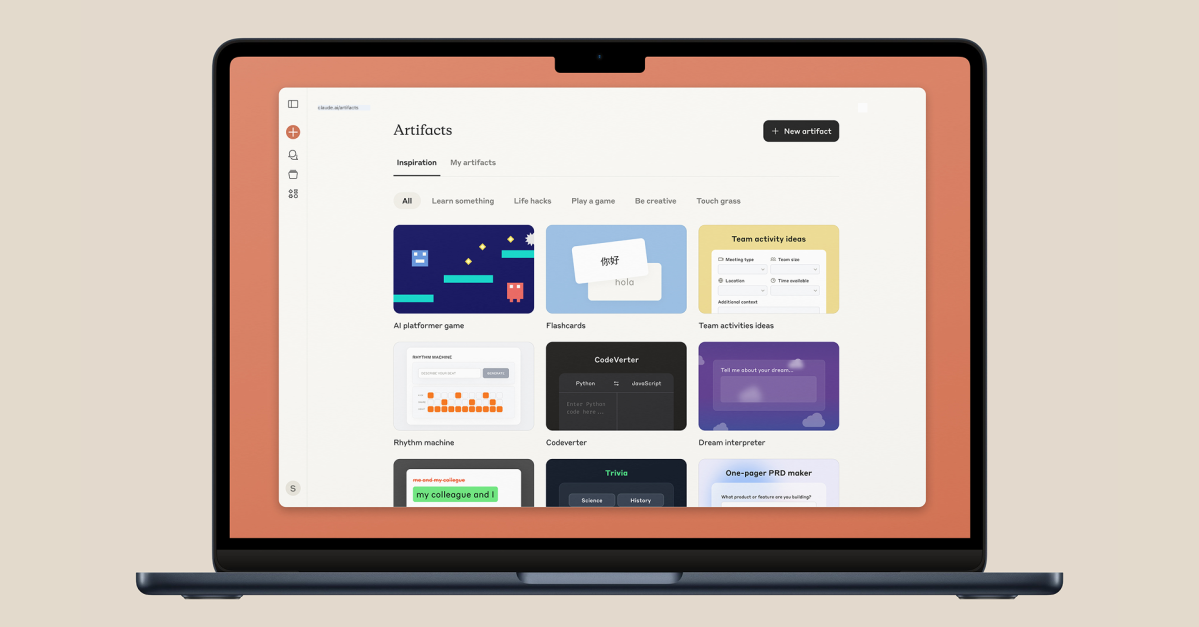
Anthropic has introduced a new beta feature in its Claude AI chatbot that allows users to build AI-powered applications directly within the app by describing what they want, with early users creating various tools like games, learning aids, and data analysis apps. The feature also supports sharing and API interaction, and is available across multiple subscription tiers.
Google is shutting down Android Instant Apps in December 2025 due to low usage, as the feature has not gained enough popularity and developers are shifting to other app discovery tools, allowing Google to focus on more successful tools and encouraging full app downloads.
Google will discontinue its Android Instant Apps feature by December 2025 due to low developer adoption, as creating instant-enabled versions of apps is complex. The feature allowed users to try parts of apps without full installation, but its limited use and development challenges led to its shutdown, which most users likely won't notice.
Apple is expected to introduce significant improvements to SwiftUI, including a built-in rich text editor and native web view embedding, addressing long-standing developer frustrations and potentially encouraging wider adoption of the framework.