Meta’s planned 2026 AI-related capex of about $115–$135 billion could boost demand for AI hardware, a development some see benefiting bitcoin miners Cipher Mining (CIFR), Hut 8 (HUT), and IREN.
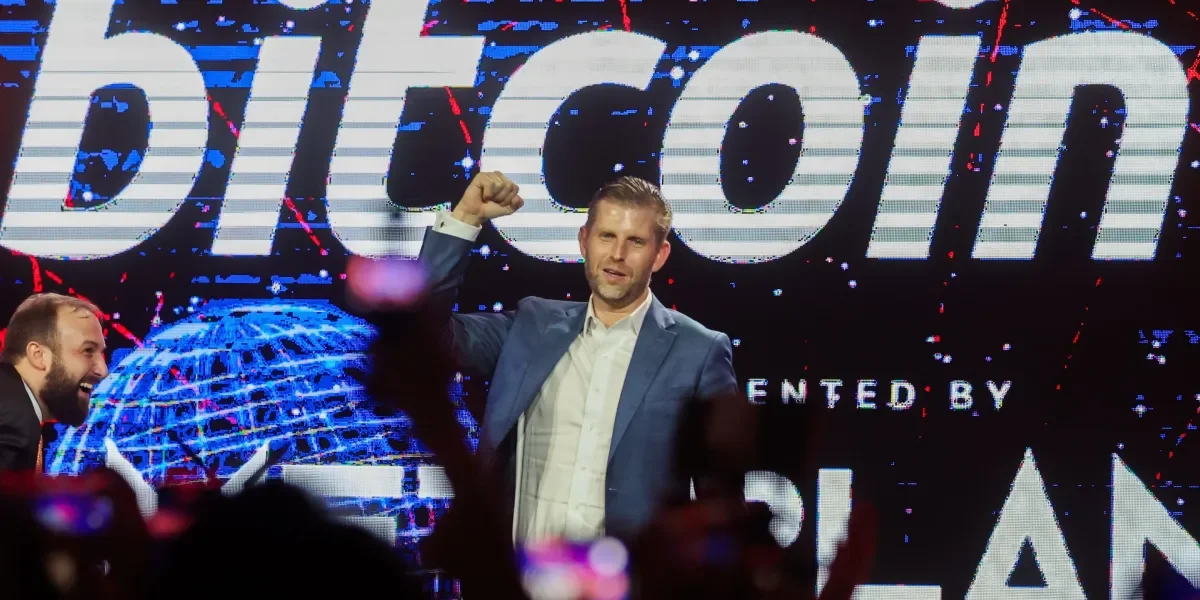
A Bitcoin mining company backed by Donald Trump’s sons, American Bitcoin, debuted on Nasdaq with a valuation exceeding $5 billion, after a significant stock surge and a series of crypto-related ventures by the Trump family, raising concerns about influence and financial gains.
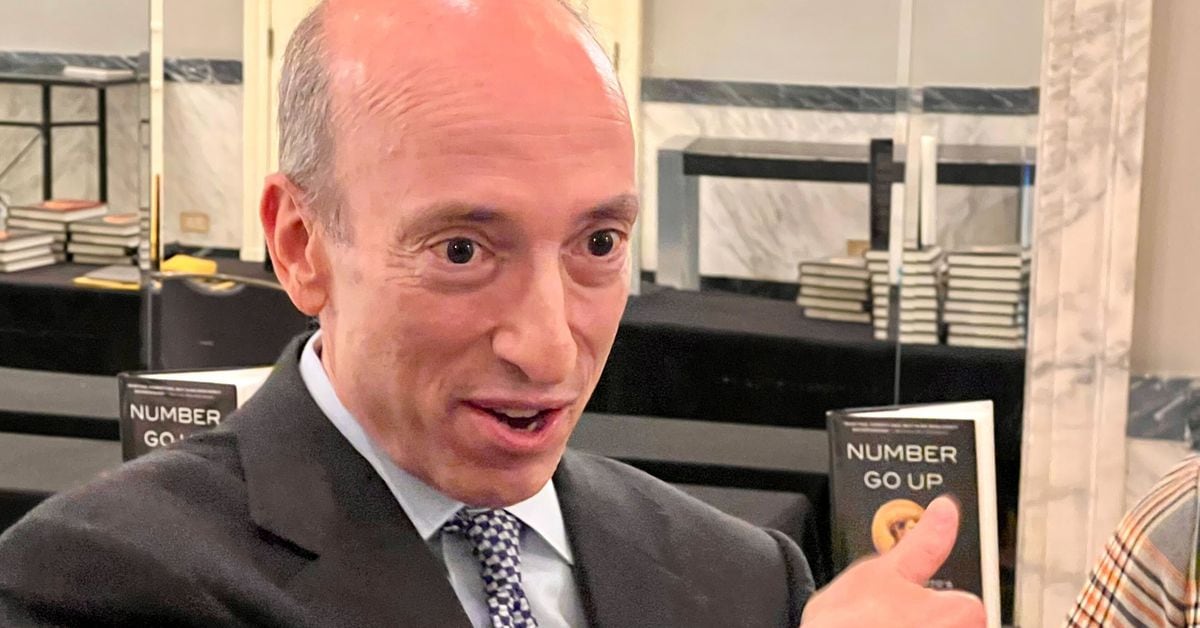
Donald Trump's potential return to the White House is seen as a positive development for the cryptocurrency industry, with expectations of regulatory clarity and the creation of a strategic bitcoin reserve. Bitcoin prices have surged to record highs, and the industry anticipates progress on crypto-related legislation with more pro-crypto lawmakers in Congress. Trump has promised to end the current administration's "anti-crypto crusade" and replace SEC chair Gary Gensler, which could lead to new crypto exchange-traded funds and growth in the U.S. bitcoin mining sector.
CoreWeave Inc. has made an all-cash offer of about $1 billion to acquire Bitcoin miner Core Scientific Inc., aiming to expand its AI data center capacity. The offer represents a 55% premium to Core Scientific’s recent average stock price, causing shares to surge. The companies have also signed 12-year contracts for Core Scientific to provide 200 megawatts of infrastructure to host CoreWeave’s operations, highlighting the growing demand for energy infrastructure and data center management amid the AI boom.
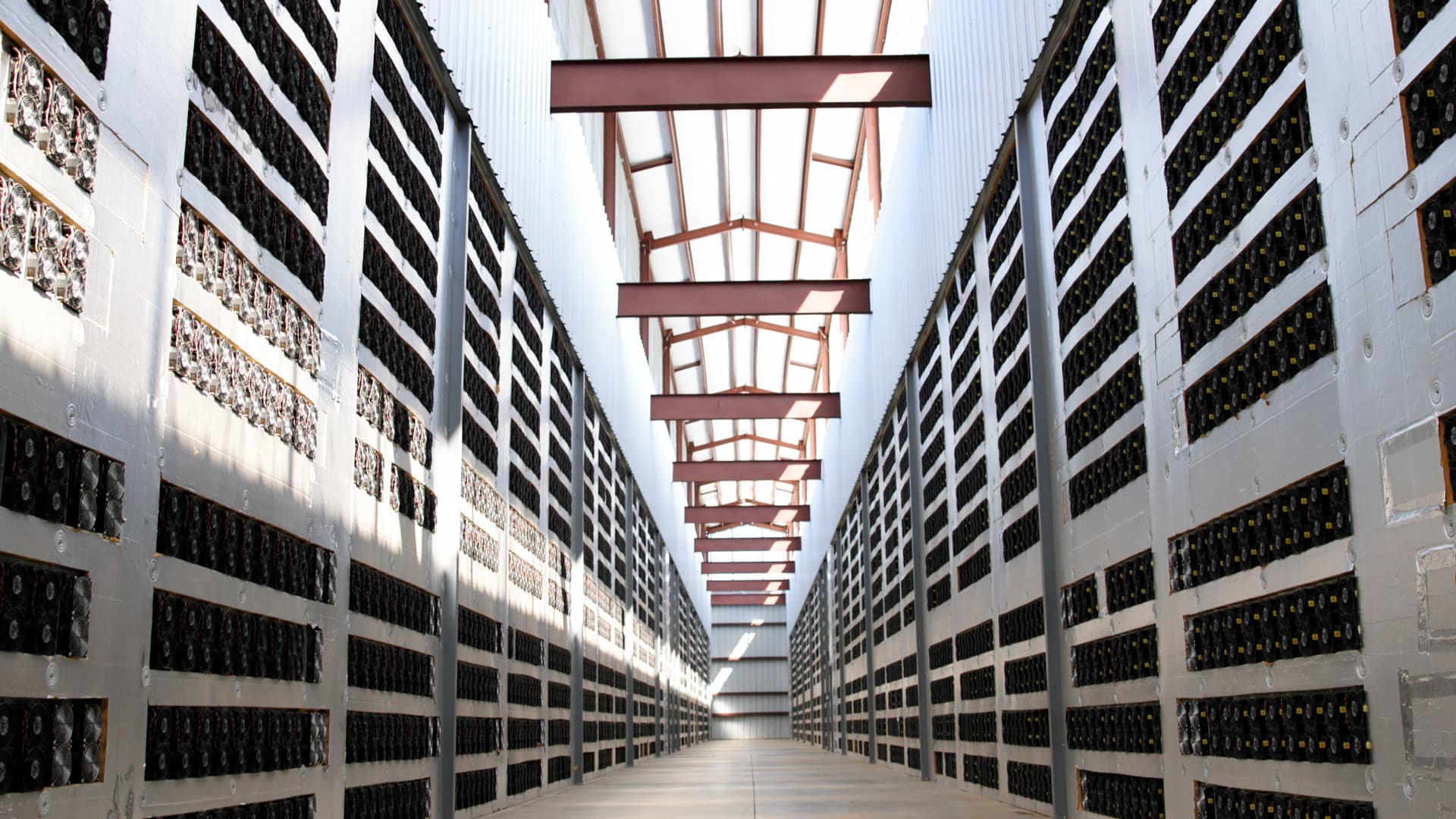
Bitcoin miner Core Scientific is diversifying into AI, signing a 12-year deal with cloud provider CoreWeave to provide infrastructure for AI workloads, expected to generate over $3.5 billion in revenue. This move comes as demand for AI infrastructure surges and bitcoin mining profitability declines. Core Scientific, which emerged from bankruptcy in January, aims to retrofit its facilities to support high-performance computing, leveraging its access to large amounts of power. Other miners like Bit Digital, Hive, and Hut 8 are also expanding into AI to boost revenue.
Five major Bitcoin mining CEOs are prepared for the upcoming halving event, which will cut the amount of Bitcoin miners receive in half. Despite the reduction in supply, strong balance sheets and historically high revenues from mining operations provide a cushion for miners. The CEOs discussed acquisition plans and expect industry consolidation post-halving, with potential for mining stocks to outperform Bitcoin in the future.
CleanSpark, Inc. (NASDAQ:CLSK) reported a Q1 2024 EPS of $-0.63, missing expectations of $-0.28, and discussed their financial results and future plans in their earnings call. The company achieved record revenue of $74 million, a 90% increase from the previous year, and a net income of $26 million. They also outlined their strategic machine acquisitions and plans to achieve 20 exahash per second in mining capacity during the first half of the year, as well as their move into Mississippi. CleanSpark emphasized their commitment to efficiency and preparation for the upcoming bitcoin halving event, highlighting their strong financial position and liquidity.
Investment bank B. Riley is reportedly under SEC investigation for its dealings with Brian Kahn, who is allegedly involved in a DOJ criminal case, while Nomura, a major Japanese financial group, is entangled in the probe due to its involvement in a lending syndicate for B. Riley. B. Riley has recently made significant investments in the bitcoin mining space, and Kahn, CEO of Franchise Group Inc., has been a longstanding client of the bank. The SEC probe is in its early stages, and Nomura, which backs several crypto-related entities, is not the primary focus of the investigation.
Bhutan, the Himalayan Kingdom, has secretly built its own bitcoin mining operation, with satellite imagery revealing the locations of the world's largest state-owned mines. The government of Bhutan, under the reign of Jigme Khesar Namgyel Wangchuck, has dedicated land, funding, and energy to these operations in an effort to avert an economic crisis. The sites of four mines have been identified, including one on the grounds of a failed $1 billion government project called "Education City." Bhutan's foray into bitcoin mining comes as the country faces rising youth unemployment, emigration, and a trade deficit. The government has not publicly disclosed the existence or scope of these facilities.
Crypto lender Celsius plans to transition to a new company focused solely on mining bitcoin, following feedback from the U.S. Securities and Exchange Commission (SEC) on its reorganization plan. The SEC's input led Celsius to retain certain assets for regulatory reasons, which will be administered and monetized by the Plan Administrator and/or Litigation Administrator for the benefit of creditors. Celsius intends to apply to register the shares in the new publicly traded Bitcoin mining company, referred to as "Mining NewCo," which will be owned by Celsius customers. The company expects to commence distributions to creditors in January 2024.
The Bitcoin mining community achieved its annual all-time high on November 12, earning over $44 million in block rewards and transaction fees. After a period of decline due to factors such as a bear market and unfriendly regulations, 2023 saw a reversal of the trend as crypto entrepreneurs helped restore investor confidence. Marathon Digital Holdings, a Bitcoin mining firm, reported a 670% year-on-year revenue surge in Q3 2023, driven by a significant increase in Bitcoin production. Additionally, countries like Bhutan are actively participating in Bitcoin mining, with plans to expand operations through partnerships with companies like Bitdeer.
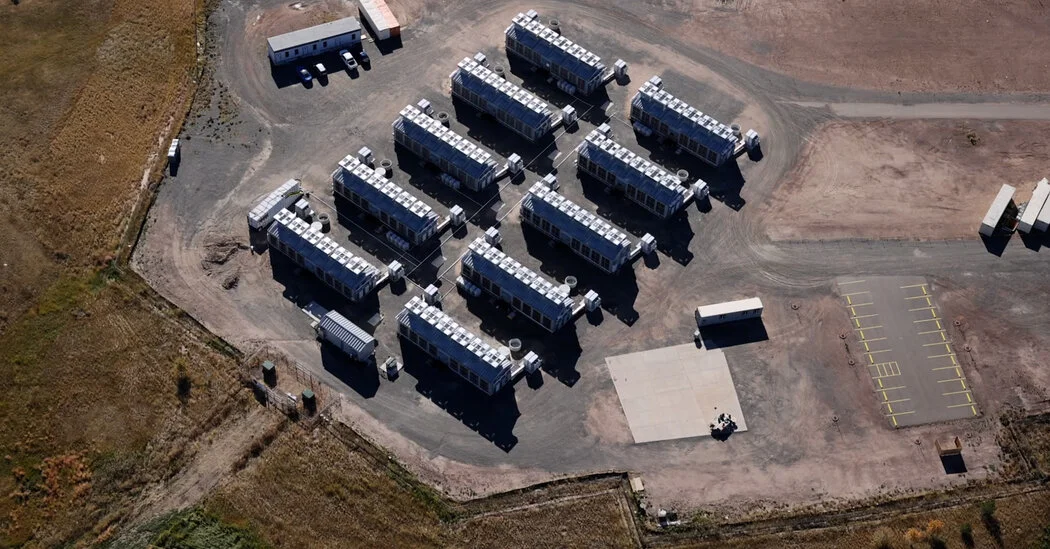
Chinese-owned Bitcoin mines in the United States are drawing national security scrutiny due to concerns about intelligence collection and the strain they put on power grids. Microsoft raised concerns about a mine in Wyoming due to its proximity to a data center supporting the Pentagon and an Air Force base controlling nuclear-armed missiles. The surge in Chinese Bitcoin mines across the country has raised worries about intelligence-gathering and potential cyberattacks. These mines, which consume massive amounts of electricity, have ties to Chinese companies, including Bitmain, which has shipped equipment to the US through a subsidiary located at a Communist Party site in China. The ownership of these mines is often opaque, with some linked to the Chinese government. The vast energy consumption and digital connections of these mines with grid operators raise concerns about disruptions to the power grid and potential intrusions into critical systems.
Bitfarms, one of the largest Bitcoin miners, increased its mining production in September, generating 411 BTC and selling 362 BTC for $9.5 million. The company continues to hold 703 BTC. Bitfarms has been installing new miners and expanding its operating capacity, reaching 233 MW. Despite growth, the hash rate is slightly below the target due to infrastructure delays. Bitfarms believes that the upcoming BTC halving in April 2024 will present growth opportunities, as it will increase mining costs. However, the mining pace is slightly lower than in 2022.
Bankrupt bitcoin miner Core Scientific has announced plans to purchase 27,000 bitcoin mining servers from Bitmain for $77 million. The deal, which includes cash and common stock, is part of Core Scientific's bankruptcy plan. The company hopes to emerge from bankruptcy as early as this month. The acquisition would potentially add 4.1 exahashes to Core Scientific's hash rate, strengthening its contribution to the Bitcoin Network.
The Supreme Court of British Columbia has granted final approval for Canadian Bitcoin mining firm Hut 8 to proceed with its planned merger with US Bitcoin (USBTC). The merger will result in the formation of Hut 8 Corporation, or "New Hut," a publicly traded US-based business. The deal is subject to the approval of USBTC shareholders and other outstanding requirements. Hut 8 expects the merger to be completed by the end of 2023, with plans to list shares on the Nasdaq and Toronto stock exchanges. Hut 8 recently relocated mining rigs from an inactive facility in Ontario to Texas due to a legal dispute.