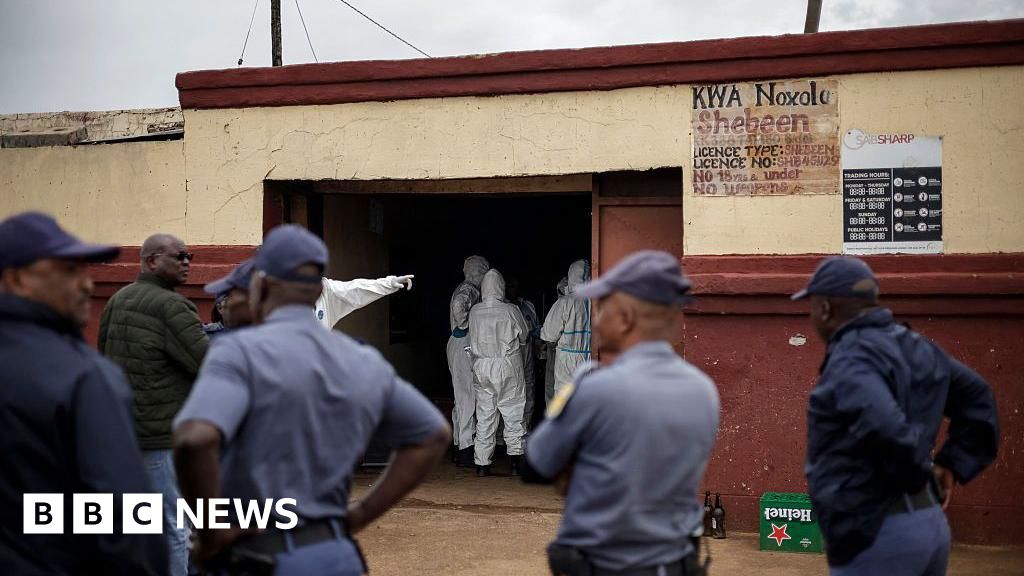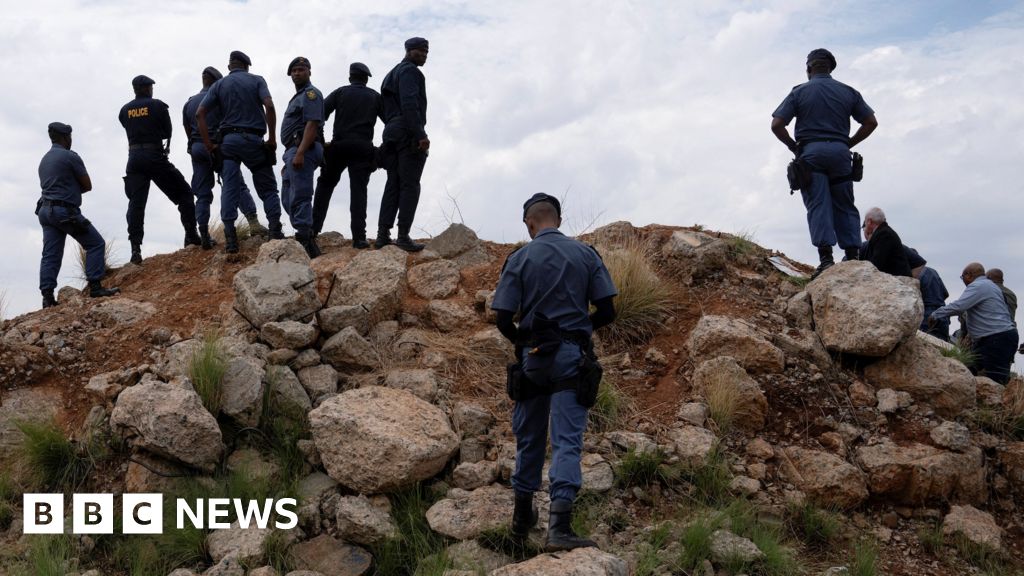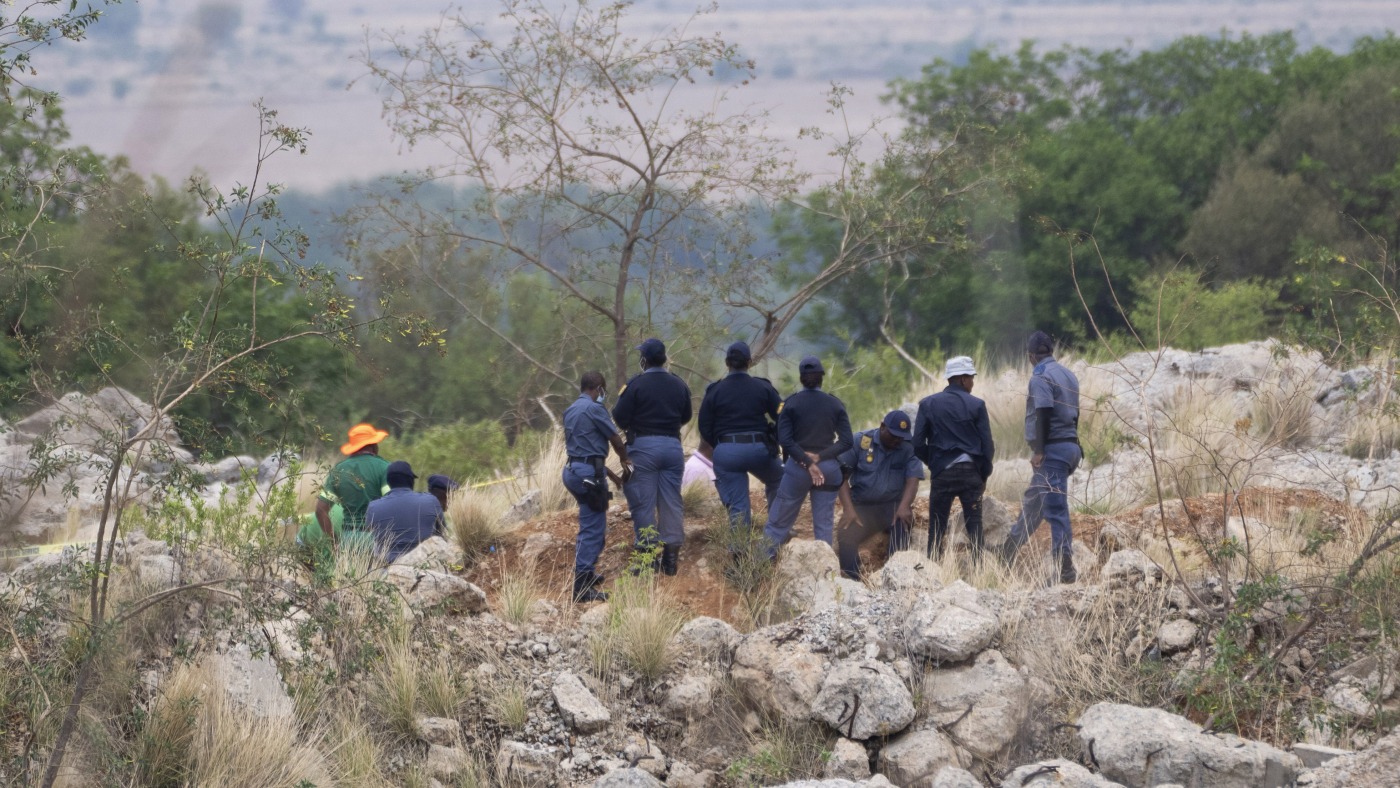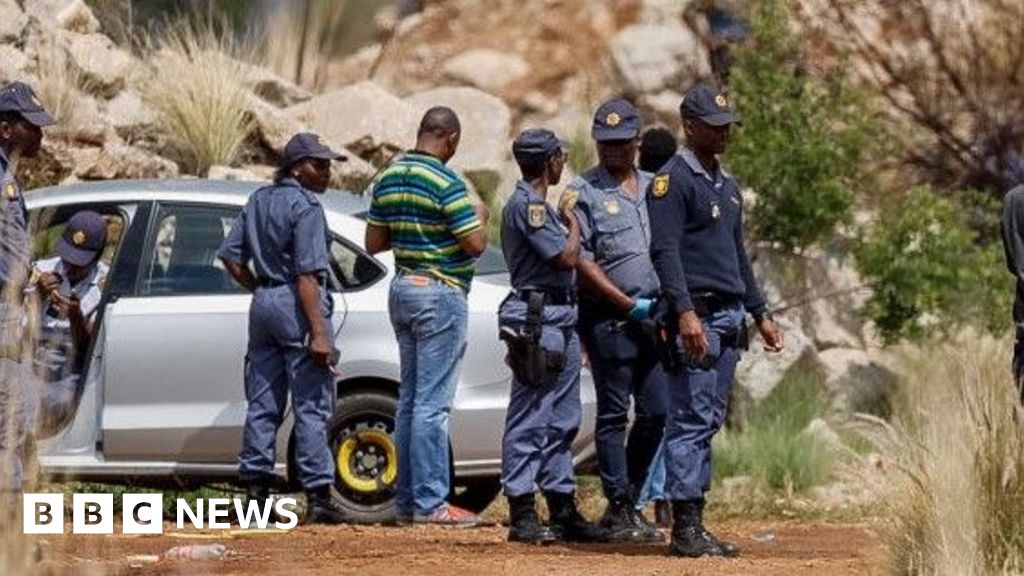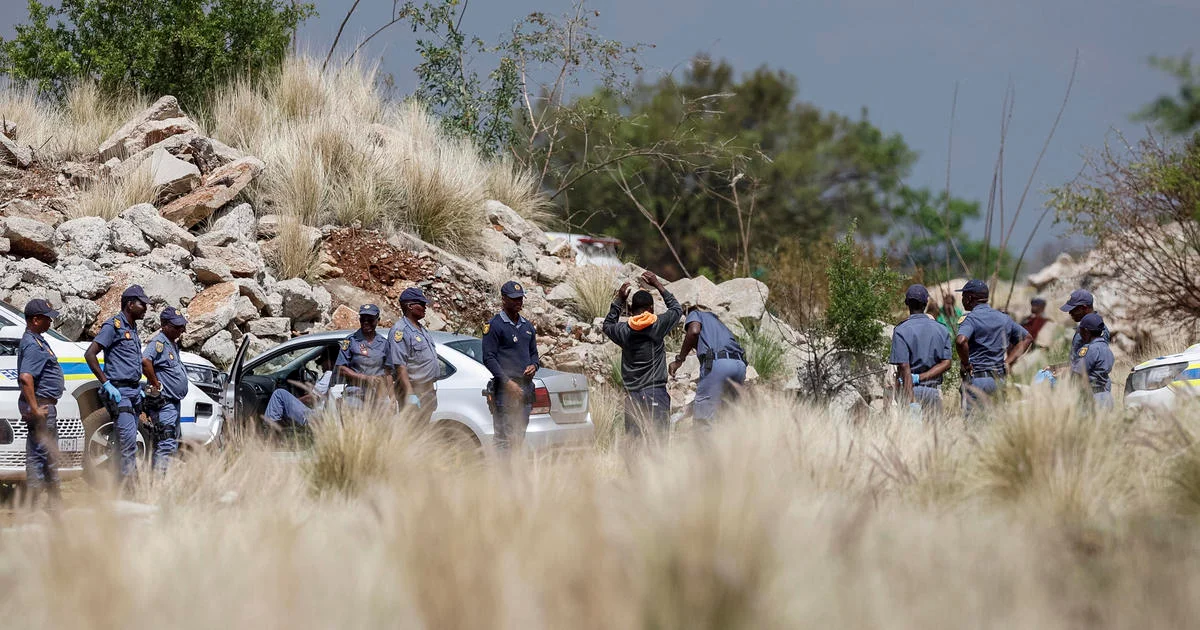
Eleven suspects, mostly from Lesotho and Mozambique, were arrested in South Africa following a mass shooting at a tavern near Johannesburg that resulted in nine deaths, with investigations suggesting a link to illegal mining turf wars and the presence of unlicensed firearms. The incident highlights ongoing issues with gun violence and illegal weapons in the country.
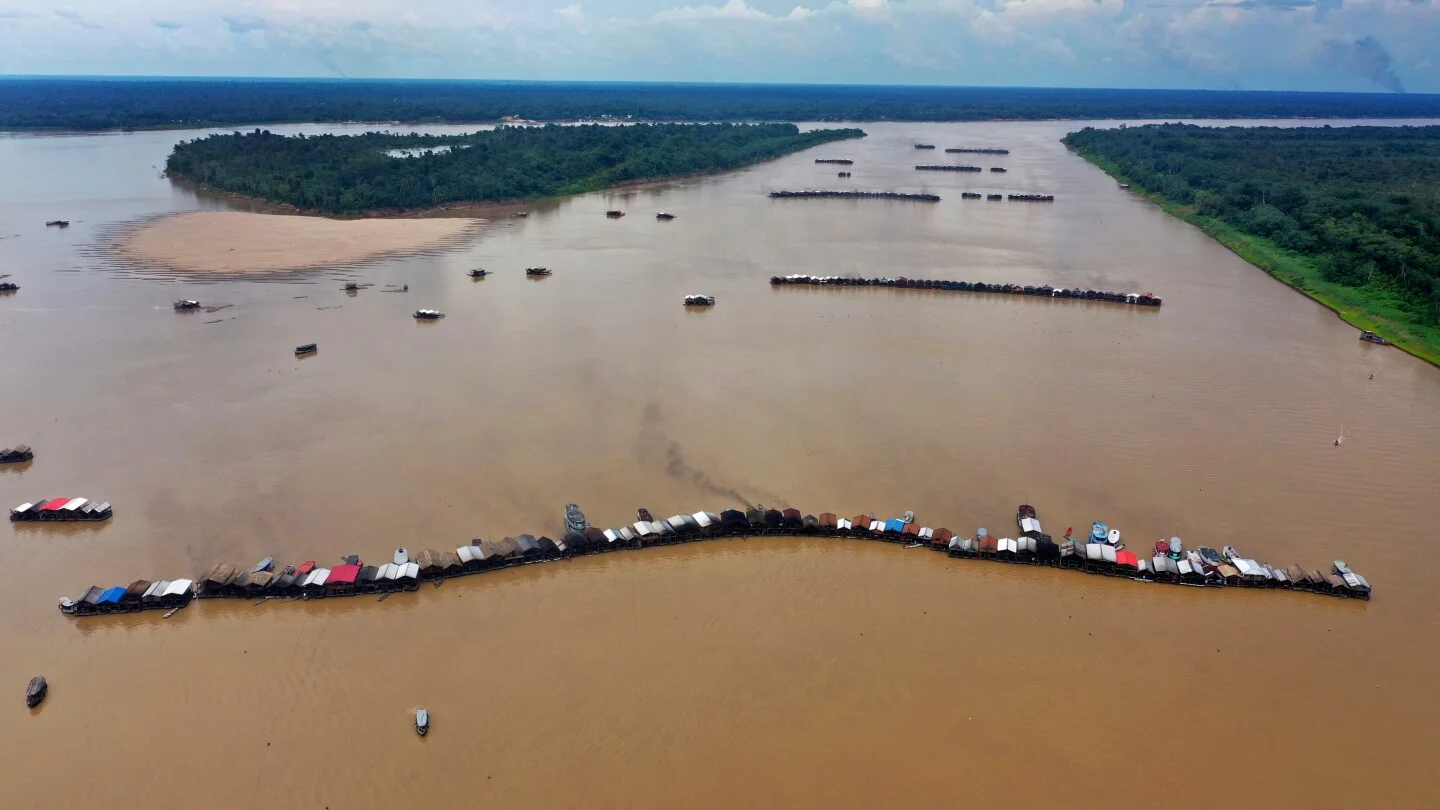
Brazilian police, supported by Interpol, dismantled 277 illegal gold mining dredges along the Madeira River, causing a significant blow to organized crime and environmental damage in the Amazon, as part of a broader regional crackdown on environmental crimes.
Despite international efforts to phase out mercury, illegal mining driven by cartels in Mexico and South America has led to a surge in mercury smuggling, contaminating ecosystems and harming indigenous communities, with authorities struggling to control the trade.
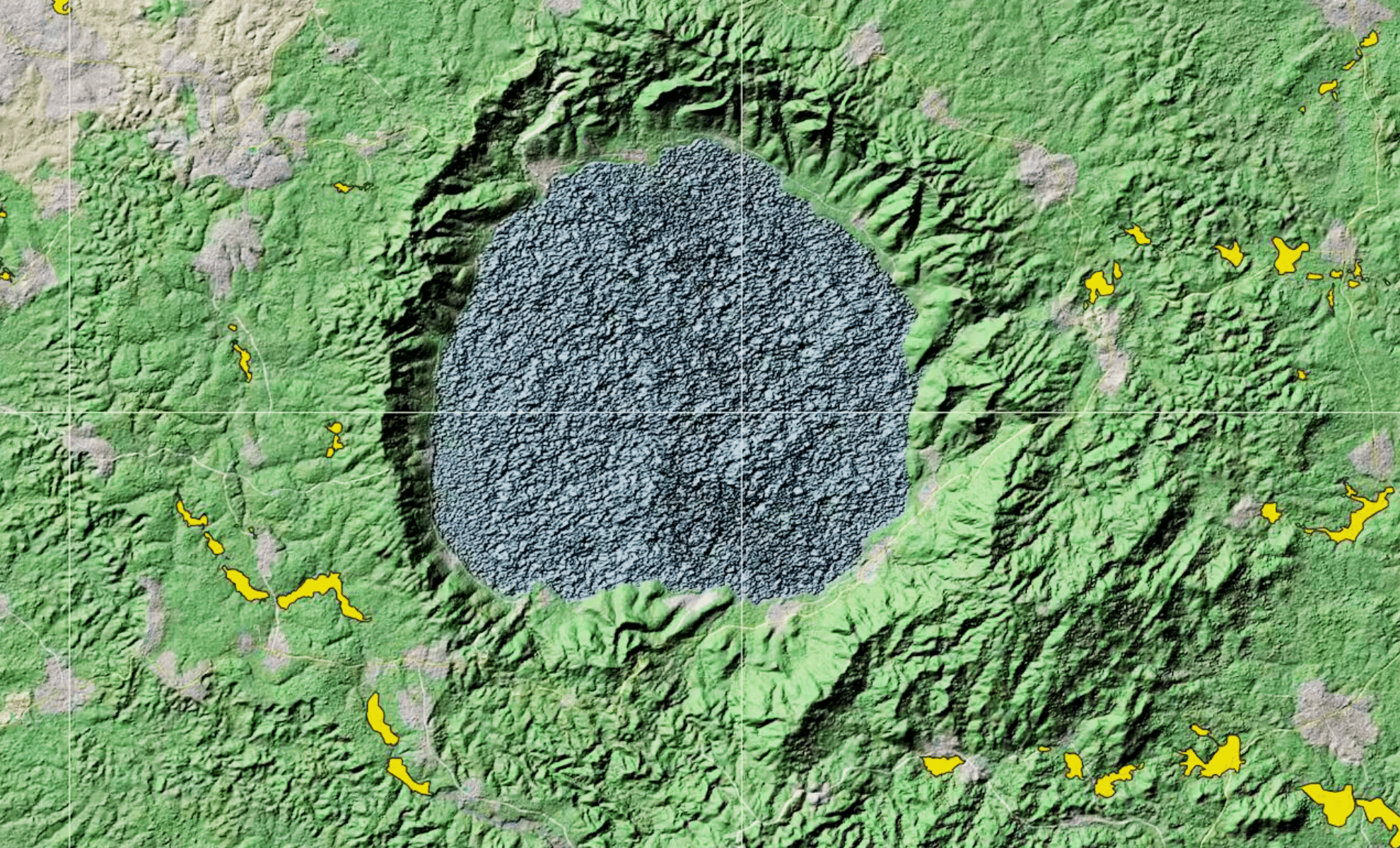
The Bosumtwi impact crater in Ghana is a scientifically valuable and culturally significant site that faces threats from illegal mining, which endangers its preservation and the surrounding ecosystem. Urgent protective measures are needed to safeguard this natural and cultural treasure for future research, eco-tourism, and local communities.
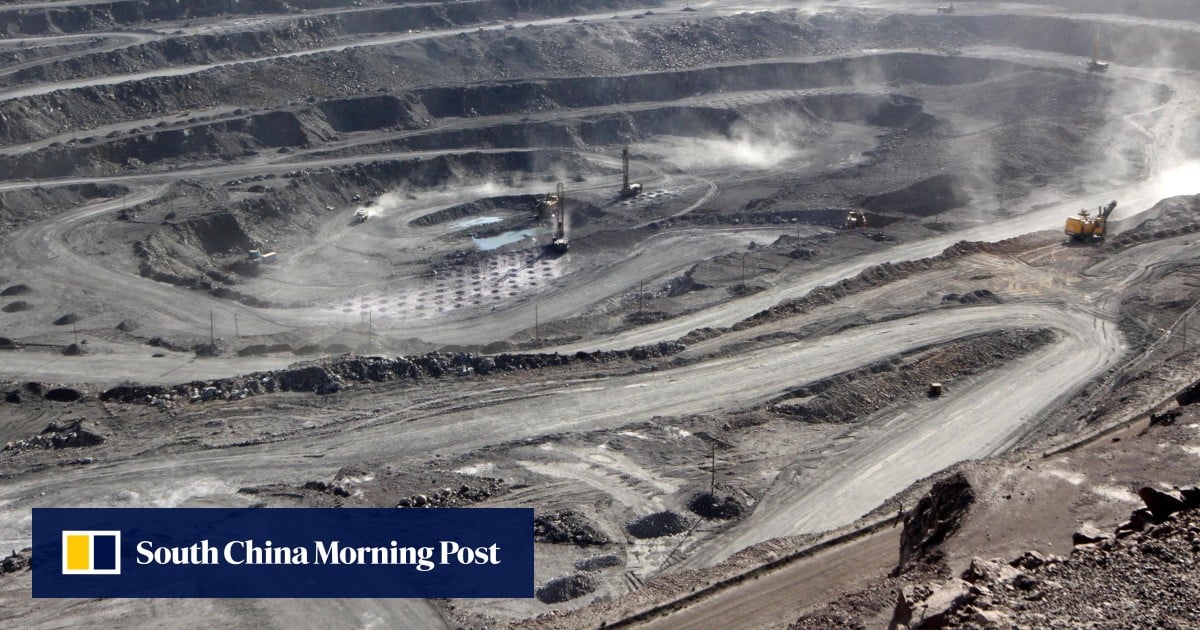
China is tightening export controls on critical minerals, especially in regions like Guangxi, Guizhou, and Hunan, to strengthen its dominance in global supplies amid increasing US pressures and bilateral tensions, with measures including inspections and crackdowns on illegal mining activities.
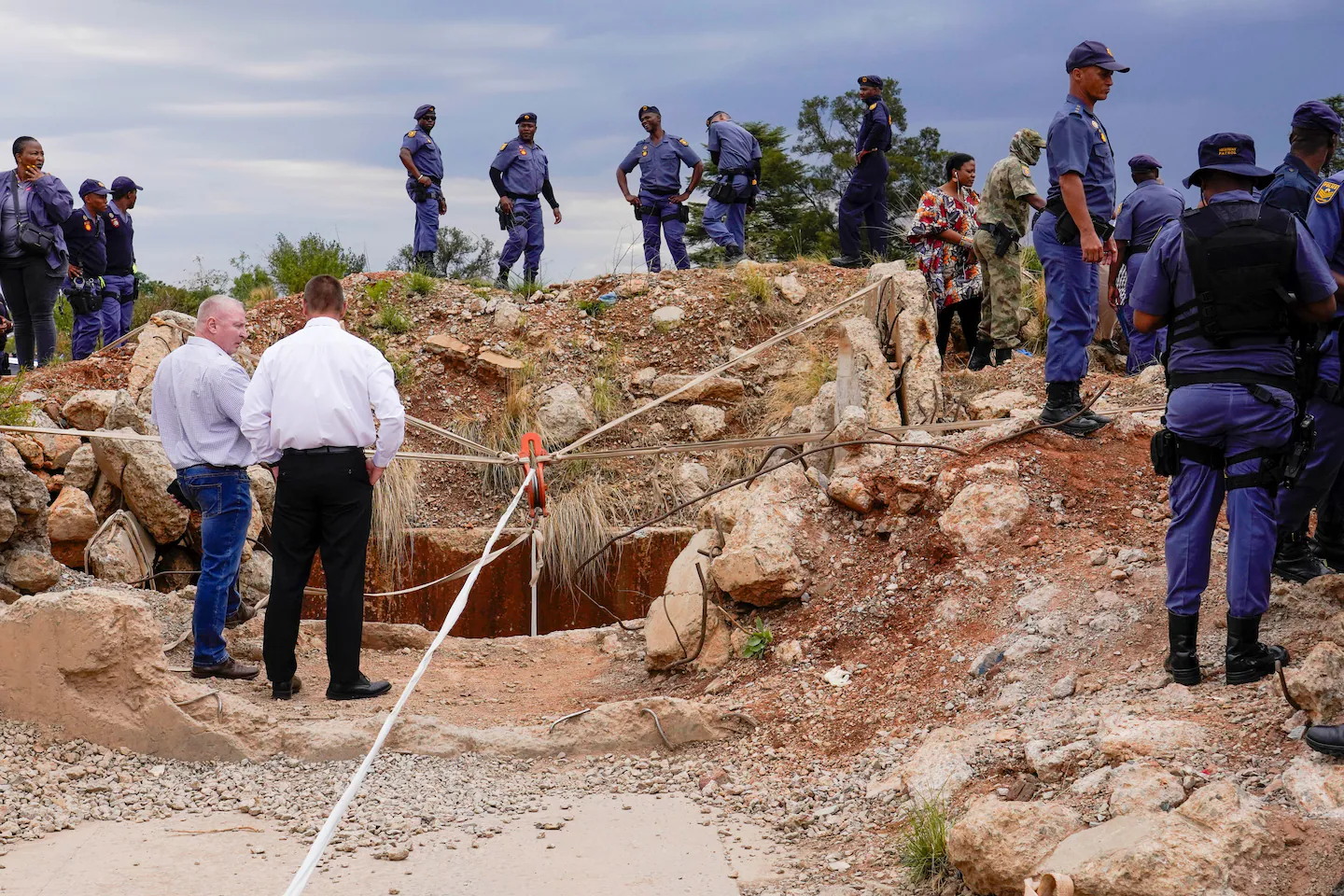
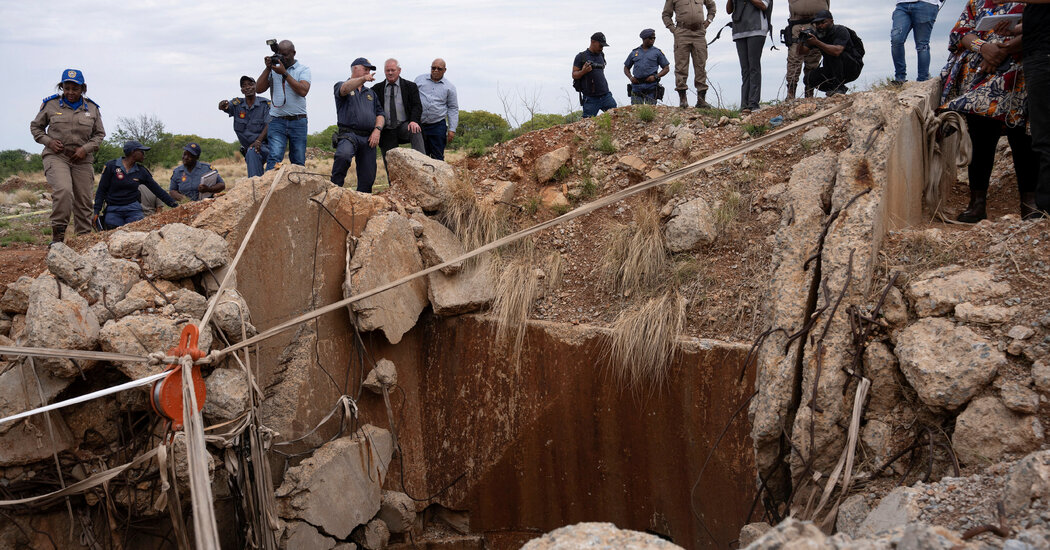
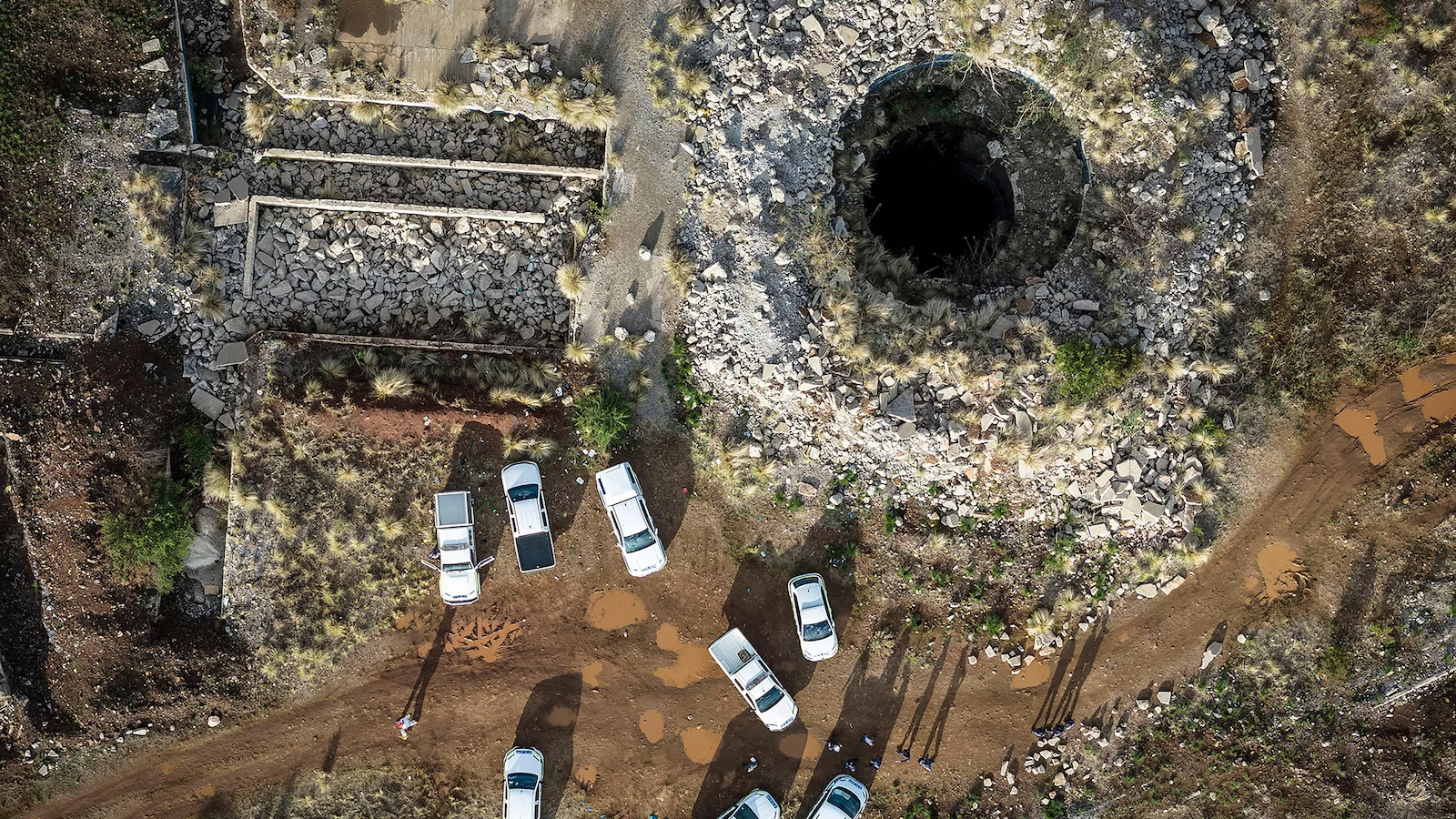
Hundreds of illegal gold miners, known as zama-zamas, are trapped in a disused mine shaft in Stilfontein, South Africa, in a standoff with police who have blocked their food supplies to force them out. The miners, fearing arrest and deportation, are surviving in dire conditions, with some resorting to eating toothpaste and toilet paper. A court has ordered police to allow food and medical supplies to reach them, and a rescue operation is being planned. The situation highlights the broader issue of illegal mining in South Africa, driven by poverty and unemployment.
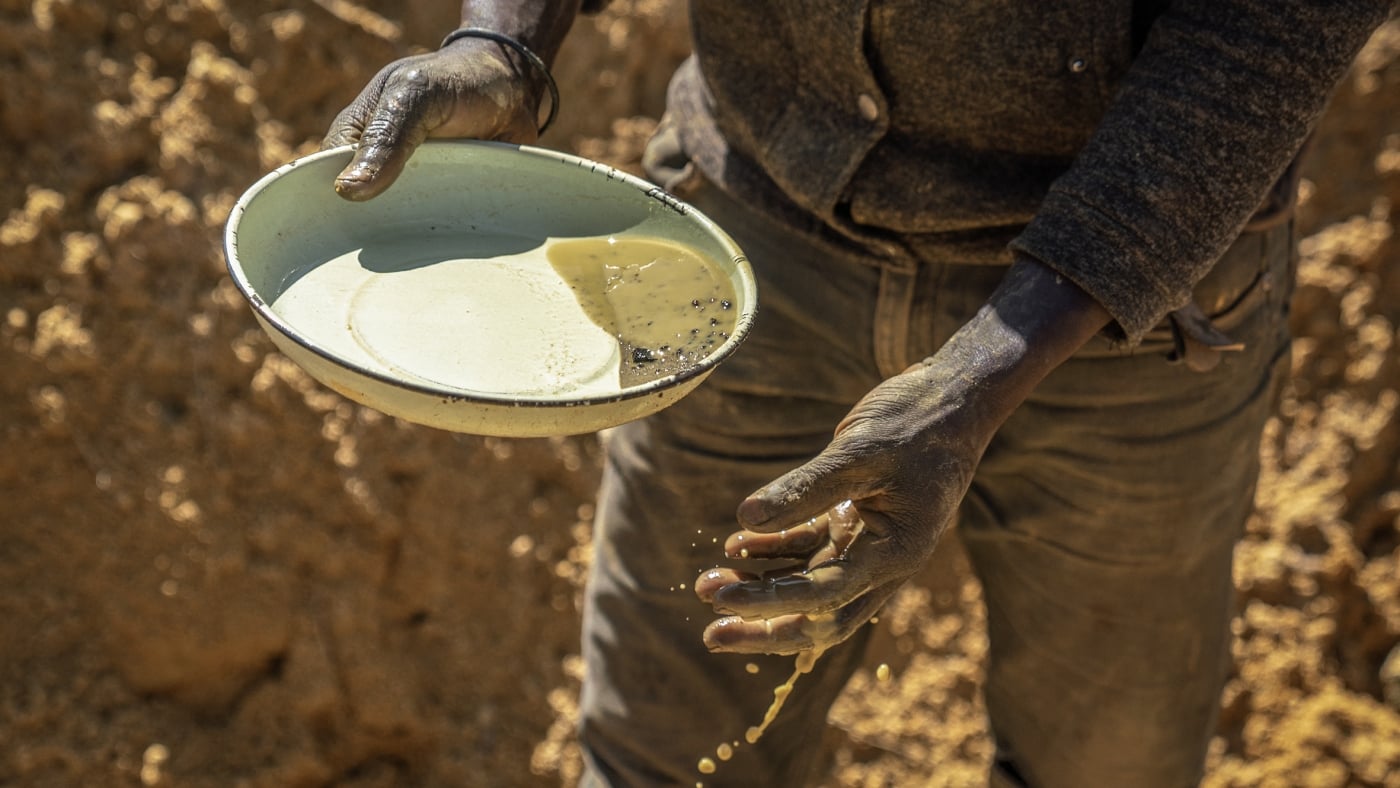
In South Africa, illegal mining operations known as 'zama zama' are thriving in abandoned gold mines, controlled by organized crime gangs. These underground communities, complete with markets and red-light districts, offer lucrative but perilous work for miners like Ndumiso, who earn significantly more than in legal employment. Despite government crackdowns, the industry persists due to high unemployment and economic desperation. The situation highlights the complex socio-economic challenges and the need for policy reform to address illegal mining's impact on the economy and local communities.
A South African court has ordered the lifting of a police blockade at a disused goldmine in Stilfontein, where hundreds of illegal miners, including undocumented migrants, have been trapped for a month. The blockade, intended to force the miners out, had prevented food and water from reaching them. The court's temporary order allows emergency relief to reach the miners, some of whom have resorted to eating vinegar and toothpaste. While the police welcomed the ruling, they stated it does not prevent them from arresting miners who emerge. The incident highlights the challenges of illegal mining in South Africa, where many closed mines are targeted by miners seeking remaining deposits.
South African authorities are under scrutiny for cutting off food and water to illegal miners hiding underground in Stilfontein as part of a crackdown on illegal mining. The South African Human Rights Commission is investigating the tactic, which has been in place for nearly three months. Critics argue the approach is inhumane, while authorities maintain it is necessary to bring miners to the surface. The operation, part of a broader effort to combat illegal mining linked to organized crime, has led to arrests and deportations, but also raised concerns about potential humanitarian crises.
South African police have employed siege tactics to combat illegal mining activities, sparking a debate over the effectiveness and ethics of such methods. The approach aims to curb the dangerous and unregulated mining operations that have proliferated in the country, but it has also raised concerns about potential human rights violations and the broader implications for communities involved in these activities.
South Africa's government has refused to assist illegal miners trapped in a closed mine in Stilfontein, as part of a crackdown on illegal mining activities. The police operation, known as Vala Umgodi, aims to cut off supplies to force miners to surface and face arrest. While initial reports suggested up to 4,000 miners were underground, authorities now estimate the number to be between 350 and 400. The government maintains that no aid will be provided to the miners, who are considered criminals, and emphasizes the risks involved in entering abandoned mines.
Approximately 4,000 illegal gold miners, known as 'zama zama', are hiding underground in Stilfontein, South Africa, as the government cuts off food and water to force them out. These miners, many undocumented and fearing deportation, have been underground for about a month, creating a humanitarian crisis. The South African government is determined to arrest them, despite concerns over human rights and the dire conditions faced by the miners. The situation has sparked mixed reactions, with some supporting the government's tough stance and others criticizing it as inhumane.
Over 4,000 illegal miners, known as Zama Zama, are trapped in an abandoned mine in Stilfontein, South Africa, amid a standoff with authorities who have blocked supplies to force them out. The miners, mostly from neighboring countries, have been underground for months, with some emerging frail and weak. South African officials refuse to assist, labeling them criminals, while community members protest for their release. The operation, Vala Umgodi, has already led to over 1,000 arrests. Critics argue for the miners' right to life and fair trial.
The South African government has announced it will not assist approximately 4,000 illegal miners trapped in a closed mine in the North West province, as part of a crackdown on illegal mining activities. The miners, who are reportedly suffering from a lack of basic supplies, are part of a larger issue involving illegal mining syndicates in the region. The government's stance is to force the miners to surface and face arrest, emphasizing that no aid will be provided to those engaged in criminal activities.
A Rolex watch was found in a pile of jewelry seized by Peruvian police during a raid on illegal mining operations in the Amazon rainforest. The luxury watch, along with other stolen jewelry, was discovered in a makeshift market where miners traded their loot for food, supplies, and sex workers. The discovery highlights the link between illegal mining and the trade in stolen luxury goods in the region.