Tag

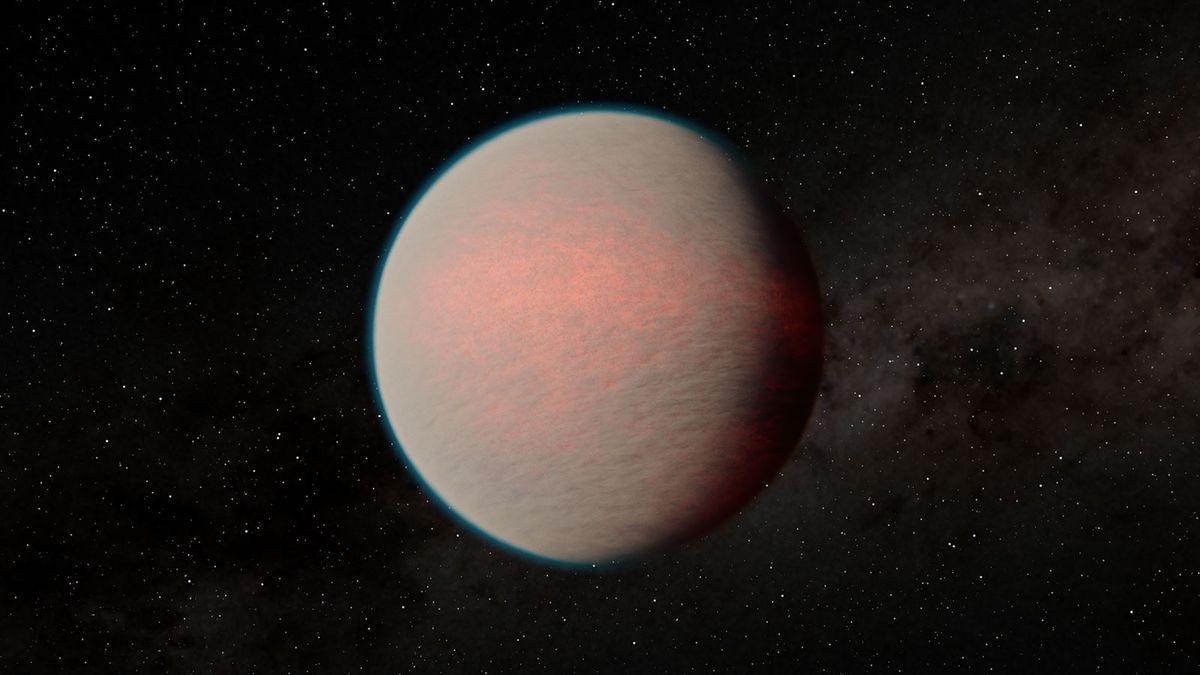
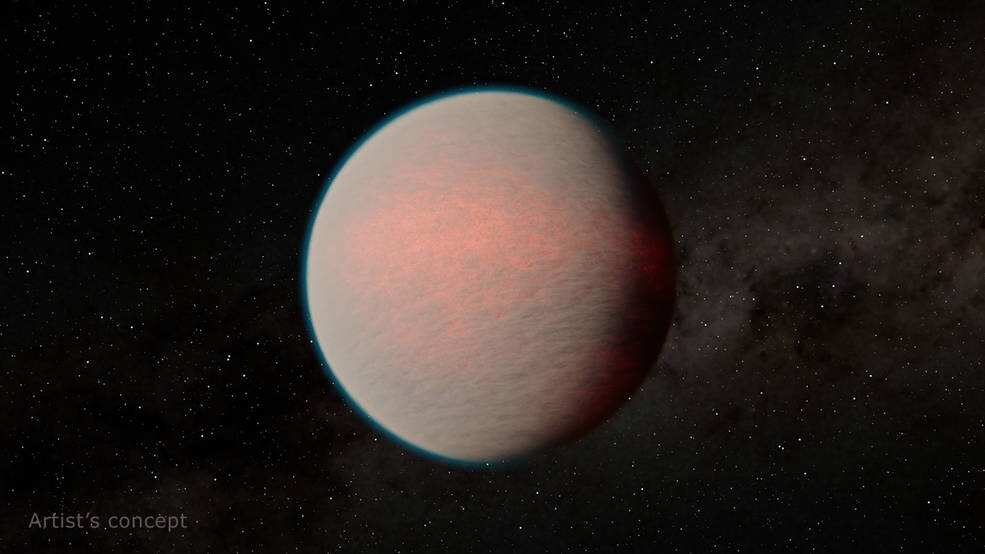
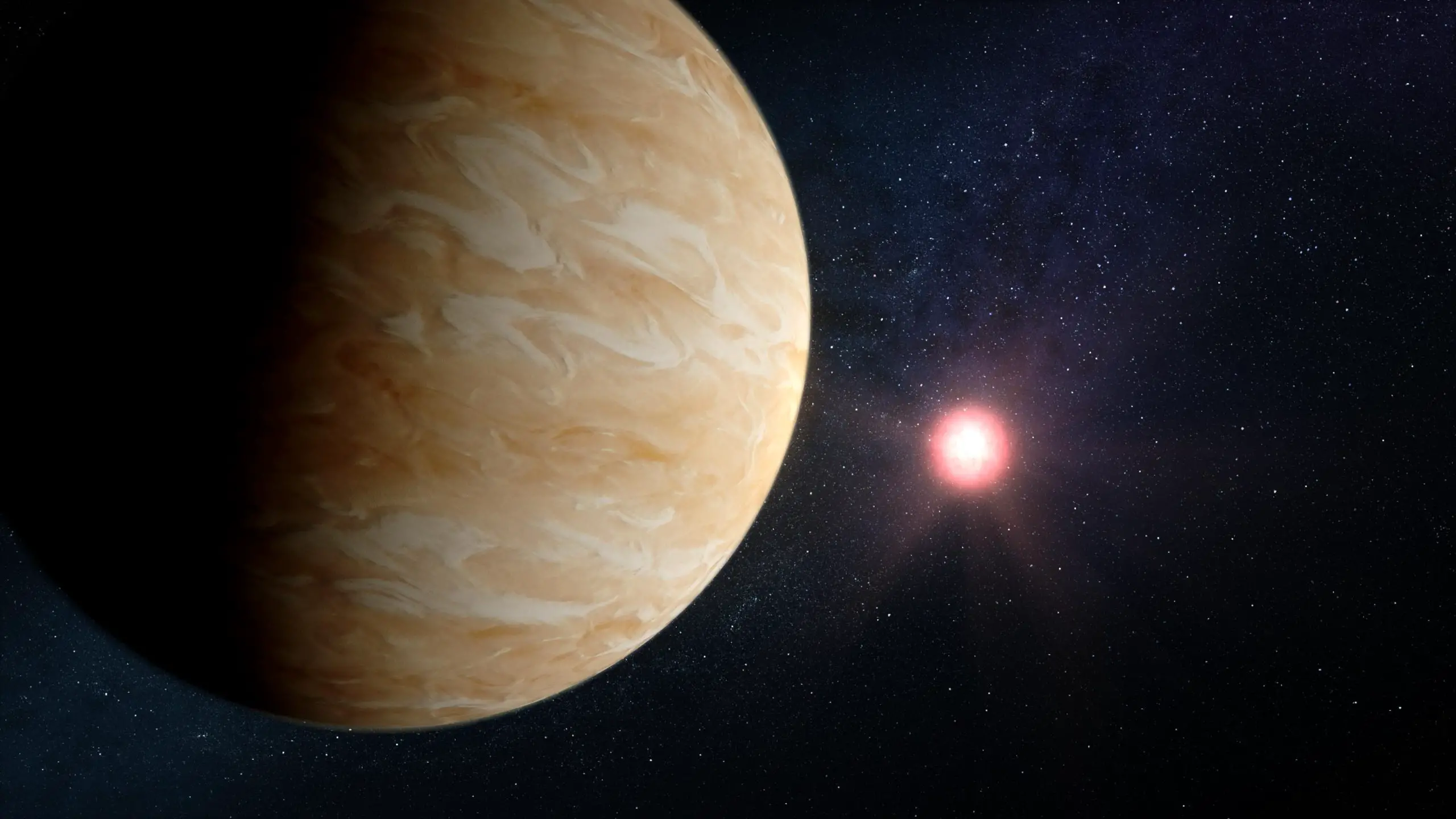
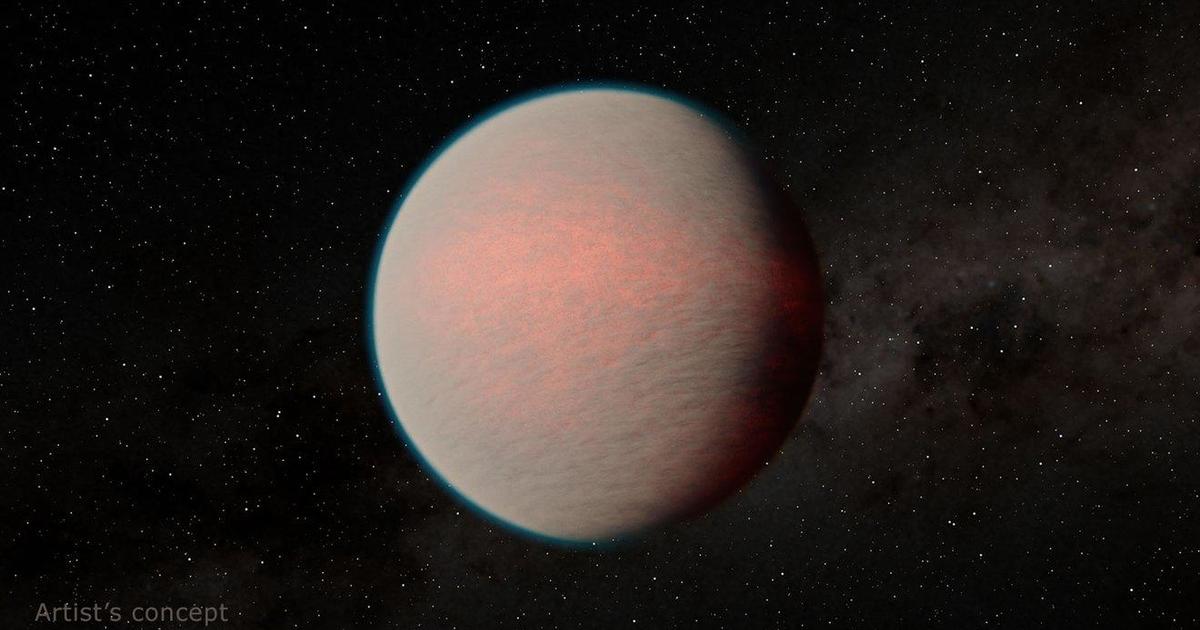
Mini Neptune

All articles tagged with #mini neptune

"Discovery of Mini-Neptune Exoplanet Near Earth"
astronomy1 year ago

"Discovery of Mini-Neptune Exoplanet Near Earth"

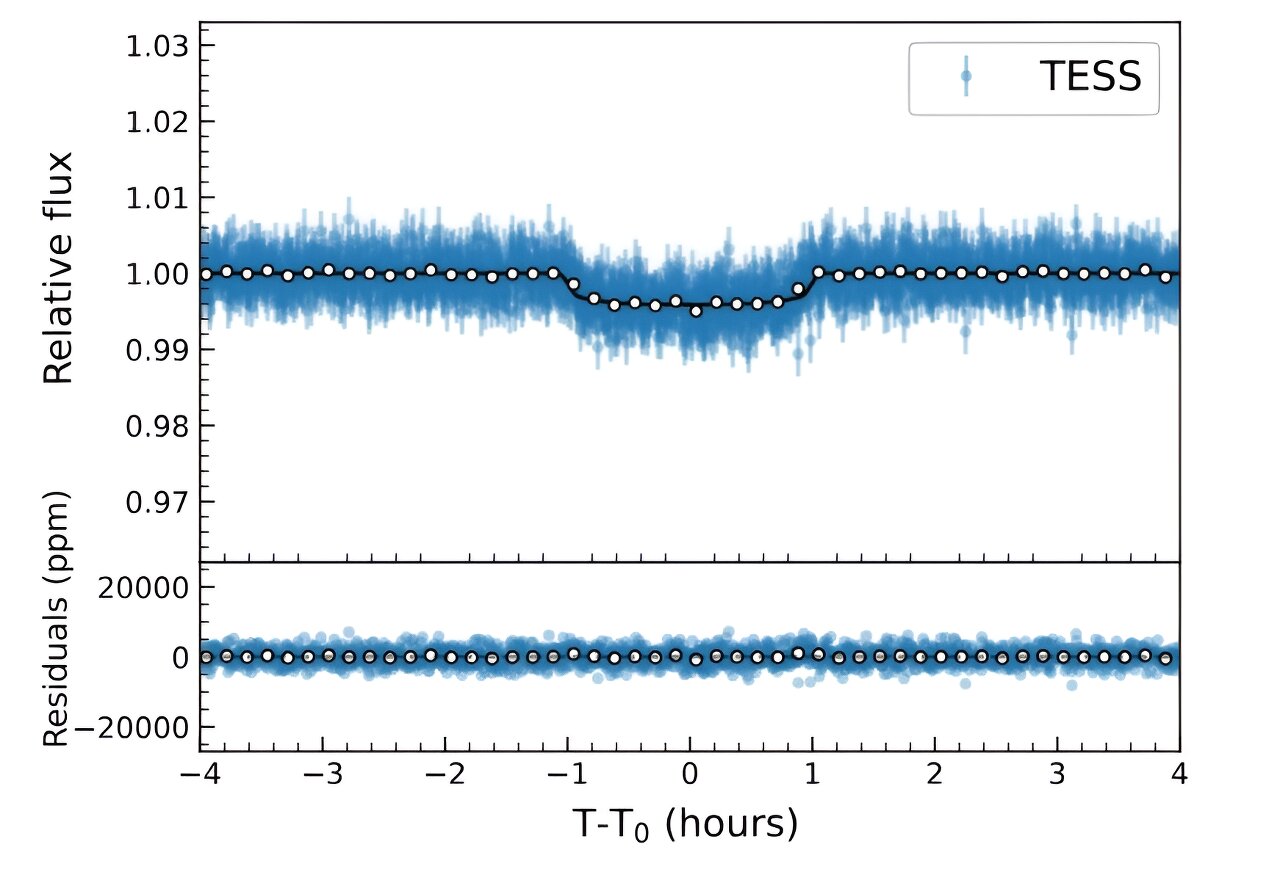
Astronomers have discovered a new mini-Neptune exoplanet, TOI-4438 b, orbiting a nearby M dwarf star using data from NASA's TESS. The planet is about 2.5 times larger than Earth, with a mass of approximately 5.4 Earth masses and a volatile-rich composition. It likely has a hydrogen/helium atmosphere mixed with water, carbon dioxide, and methane, making it a promising target for atmospheric characterization with the James Webb Space Telescope.
"Exoplanet's Atmosphere Loses Helium: New Observations Reveal"
astronomy2 years ago

"Exoplanet's Atmosphere Loses Helium: New Observations Reveal"

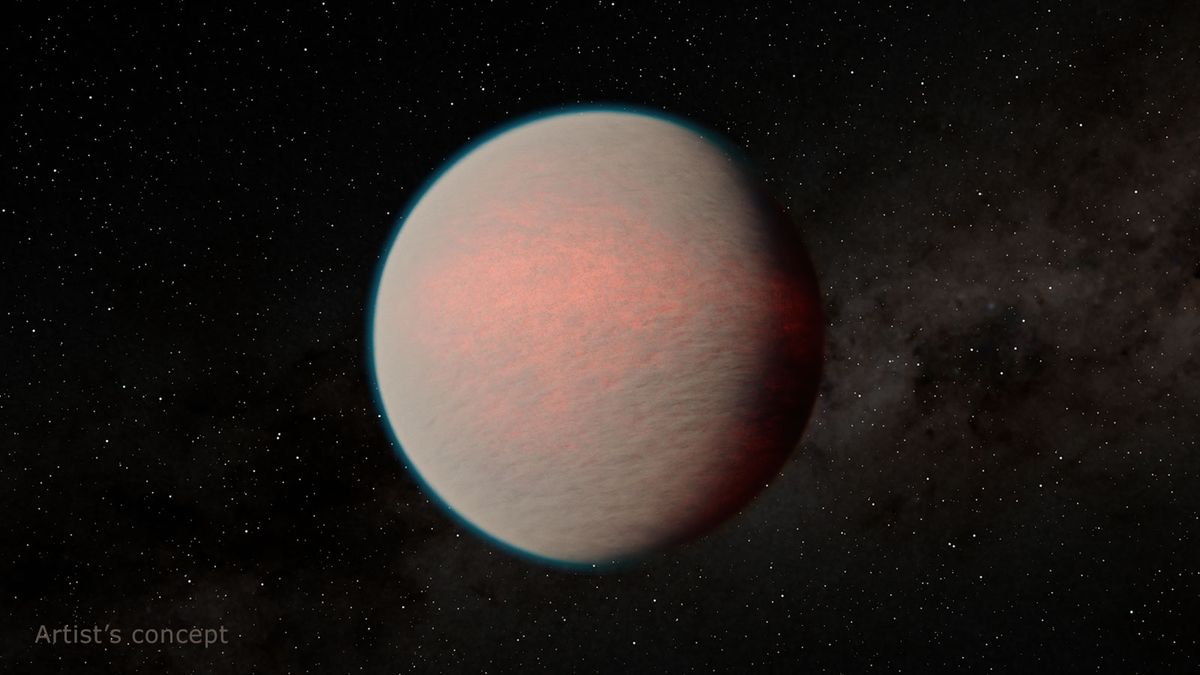
Astronomers have detected the escape of helium from the atmosphere of a nearby mini-Neptune exoplanet called TOI-2134 b. Using the Near Infrared Spectrometer (NIRSPEC) on the Keck II Telescope, the researchers found that TOI-2134 b has the smallest helium signal among exoplanets with detected helium. The observations suggest that the atmospheric escape of helium in TOI-2134 b is likely due to photoevaporation by stellar XUV, and the results provide insights into the nature of atmospheric escape in alien worlds.

New Mini-Neptune Exoplanet Discovered by Astronomers
astronomy2 years ago

New Mini-Neptune Exoplanet Discovered by Astronomers

Astronomers have discovered a new mini-Neptune exoplanet, TOI-2018 b, orbiting a nearby star using NASA's TESS. The planet is about two times larger and nine times more massive than Earth and has a radius of about 2.27 Earth radii. It orbits its host star every 7.44 days and its equilibrium temperature is estimated to be 652 K. The researchers suggest that TOI-2018 b may be a planetary core that failed to undergo run-away accretion.

James Webb telescope reveals secrets of nearby exoplanets.
astronomy2 years ago

James Webb telescope reveals secrets of nearby exoplanets.

The James Webb Space Telescope has discovered a mini-Neptune planet, GJ 1214b, around a star 40 light-years away. The planet's atmosphere is made of steam, indicating its past as a possible "water world." The temperature on GJ 1214b shifts dramatically from day to night, indicating that the planet's atmosphere can't be just light hydrogen molecules; instead, there has to be something else like water or methane. Astronomers hope to observe more mini-Neptunes with JWST in the near future to figure out how they are created and how this particular one ended up with so much water.

science2 years ago

James Webb telescope finds nearby star system with ancient water world.

The James Webb Space Telescope has discovered an ancient "water world" in a nearby star system. The exoplanet, GJ 1214b, is a mini-Neptune planet around a star about 40 light-years away. The planet's atmosphere is made of steam, hinting at its past as a possible "water world." The temperature on GJ 1214b shifted dramatically from day to night, indicating that the planet's atmosphere can't be just light hydrogen molecules; instead, there has to be something else like water or methane. Astronomers hope to observe more mini-Neptunes with JWST in the near future to figure out how they are created and how this particular one ended up with so much water.

James Webb Space Telescope Reveals Surprising Secrets of Mini-Neptune Beyond Our Solar System
astronomy2 years ago

James Webb Space Telescope Reveals Surprising Secrets of Mini-Neptune Beyond Our Solar System

The James Webb Space Telescope (JWST) has observed the mini-Neptune exoplanet GJ 1214 b, which is about eight times more massive than Earth and has a thick, steamy atmosphere. The JWST's observations created a heat map of the planet that showed both day and night sides, illuminating more details of its atmosphere. The planet's atmosphere is probably escaping hydrodynamically, indicating that it has undergone significant evolution during its history. The findings suggest that GJ 1214 b formed further from its star than it did now, and then something happened to send it inward, closer to the red dwarf it orbits.

Webb Telescope Uncovers Secrets of Exoplanets and Their Stars.
space2 years ago

Webb Telescope Uncovers Secrets of Exoplanets and Their Stars.

The James Webb Space Telescope has observed Gliese 1214 b, a mini-Neptune exoplanet that is unlike anything in our solar system. The planet's highly reflective atmosphere has made it difficult to observe until now. The team used a combination of approaches to study the planet's atmosphere and found that it may have been a "water world" in its past. The planet's atmosphere is composed of heavier molecules, such as water or methane, rather than lighter hydrogen molecules. The team will continue to collect data to better understand how mini-Neptunes form and evolve.

JWST Discovers Mini-Neptune and Potentially Water Planet
science2 years ago

JWST Discovers Mini-Neptune and Potentially Water Planet

NASA's James Webb Space Telescope has captured the closest look yet at a mysterious planet called GJ1214 b, revealing a highly reflective world with a steamy atmosphere. The planet, a "mini-Neptune," was largely impenetrable to previous observations, but the telescope's Mid-Infrared Instrument (MIRI) was able to create a "heat map" of the planet as it orbited its star, revealing details of its atmosphere's composition. The observation could lead to deeper knowledge of a planet type shrouded in uncertainty, as mini-Neptunes are the most common type of planet in the galaxy but little is known about them.

NASA's Webb Telescope Discovers Shiny, Mysterious Planet with Possible Water Vapor
space2 years ago

NASA's Webb Telescope Discovers Shiny, Mysterious Planet with Possible Water Vapor

NASA's James Webb Space Telescope has observed a steamy, highly reflective mini-Neptune exoplanet, GJ 1214 b, using its Mid-Infrared Instrument (MIRI) to reveal details about its atmosphere. The watery atmosphere suggests that the planet formed farther from its star before spiraling inward, but more observations are needed to understand mini-Neptune formation. The observation demonstrates the power of Webb’s MIRI, which views wavelengths of light outside the part of the electromagnetic spectrum that human eyes can see. Mini-Neptunes are the most common type of planet in the galaxy, but mysterious to us because they don’t occur in our solar system.

JWST discovers reflective planet with potential water vapor.
space2 years ago

JWST discovers reflective planet with potential water vapor.

A planet outside our solar system, GJ 1214b, has an "unusually shiny atmosphere" and may contain significant amounts of water vapor, according to a study published in the journal Nature. The planet is covered in a deep haze that has made it difficult to study, but the James Webb Space Telescope recently helped reveal new information about it. Researchers tracked the planet through nearly its entire orbit and found that its atmosphere reflects a large proportion of the light from its parent star instead of absorbing it and becoming hotter. The research also suggests that GJ 1214b may have formed farther away from its star, then moved inward toward its current orbit.

NASA's Webb Telescope Captures Unprecedented Images of Enigmatic Planet
space2 years ago

NASA's Webb Telescope Captures Unprecedented Images of Enigmatic Planet

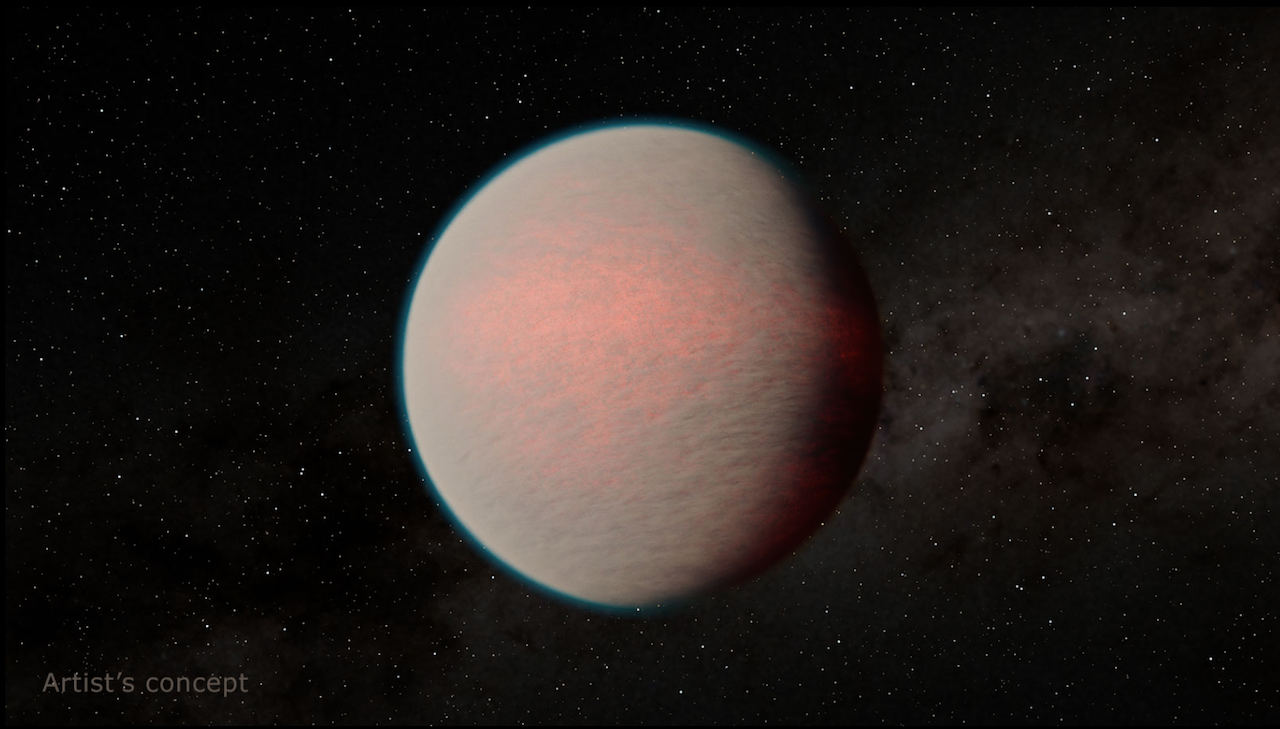
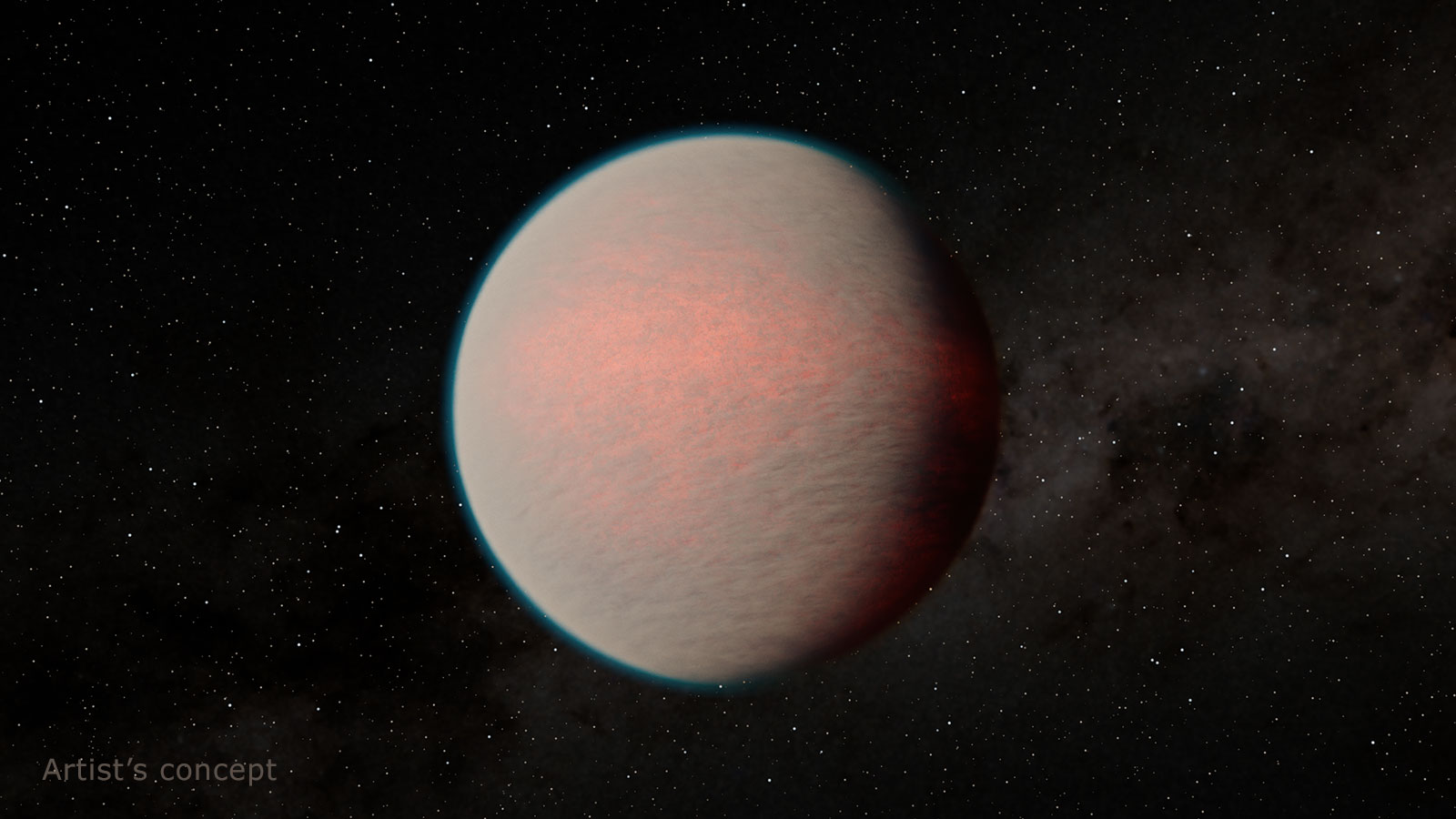
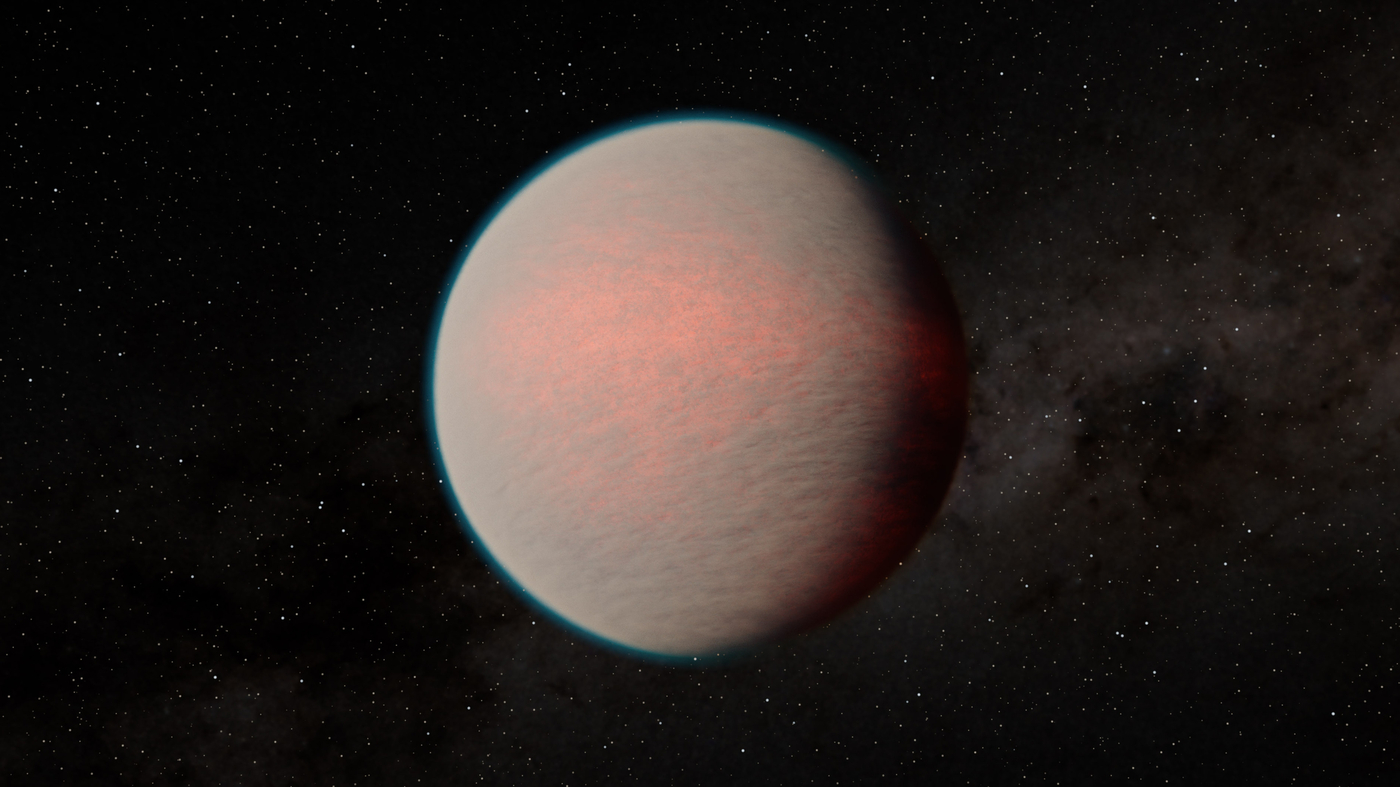
NASA's James Webb Space Telescope has observed a distant planet outside our solar system, called GJ 1214 b, to reveal what is likely a highly reflective world with a steamy atmosphere. The planet is a "mini-Neptune" that was largely impenetrable to previous observations. The observation demonstrates the power of Webb's Mid-Infrared Instrument (MIRI), which views wavelengths of light outside the part of the electromagnetic spectrum that human eyes can see. The new observations could open the door to deeper knowledge of a planet type shrouded in uncertainty.

NASA's Webb Telescope Captures Unprecedented Images of Enigmatic Planet
space2 years ago

NASA's Webb Telescope Captures Unprecedented Images of Enigmatic Planet

NASA's James Webb Space Telescope has observed a "mini-Neptune" planet outside our solar system, revealing a highly reflective world with a steamy atmosphere. The planet, called GJ 1214 b, is too hot to harbor liquid-water oceans, but water in vaporized form could be a major part of its atmosphere. The planet is totally blanketed by some sort of haze or cloud layer, and the atmosphere remained hidden until this observation. The observation demonstrates the power of Webb's Mid-Infrared Instrument (MIRI), which views wavelengths of light outside the part of the electromagnetic spectrum that human eyes can see.

Webb Telescope Examines Enigmatic Sub-Neptune Planet
astronomy2 years ago

Webb Telescope Examines Enigmatic Sub-Neptune Planet

The James Webb Space Telescope has revealed that the enigmatic planet GJ 1214b is less hot than expected and surprisingly shiny. The planet is bigger than rocky planets like Earth but smaller than any of our system's ice or gas giants. The telescope detected infrared light, which showed that the planet must be highly reflective and able to scatter back about half of the incoming energy. Scientists are now trying to understand what the clouds or hazes in the atmosphere are made of. The planet's atmosphere is not hydrogen-rich, suggesting it's not just a scaled-down Neptune, and there was evidence of water vapor and methane.

Mini-Neptune Exoplanet: Ocean, Atmosphere, or Both?
science-and-astronomy2 years ago

Mini-Neptune Exoplanet: Ocean, Atmosphere, or Both?

A newly discovered mini-Neptune exoplanet, HD-2047496 b, located 77 light-years from Earth, may have its own atmosphere, ocean, or a combination of the two, but not for long. The exoplanet is less dense than Earth and has a width 2.25 times that of Earth, while its mass is around 6.1 times that of our planet. The planet orbits its star in around just 6.4 Earth days at a distance of just 5.8 million miles. The planet is likely to be water-rich, gas-rich, or both, and its atmosphere is expected to be stripped away within the next 500 million years.