
NASA's Webb Telescope Discovers Shiny, Mysterious Planet with Possible Water Vapor
TL;DR Summary
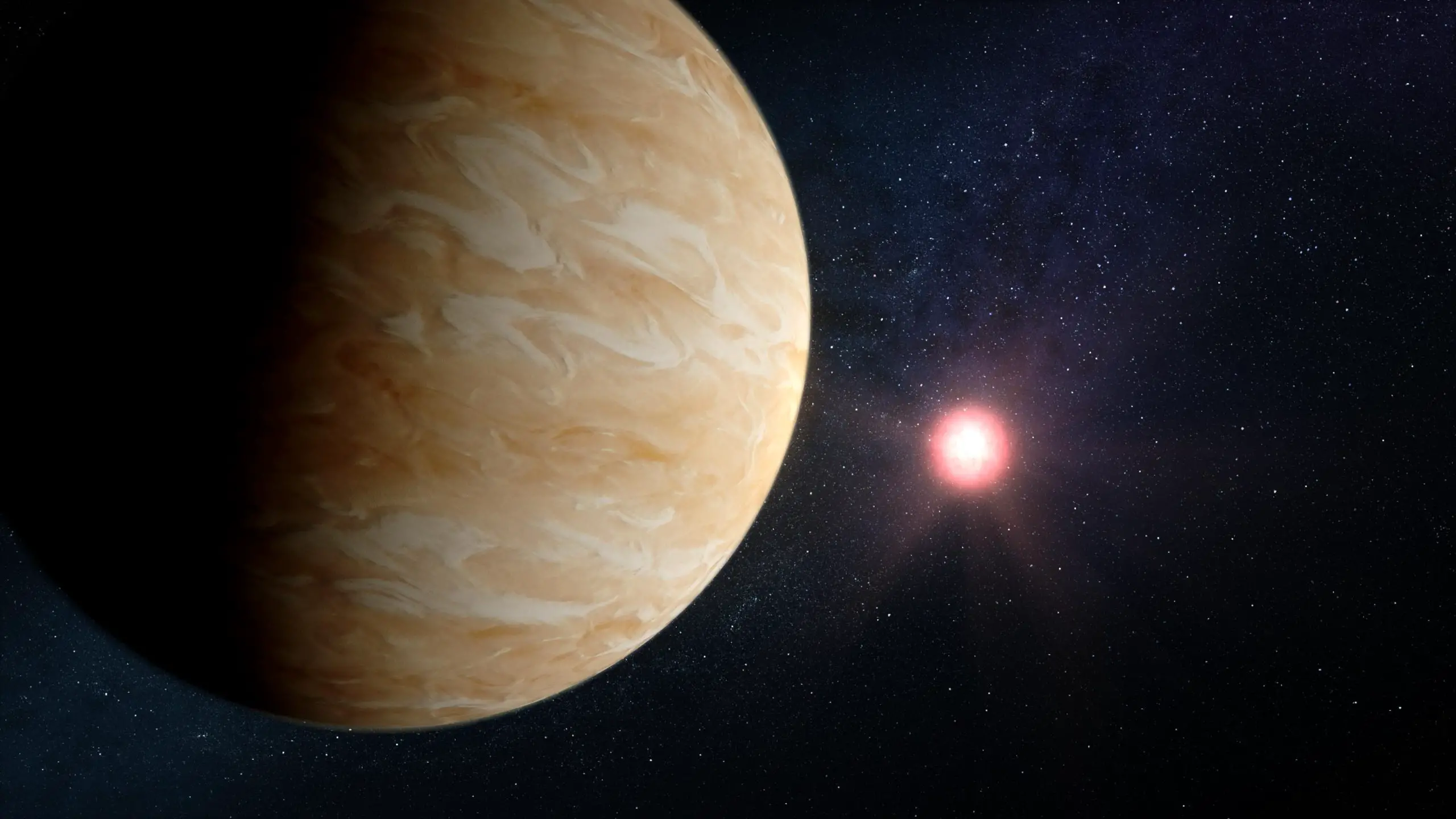
NASA's James Webb Space Telescope has observed a steamy, highly reflective mini-Neptune exoplanet, GJ 1214 b, using its Mid-Infrared Instrument (MIRI) to reveal details about its atmosphere. The watery atmosphere suggests that the planet formed farther from its star before spiraling inward, but more observations are needed to understand mini-Neptune formation. The observation demonstrates the power of Webb’s MIRI, which views wavelengths of light outside the part of the electromagnetic spectrum that human eyes can see. Mini-Neptunes are the most common type of planet in the galaxy, but mysterious to us because they don’t occur in our solar system.
- A Shiny, Steamy Surprise: NASA's Webb Takes Closest Look Yet at Mysterious Planet SciTechDaily
- The James Webb Space Telescope has peered at a sub-Neptune sized planet. NPR
- Researchers measure the light emitted by a sub-Neptune planet's atmosphere for the first time Phys.org
- NASA's Webb Takes Closest Look Yet at Mysterious Planet NASA Jet Propulsion Laboratory
- Mysterious planet has "unusually shiny atmosphere" and may contain water vapor, researchers say CBS News
Reading Insights
Total Reads
0
Unique Readers
7
Time Saved
6 min
vs 7 min read
Condensed
92%
1,299 → 99 words
Want the full story? Read the original article
Read on SciTechDaily