Tag

Gj 1214 B

All articles tagged with #gj 1214 b

astronomy2 years ago

"James Webb Telescope Discovers Water World Beyond Neptune"

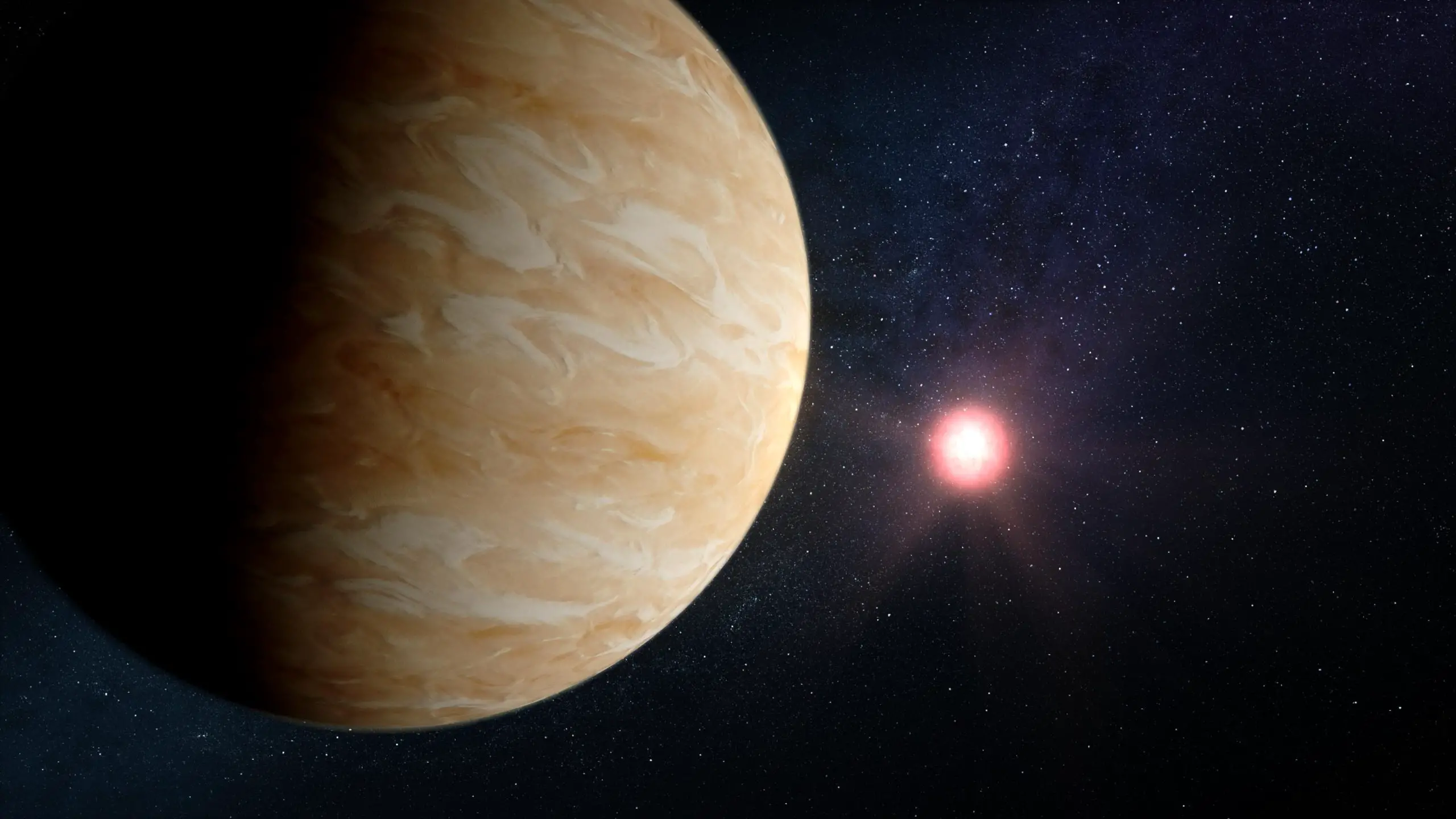
The James Webb Space Telescope (JWST) has provided new insights into the composition of the exoplanet GJ 1214 b, also known as Gliese 1214 b or Enaiposha. Using infrared data and model calculations, researchers have found evidence of a reflective, dense haze in the planet's upper atmosphere, suggesting the presence of water vapor and possibly methane. The observations confirm the presence of hydrogen and helium in the atmosphere, and the possibility of a water world composition with 80% water and 20% rock. Further studies will focus on understanding the planet's internal structure and temperature.

astronomy2 years ago

James Webb Space Telescope Reveals Surprising Secrets of Mini-Neptune Beyond Our Solar System

The James Webb Space Telescope (JWST) has observed the mini-Neptune exoplanet GJ 1214 b, which is about eight times more massive than Earth and has a thick, steamy atmosphere. The JWST's observations created a heat map of the planet that showed both day and night sides, illuminating more details of its atmosphere. The planet's atmosphere is probably escaping hydrodynamically, indicating that it has undergone significant evolution during its history. The findings suggest that GJ 1214 b formed further from its star than it did now, and then something happened to send it inward, closer to the red dwarf it orbits.

space2 years ago

NASA's Webb Telescope Discovers Shiny, Mysterious Planet with Possible Water Vapor

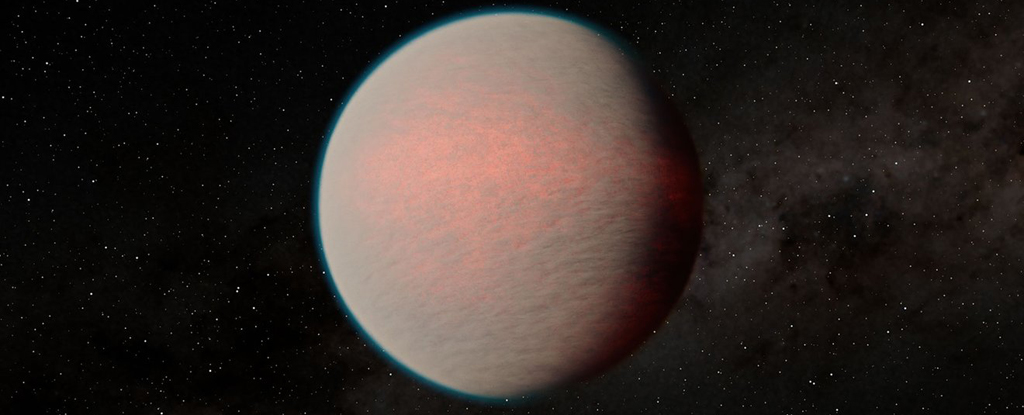
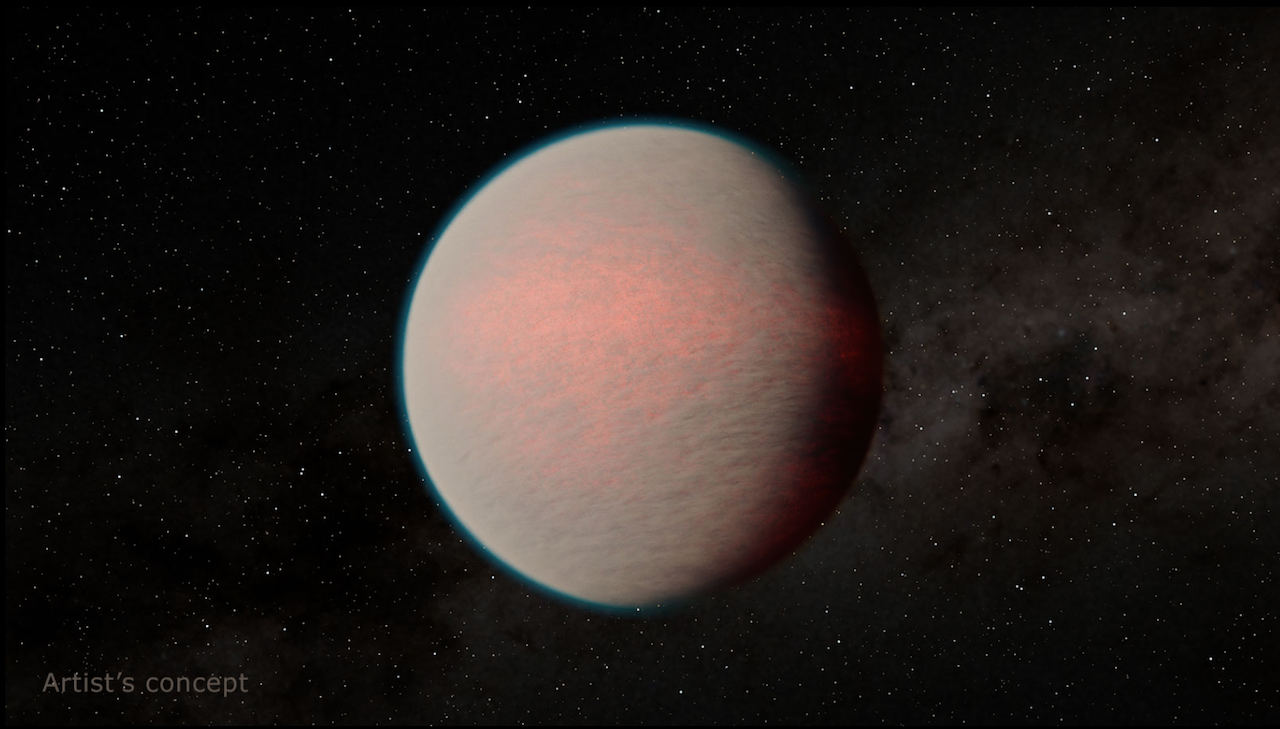
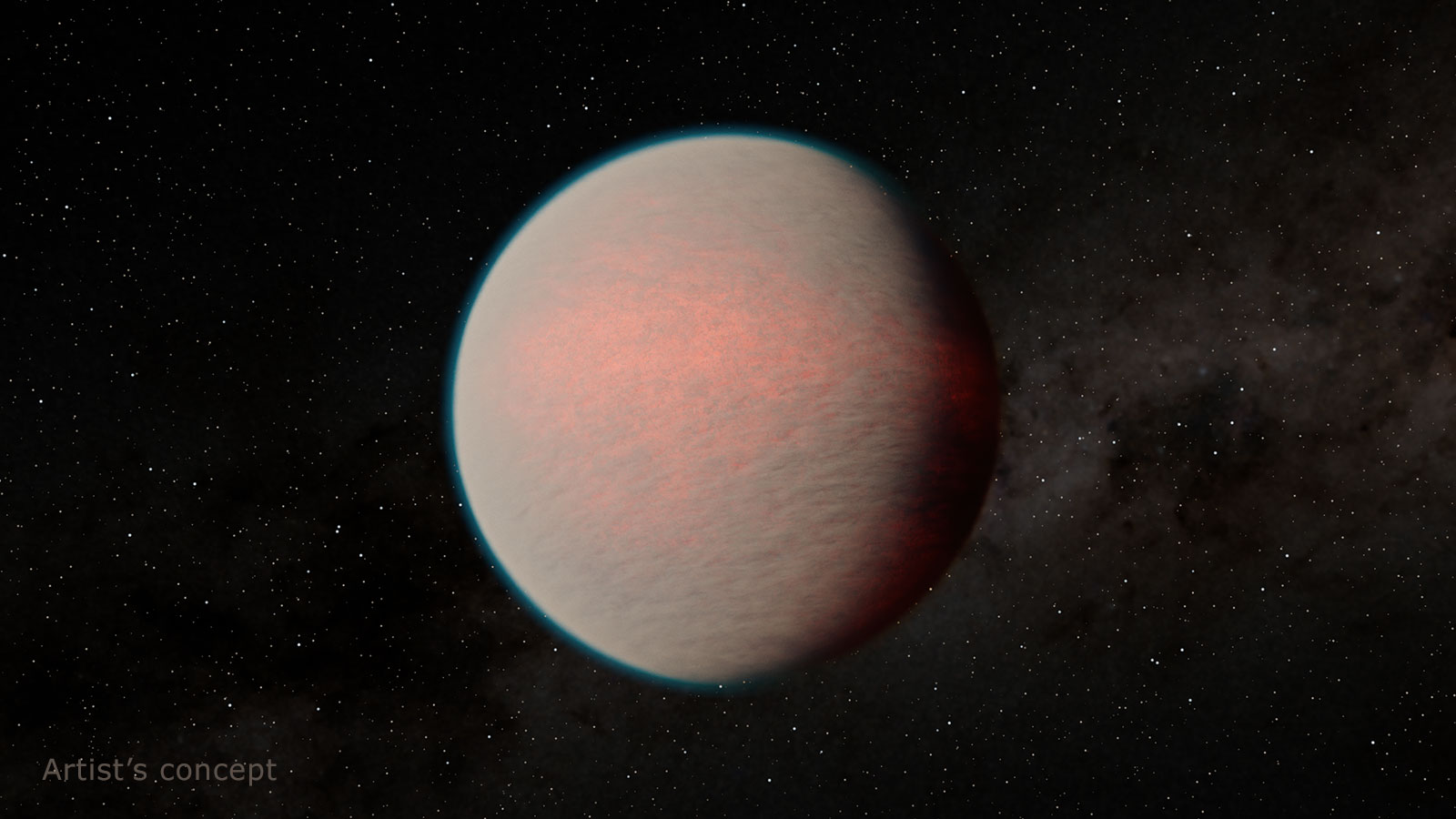
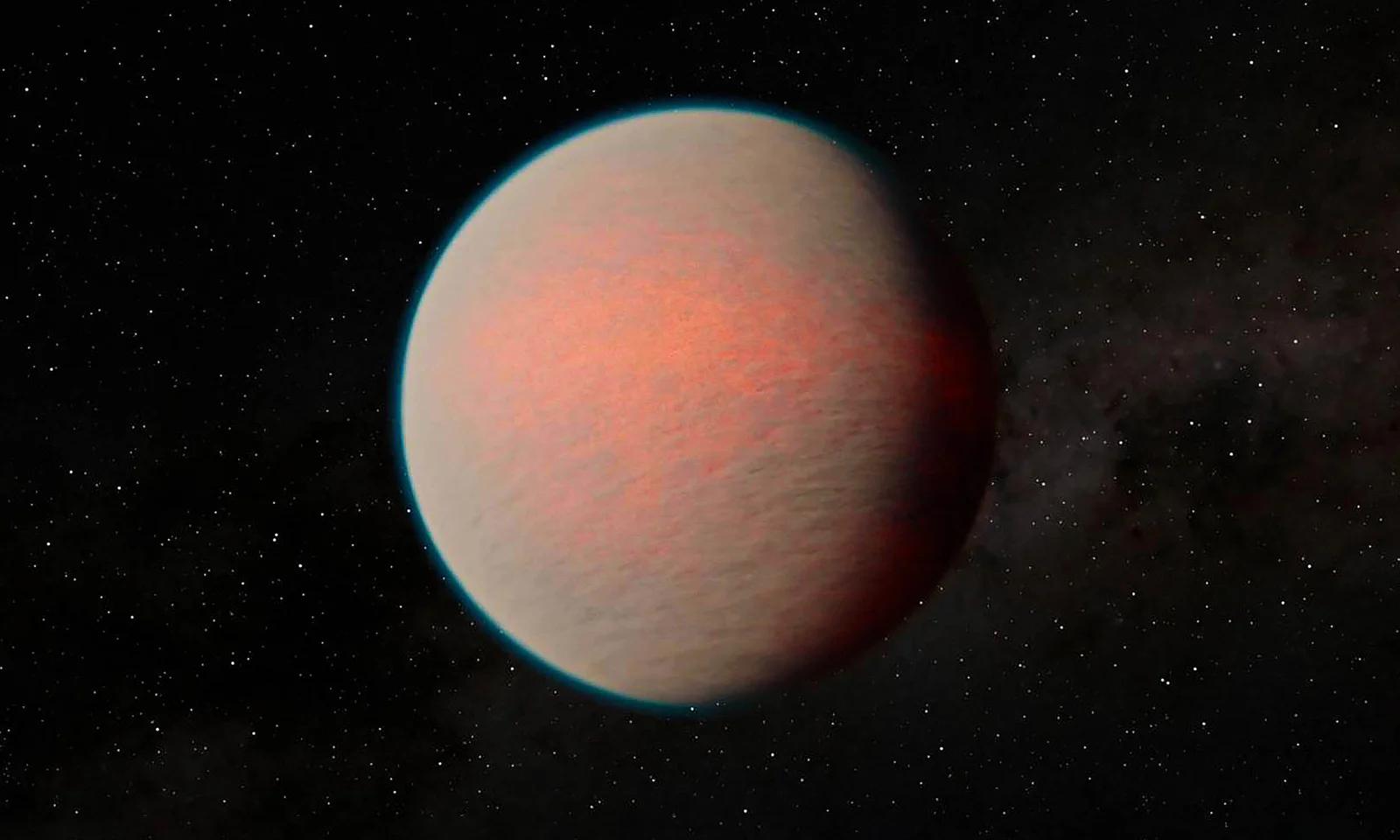
NASA's James Webb Space Telescope has observed a steamy, highly reflective mini-Neptune exoplanet, GJ 1214 b, using its Mid-Infrared Instrument (MIRI) to reveal details about its atmosphere. The watery atmosphere suggests that the planet formed farther from its star before spiraling inward, but more observations are needed to understand mini-Neptune formation. The observation demonstrates the power of Webb’s MIRI, which views wavelengths of light outside the part of the electromagnetic spectrum that human eyes can see. Mini-Neptunes are the most common type of planet in the galaxy, but mysterious to us because they don’t occur in our solar system.

space2 years ago

NASA's Webb Telescope Captures Unprecedented Images of Enigmatic Planet

NASA's James Webb Space Telescope has observed a distant planet outside our solar system, called GJ 1214 b, to reveal what is likely a highly reflective world with a steamy atmosphere. The planet is a "mini-Neptune" that was largely impenetrable to previous observations. The observation demonstrates the power of Webb's Mid-Infrared Instrument (MIRI), which views wavelengths of light outside the part of the electromagnetic spectrum that human eyes can see. The new observations could open the door to deeper knowledge of a planet type shrouded in uncertainty.

space2 years ago

NASA's Webb Telescope Captures Unprecedented Images of Enigmatic Planet

NASA's James Webb Space Telescope has observed a "mini-Neptune" planet outside our solar system, revealing a highly reflective world with a steamy atmosphere. The planet, called GJ 1214 b, is too hot to harbor liquid-water oceans, but water in vaporized form could be a major part of its atmosphere. The planet is totally blanketed by some sort of haze or cloud layer, and the atmosphere remained hidden until this observation. The observation demonstrates the power of Webb's Mid-Infrared Instrument (MIRI), which views wavelengths of light outside the part of the electromagnetic spectrum that human eyes can see.