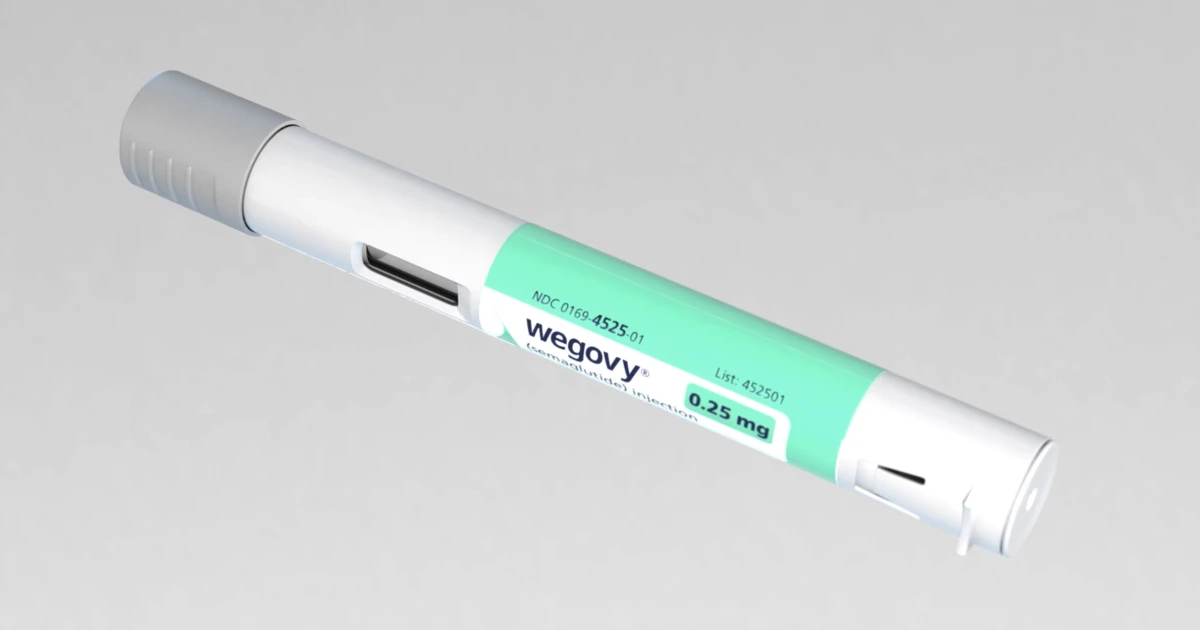
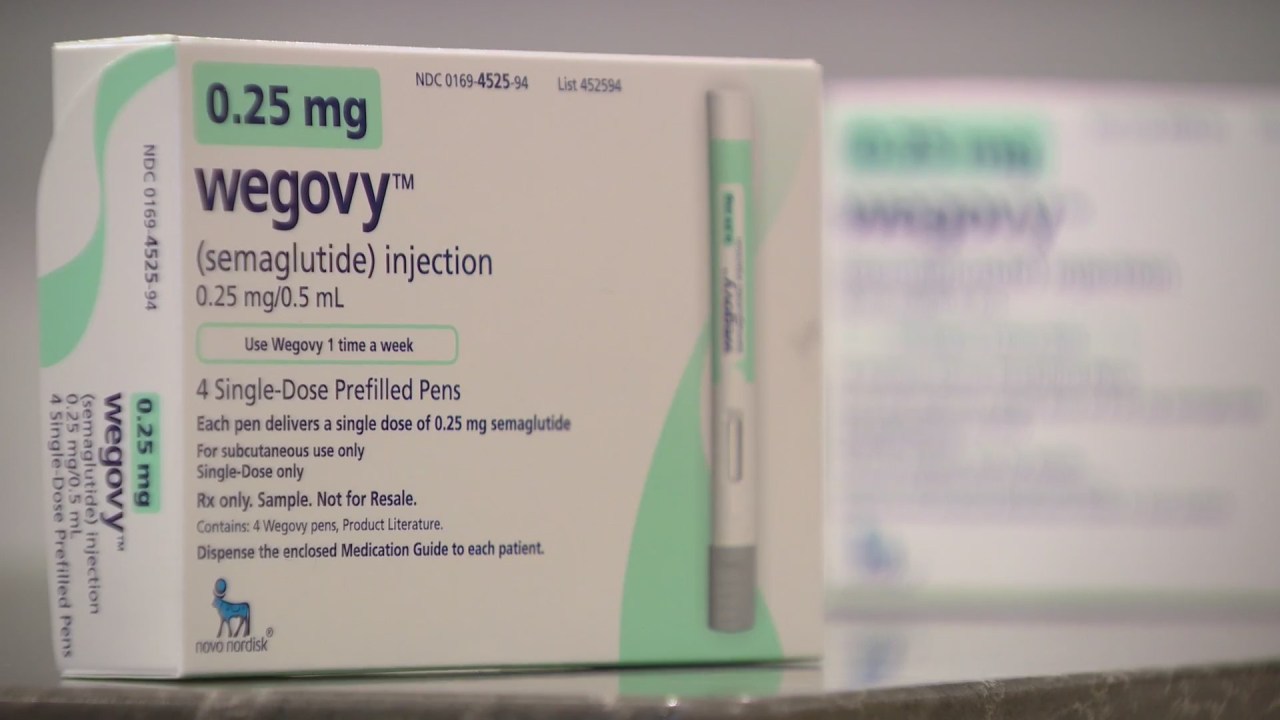
President Trump announced agreements with Eli Lilly and Novo Nordisk to significantly reduce the prices of obesity drugs, expand Medicare coverage starting in 2026, and make these treatments more accessible and affordable for millions of Americans, including discounts for consumers and coverage for some Medicare beneficiaries.
The White House is close to a deal with Eli Lilly and Novo Nordisk to lower the cost of weight loss drugs Zepbound and Wegovy to as little as $149 a month, in exchange for limited Medicare coverage, as part of efforts to reduce prescription drug prices.
Weight loss medications, such as the popular GLP-1 therapies, are proving to be effective tools for patients struggling with obesity, with some achieving significant weight loss comparable to bariatric surgery. However, these medications come with lifelong commitments and high costs, with Medicare not covering anti-obesity drugs. While these medications show promise in curbing hunger and cravings, they also come with potential side effects and are not a one-size-fits-all solution. Despite the challenges, patients like Niki Hernandez and her mother Faith Baran are finding success with these medications, highlighting the ongoing struggle and need for effective long-term solutions in managing obesity.
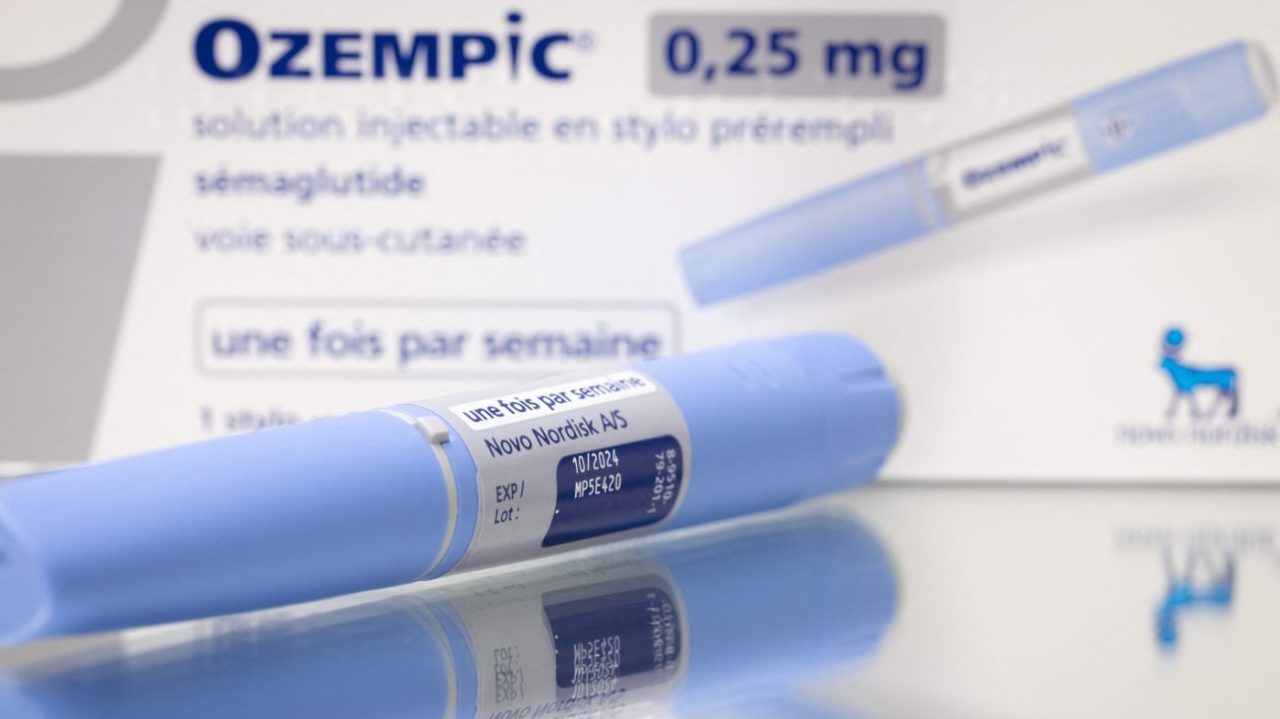
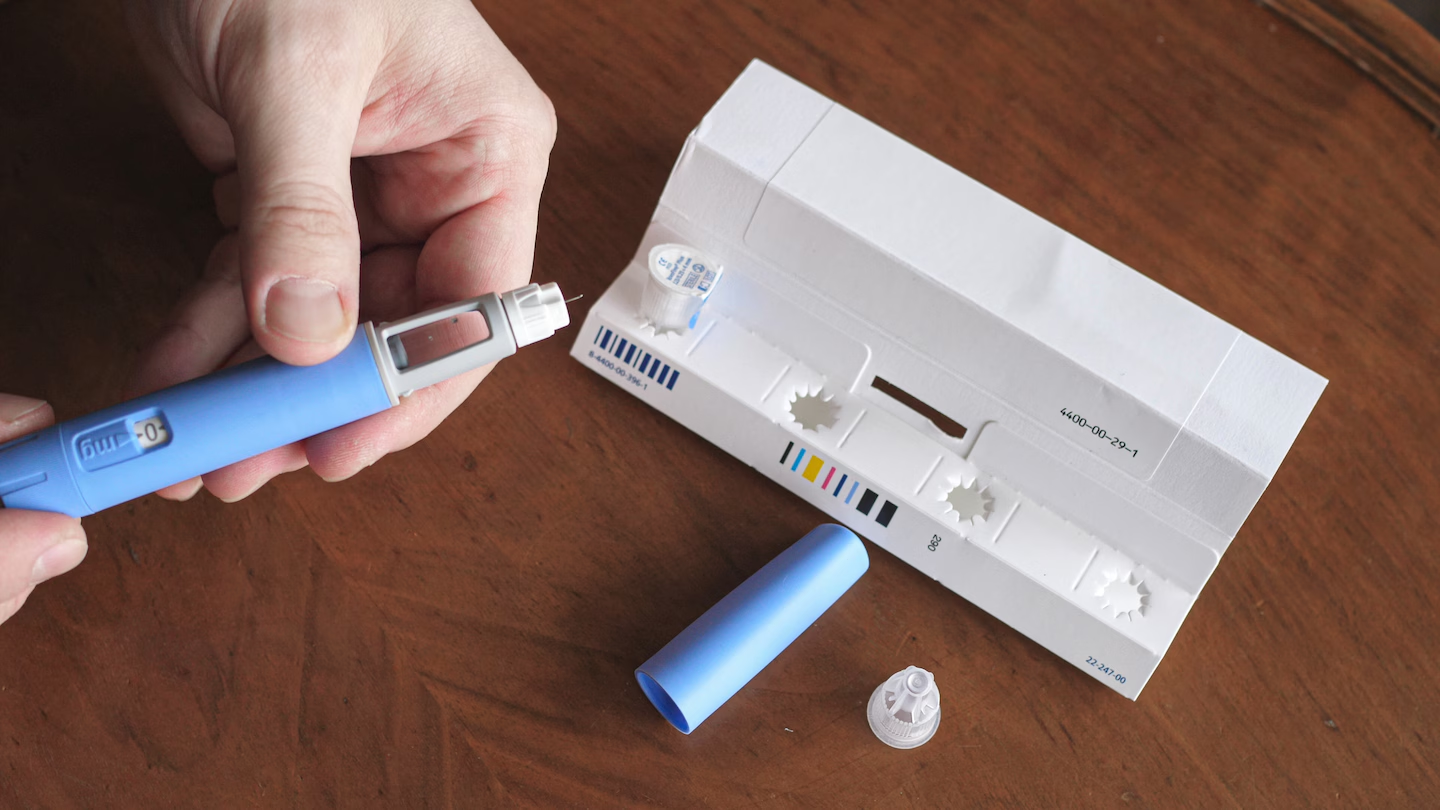
A nurse named April Peter shared on TikTok how her 69-year-old mother was able to get the weight loss drug Ozempic for free through Medicare. While Medicare typically does not cover Ozempic for weight loss purposes, Peter's mother was able to apply for the Ozempic Patient Assistance Program, which required her doctor's office to complete some paperwork. After approval, the medication was provided at no cost. However, patients seeking weight loss drugs like Ozempic or Mounjaro for non-diabetes purposes still face difficulties in obtaining coverage, as Medicare and other insurances require more research on the benefits of weight loss drugs for conditions like heart disease and fatty liver disease.
A new analysis from KFF reveals that weight loss drugs like Ozempic, Wegovy, and Mounjaro are significantly more expensive in the U.S. compared to other wealthy nations, with the list price being up to 10 times lower in some countries. For example, a one-month supply of Ozempic costs $936 in the U.S., while no other country paid more than $200 for the same drug. The U.S. also paid about four times more for Wegovy compared to the Netherlands and Germany. The analysis highlights the high rate of obesity in the U.S. and the challenges of getting these drugs covered by insurance. Lawmakers have reintroduced the Treat and Reduce Obesity Act to expand Medicare coverage for weight loss services and medications.
Medicare Part B premiums may increase in 2024 due to the introduction of a new Alzheimer's treatment called Leqembi, which has been approved for Medicare coverage. The estimated increase in premiums is around $10 per month, bringing the total to $174.80. The drug and related services may add an additional $5 per month, resulting in a total premium of $179.80. This increase is expected to be driven by the high cost of the treatment, making it one of the most costly drugs covered by Medicare Part B. The rise in premiums may impact Social Security checks, particularly for individuals with lower benefits, as the premiums are typically deducted directly from monthly Social Security payments.
Weight-loss drugs, such as Ozempic and Mounjaro, are showing promise in helping older adults lose weight, but there are concerns about their long-term effects and the high cost of these medications. Clinical trials have not included significant numbers of people aged 65 and older, leaving gaps in the available data. Medicare does not currently cover weight-loss medications, making it difficult for seniors to access these drugs. A bipartisan group of lawmakers has introduced the Treat and Reduce Obesity Act to require Medicare coverage for weight-loss drugs, but concerns over the potential costs have stalled the proposal. Experts recommend these medications for older adults with a body mass index (BMI) over 30 or a BMI of 27 or above with obesity-related conditions. However, BMI may not accurately estimate body fat in older adults, so other factors like waist circumference should also be considered. Weight loss in older adults should be accompanied by physical activity and a balanced diet to preserve muscle mass and overall health.
The FDA has granted full approval for a new Alzheimer's drug developed by Biogen and Eisai, paving the way for Medicare coverage and increased patient access. However, the road ahead remains challenging, as the drug faces burdensome caveats, including close patient monitoring and data collection for adverse events. The high costs of the treatment could also pose political challenges and competition from other drugs. Despite these obstacles, Wall Street remains cautiously optimistic, with some analysts highlighting potential upside for healthcare companies involved in home infusion services.
Biogen's stock fell after the FDA granted full approval for its Alzheimer's treatment, Leqembi. The approval allows Medicare to reimburse patients for the cost of the treatment, but doctors will need to submit patient data to a registry database. Analysts are divided on how quickly Biogen and partner Eisai can ramp up the drug. The approval comes with a black box warning for a heightened risk of brain swelling in certain patients, and the FDA recommends genetic testing prior to treatment. Biogen's ability to expand the use of Leqembi will depend on securing coverage from other payers, as Medicare only covers patients with early Alzheimer's disease.
The US Food and Drug Administration (FDA) has granted full approval to the Alzheimer's drug Leqembi, making it the first medication to slow the progression of the disease. The Centers for Medicare and Medicaid Services (CMS) will expand coverage of the drug, providing access to an estimated one million people with early forms of Alzheimer's. Leqembi, developed by Eisai and Biogen, received accelerated approval in January but faced limited use due to coverage restrictions. The drug, which costs $26,500 annually, was shown to slow cognitive decline by 27% in an 18-month clinical trial. However, it comes with side effects and requires regular brain imaging monitoring.
June is Alzheimer's and Brain Awareness Month, highlighting the impact of Alzheimer's disease and dementia on millions of Americans. A Virginia Beach couple, Jess and Rosey Rivera, are facing the challenges of early-onset Alzheimer's disease. Jess, a Navy veteran, was diagnosed at 52 years old. They are seeking treatment with new medications like Aduhelm, but the high cost poses a significant barrier. Medicare coverage for these medications is not yet established, causing frustration and a sense of discrimination. The Alzheimer's Association is advocating for unrestricted access to FDA-approved treatments for Alzheimer's patients. The couple remains hopeful for more time together and is actively fighting against the disease.