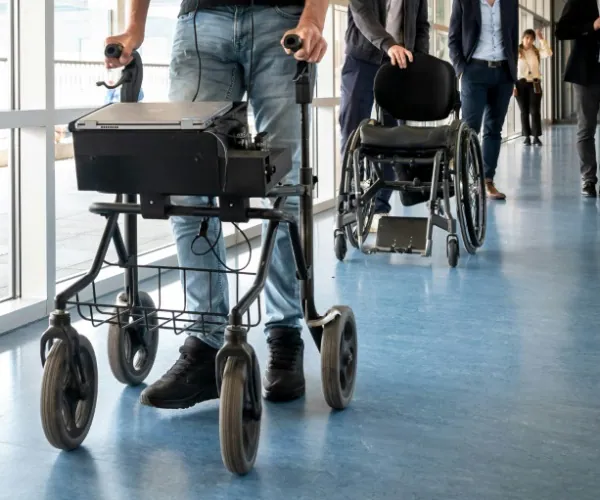
Swiss researchers have developed a technique using deep brain stimulation to help individuals with incomplete spinal cord injuries regain mobility. By targeting the lateral hypothalamus, a brain region associated with motivation and arousal, the method has shown promising results in trials, allowing patients to walk more easily and even climb stairs independently. The approach involves implanting electrodes in the brain to enhance neural signals to the spinal cord, though its effectiveness varies depending on the patient's existing neural connectivity. Further research is needed to optimize this treatment.
Researchers at Stanford University have discovered that electrical brain stimulation can make people more susceptible to hypnosis. By applying transcranial magnetic stimulation (TMS) to the prefrontal cortex, they found that participants with fibromyalgia became significantly easier to hypnotize, potentially improving the effectiveness of hypnosis as a treatment for chronic pain. The effect, however, was temporary, dissipating within an hour. This breakthrough could enhance pain management strategies for conditions like fibromyalgia, which affects millions of adults. The study's results were published in the journal Nature Mental Health.
Stanford University researchers have discovered that non-invasive brain stimulation can temporarily increase a person's susceptibility to hypnosis. The study, which focused on patients with fibromyalgia, used transcranial magnetic stimulation (TMS) targeting specific brain areas linked to high hypnotizability. Results showed a temporary improvement in the ability to be hypnotized, which could potentially enhance the effectiveness of hypnosis as a treatment for various health conditions. This proof of concept opens the door for further research into making hypnosis a more viable and effective medical therapy.
A study published in JAMA Psychiatry found that unsupervised home-use transcranial direct current stimulation (tDCS) combined with digital psychological interventions was not more effective than placebo in reducing symptoms of major depression. The research, involving 210 participants, challenges the efficacy of home-based brain stimulation as a treatment for depression and suggests that more personalized and possibly longer-term studies are needed to evaluate the potential of tDCS and digital health technologies in mental health treatment.