
Rising Lung Cancer Cases in Young Women and Non-Smokers
Lung cancer is increasing among young women, especially non-smokers, due to environmental factors like radon and pollution, with experts urging awareness of symptoms for early detection.

All articles tagged with #lungcancer
Lung cancer is increasing among young women, especially non-smokers, due to environmental factors like radon and pollution, with experts urging awareness of symptoms for early detection.

Recent trends in the U.S. show that young and middle-aged women are being diagnosed with lung cancer at higher rates than men, despite many of these women having never smoked. This rise is partly attributed to genetic mutations, such as those affecting the EGFR gene, which are more prevalent in women and certain ethnic groups. The late Susan Wojcicki, former CEO of YouTube, highlighted the need for more research and resources for lung cancer, especially for women and nonsmokers. Current screening guidelines primarily target smokers, leaving a gap in early detection for nonsmokers.
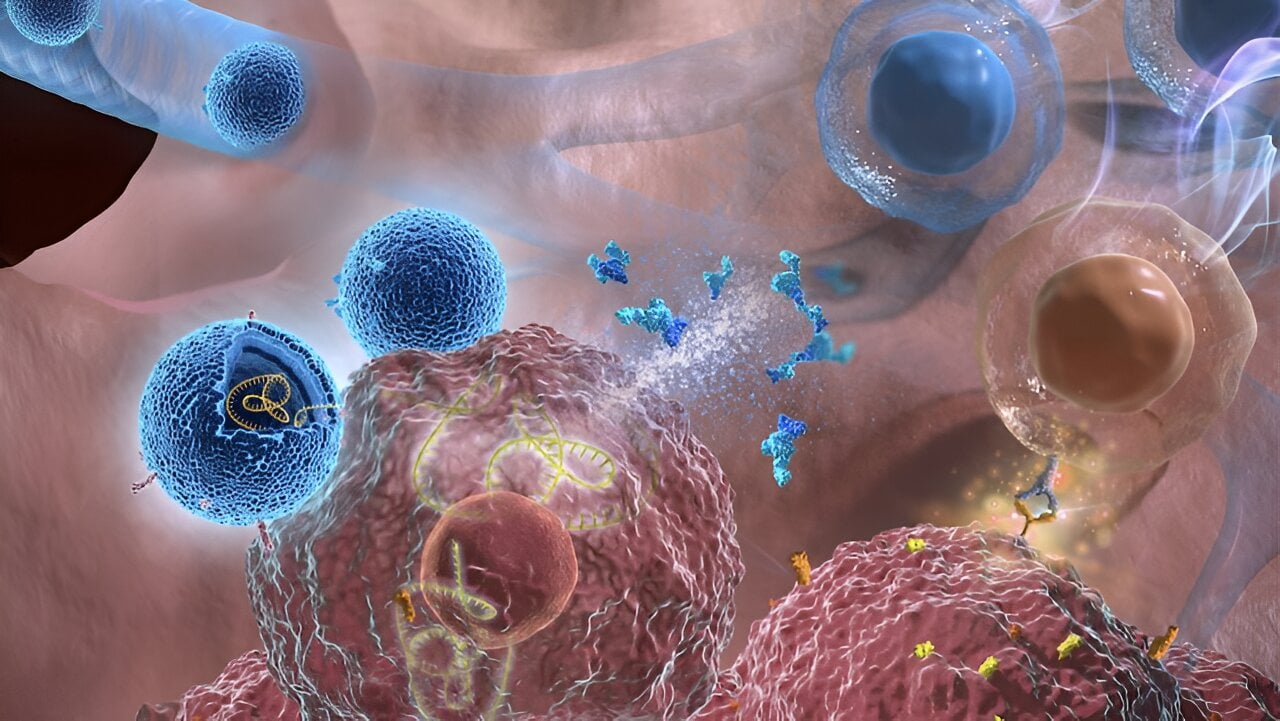
A study published in Nature Nanotechnology reveals a new inhalable therapy using nanobubbles called exosomes to deliver interleukin-12 (IL-12) messenger RNA (mRNA) directly to the lungs, demonstrating potential as a significant advancement in lung cancer treatment. This method efficiently delivers IL-12 to the lungs, activating immune cells to target and destroy tumor cells, while also training them to recognize and eliminate tumor cells throughout the body. The therapy shows promise in suppressing lung tumors and enhancing resistance against tumor rechallenges, with researchers aiming to translate these results into clinical benefits for lung cancer patients.

A 90-year-old male experiencing increased urination while on medication for Type 2 diabetes and an enlarged prostate should seek a thorough evaluation to determine the cause, which could be related to high blood sugar levels or prostate enlargement. Additionally, a 62-year-old woman inquires about her diagnosis of lepidic-predominant adenocarcinoma, a subtype of lung cancer, which is less aggressive and can be treated with surgery if detected early and localized.
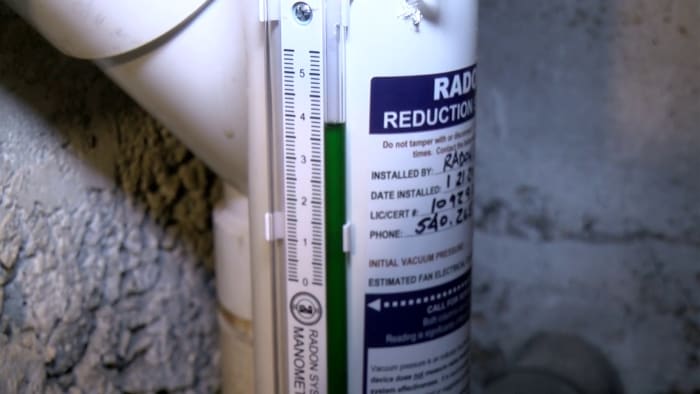
Michigan officials, including Governor Gretchen Whitmer, are emphasizing the importance of testing homes for radon, a naturally occurring radioactive gas and the leading cause of lung cancer in non-smokers. January 2024 has been declared Radon Action Month to raise awareness. Residents are advised to test their homes every two to five years, or every two years if they have a radon mitigation system. Elevated radon levels have been detected in all Michigan counties, with an estimated one in four homes exceeding the federal action level. Free inspections are available for those with mitigation systems who register for the 2024 Radon Mitigation System Study. Information and assistance can be found at Michigan.gov/Radon or by calling the Indoor Radon hotline.

Amanda Pehrson, an Alabama mother, decided to forego health insurance to save money, which led to a delayed diagnosis of stage four lung cancer after initially dismissing persistent symptoms as minor. Despite not being a smoker, Pehrson's condition was serious, and she now advocates for the importance of health insurance and seeking medical advice for persistent symptoms. Her story highlights the risks of being uninsured and the potential for non-smokers to develop lung cancer.
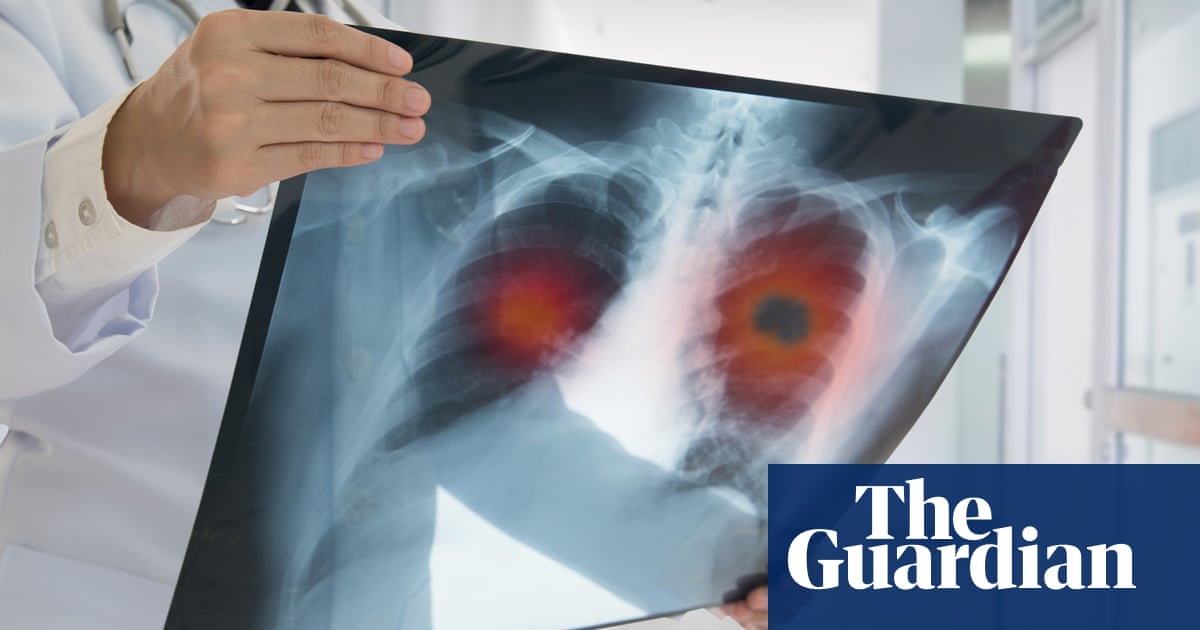
A daily pill called osimertinib has been found to reduce the risk of dying from lung cancer by 51%, according to a decade-long global study. The Adaura trial involved patients aged between 30 and 86 in 26 countries and looked at whether the pill could help non-small cell lung cancer patients, the most common form of the disease. Everyone in the trial had a mutation of the EGFR gene, which is found in about a quarter of global lung cancer cases, and accounts for as many as 40% of cases in Asia. The pill was proven to be “practice-changing” and should become the “standard of care” for the quarter of lung cancer patients worldwide with the EGFR mutation.

Natasha Loveridge, a non-smoker from England, was diagnosed with stage four lung cancer in December due to a gene mutation called EGFR+. She is now raising awareness for lung cancer and pushing for a national universal screening program. Loveridge is currently taking a cancer-growth blocking drug called osimertinib, which has already shown a reduction in her primary tumor by 25%. She is also raising money for a lung cancer research charity called Roy Castle Lung Cancer Foundation.
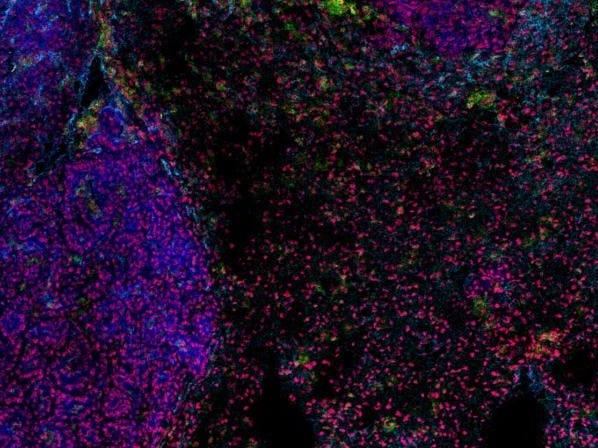
Scientists from the Francis Crick Institute have found that endogenous retroviruses (ERVs), which are remnants of ancient viruses that remain in human DNA, can be awoken in cancer tissue and evoke an immune response from B cells, which are white blood cells that create illness-busting antibodies. This discovery puts scientists closer to creating more effective treatments for lung cancer, and with more research, they could look to develop a cancer treatment vaccine made up of activated ERV genes to boost antibody production at the site of the patient's cancer and hopefully improve the outcome of immunotherapy treatment.
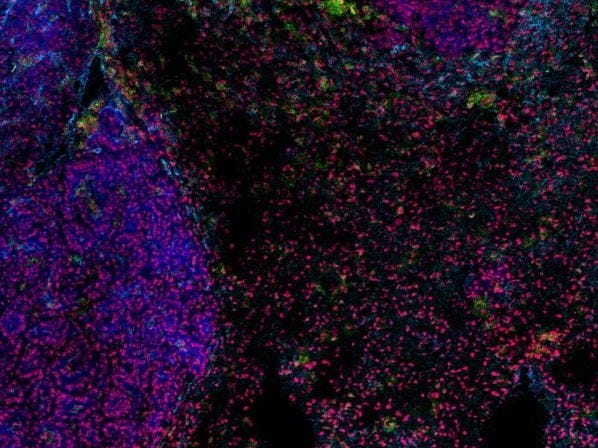
Scientists from the Francis Crick Institute have found that endogenous retroviruses (ERVs), which are remnants of ancient viruses that remain in human DNA, can be awoken in cancer tissue and evoke an immune response from B cells, which are white blood cells that create illness-busting antibodies. This discovery puts scientists closer to creating more effective treatments for lung cancer, and with more research, they could look to develop a cancer treatment vaccine made up of activated ERV genes to boost antibody production at the site of the patient's cancer and hopefully improve the outcome of immunotherapy treatment.