A review of cervical screening at the Southern Health Trust in Northern Ireland revealed that eight women developed cancer after their smear tests were misread, while 11 others had pre-cancerous changes. The review, prompted by the misdiagnoses of three women, found persistent underperformance by some screeners over 13 years. The Southern Health Trust has apologized, and there are calls for a public inquiry. The trust has since implemented HPV screening and centralized laboratory services to improve the system.
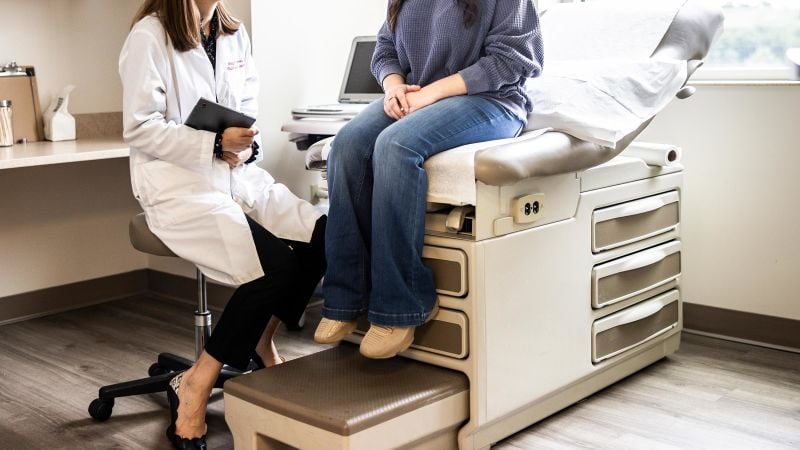
The US Preventive Services Task Force has issued a draft recommendation advocating for high-risk HPV testing every five years as the preferred cervical cancer screening method for women aged 30 to 65, over traditional Pap tests. This recommendation includes the option for women to self-collect samples, potentially increasing screening accessibility. The task force emphasizes that HPV testing offers a better balance of benefits and harms compared to Pap tests, although both remain viable options. The draft is open for public comment and aligns with the American Cancer Society's guidelines.
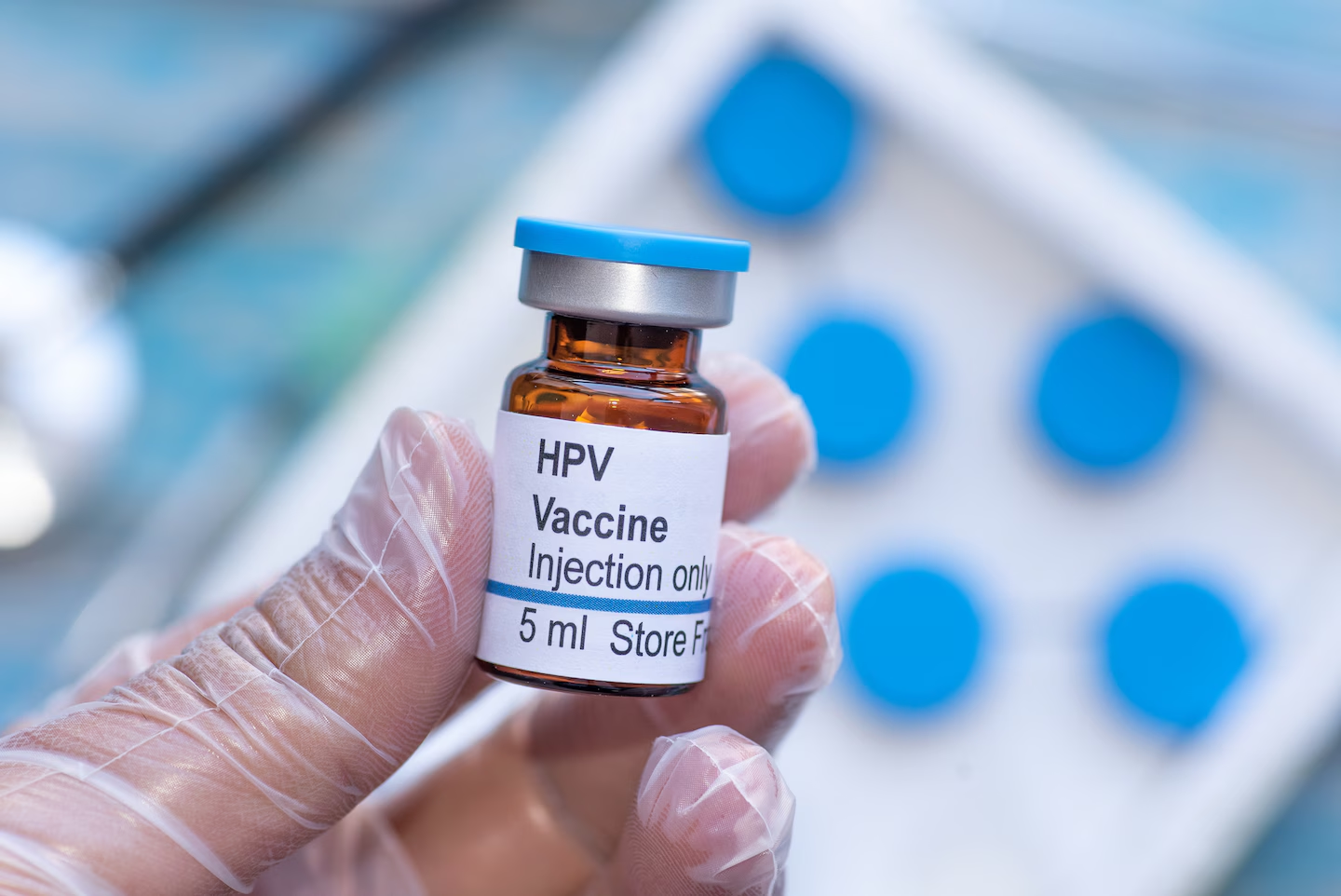
A recent study published in JAMA Network highlights a significant decline in cervical cancer deaths among women under 25, attributed to the widespread vaccination against human papillomavirus (HPV). Researchers, including Ashish Deshmukh from MUSC's Hollings Cancer Center, emphasize this as a major public health success, crediting the HPV vaccine for the reduction in cancer cases.
Cervical cancer, which claims over 350,000 lives annually, could become the first cancer to be eliminated due to effective HPV vaccines, early diagnostics, and treatments. While high-income countries are nearing elimination, 94% of deaths occur in low- and middle-income countries where these tools are less accessible. The WHO's Global Strategy aims for 90% HPV vaccination, 70% screening, and 90% treatment access by 2030. Success stories like Bhutan and Rwanda highlight the potential for global progress, but sustained investment and political commitment are crucial to achieving these targets.
Indian model Poonam Pandey sparked controversy by faking her own death on Instagram as part of a cervical cancer awareness campaign, leading to a backlash and accusations of unethical and manipulative behavior. Pandey, known for her outlandish stunts, later admitted to the hoax, stating that it had successfully raised awareness about cervical cancer. The incident has ignited discussions about the impact of such deceptive stunts and the fall of mainstream media's credibility, while also shedding light on the need for cervical cancer awareness and prevention efforts in India.
During Cervical Cancer Awareness Month, it's been reported that advanced stage cervical cancer cases are increasing, potentially due to pandemic-related healthcare disruptions and changes in pap smear guidelines. Regular screenings are crucial as early stages often show no symptoms. Cervical cancer, largely caused by the HPV virus, can be prevented with effective vaccines, as evidenced by the decline in cases in Australia where vaccine uptake is high. The CDC notes about 13,000 new cases and 4,000 deaths from cervical cancer annually in the U.S.
Cleveland Clinic doctors have reported an increase in advanced stage cervical cancer cases, attributing the rise to pandemic-related delays in routine checkups and changes in pap smear screening guidelines, which now recommend less frequent tests. The early stages of cervical cancer often present no symptoms, making regular screenings crucial for detection. Dr. Robert DeBernardo emphasized that cervical cancer is preventable and linked to the HPV virus, against which there are highly effective vaccines available.
A tweet has been circulating on social media mischaracterizing the Canadian Cancer Society's guidance on cervical cancer among trans women. The organization advises that only a small group of trans women who have had certain types of vaginoplasties may be at risk for cervical cancer and should consider screening as part of their pelvic health following surgery. Trans women who haven't had bottom surgery aren't at risk for cervical cancer and don't need to be regularly tested for the disease. The Canadian Cancer Society did not provide comment.