Ultrasound is a versatile, radiation-free diagnostic tool used for various health assessments beyond pregnancy, including pain diagnosis, lump evaluation, thyroid monitoring, circulatory health, and organ function, with easy, affordable access through Echo Ultrasound's self-pay, same-day service.,
The thumb test is a simple at-home check that may indicate increased risk for connective tissue disorders linked to aneurysms, but it is not a reliable diagnostic tool. Medical imaging remains the standard for detecting aneurysms, and individuals with positive results should consult healthcare professionals for further evaluation.
The thumb test is a simple at-home check that may indicate increased risk for connective tissue disorders linked to aneurysms, but it is not a reliable diagnostic tool for heart or aneurysm issues; proper diagnosis requires medical imaging and evaluation.
While heartburn is often harmless, persistent or severe symptoms may indicate serious conditions like Barrett’s oesophagus, which increases cancer risk. New NHS screening programs involve swallowing a capsule to detect abnormal cell growth. Key warning signs include difficulty swallowing, unexplained weight loss, and chest pain, especially if severe or sudden, requiring prompt medical attention. Lifestyle changes and medications can manage mild cases, but ongoing symptoms should be evaluated by a healthcare professional.
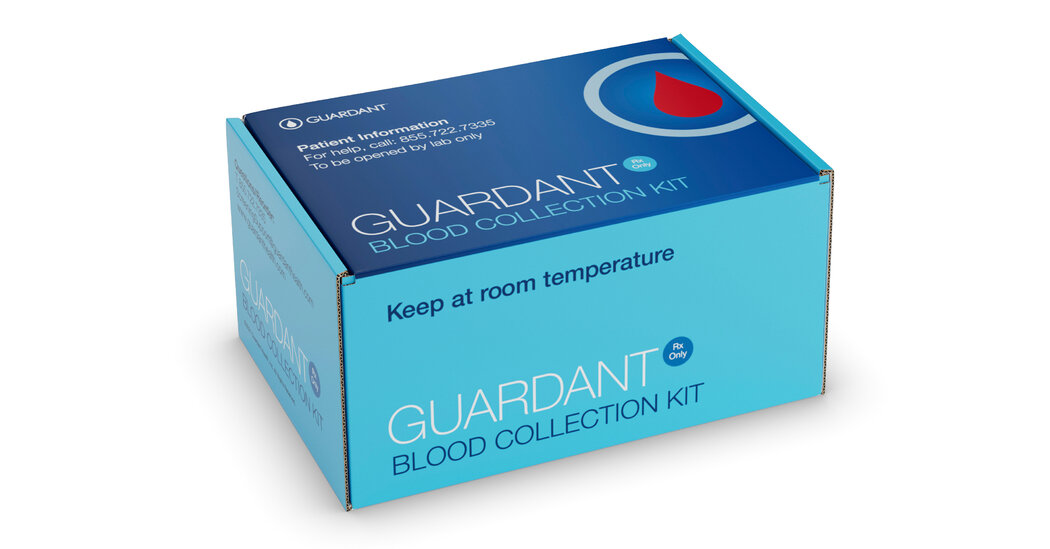
An FDA advisory panel has endorsed the safety and effectiveness of Guardant Health's new blood test, Shield, for screening colon and rectal cancers, despite its limitations compared to colonoscopies. The test detected 83% of colorectal cancers but only 13% of dangerous polyps, whereas colonoscopies find 95% of such polyps. The panel hopes the blood test will increase screening rates, though it must be followed by a colonoscopy if abnormalities are found.
The rise in prostate cancer cases has led to calls for an overhaul of testing procedures, as experts warn that current methods may be missing aggressive forms of the disease. With a significant increase in diagnoses, there is a growing concern about the effectiveness of existing screening techniques and the need for more accurate and personalized approaches to detecting and treating prostate cancer.
Doctors are seeing an increase in colorectal cancer cases among young people, and one surprising symptom gaining attention is pencil-thin poop, which can be a red flag for the disease. Other warning signs include blood in the stool, abdominal pain, change in bowel habits, and unexplained weight loss. It's important to inform your doctor of any symptoms and consider early screening, especially if you have a family history of colon cancer or certain risk factors. While these symptoms don't necessarily mean cancer, early detection through screening or medical attention is crucial for effective management and potential cure.
Reddit cofounder Alexis Ohanian and Altimeter Capital founder Brad Gerstner advocate for the calcium score test, a relatively inexpensive and noninvasive CT scan that assesses the risk of heart disease, heart attack, and stroke by measuring calcium buildup in coronary arteries. The test is recommended for individuals at moderate risk of cardiovascular disease, particularly those between 40 and 75 years old, and can help guide treatment plans based on the level of calcified plaque. While the test isn't always covered by insurance and costs between $100–$400, it provides valuable insight into cardiovascular health and can prompt necessary interventions, such as statin therapy, even for individuals with seemingly healthy cholesterol levels.
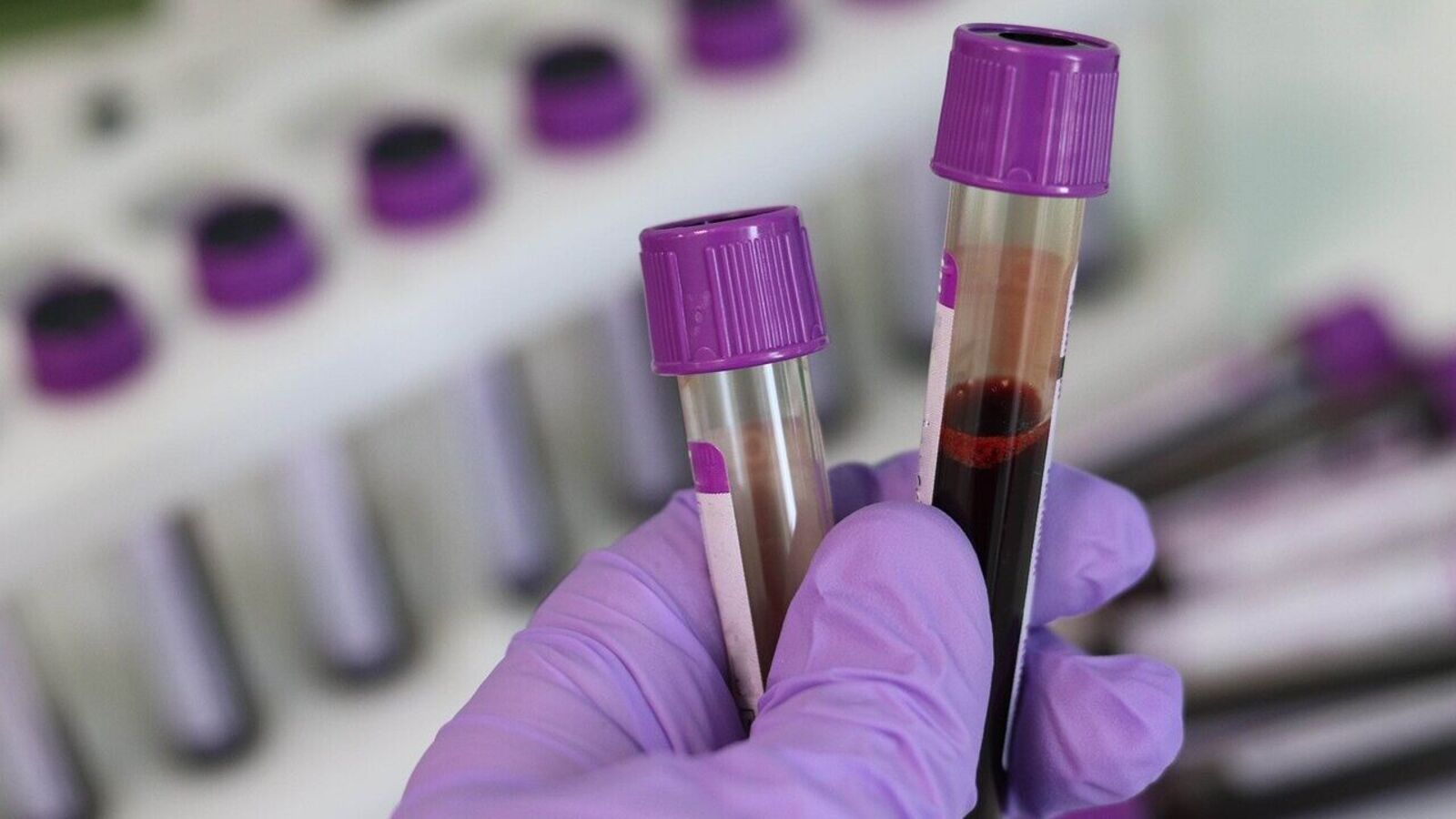
The Galleri liquid biopsy, a blood test that can screen for over 50 types of cancers, has gained popularity among affluent and health-conscious individuals seeking early cancer detection. However, while some doctors and patients believe in its potential benefits, others caution against its use due to the lack of evidence showing it can prevent cancer deaths and the risk of false positive or negative results. The test's proponents argue that catching cancer earlier outweighs these concerns, but critics emphasize the need for further research and FDA approval. The test is not recommended for pregnant individuals, those under 21, or those undergoing active cancer treatment.
Health tech startups like NextGen Jane, LifeStory Health, and Qvin are revolutionizing the way menstrual blood is perceived and utilized. By collecting and analyzing menstrual effluent, these companies aim to uncover valuable biomarkers and improve healthcare for individuals with uteruses. Menstrual blood, once considered medical waste, is now seen as a potential diagnostic tool for conditions like endometriosis, infertility, thyroid health, diabetes management, and even cancer detection. At-home collection kits and direct-to-consumer models are being developed, but experts emphasize the importance of involving healthcare practitioners to ensure proper guidance and care. The future holds promising possibilities for menstrual-blood testing, with potential applications in various reproductive pathologies.
The fecal immunochemical test (FIT) is a fast, accurate, and easy-to-use test that detects elevated globin, the most predictive biomarker of colon and rectal cancer, in the gastrointestinal tract. The second-generation FIT test is a revolutionary test that aids in the detection of colorectal cancer, colitis, diverticulitis, and other lower GI disease states. FIT is a simple, cost-effective option that can be completed in the doctor’s office or taken home for sample collection and returned to the doctor, which helps to refer the right patients to get a colonoscopy. FIT has been recommended by the World Health Organization, the American College of Gastroenterology, the American Gastroenterological Association, the US Joint Preventative Task Force, and the American Cancer Society for colon cancer screening, with outcomes similar to screening with colonoscopy.
Artificial intelligence (AI) has been found to be an effective tool in predicting pancreatic cancer up to three years before symptoms appear, according to a study published in the journal Nature Medicine. The study used AI and machine learning methods to analyze medical data from six million patients in Denmark and three million patients in the US. The technology scanned the data for up to 2,000 disease codes across each patient’s medical history that could predict the likelihood of developing cancer within a certain time frame. The researchers hope that AI-based screening could improve patient outcomes and quality of life by focusing on early detection of pancreatic cancer.
An AI model has been developed that can predict a person's risk of developing pancreatic cancer within the next three years with great accuracy. Pancreatic cancer is notoriously hard to spot, making it one of the deadliest forms of the disease, killing more than half of sufferers within five years of diagnosis. The AI model was trained using 500 CT scans of people who had experienced lung nodules and past medical records. The model earned a score of 0.88 in estimating risk of cancer within the next three years and 0.9 for detecting risk in the next 12 months. Researchers hope this model can be used by doctors in cancer care to help catch the deadly disease well before it starts to spread.
More than 320 people were screened by the NCRHA's medical staff at this year's Boom Burnout event, with 73% showing early signs of hypertension and diabetes. The event, held during the Carnival period, aims to encourage healthy lifestyles through movement and exercise to the sounds of soca music. The NCRHA partnered with Boom Champions radio station to provide medical screening, including Covid-19 vaccinations, influenza vaccinations, specialist medical consultations, public health education, glucose screening, and high blood pressure testing. The NCRHA has implemented a series of outreach projects to provide healthcare outside of the usual hospital walls, in efforts to make healthcare more available and accessible to communities.