Kim Kardashian revealed in the new season of 'The Kardashians' that she suffered a small aneurysm recently, highlighting her health struggles amid her busy personal and professional life, including her divorce, law studies, and family issues.
Kim Kardashian revealed she was diagnosed with an aneurysm in a teaser for the new season of 'The Kardashians,' highlighting her health concern and its potential risks, with further details yet to be disclosed.
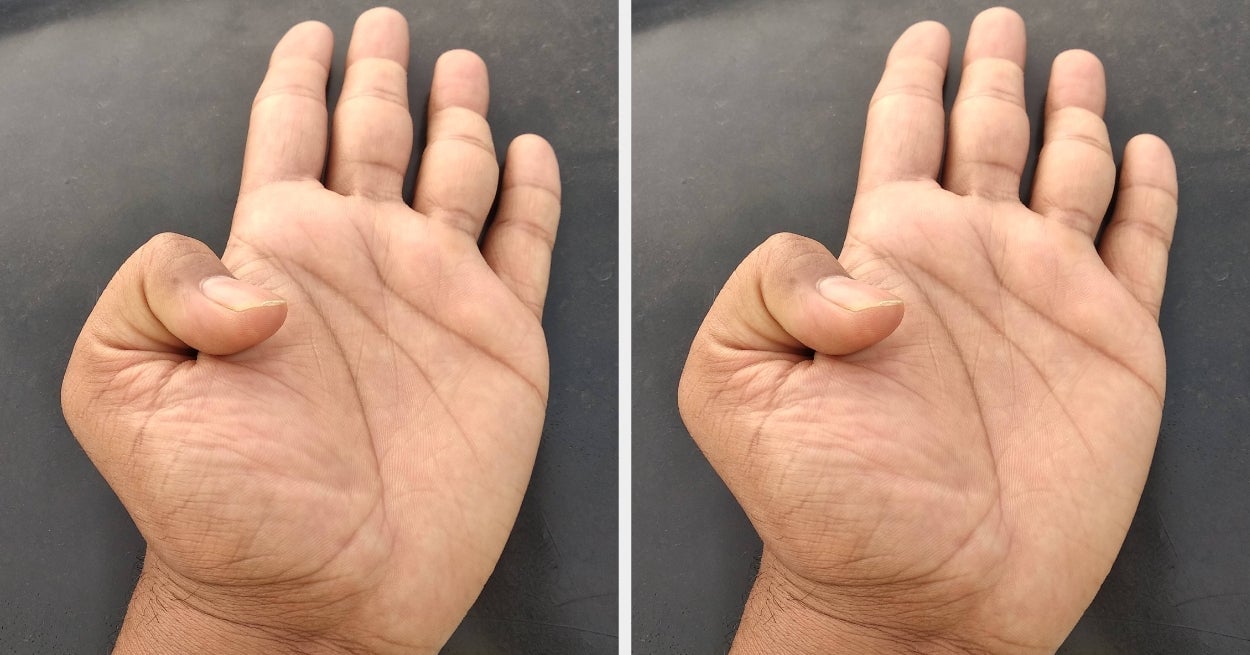
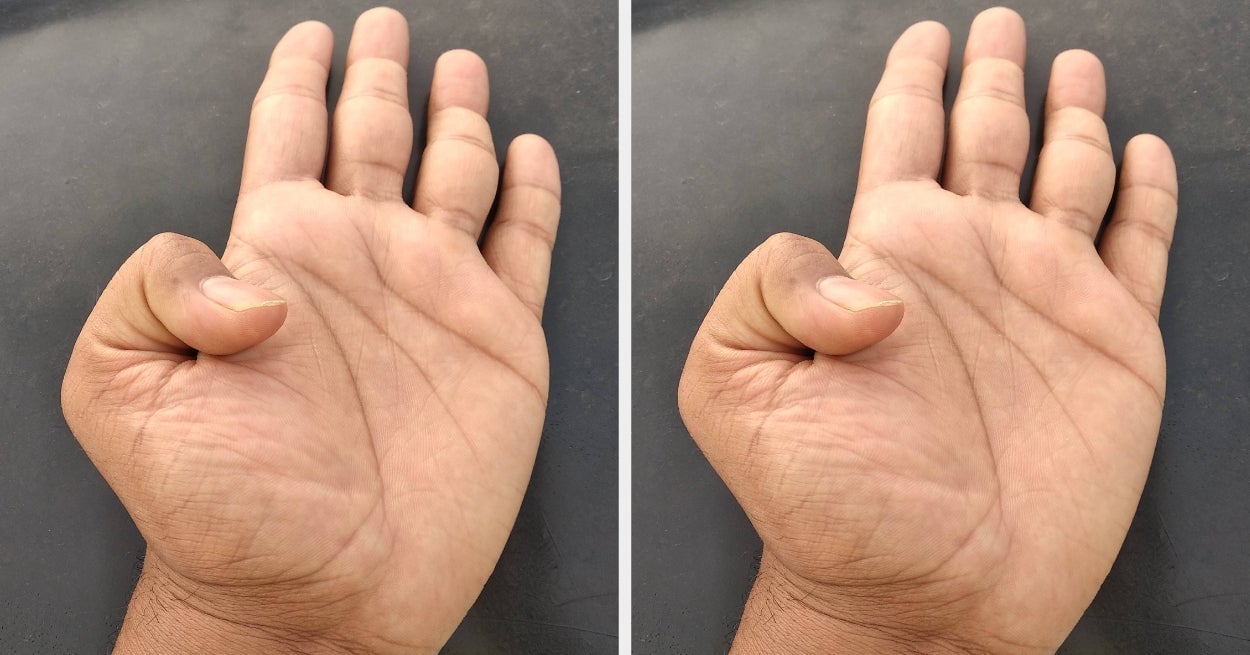
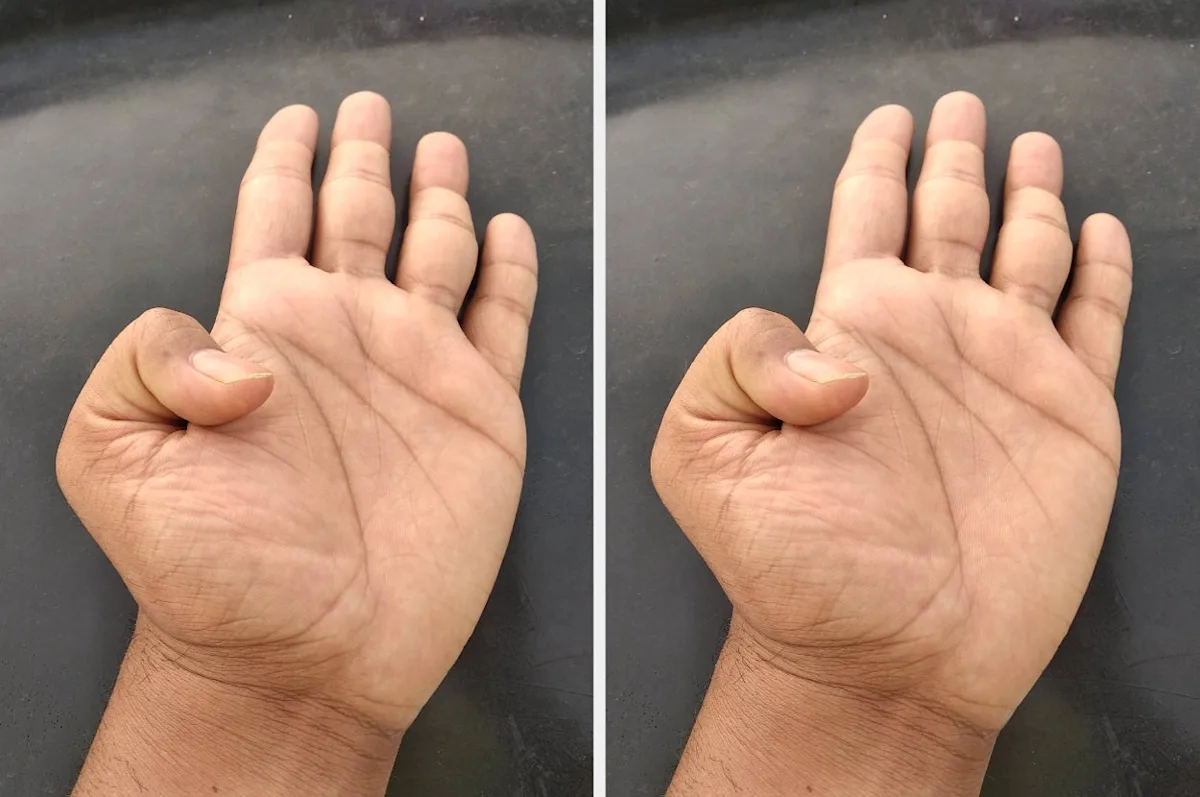
The thumb test is a simple at-home check that may indicate increased risk for connective tissue disorders linked to aneurysms, but it is not a reliable diagnostic tool. Medical imaging remains the standard for detecting aneurysms, and individuals with positive results should consult healthcare professionals for further evaluation.
The thumb test is a simple at-home check that may indicate increased risk for connective tissue disorders linked to aneurysms, but it is not a reliable diagnostic tool for heart or aneurysm issues; proper diagnosis requires medical imaging and evaluation.
The thumb test is a simple at-home check that can indicate potential risk for connective tissue disorders linked to aneurysms, but it is not a reliable diagnostic tool for heart problems. A positive result suggests the need for further medical evaluation, including imaging tests, especially if other risk factors are present.
A woman in Serbia died from a ruptured brain aneurysm likely triggered by a sexual self-stimulation incident involving a kitchen whisk, highlighting a rare cause of sudden death during sexual activity.
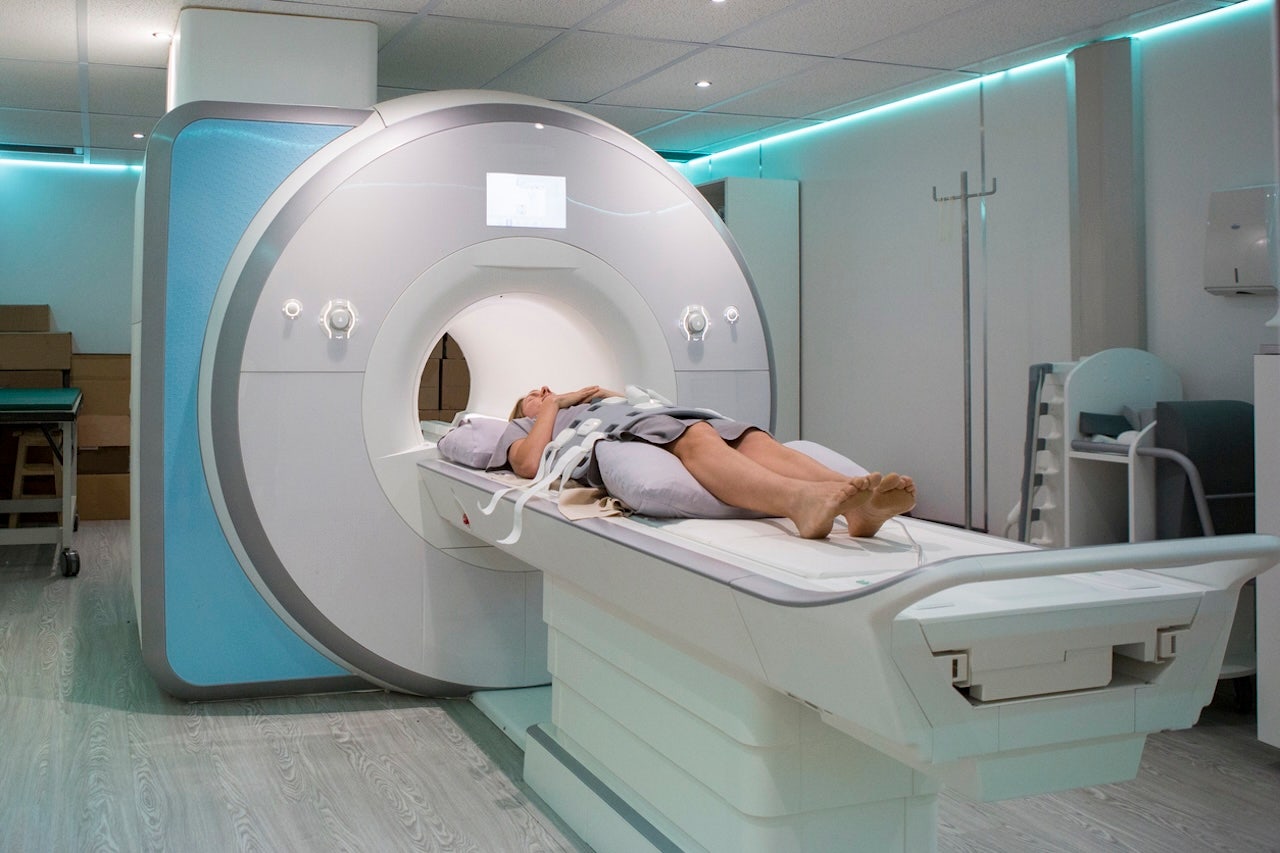
Mary Ann Waldron's life was saved when an elective full-body MRI scan detected a large aneurysm in her pancreas area, despite her being asymptomatic. The scan led to immediate surgery, preventing a potentially life-threatening situation. While some experts recognize the benefits of full-body MRI scans for early detection, there are also concerns about false positives and the associated costs. Waldron advocates for taking an active role in disease prevention and believes that these scans can help prolong and improve lives.
Mary Ann Waldron's life was saved when an elective full-body MRI scan detected a large aneurysm in her pancreas area, despite her being asymptomatic. The scan led to immediate surgery, preventing a potentially life-threatening situation. Advocates like Dr. Brett Osborn recognize the benefits of full-body MRI scans as a preventative measure, although there are potential risks and limitations. While insurance coverage for full-body MRI scans is currently limited, the case highlights the potential of such scans in early detection and intervention for life-threatening conditions.
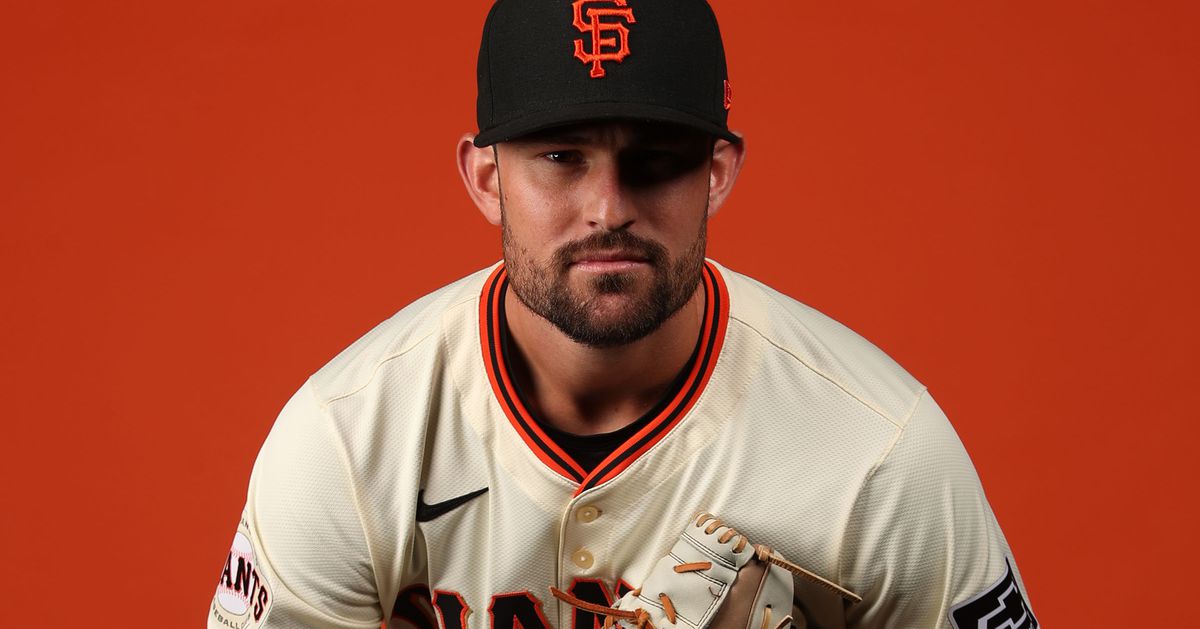
San Francisco Giants pitcher Tristan Beck is out indefinitely after being diagnosed with an aneurysm in his right arm, requiring him to see a vascular surgeon and pushing his return timeline into uncertainty. While this is a setback for the team, the focus should be on Beck's health, as aneurysms can pose serious health risks if left untreated. An interview with former player David Cone, who went through a similar situation, sheds light on the potential recovery process. It's important to prioritize Beck's well-being over his baseball career, and further details about his condition are awaited.
A 33-year-old man in Chicago, Alex McKeown, experienced a stroke while feeling light-headed during a workout class. He wants others to learn from his experience and seek medical attention immediately if they notice any warning signs. Doctors at Northwestern Medicine performed emergency surgery to remove a blood clot blocking blood flow to his brain. Tests also revealed a rare heart condition, an aortic aneurysm, and a bicuspid aortic valve. McKeown will undergo open heart surgery later this summer. Strokes are a leading cause of death in the US, and it is crucial to recognize warning signs such as face droopiness, arm weakness, and difficulty speaking.
Jackie Miller James, an Orange County social media influencer, who suffered an aneurysm while nine months pregnant, has shown encouraging progress in her recovery. After undergoing emergency brain surgery and a C-section, she was placed in a medically-induced coma. Her family announced that she is now awake and has been transferred to a top neurological rehabilitation hospital. Although she still has a long road ahead, doctors are pleased with her progress. The family's newborn baby, who spent time in the NICU, is growing healthy and the two have been reunited. A GoFundMe campaign has been set up to assist with medical bills and recovery costs.
Fitness influencer Jo Lindner, who suffered from rippling muscle disease (RMD), expressed concerns about the long-term effects of testosterone replacement therapy (TRT) just days before his death at the age of 30 due to an aneurysm. Lindner had spoken about his condition in a podcast, highlighting worries about the impact on his heart.
Jo Lindner, a popular German bodybuilding influencer known as "Joesthetics," has passed away at the age of 30. His girlfriend confirmed on social media that he died from an aneurysm after complaining of neck pain. In his final post, Lindner discussed his gym journey and the long-term effects of testosterone replacement therapy. His girlfriend described him as an amazing and incredible person.
Renowned bodybuilder and Instagram influencer Jo Lindner has passed away due to an aneurysm, leaving the fitness community in mourning. Aneurysms, which are the enlargement of an artery caused by weakness in the arterial wall, often go undetected until they rupture. Symptoms may include abdominal or lower back pain, difficulties swallowing and breathing, and pain in the jaw, chest, and upper back. Treatment options vary depending on the type and location of the aneurysm, with emergency surgery necessary for ruptured cases. Monitoring and preventive measures may be recommended for unruptured aneurysms. Diagnosis involves screening through ultrasound, MRI scans, or CT scans, and angiograms may be used in emergency cases.
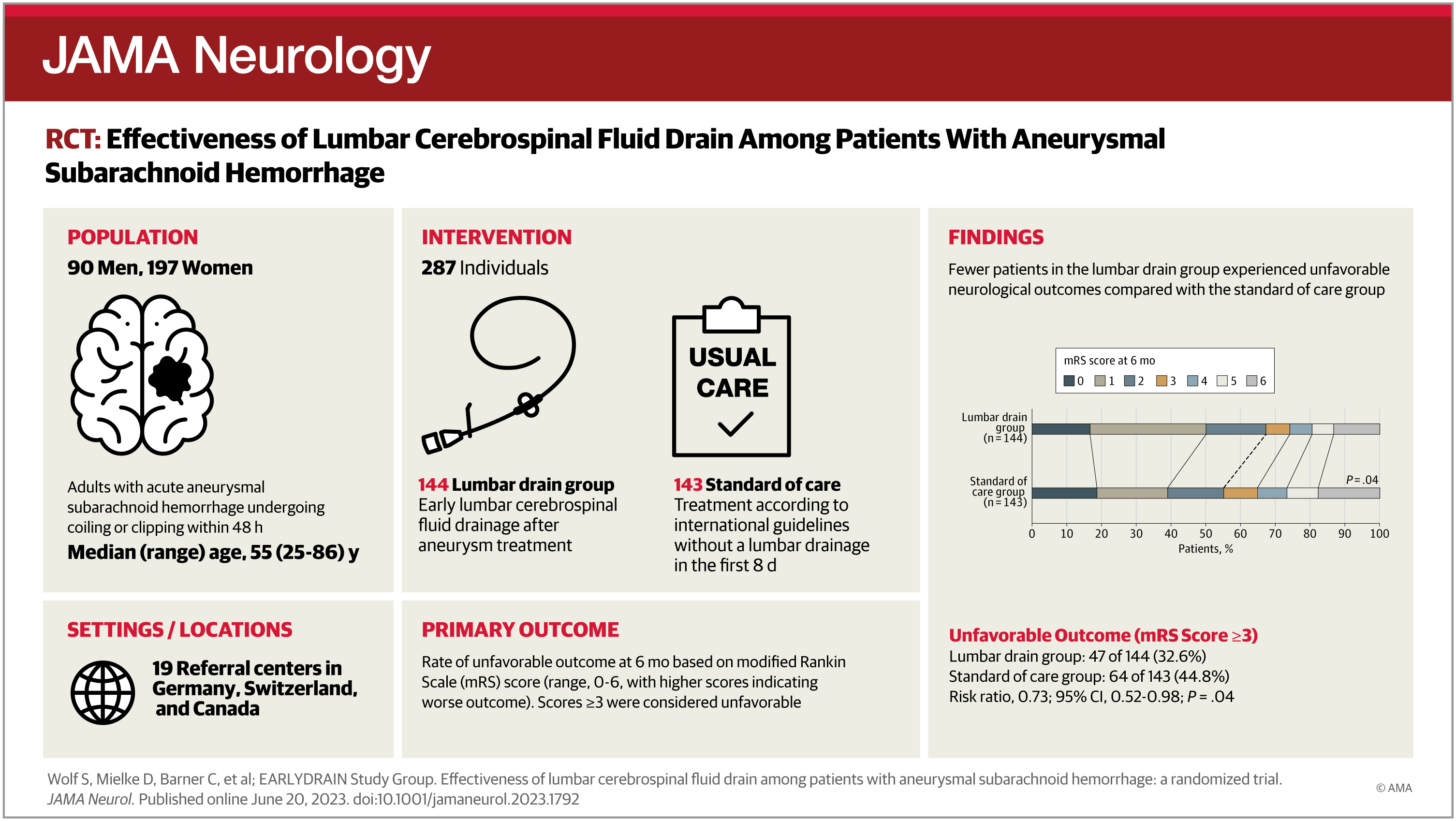
A pragmatic randomized clinical trial including 287 patients at 19 sites in 3 countries found that prophylactic lumbar cerebrospinal fluid drainage improved clinical neurological outcomes at 6 months among patients with aneurysmal subarachnoid hemorrhage. The rate of unfavorable neurologic outcome was 32.6% in the lumbar drainage group and 44.8% in the standard of care group. Lumbar drainage lessened the burden of secondary infarction and decreased the rate of unfavorable outcome at 6 months.