Brazil's former president Jair Bolsonaro underwent a successful medical procedure to treat severe hiccups by blocking the phrenic nerve, with a second procedure scheduled; he also recently had hernia surgery and is currently in prison following a coup attempt conviction.
Deion Sanders, head coach of Colorado Buffaloes, is undergoing a medical procedure for blood clots but plans to return quickly to coaching after the surgery, despite a history of health issues including blood clots and bladder cancer.
Lance Stroll withdrew from the Spanish Grand Prix due to worsening pain in his hand and wrist, related to a previous injury and surgery from a cycling accident. Despite his persistence to race, he ultimately needed medical treatment, leading to his absence from the race and a warning for Aston Martin for not informing the FIA sooner. His return depends on medical advice, with the next race in Canada potentially his comeback.
Lance Stroll will miss the Spanish Grand Prix due to a hand and wrist injury requiring a medical procedure, after experiencing pain linked to a previous injury from a cycling accident. Despite qualifying 14th, he will not race and is focusing on recovery, with his team aiming for his return in upcoming races.
The article discusses the importance of understanding what is removed during a hysterectomy, a common surgical procedure for women. It emphasizes the need for patients to be informed about the specifics of their surgery, as the procedure can vary significantly, affecting different parts of the reproductive system. This knowledge is crucial for post-operative care and managing expectations regarding recovery and potential hormonal changes.
Despite being an awkward and often dreaded experience, getting a Pap smear every three years is crucial for detecting potential cervical cancer, contributing to a significant decrease in cases and deaths over the past 30 years in the U.S.
Michael Strahan's daughter Isabella, who is battling brain cancer, has undergone a third craniotomy, delaying her second round of chemotherapy. She shared her pain and struggles in a YouTube vlog, expressing the difficulty of dealing with the procedure and its aftermath. Isabella has been experiencing setbacks, including hospitalization due to a fever and shortness of breath. Her chemo has been postponed, and she continues to face physical and emotional challenges in her cancer journey.
Nicole LaBolle was diagnosed with Parkinson's Disease at 28 and recently underwent deep brain stimulation surgery at the Cleveland Clinic, significantly improving her quality of life. The procedure, akin to a pacemaker for the brain, treats tremors and slow movement associated with the disease. LaBolle, now 39, is grateful for the surgery, which has allowed her to engage in activities with her family and advocate for others with Parkinson's.
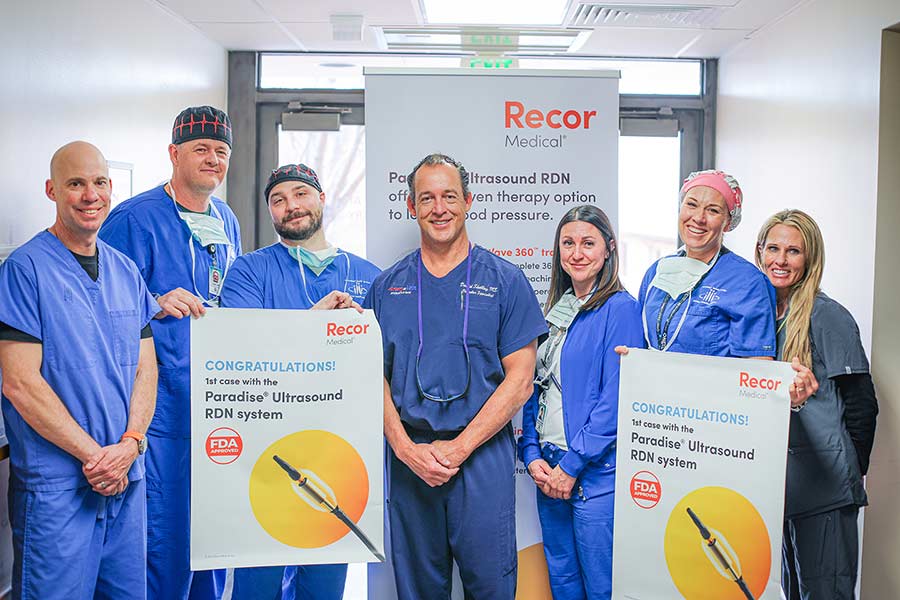
Dr. David Shelley, a vascular and interventional specialist at Bingham Memorial Hospital, introduced the Recor Paradise Procedure to Idaho, aiming to decrease high blood pressure in patients resistant to medication. The procedure involves inserting a catheter through an artery in the groin to reach the renal artery, where a balloon inflates and emits ultrasound energy to deter sympathetic nerves from increasing blood pressure. With proven safety and effectiveness, the procedure can benefit those with resistant hypertension, potentially reducing the risk of stroke, heart disease, and kidney disease. Patients interested in the procedure can schedule a consultation to determine eligibility, with careful consideration given to experienced physicians for equipment distribution.
Prince William withdrew from a scheduled appearance at a Windsor Castle memorial service due to a personal matter, while his wife, Kate, the Princess of Wales, is recovering from an undisclosed abdominal surgery. Meanwhile, King Charles III is undergoing periodic treatments for an undisclosed form of cancer, and it is understood that William's absence from the event is not related to his father's illness.
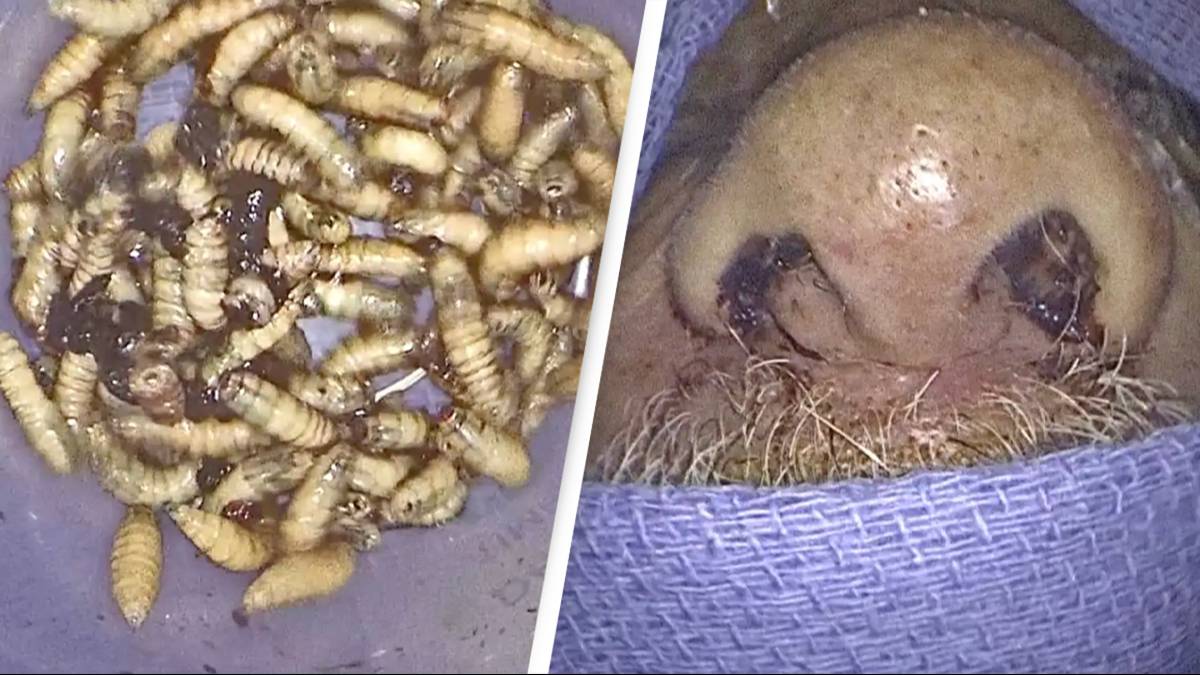
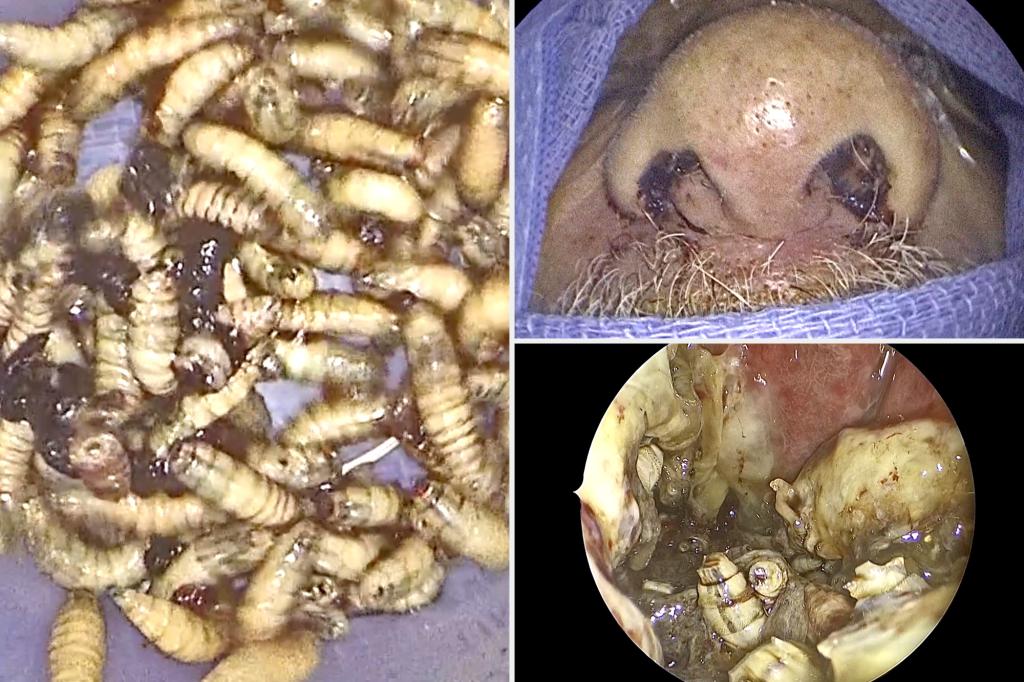
A man from Florida had over 150 live bugs removed from his nose after experiencing swelling, nosebleeds, and a feeling of being "off" for months. The bugs had created a toxic environment in his nose, likely due to his compromised immune system from past cancer treatment. He attributed the infestation to handling dead fish without proper hand hygiene. After a medical procedure to remove the bugs, he was given anti-parasitic treatment and is expected to make a full recovery.
Doctors in Jacksonville, Florida removed 150 live bugs in the larva stage from the nose and sinuses of a cancer survivor who had been experiencing nose bleeds and swelling. The man hypothesized that the parasites invaded after he handled dead fish. The rare condition, called nasal myiasis, is the infestation of fly larvae and is associated with risk factors such as open wounds, immunocompromised states, and poor hygiene. The patient, who had a cancerous tumor removed from his nose 30 years ago, is expected to make a full recovery after receiving a special antiparasitic rinse for his nose.
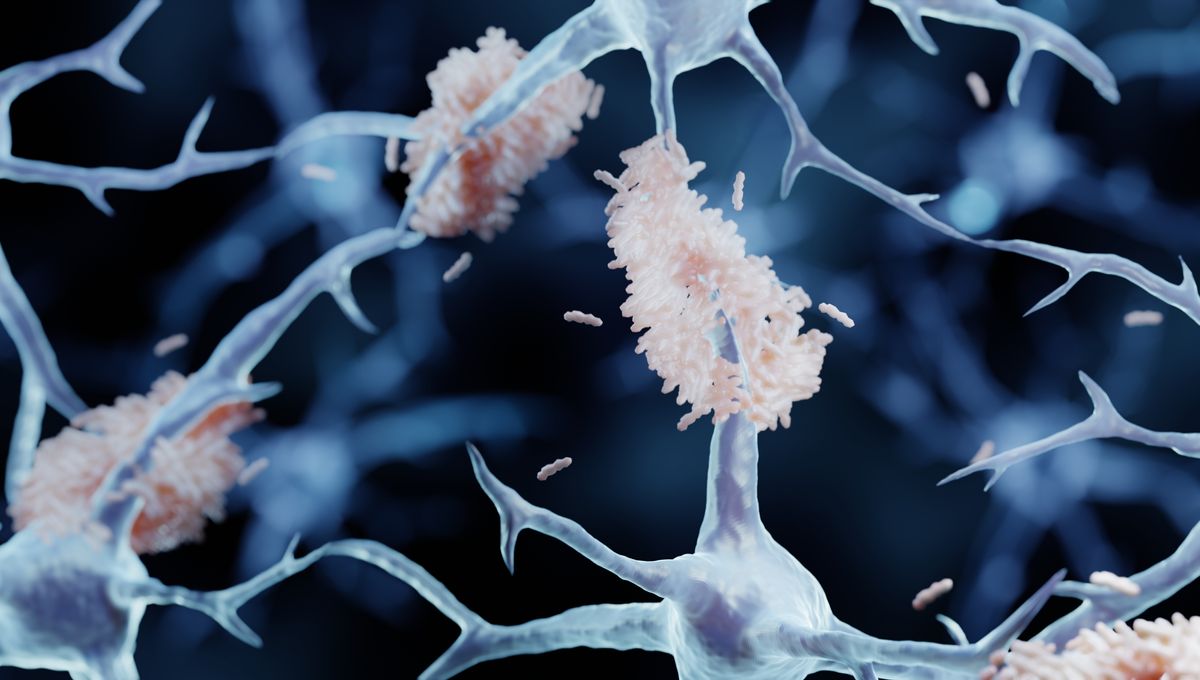
Scientists have documented cases of Alzheimer's disease being transmitted between humans through a banned medical procedure in which they were administered human growth hormone extracted from cadavers as children. The patients, now showing early signs of dementia, likely acquired the disease through this procedure, inadvertently transmitting a protein called amyloid beta. The study suggests that the beta-amyloids behind Alzheimer's can be transmitted in ways similar to prion diseases, raising questions about the nature of Alzheimer's and its elusive cause.
A new study reports that five people developed Alzheimer’s disease as a result of a banned medical procedure involving human growth hormone derived from cadavers, providing evidence that the disease can be transmitted in this way. The procedure, which was used between 1959 and 1985, has been linked to the transmission of disease-related proteins. While Alzheimer's is not contagious in everyday life, the findings suggest a potential similarity in progression to Creutzfeldt-Jakob disease and could provide insights for developing new therapies.
A study has found evidence that Alzheimer's disease may have been transmitted between humans through a now-banned medical procedure, raising concerns about the potential for other diseases to be spread in a similar manner. The procedure, involving the use of contaminated surgical instruments, was common in the mid-20th century and has since been linked to the transmission of other diseases such as HIV and hepatitis C. The findings highlight the need for strict protocols to prevent the transmission of diseases through medical procedures and the importance of ongoing research into the risks associated with such practices.