Tag

Medical Interventions

All articles tagged with #medical interventions

health-and-medicine2 years ago

Unveiling the Brain's Wave of Death: New Insights and Potential Reversal

A new study has identified the sequence of events that lead to the permanent cessation of neural activity in dying brains. The research sheds light on near-death experiences and could potentially lead to medical interventions to reverse brain death. When oxygen supplies run out, neurons rapidly deplete their cellular fuel and become destabilized, triggering a surge in brain activity associated with conscious experiences. This is followed by a wave of death, causing permanent functional and structural changes. However, the process can be reversed if the brain is reoxygenated before the wave of death completes its work. The study provides insights into protecting the brains of patients experiencing cardiorespiratory failure.


health2 years ago

The Life-Saving Divide: Understanding the Effectiveness of CPR

CPR can be a lifesaving procedure for some individuals, particularly those who are young, fit, and experience sudden cardiac arrest due to a shockable rhythm. However, for older individuals with chronic illnesses or those experiencing cardiac arrest in the context of an acute illness, the chances of a positive outcome decrease. Factors such as age, chronic illness, and the cause of cardiac arrest play a role in determining the effectiveness of CPR. While CPR can cause harm and additional injuries, the use of automated defibrillators in cases of shockable rhythms has shown higher survival rates. It is important for individuals to consider their preferences regarding medical interventions, including CPR, and discuss them with their families and healthcare providers.

health2 years ago

"Life-saving Techniques: How CPR and Defibrillation Benefit the Young and Healthy"

CPR can save lives, especially for young and healthy individuals experiencing sudden cardiac arrest caused by shockable rhythms. However, for older patients with chronic illnesses or those experiencing cardiac arrest in the context of acute illnesses, the benefits of CPR may be limited. Factors such as age, chronic illness, and the cause of cardiac arrest play a role in determining the likelihood of survival. While CPR can cause additional injuries and may not always be effective, the use of automated defibrillators in conjunction with CPR can significantly increase survival rates for patients with shockable rhythms. It is important for individuals to discuss their preferences regarding CPR and end-of-life medical interventions with their families and healthcare providers.

health2 years ago

The Life-Saving Divide: Understanding the Effectiveness of CPR

CPR can be a lifesaving procedure for some individuals, particularly those who are young, fit, and experience sudden cardiac arrest due to a shockable rhythm like ventricular fibrillation. However, for older individuals with chronic illnesses or those experiencing cardiac arrest in the context of an acute illness, the chances of survival and positive outcomes decrease. Factors such as age, chronic illness, and the cause of cardiac arrest play a role in determining the effectiveness of CPR. While CPR can cause harm and additional injuries, the use of automated defibrillators in conjunction with CPR can significantly improve survival rates for those with shockable rhythms. It is important for individuals to consider their preferences for medical interventions, including CPR, and have discussions with their families and healthcare providers to make informed decisions.

health2 years ago

Higher incidence of kidney stones found in Indo-Trinidadian population

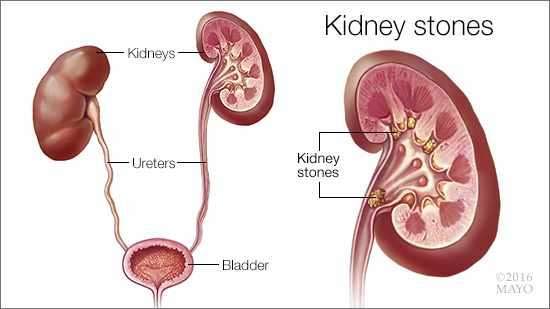
A study conducted in Trinidad found that individuals of East Indian descent, particularly Indo-Trinis, are more prone to developing kidney stones. The study also revealed that younger patients, especially females, and those with larger stones had poorer outcomes. Kidney stones negatively impact a patient's quality of life, causing physical pain, anxiety, and depression. However, medical interventions can significantly improve a patient's quality of life. The study emphasized the need for more education and targeted approaches to prevent kidney stones, as well as additional investment in technology for effective management and treatment.

healthcare2 years ago

Chris Whitty emphasizes prioritizing quality of life and 'old-fashioned' habits for longer, healthier lives

England's chief medical officer, Prof Chris Whitty, has called for a shift in medicine towards prioritizing quality of life in old age over prolonging it. He emphasized the need for doctors to have realistic conversations with patients about the trade-offs of treatments that may extend life but compromise quality of life and independence. Whitty also urged families to have open discussions with older relatives about health choices and suggested involving GPs to mediate these conversations. His annual report highlights the challenges faced by rural and coastal communities with rapidly ageing populations and calls for increased healthcare services and infrastructure in these areas. The report also addresses health inequalities and the need for greater inclusion of older adults in clinical trials and medical research. Whitty emphasized the importance of individual actions, such as exercise and healthy lifestyle choices, in extending healthy lifespan.

healthcare2 years ago

Controversial DEI Training Sparks Outrage as 3-Year-Olds Identify as Transgender

A hospital employee at Kaiser Permanente leaked a diversity, equity, and inclusion (DEI) training video that promoted the idea that 3-year-olds can identify as transgender. The video featured children explaining their transgender identities at a young age, but Kaiser Permanente clarified that they do not provide medical treatments to children in this age group. The training video has sparked controversy as medical professionals have been promoting fringe ideas about gender ideology, including claims that children can identify as "Tootsie Roll Pops" and "Gender Minotaurs." Critics argue that the medical literature does not support giving hormones and puberty blockers to minors as a standard practice.

health2 years ago

Overdiagnosis Concerns: Breast Cancer Screening in Women Over 70

A new study suggests that breast cancer screenings for women over the age of 70 may be unnecessary and even harmful for some individuals due to the risks of overdiagnosis. The research highlights the importance of individualized plans with doctors, as there is no one-size-fits-all solution for older women. Different medical organizations provide conflicting guidelines on when to stop screenings, and the lack of research on older women further complicates the issue. Factors such as other medical conditions, risk for breast cancer, insurance coverage, and physical capability should be considered when making screening decisions. Ultimately, doctors can help patients navigate these decisions and communicate the best course of action.

health2 years ago

"Detransitioned Boy's Castration Warning: The Lifelong Consequences of Gender Ideology"

A detransitioned individual, who underwent castration and hormone treatments as part of gender-affirming care, shares their story of regret and warns against the perils of gender ideology. The individual, who had struggled with internalized homophobia, believes that exposure to gender ideology led them to pursue transitioning as a way to escape their homosexuality. They now face ongoing medical issues, including stunted growth, chronic pain, and cognitive impairments. The individual emphasizes the negative impact of hormone treatments on their mental and physical well-being, and expresses concern about the rights of women being overshadowed by the rights of trans individuals. They hope to raise awareness about the complexities and potential harms associated with gender transition.

health2 years ago

African Killifish: The Key to Reversing Aging?

African Killifish muscles go through a "Benjamin Button" process and start aging backwards, returning to an "early-life" state, which gives them an opportunity to slow their aging down and live longer. Researchers suggest that drugs involved in forming certain lipids may help humans produce age-defying muscles. The study is the first to use killifish to study age-related muscle loss and highlights the important role lipid metabolism plays in age-reversing effects.

health2 years ago

Cranberry Juice Proven to Reduce Risk of UTIs in Studies

A new study has found that cranberries can reduce the risk of urinary tract infections (UTIs) for women, children, and people susceptible to UTIs after medical interventions. The researchers reviewed 50 previous trials covering a total of 8,857 participants and found that cranberries reduced the risk of developing a UTI by more than a quarter in women with recurrent cases of infection, over 50% in children, and just over a half for people likely to get UTIs following medical procedures. However, there are gaps in the data, and it may not be beneficial for everyone.

health2 years ago

Cranberries proven to reduce UTI risk in new review.

A new study has found that cranberries can reduce the risk of urinary tract infections (UTIs) by over 50% in certain people, including women with recurrent cases of infection, children, and those likely to get UTIs after medical procedures. The study reviewed 50 previous trials covering 8,857 participants and found that cranberry products in juice, tablet, or powder form reduced the number of UTIs. The compounds inside cranberries called proanthocyanidins (PACs) help stop Escherichia coli bacteria from attaching to the cells lining the bladder, giving the fruits their protective benefits.

health2 years ago

Iron and Alzheimer's: A Promising Connection for Medical Interventions

Researchers have developed a new imaging probe that has shown for the first time that in the same regions of the brain where the amyloid beta plaques associated with Alzheimer's occur, there is also an increase in iron redox, meaning the iron in these regions is more reactive in the presence of oxygen. The imaging probe could yield even more details about the causes of Alzheimer's and help in the search for new drugs to treat it.

health2 years ago

Inside the Anti-Aging Regimen of a Millionaire CEO.

Tech CEO Bryan Johnson spends millions of dollars a year on a strict anti-aging regimen that includes daily body fat scans, routine MRIs, and invasive blood and stool sample tests to determine the biological age of his organs. He consumes a precise 1,977 calories a day, over 70 pounds of vegetables a month, and takes a list of supplements. Johnson completes 35 different exercises and takes a list of supplements, all as part of his Blueprint Project to measure the health of his organs to determine his rate of aging. While experts find Johnson's commitment fascinating, they say it poses a concern given the level of discipline and money required to upkeep the routine—not to mention, the limited science available to back up his choices.