
Former NFL and Syracuse lineman Arthur Jones dies at 39
Former Syracuse and Baltimore Ravens lineman Art Jones died at home after his defibrillator activated, prompting emergency services to respond.

All articles tagged with #defibrillator
Former Syracuse and Baltimore Ravens lineman Art Jones died at home after his defibrillator activated, prompting emergency services to respond.

A man convicted of killing his girlfriend and her daughters was executed in Tennessee, during which he expressed pain and discomfort, raising concerns about the use of his implanted defibrillator. The legal battle over whether to deactivate the device before execution was a key issue, with authorities ultimately proceeding despite objections. Black's attorneys plan to review autopsy and device data to understand what occurred during the execution.

Tennessee executed Byron Black, a man with a defibrillator, despite legal and ethical concerns about his health and the potential for the device to cause him pain, marking a significant increase in US capital punishment activities amid ongoing debates over its morality and safety.

Tennessee executed Byron Black without deactivating his implanted defibrillator, raising concerns about potential pain and legal disputes, amidst ongoing debates over his intellectual disability status and the ethics of execution procedures.

Tennessee plans to execute Byron Black despite concerns that his implanted defibrillator could shock him during the process, with legal disputes over whether it should be deactivated. Black, suffering from multiple health issues, was convicted of a 1988 double murder, and his case involves complex legal and ethical debates about medical procedures and intellectual disability claims. The execution is set to proceed amid ongoing legal and ethical challenges.

Tennessee is preparing to execute Byron Black, who has a working implantable defibrillator, raising legal and ethical questions about the procedure, especially since Black has multiple health issues and claims the device could shock him during execution. The case involves legal battles over whether the device can be deactivated and whether Black is eligible for the death penalty due to claims of intellectual disability.
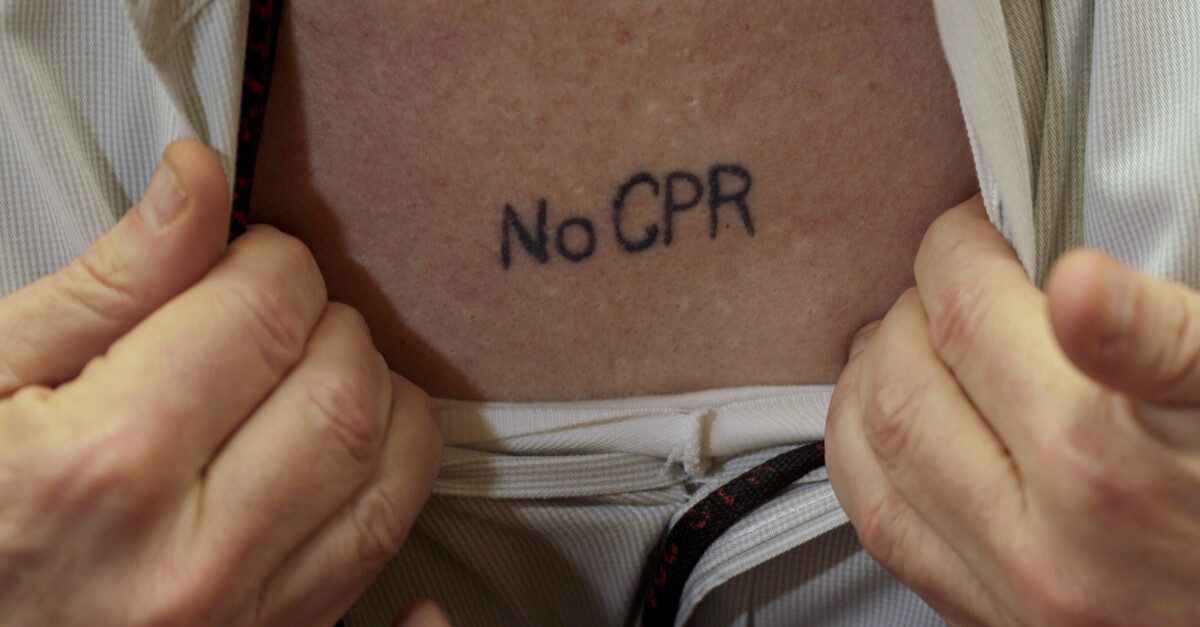
CPR can be a lifesaving procedure for some individuals, particularly those who are young, fit, and experience sudden cardiac arrest due to a shockable rhythm. However, for older individuals with chronic illnesses or those experiencing cardiac arrest in the context of an acute illness, the chances of a positive outcome decrease. Factors such as age, chronic illness, and the cause of cardiac arrest play a role in determining the effectiveness of CPR. While CPR can cause harm and additional injuries, the use of automated defibrillators in cases of shockable rhythms has shown higher survival rates. It is important for individuals to consider their preferences regarding medical interventions, including CPR, and discuss them with their families and healthcare providers.
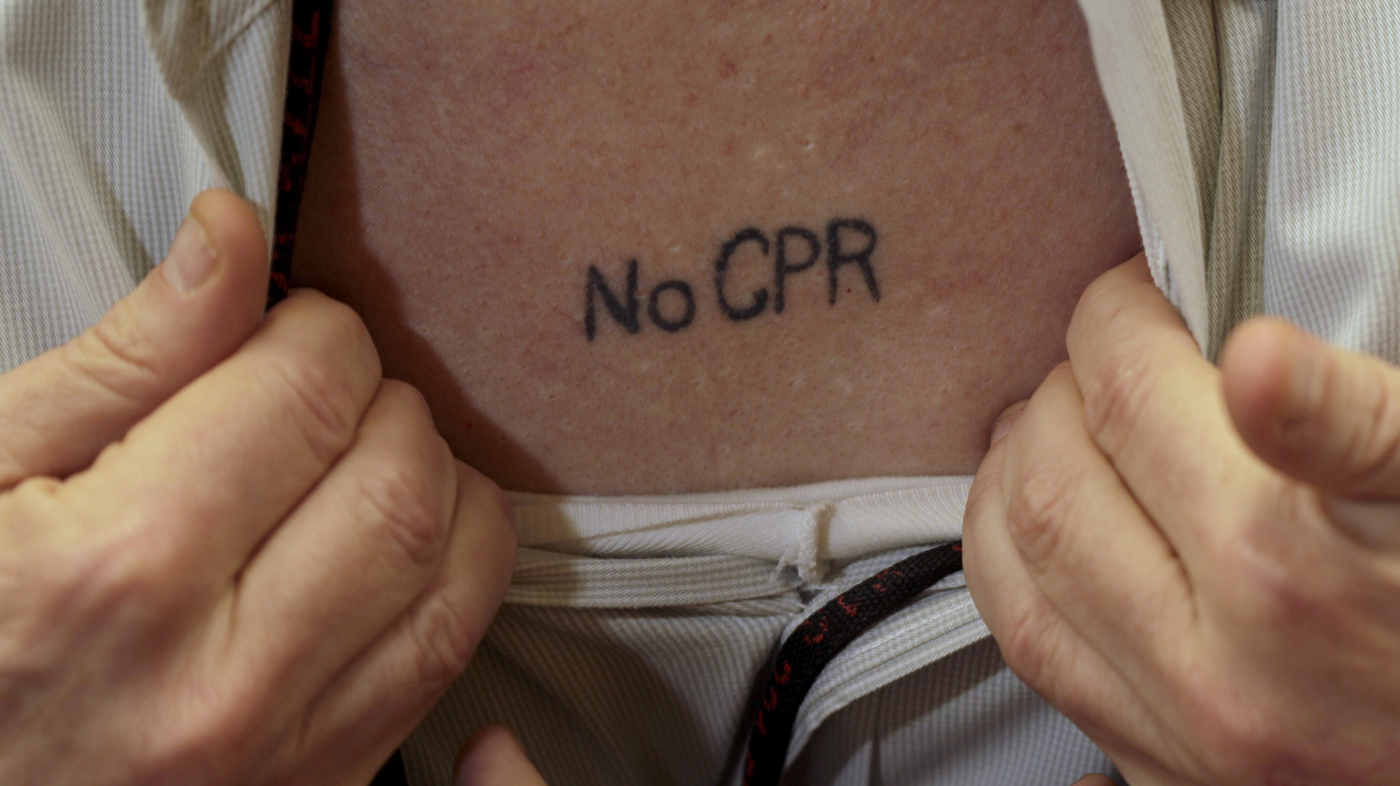
CPR can save lives, especially for young and healthy individuals experiencing sudden cardiac arrest caused by shockable rhythms. However, for older patients with chronic illnesses or those experiencing cardiac arrest in the context of acute illnesses, the benefits of CPR may be limited. Factors such as age, chronic illness, and the cause of cardiac arrest play a role in determining the likelihood of survival. While CPR can cause additional injuries and may not always be effective, the use of automated defibrillators in conjunction with CPR can significantly increase survival rates for patients with shockable rhythms. It is important for individuals to discuss their preferences regarding CPR and end-of-life medical interventions with their families and healthcare providers.
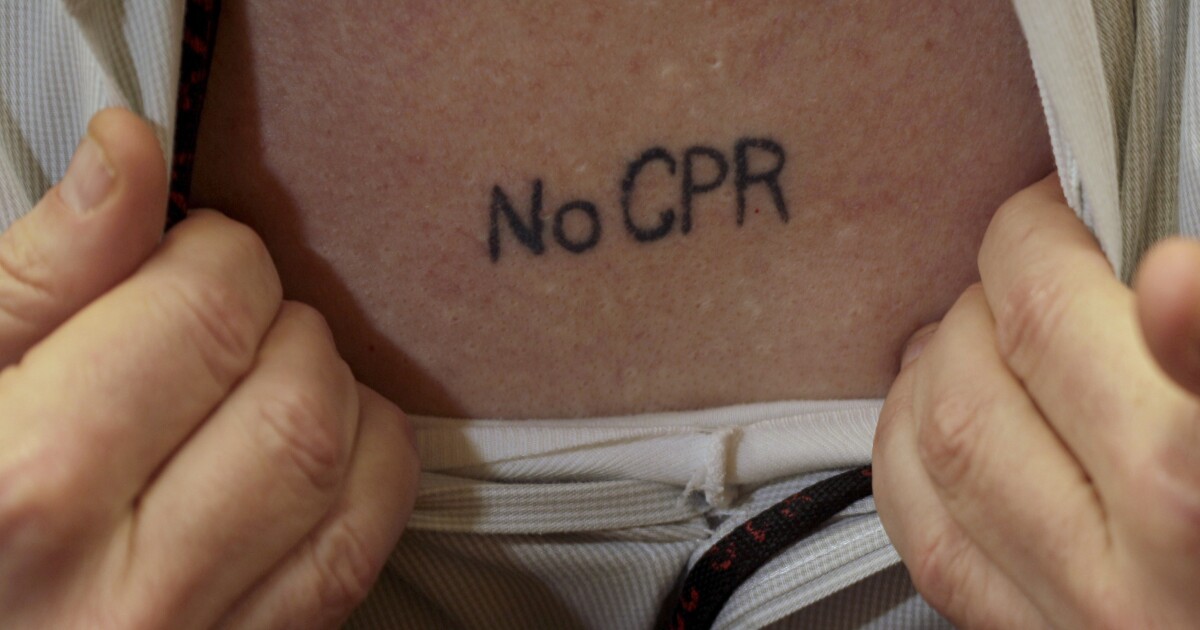
CPR can be a lifesaving procedure for some individuals, particularly those who are young, fit, and experience sudden cardiac arrest due to a shockable rhythm like ventricular fibrillation. However, for older individuals with chronic illnesses or those experiencing cardiac arrest in the context of an acute illness, the chances of survival and positive outcomes decrease. Factors such as age, chronic illness, and the cause of cardiac arrest play a role in determining the effectiveness of CPR. While CPR can cause harm and additional injuries, the use of automated defibrillators in conjunction with CPR can significantly improve survival rates for those with shockable rhythms. It is important for individuals to consider their preferences for medical interventions, including CPR, and have discussions with their families and healthcare providers to make informed decisions.

A man collapsed and died outside the de Young Museum in San Francisco after his friend was denied a life-saving defibrillator. Tim O'Brien, the friend, ran to the museum to borrow the device but was initially met with confusion from the staff. Despite offering his belongings as collateral, O'Brien was ultimately denied access to the defibrillator. Paramedics arrived too late to save the man's life. The incident has prompted the museum to review its emergency procedures, while O'Brien advocates for businesses to re-evaluate their policies regarding the use of defibrillators.

A woman from Wisconsin shared her near-death experience on TikTok after being declared technically 'dead' for three minutes due to heatstroke. She collapsed onto a sofa after feeling nauseous, dizzy, and having a dry mouth in the 32C heat. Her body felt like it was 'shrinking' until everything went 'black'. She was revived with a defibrillator at St Vincent's Hospital. Many viewers claimed they had gone through similar experiences due to overheating.
Researchers at the Rambam Healthcare Campus and the Technion-Israel Institute of Technology in Haifa have developed a biological defibrillator to treat heart rhythm disorders using genetic engineering. The patient can activate the receptor through a tiny dose of medicine that will act only on a specific area of the heart and only in the real-time case of a heart rhythm disturbance. Hundreds of thousands of Israelis suffer from heart rhythm disorders, most of them as a result of a disruption in electrical activity.