The article exposes how private clinics like XCancer profit significantly from cancer drug trials, often at the expense of patient transparency and scientific integrity, raising concerns about ethical practices and the true benefit to patients.
New research and treatments offer hope for Alzheimer's prevention and management, emphasizing early intervention, lifestyle modifications, and living well with the disease, despite past setbacks and ongoing challenges in drug development.
Scientists have discovered that a drug targeting the protein interleukin-11 can extend the lifespan of laboratory mice by up to 25%, making them healthier and less prone to cancer. The drug, which is already being tested in humans for lung fibrosis, shows promise for slowing human ageing, though its effectiveness and safety in people remain uncertain.
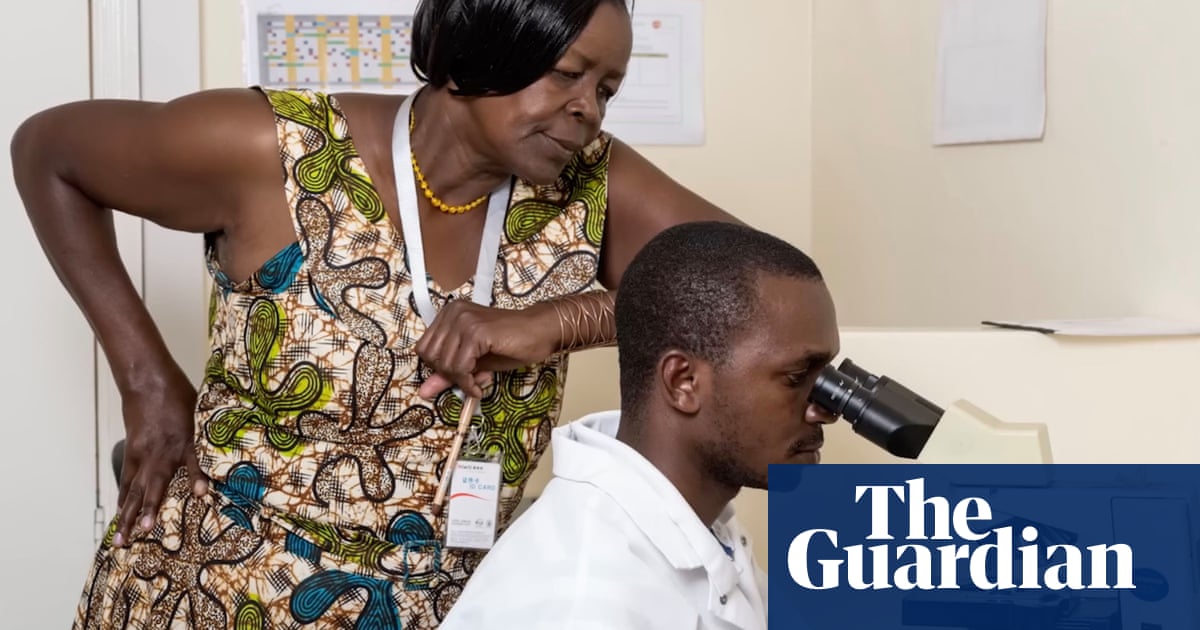
A new drug being trialled by Novartis in Africa shows promise in treating malaria in newborns, a population that has been largely neglected in clinical trials. Currently, there is no malaria treatment available for babies weighing under 5kg (11lbs). The assumption that maternal immunity protects infants has led to underdiagnosis and delayed treatment, putting newborns at risk of complications and death. The Novartis drug, undergoing stage 3 trials in several African countries, aims to address this gap and provide a potential solution for treating malaria in newborns. Results are expected in early 2024.
Two major drug trials testing the effectiveness of gantenerumab, a drug designed to clear amyloid beta proteins in the brain, have failed to show significant improvements in cognitive function for people with early Alzheimer's disease. While the drug successfully reduced amyloid plaque burden, it did not translate into slower clinical decline. These results come at a critical juncture for the amyloid hypothesis, which has been the dominant theory for Alzheimer's disease. Controversial drug approvals based on thin evidence and mixed results from other anti-amyloid drugs have raised doubts about the effectiveness of targeting amyloid beta proteins. The search for effective treatments for Alzheimer's disease continues.
Recent developments in Alzheimer's research, including the successful clinical trials of drugs like lecanemab and donanemab, have been hailed as a "game changer" in the field. These drugs, while not cures, have shown promise in slowing the progression of the disease and reducing cognitive decline in early-stage patients. Additionally, the development of diagnostic blood tests that can identify Alzheimer's-associated proteins may allow for early detection and treatment before major damage occurs. While there are concerns about the influence of Big Pharma and the challenges of implementing widespread prevention strategies, these advancements offer hope for managing Alzheimer's as a chronic condition rather than a terminal disease.
The recent hype surrounding new Alzheimer's drugs that target amyloid, a protein thought to cause the disease, may be unwarranted. While these drugs have shown some ability to slow cognitive decline, the benefits are minimal and may not be noticeable to doctors or patients. Additionally, the drugs come with significant side effects, including brain bleeding and swelling, and are prohibitively expensive. The trials for these drugs were highly selective, excluding patients with other brain pathologies or medical problems, raising concerns about their effectiveness in real-world clinical settings. Furthermore, the drugs were tested on patients in the earliest stages of the disease, and even with amyloid clearance, patients still declined rapidly. Given these shortcomings, it may be time to explore alternative treatment options for dementia beyond the anti-amyloid drug pathway.
The US National Institute on Aging (NIA) plans to fund a $300m initiative to build an Alzheimer's research database that will track the health of Americans for decades and draw data from medical records, insurance claims, pharmacies, mobile devices, sensors and various government agencies. The database could help identify healthy Americans who are at risk for Alzheimer's for future drug trials, including efforts to address the chronic underrepresentation of minorities in such trials.