The article narrates the story of Betsy Lewis, a woman with advanced lung cancer who chooses to stop treatment to maintain her quality of life, illustrating the importance of patient autonomy and the complex decisions surrounding end-of-life care in cancer treatment.
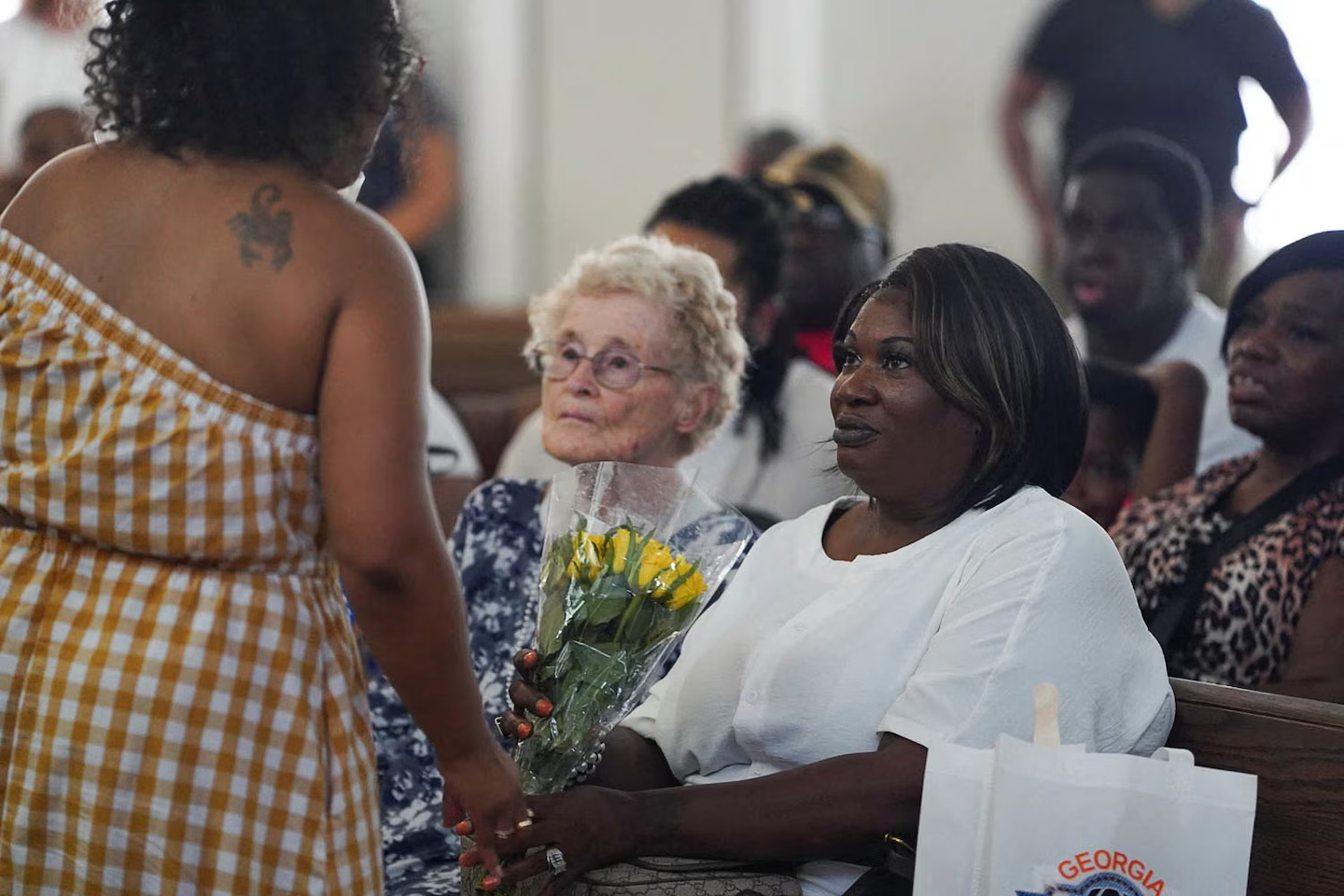
A brain-dead woman in Georgia was kept on life support for months to deliver her baby, a boy named Chance, weighing 1 pound 13 ounces, raising ongoing debates about medical consent and end-of-life choices for pregnant women.
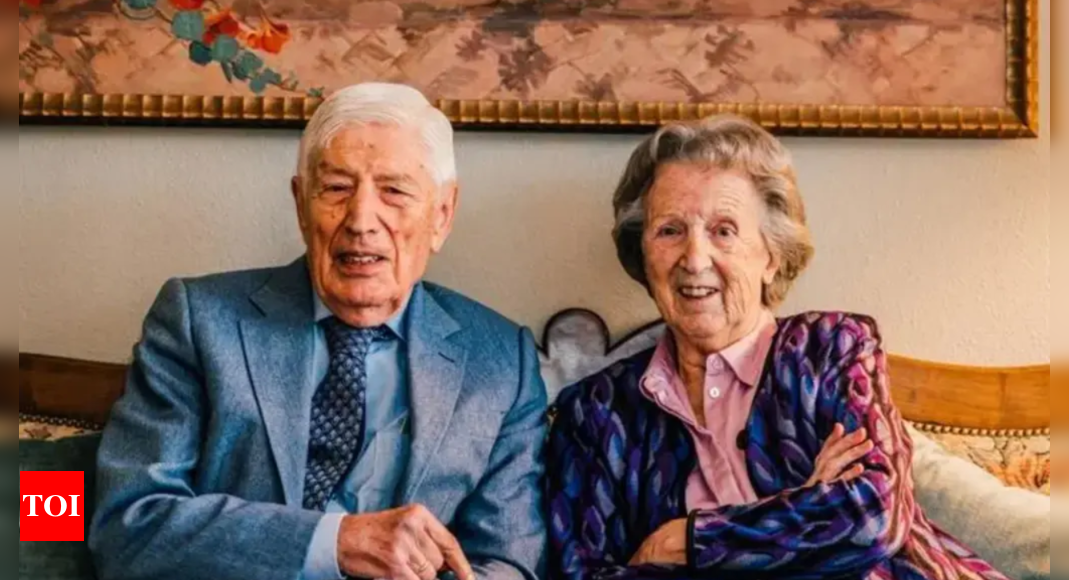
Former Dutch Prime Minister Dries van Agt and his wife Eugenie van Agt-Krekelberg, both 93, died in unison through legal duo-euthanasia, choosing to leave life hand in hand after decades together. The couple, suffering from poor health, passed away in their hometown of Nijmegen, with van Agt having suffered a brain haemorrhage in 2019. Euthanasia is legal in the Netherlands, where individuals can choose death with a doctor's sign-off for "unbearable suffering with no prospect of improvement." While some countries uphold strict laws against euthanasia due to ethical, moral, and religious considerations, others, like the Netherlands and India, have legalized certain forms of it.
The recent death of former first lady Rosalynn Carter and the survival of her husband, former president Jimmy Carter, have brought attention to the difficult decision of when to choose hospice care. Rosalynn Carter entered hospice only two days before her death, while Jimmy Carter made the same decision in February and has outlived the initial prognosis. Late-stage symptoms, such as infections or the loss of certain abilities, often prompt the switch to hospice care. However, many people enroll in hospice during the final week of their lives, while others use its services for much longer. There is still confusion surrounding end-of-life care options, and myths and fears about hospice persist. The Carters' experience serves as a lesson in navigating these decisions and educating others about mental health and living and dying well.