The US government has released a list of the 25 most unusual objects retrieved from people's rectums in 2025, highlighting that thousands of hospital visits each year involve foreign objects, ranging from everyday items like screws and marbles to household objects like a lightbulb and a toothbrush holder, mostly involving middle-aged men and often related to sexual activity or accidental insertion.
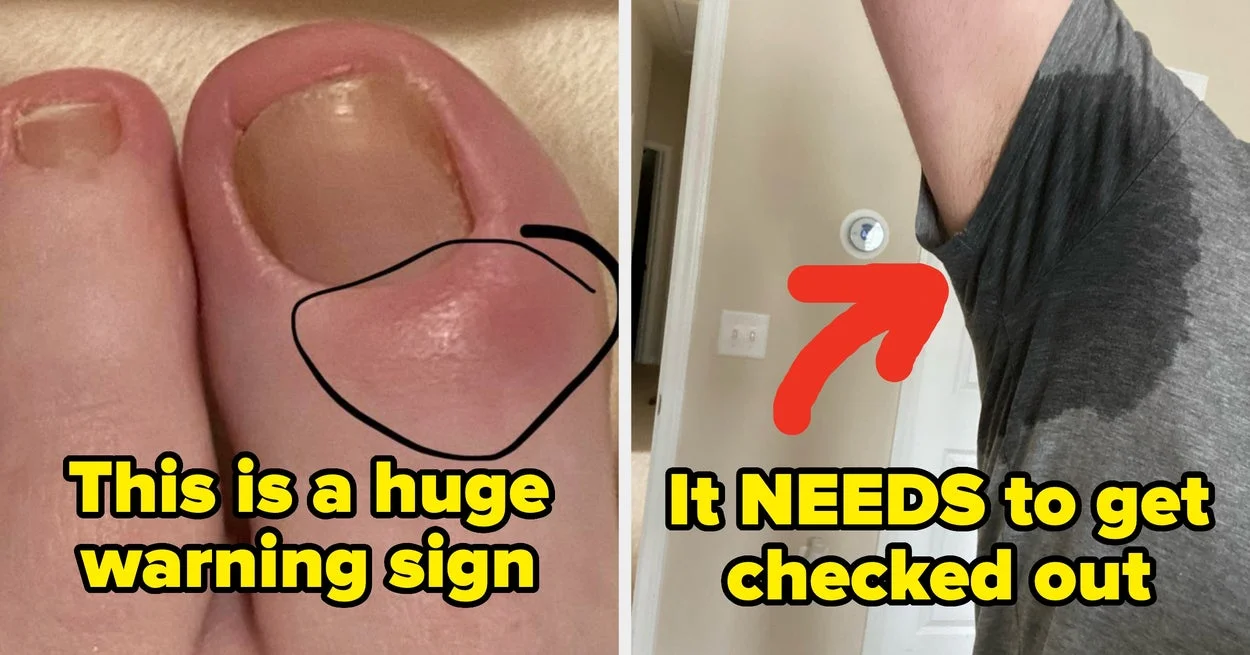
The article highlights 17 critical health warning signs that should never be ignored, such as sudden vision loss, severe itching during pregnancy, chest pain, diabetic foot ulcers, and unintentional weight loss, emphasizing the importance of timely medical attention to prevent serious health consequences.
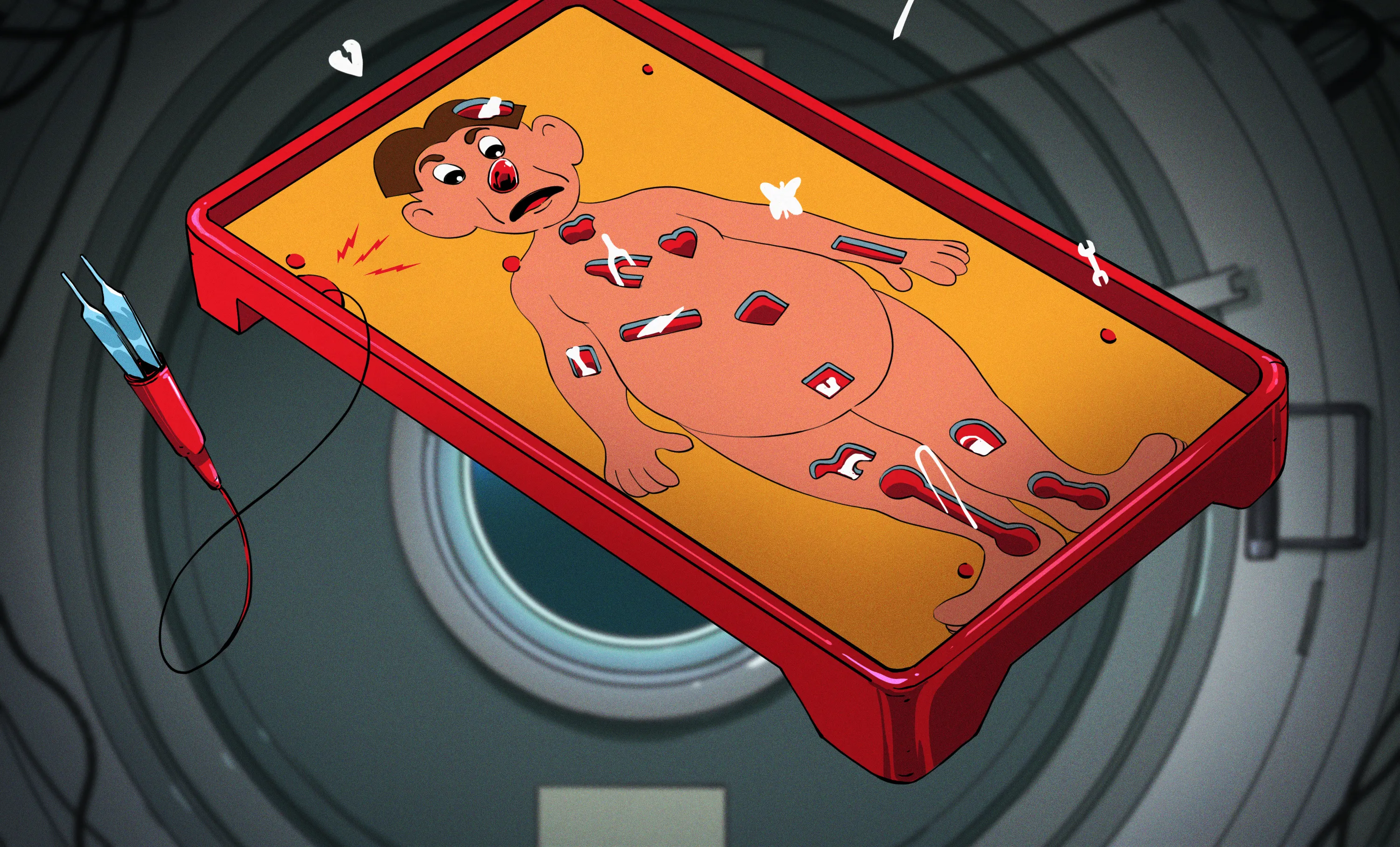
The article discusses the challenges and potential of performing surgery in space, highlighting current limitations, risks, and recent experimental studies that suggest space surgery could become feasible in the future as humanity explores deeper space missions.
During the first six days of Burning Man, 31 people have been transported to hospitals via air and ground ambulance, including three resuscitations and a baby born at the event. The medical services, provided by Royal Ambulance, have emphasized compassionate billing practices, with no patients billed last year for ground transports.
The article highlights various bodily signs that should never be ignored, such as sudden dizziness, unusual smells, pain during urination, lumps, persistent headaches, unexplained fatigue, blood in stool, chest pain, and changes in nails or mental health, emphasizing the importance of listening to your body and seeking medical attention promptly to prevent serious health issues.
Experts recommend packing a well-stocked travel first-aid kit and consulting with your doctor before trips to handle potential health issues and avoid costly emergencies abroad.
The Texas Supreme Court unanimously rejected a challenge from 20 women and two doctors seeking clarity on the state's near-total abortion ban's medical emergency exception. The court ruled that Texas law allows life-saving abortions if a physician uses reasonable medical judgment, but does not permit abortions for fetuses with life-limiting conditions unless the mother's life is at risk. Plaintiffs shared harrowing stories of being denied abortions despite risky pregnancies, with some having to travel out of state for the procedure. The ruling has significant implications for emergency medical care and may influence future US Supreme Court decisions on similar cases.
Boston Calling music festival faced criticism for crowding and heat-related issues, with nearly 800 medical encounters and almost two dozen hospitalizations over three days. Attendees reported unsafe conditions, prompting organizers to commit to improving future events.
Dr. Raynaldo Ortiz has been found guilty of injecting dangerous drugs into IV bags at a Dallas surgical center, leading to cardiac emergencies in 11 patients and the death of Dr. Melanie Kaspar. The jury reached the guilty verdict after about seven hours of deliberations. Prosecutors established a potential motive for the tampering, citing financial troubles and previous disciplinary actions against Ortiz. Ortiz faces up to life in prison and will be sentenced in two to three months.
The Texas Medical Board has proposed guidance for exceptions to the state's abortion bans, addressing how physicians can provide care in medical emergencies. The guidance, which is open for public comments, emphasizes the need for physicians to use their reasonable medical judgment and document their decision-making in cases of medical emergencies. However, critics, including women suing Texas over its abortion bans, express concerns that the guidance does not cover cases of fatal fetal anomalies and could potentially add burdens on physicians. Anti-abortion protesters and abortion rights activists have also voiced their opinions on the proposed rules.
A five-year-old Venezuelan migrant boy died from sepsis after contracting multiple infections, including COVID-19 and Group A Strep, inside a Chicago migrant center. The center, which serves around 2,300 people, has faced scrutiny for a growing list of medical emergencies, despite city officials maintaining that residents receive medical screenings and have access to healthcare. Illinois has allocated over $478 million in taxpayer money to address the migrant crisis, with more than 36,000 migrants passing through Chicago in the last 18 months and 13,000 currently in shelters within the city limits.
Seizures can be caused by epilepsy or other factors, and recognizing and responding to them is crucial. Seizures can vary in appearance, from subtle internal sensations to full-body convulsions with loss of consciousness. If you witness a seizure, keep the person safe, turn them on their side, and do not put anything in their mouth. Call 911 if the seizure lasts more than five minutes, if they have difficulty breathing, or if it's their first seizure. People with epilepsy may have emergency medications, and bystanders should be aware of other medical issues that could cause unresponsiveness.
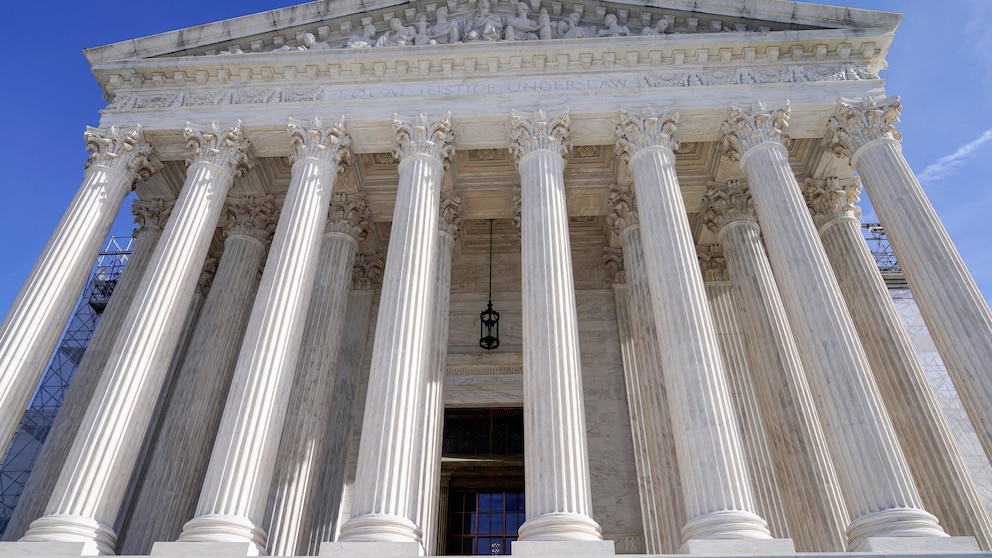
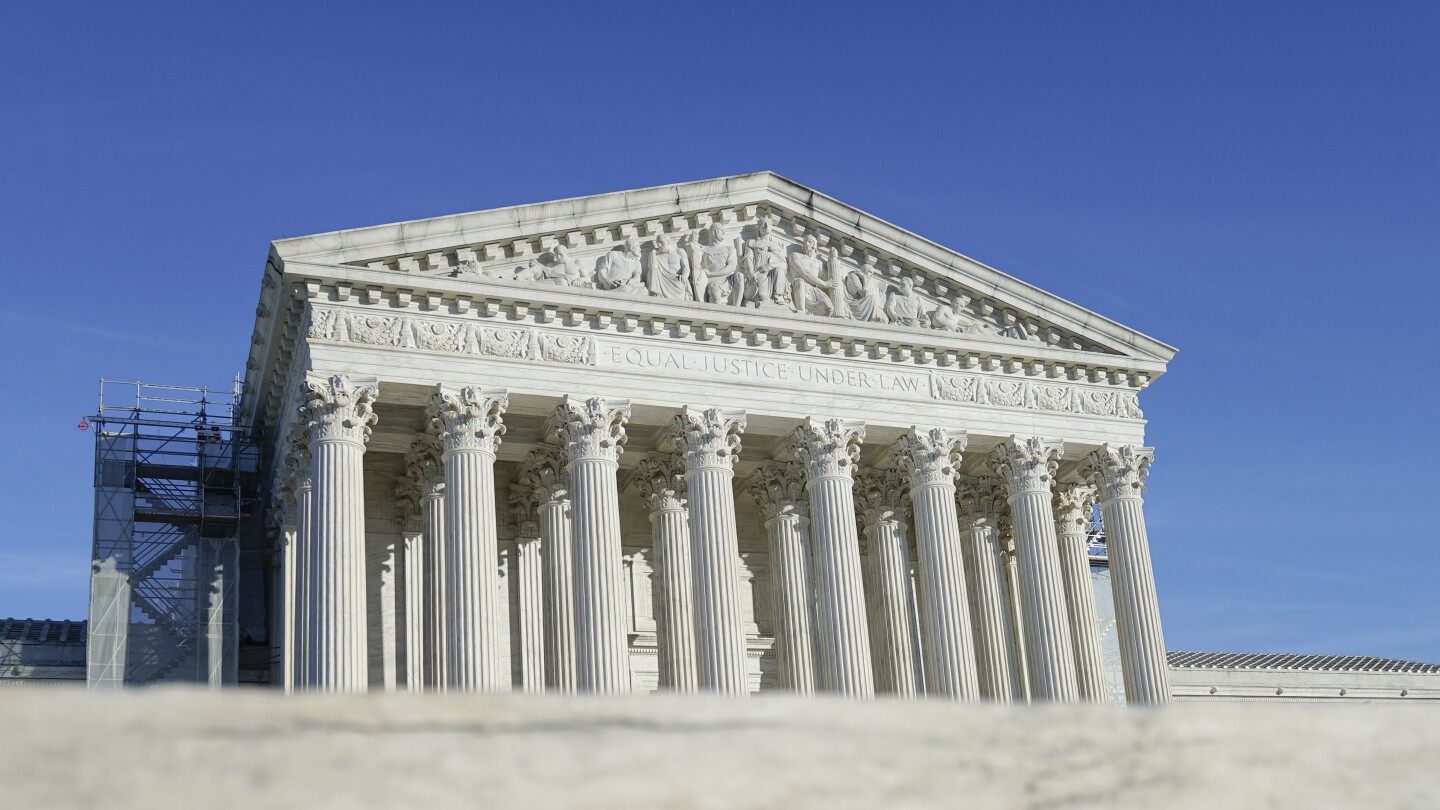
The U.S. Supreme Court has permitted Idaho to enforce its stringent abortion ban, even in cases of medical emergencies, while legal proceedings continue. The Court will hear arguments in April and has temporarily set aside a lower court's decision that had prevented the enforcement of Idaho's law in hospital emergencies. This decision is part of a broader legal battle over abortion rights following the overturning of Roe v. Wade, with the Biden administration arguing that federal law requires hospitals to provide emergency care, including abortions, under certain conditions. Idaho, however, contends that the federal law does not specifically mention abortion. The outcome of this case could have significant implications for the intersection of federal emergency care requirements and state abortion laws.
The U.S. Supreme Court has permitted Idaho to enforce its stringent abortion ban, even in cases of medical emergencies, pending ongoing legal disputes. The Court will hear arguments in April and has temporarily suspended a lower court's decision that had prevented the enforcement of Idaho's law during hospital emergencies. This decision aligns with the broader legal battles following the overturning of Roe v. Wade, with the Biden administration arguing that federal law mandates hospitals to provide emergency care, including abortions, under the Emergency Medical Treatment and Labor Act (EMTALA). Idaho, however, contends that EMTALA does not specifically mention abortion and accuses the administration of imposing a federal abortion mandate.