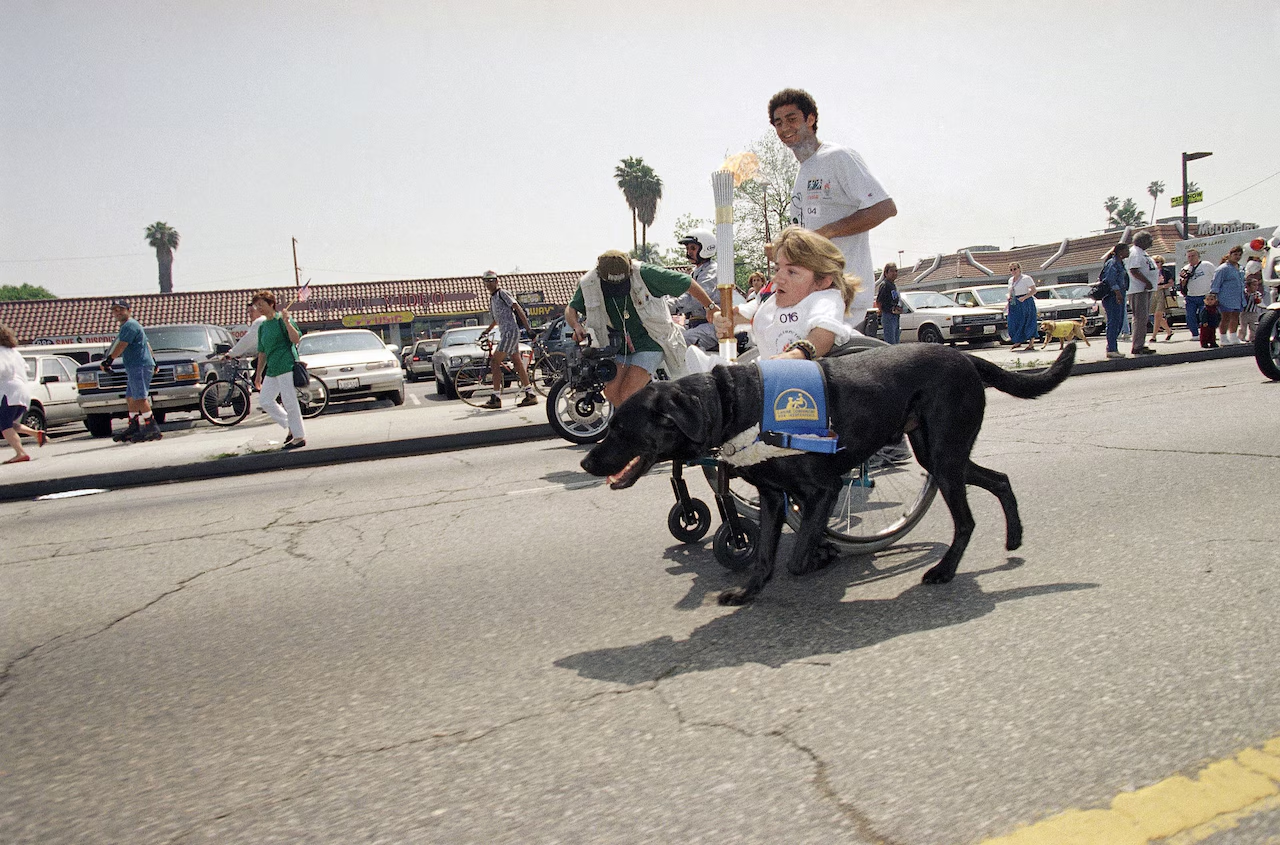
Melanie Watson, an actress known for her role on 'Diff’rent Strokes' and a disability advocate who used her platform to raise awareness for people with disabilities, has died at age 57 in Colorado Springs. She was born with brittle bone disease and used her work to promote inclusion and support for the disabled community.
Melanie Watson, known for her role on 'Diff’rent Strokes' and an advocate for people with disabilities, has died at age 57 in Colorado Springs following hospitalization for bleeding. She was born with brittle bone disease and later co-founded nonprofits supporting service animals and independence for disabled individuals.
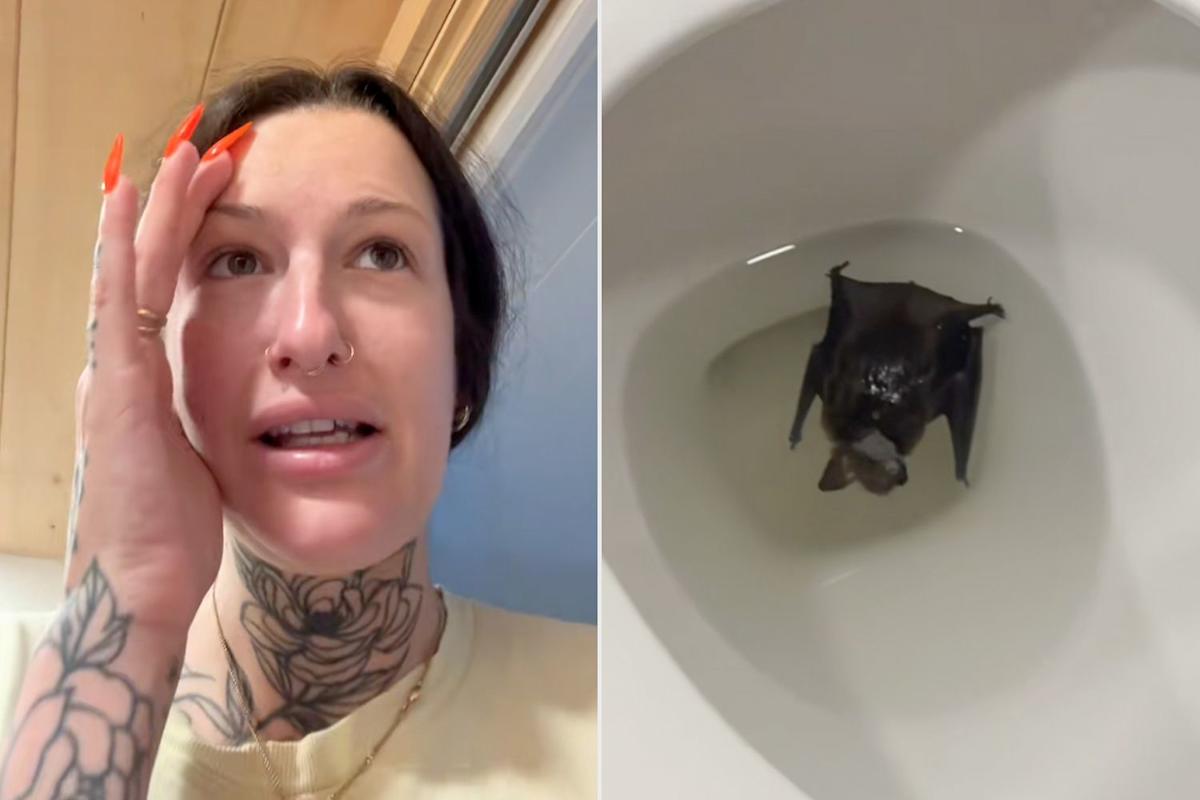
Alison Doyle's routine bathroom visit turned into a medical emergency after she found a dead bat in her toilet, leading her to seek rabies shots and receive supportive, accommodating healthcare, highlighting the importance of self-advocacy and disability awareness.
Former President Donald Trump mocked President Biden's stutter at a campaign rally, drawing outrage from disability advocates and critics who denounced the behavior as demeaning bullying. Trump's mockery of Biden's stutter was seen as a violation of social norms and a form of dehumanization, with advocates expressing concern about the impact on people who stutter. Biden has spoken openly about overcoming his childhood stutter, while Trump has a history of mocking people with disabilities. Biden's camp slammed Trump for lacking decency, while advocates called for greater education about stuttering.
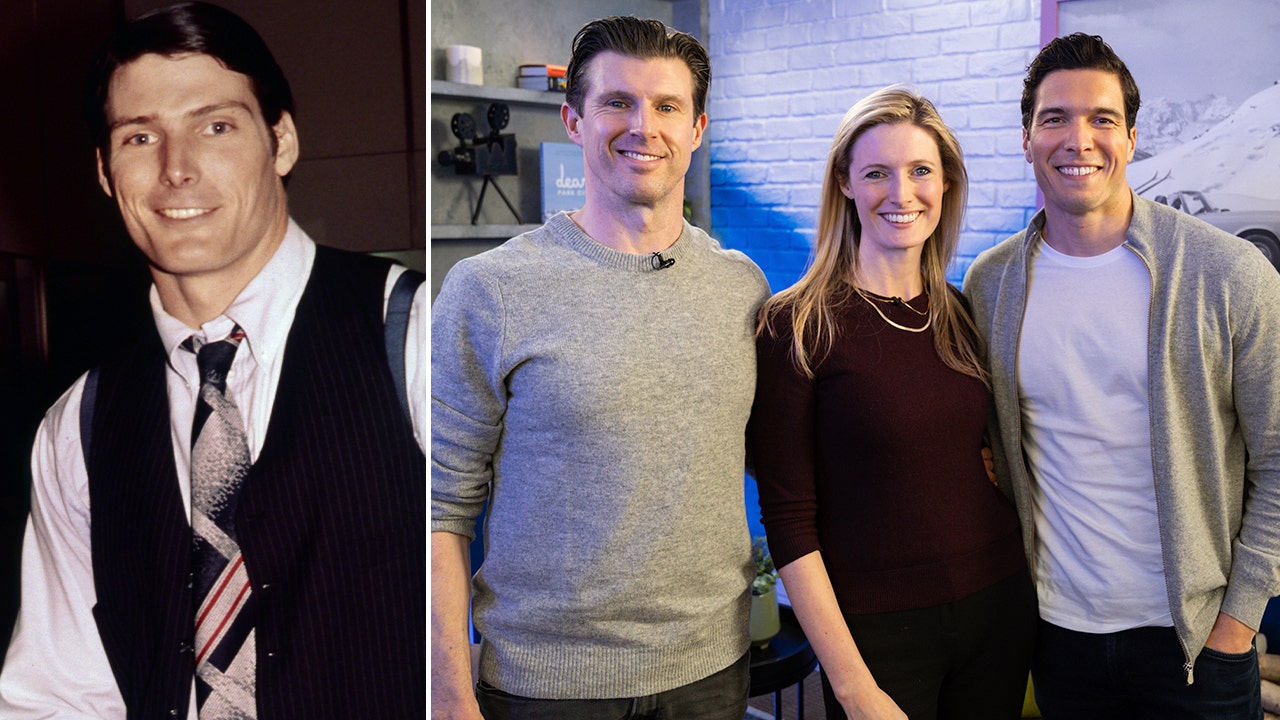
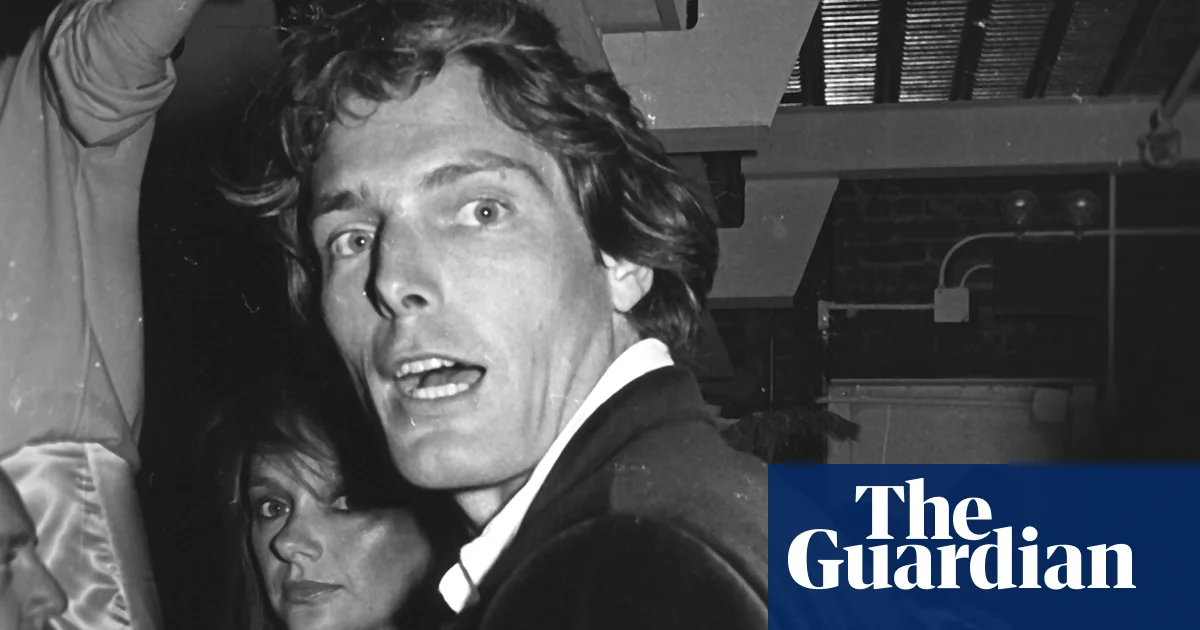
A new documentary titled "Super/Man: The Christopher Reeve Story" sheds light on the life of "Superman" star Christopher Reeve before and after his paralyzing accident, revealing how his relationship with his children changed for the better following the tragedy. The film also delves into Reeve's complex feelings about his iconic role, his journey into disability advocacy, and the impact of his friendship with Robin Williams. Reeve's children are heavily involved in the documentary and are looking forward to sharing more of their father with the world.
The documentary "Super/Man: The Christopher Reeve Story" premiered at Sundance, chronicling the life and activism of the Superman actor before and after the 1995 accident that left him paralyzed. The film features intimate footage and interviews with Reeve's family and colleagues, highlighting his struggles, advocacy, and legacy. It portrays his journey from a successful actor to a disability advocate, detailing his personal life, relationships, and friendships, including his close bond with Robin Williams. The documentary ends with a message of hope, celebrating the foundation created in Reeve's and his wife's names, carried on by their children.
A high-risk individual with a neuromuscular disability and respiratory failure expresses fear and frustration over the rising COVID-19 cases, lack of protection for vulnerable populations, and the dismissive attitudes of public officials and policymakers. The author emphasizes the ongoing threat of the pandemic for high-risk individuals and advocates for continued mask-wearing, vaccination, and collective action to protect vulnerable communities, while calling for greater representation of disabled people in public service and health professions.
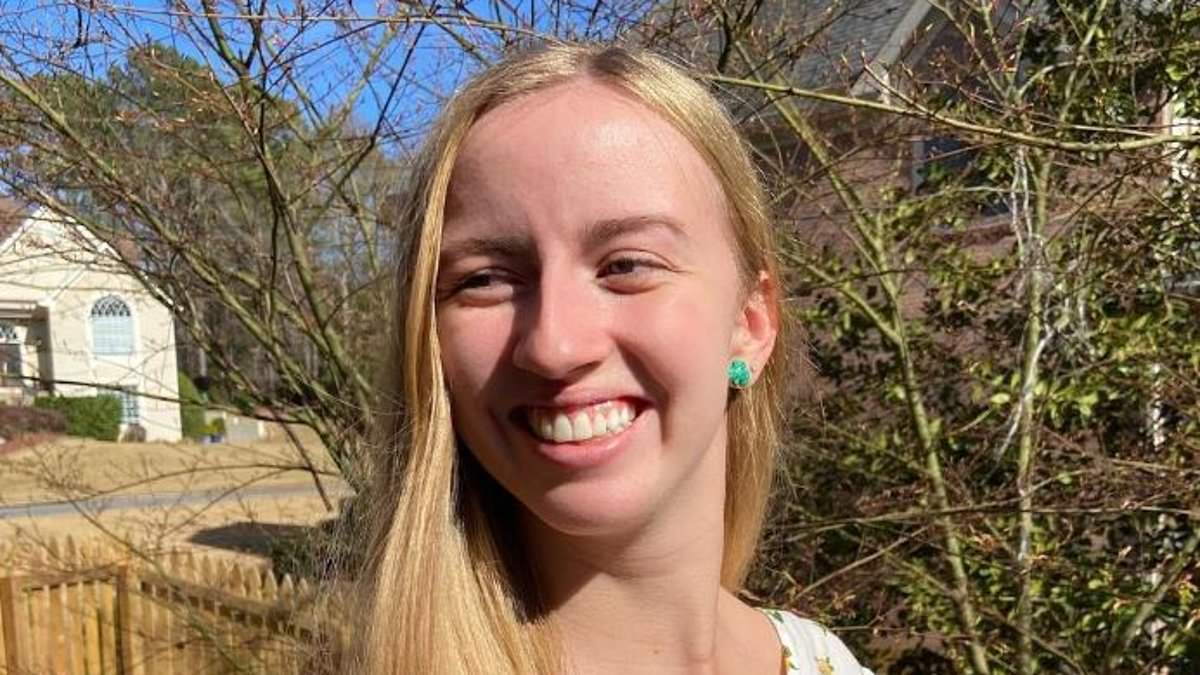
Sarah Todd Hammer, a college student from North Carolina, became partially paralyzed from the neck down after suffering a migraine as a child. She was diagnosed with acute flaccid myelitis (AFM), a rare condition that causes inflammation around the spinal cord. Despite her challenges, Hammer is now involved in disability advocacy and spreads awareness about accessibility on her TikTok account, which has gained a following of 83,000. She emphasizes that her disability has led to positive experiences and wants to inspire others to embrace their own disabilities.
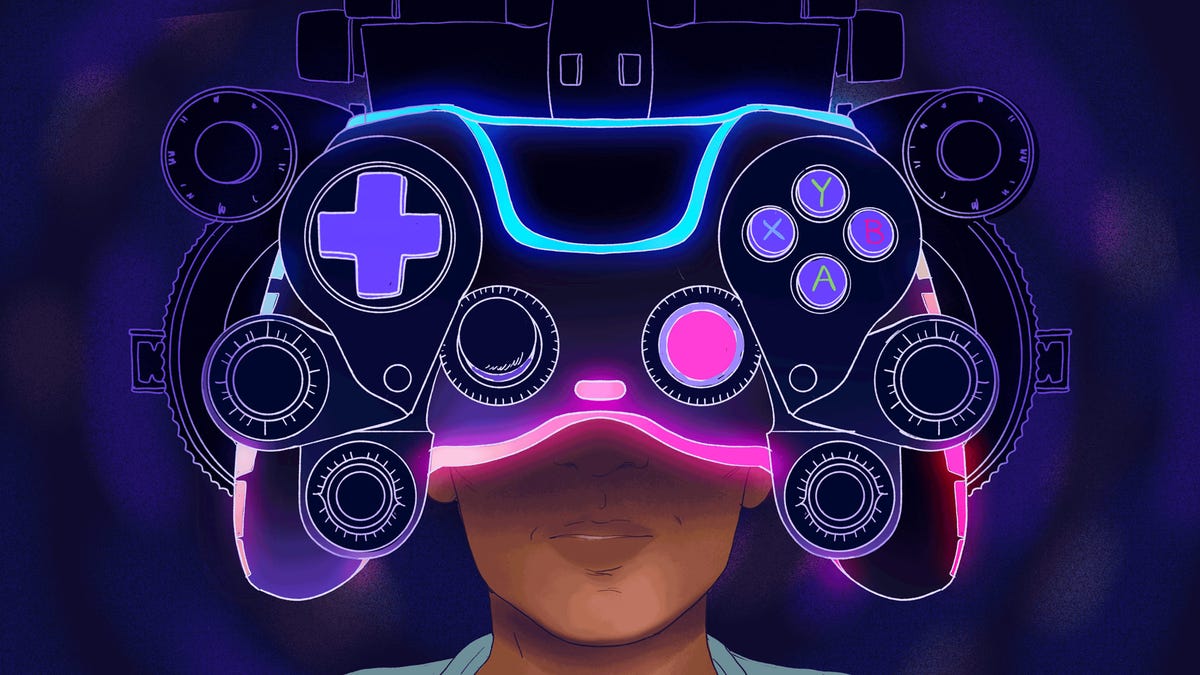
The lack of universal accessibility guidelines in video games poses challenges for players with disabilities, such as the author who has keratoconus, a degenerative eye disease. Despite advancements in accessibility features in some games, there is still a patchwork approach to accessibility, with many developers not prioritizing it. Disability advocates and organizations have made progress in raising awareness and pushing for change, but more consistent consideration and inclusion of disabled players is needed to make gaming truly accessible for all.
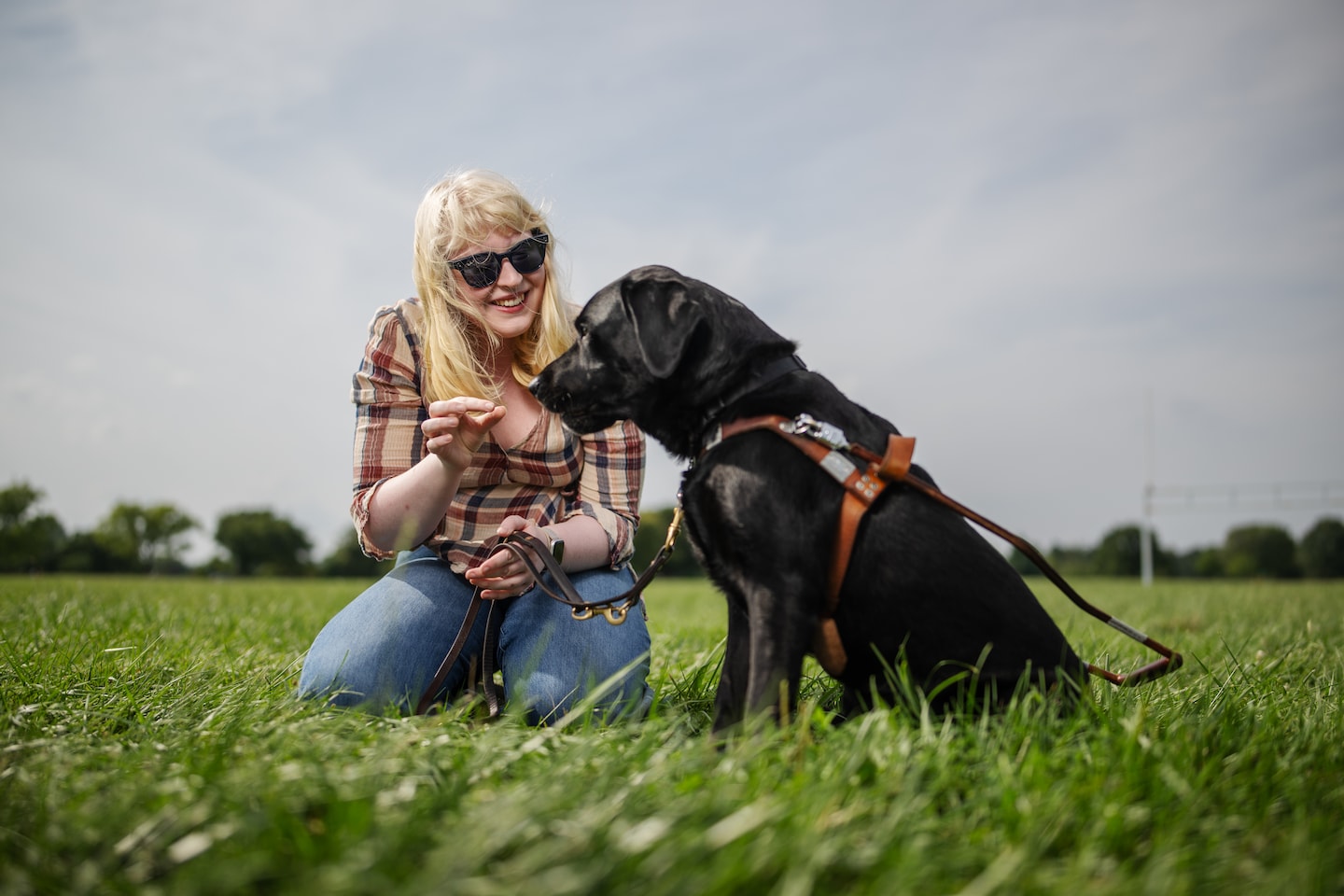
New Department of Transportation rules aimed at cracking down on passengers passing off untrained pets as service or emotional support animals have made flying more difficult and inaccessible for blind passengers. The regulations require passengers with service dogs to complete forms about their dog's training at least 48 hours before their flight. However, blind travelers have encountered difficulties with the forms, which are not compatible with screen reader technology. The forms have also been rejected for simple paperwork mistakes, leading to denied boarding and increased anxiety for blind passengers. Disability advocates are calling for changes to the forms, while airlines argue that the rules are necessary for safety reasons.