Searchers have discovered the wreck of the F.J. King, a schooner that sank in Lake Michigan during a storm nearly 140 years ago, off the Wisconsin coast, after decades of searching, revealing an intact hull and shedding light on maritime history.
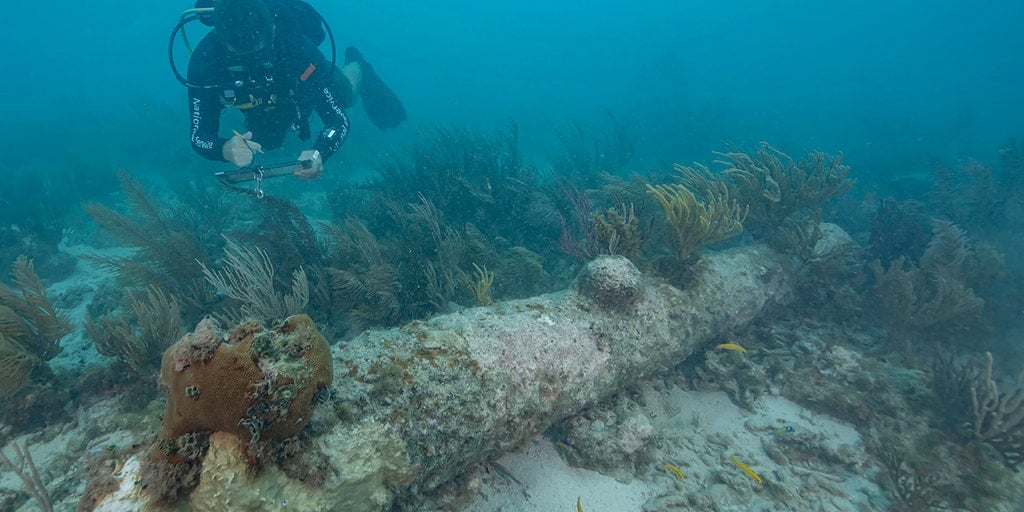
Archaeologists have definitively identified the remains of an 18th-century British warship, HMS Tyger, in the waters of Dry Tortugas National Park, providing additional protection under the Sunken Military Craft Act of 2004. The vessel, which ran aground in 1742, has been positively identified through new research and historical references, with the discovery of five cannons further supporting the findings. The crew's perseverance and survival story after the wreck, including building fortifications and constructing vessels from the wreckage, adds to the historical significance of the site, now under the sovereign ownership of the British Government.
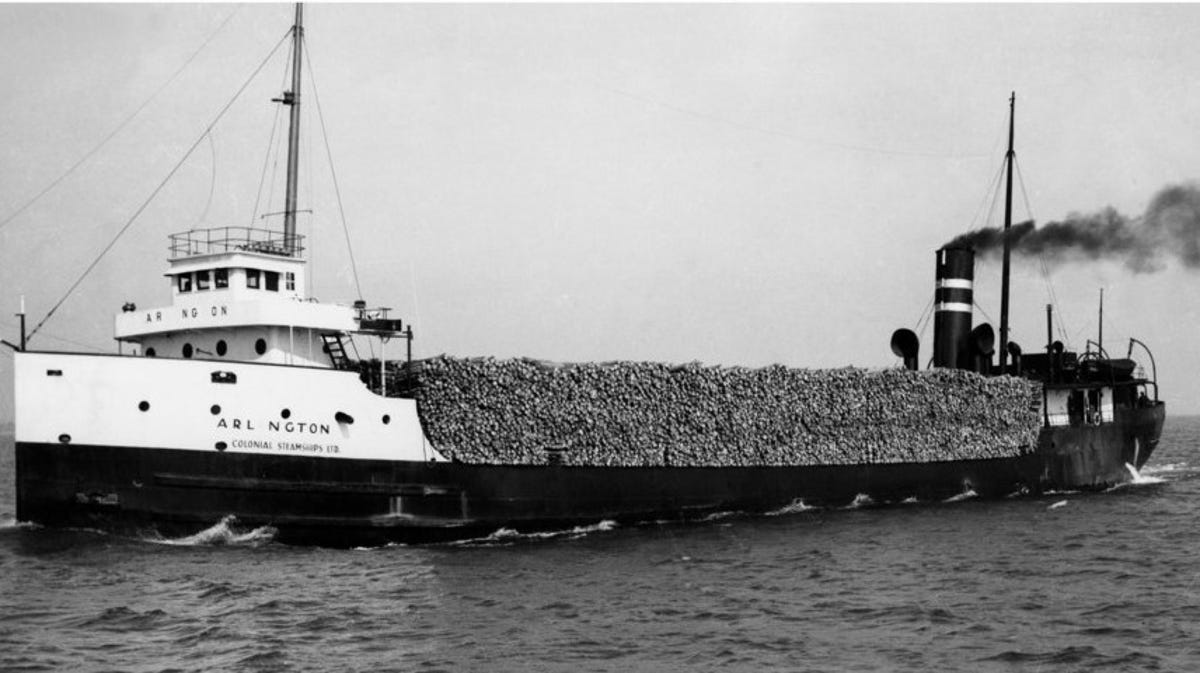
The wreckage of the 244-foot merchant ship Arlington, which sank in 1940, has been discovered in Lake Superior by the Great Lakes Shipwreck Historical Society and researcher Dan Fountain. The ship, loaded with wheat, sank in a storm, with the crew abandoning ship and the captain going down with it. This discovery adds to recent shipwreck findings in the Great Lakes, including a possible wreck in Lake Erie and the 150-year-old George L. Newman found in Lake Michigan.
A father and daughter fishing on Lake Michigan stumbled upon the likely remains of a shipwreck that may have run aground during the devastating Peshtigo Fire in 1871. The shipwreck, believed to be the barkentine George L. Newman, was never marked on any charts and was discovered in 8 to 10 feet of water. The Wisconsin Historical Society plans to conduct a survey of the site in the spring to assess its inclusion on the National Register of Historic Places. Lake Michigan alone is estimated to be the resting place for around 6,000 shipwrecks, highlighting the region's rich maritime history.
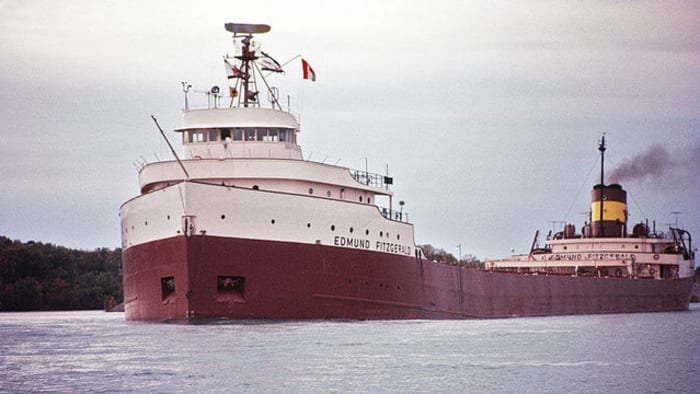
The S.S. Edmund Fitzgerald, the largest and fastest Great Lakes ship, sank in Lake Superior on November 10, 1975, during a severe storm. The ship was named after the President and CEO of its owner, Northwestern Mutual Life Insurance Company. All 29 crew members perished in the tragedy. The wreckage was discovered in 1976 and is considered a grave site. The incident led to safety improvements in Great Lakes shipping.
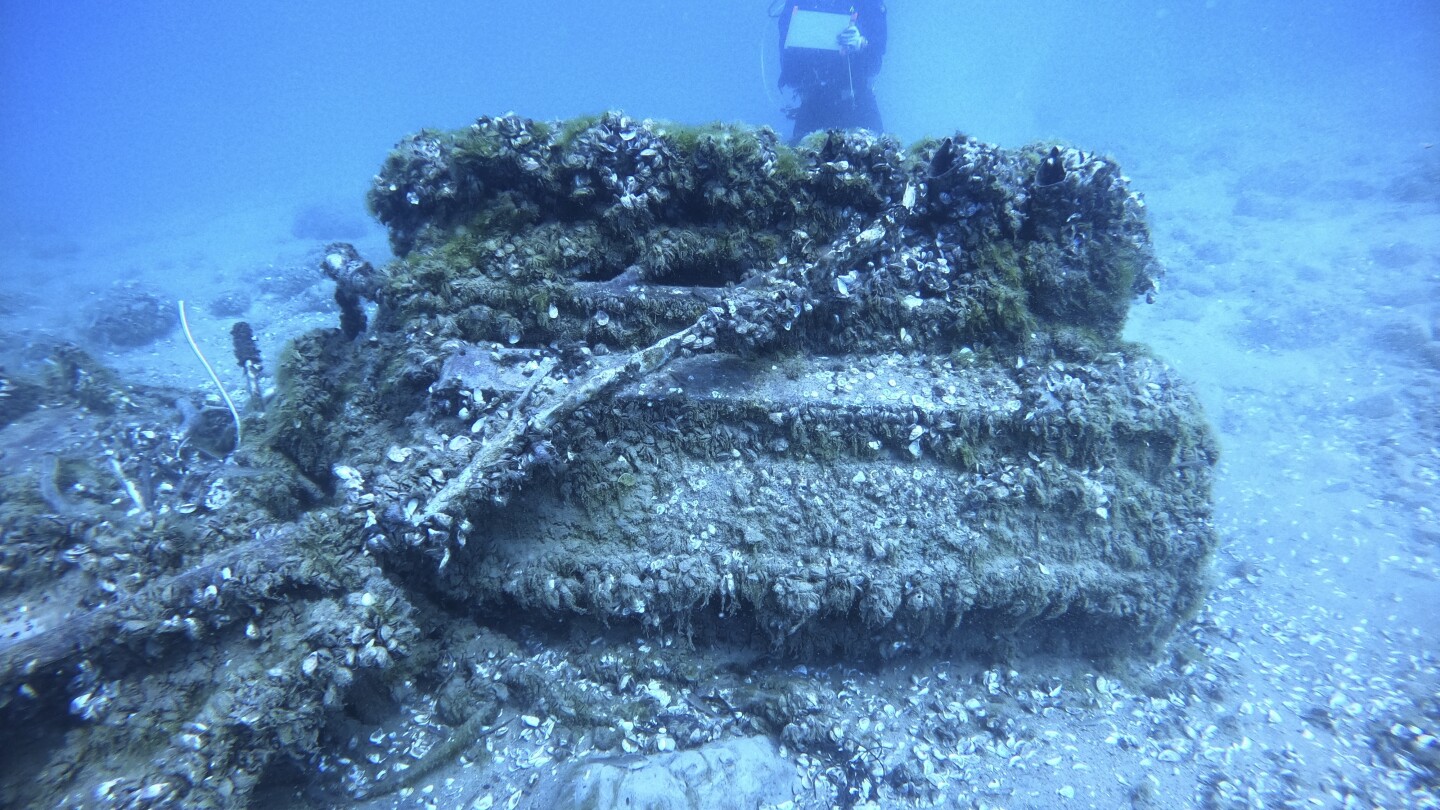
Historians and archaeologists are racing against time to locate and document shipwrecks in the Great Lakes before they are destroyed by invasive quagga mussels. These mussels, which have become the dominant invasive species in the lower Great Lakes, cover virtually every shipwreck and downed plane in the region, burrowing into wooden vessels and corroding steel and iron ships. Quagga mussels have displaced zebra mussels as the dominant mussel in the Great Lakes and have caused overwhelming destruction to the remains of historical ships. Efforts to stop the mussels have been unsuccessful, leaving experts to search for shipwrecks before they disintegrate under the mussels' assaults.
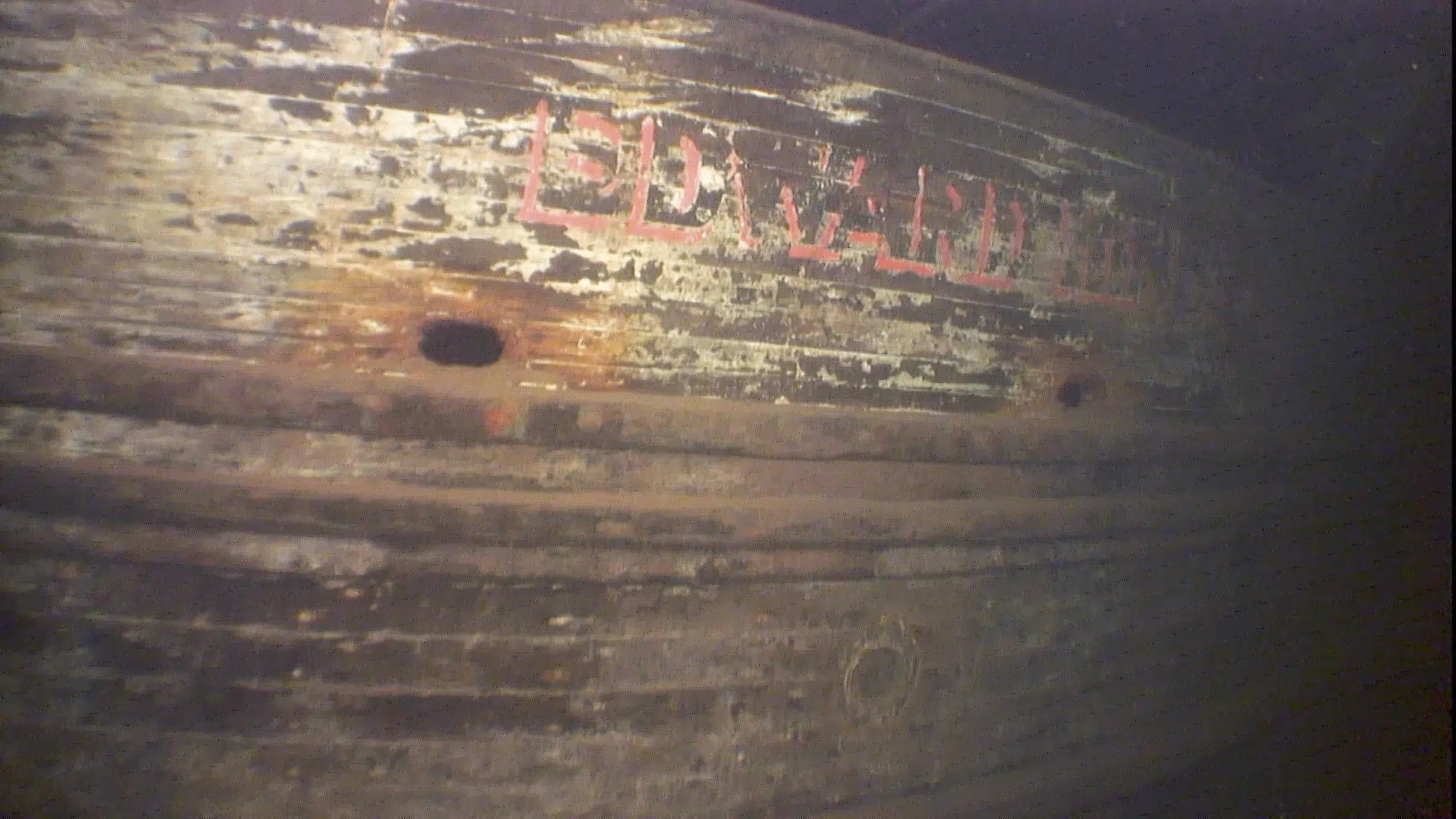
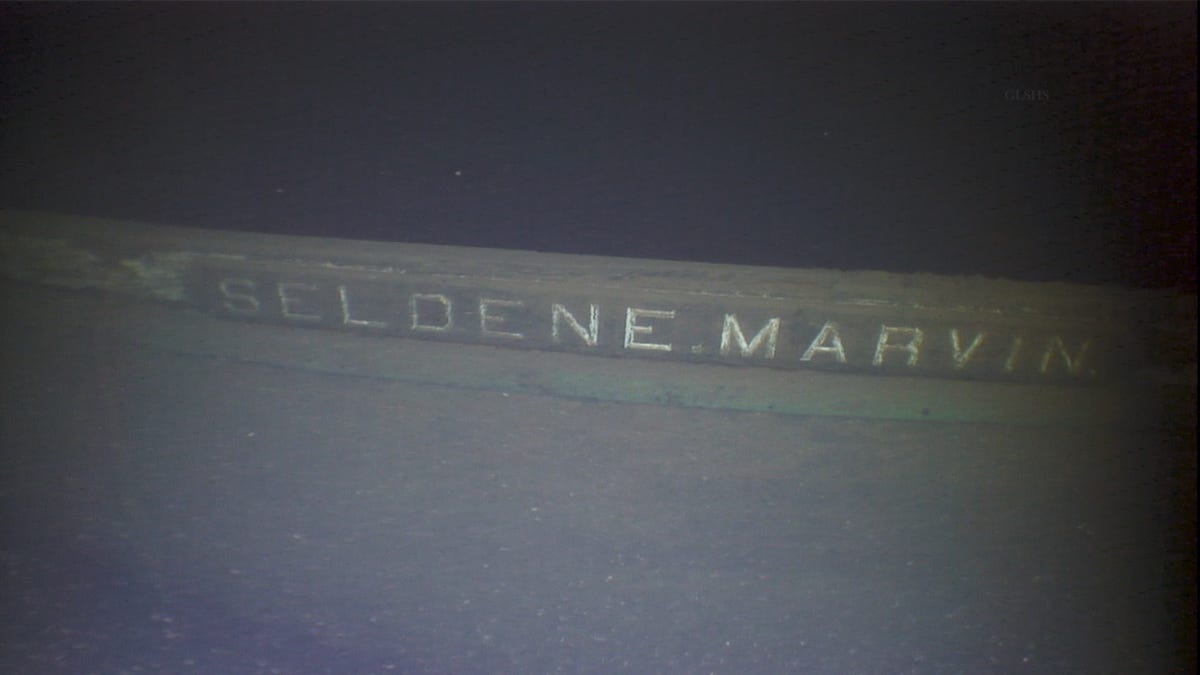
Researchers from the Great Lakes Shipwreck Historical Society have discovered the wreckage of two ships that sank into Lake Superior in 1914, owned by the Edward Hines Lumber Company, killing all 28 people aboard. The steamship C.F. Curtis was towing the schooner barges Selden E. Marvin and Annie M. Peterson when a storm swept through. The society hopes to find the third ship that sank at the same time. The wrecks were discovered farther into the lake than the 1914 accounts suggested, and there was damage to the Marvin’s bow and the Curtis’ stern, making researchers wonder whether a collision contributed.
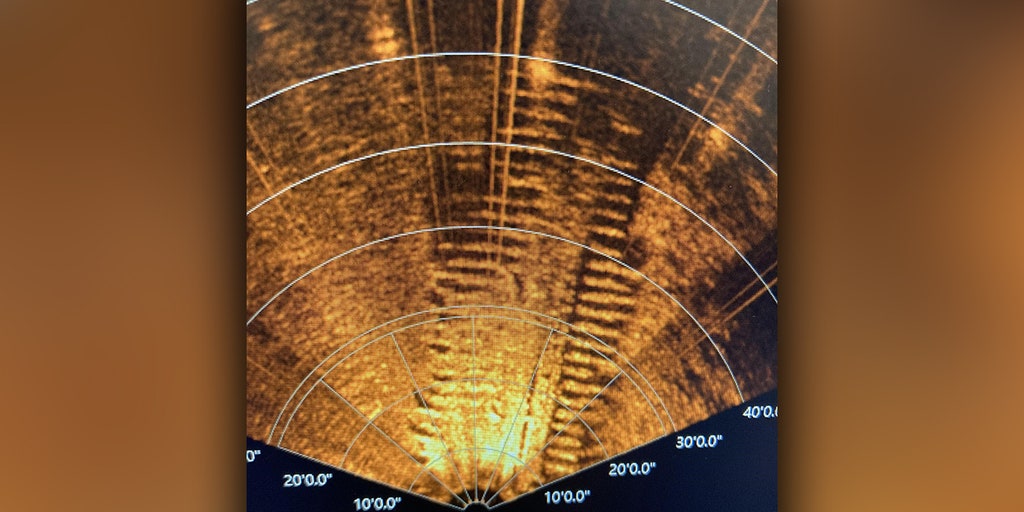
The Great Lakes Shipwreck Historical Society has found two of three ships that sank in a violent storm on Lake Superior in 1914, leaving 28 dead. The wrecks offer a window to the past and provide peace to families of the mariners and passengers who vanished. The society has been mapping more than 2,500 miles of Lake Superior with Marine Sonic Technology using side-scan sonar. The ships were part of the Hines Lumber Co., one of the largest timber enterprises at the time, and the finds are significant historic discoveries in American history.