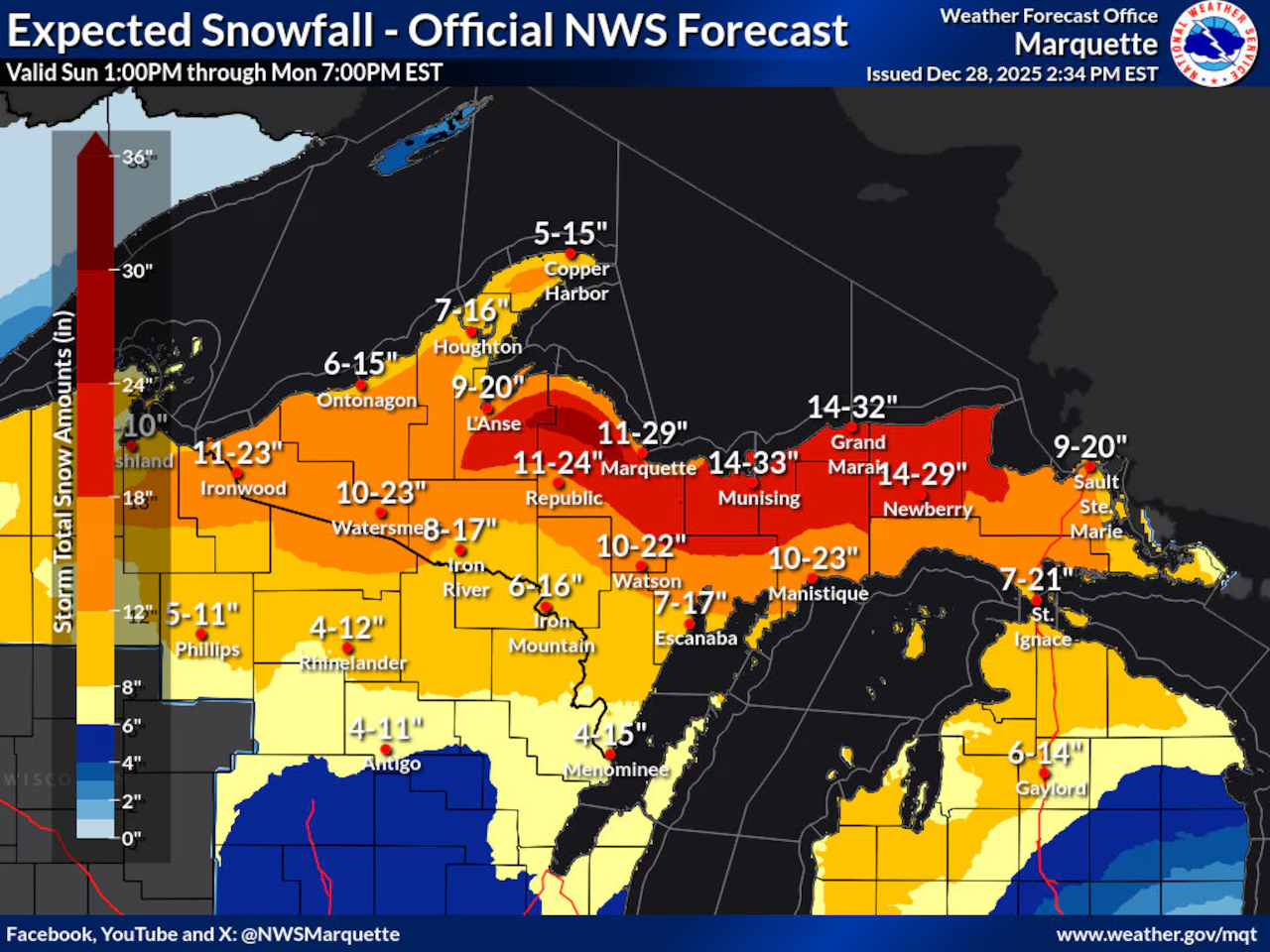
A winter storm in Michigan's Upper Peninsula has shifted its track south and east, bringing increased snowfall of up to 33 inches, blizzard conditions, and high winds, especially near Lake Superior, with potential for power outages and travel disruptions.
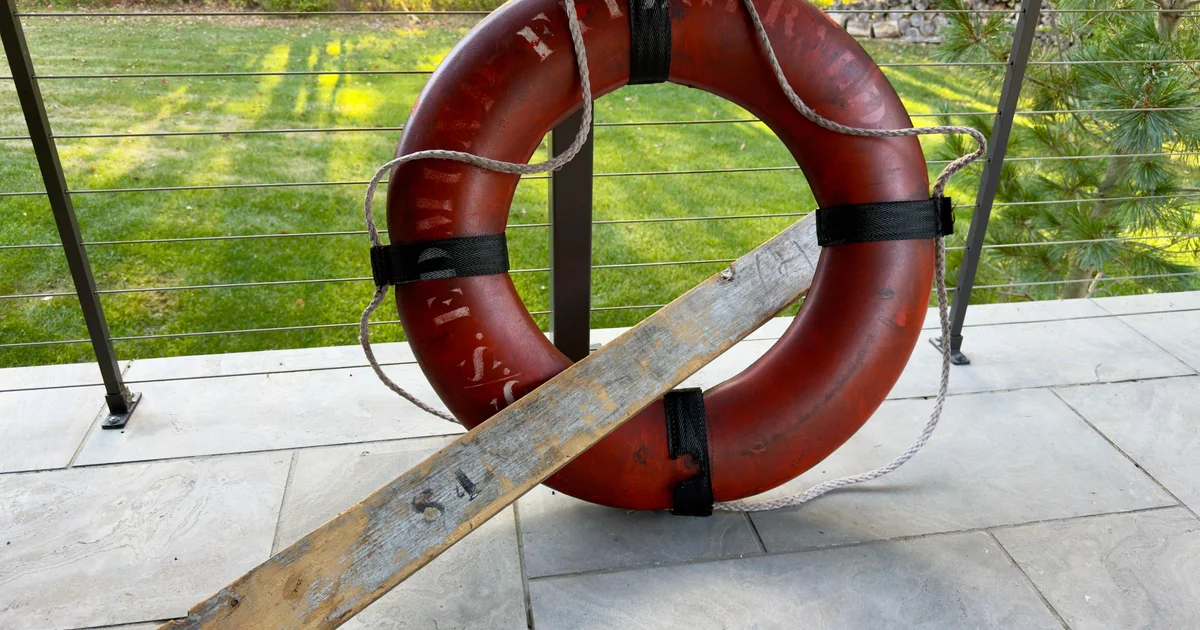
A life ring and a piece of a lifeboat from the Edmund Fitzgerald shipwreck sold at auction for $150,000, after being discovered in 1975 and displayed for years, with the sale reflecting ongoing interest in the ship's tragic sinking in Lake Superior.
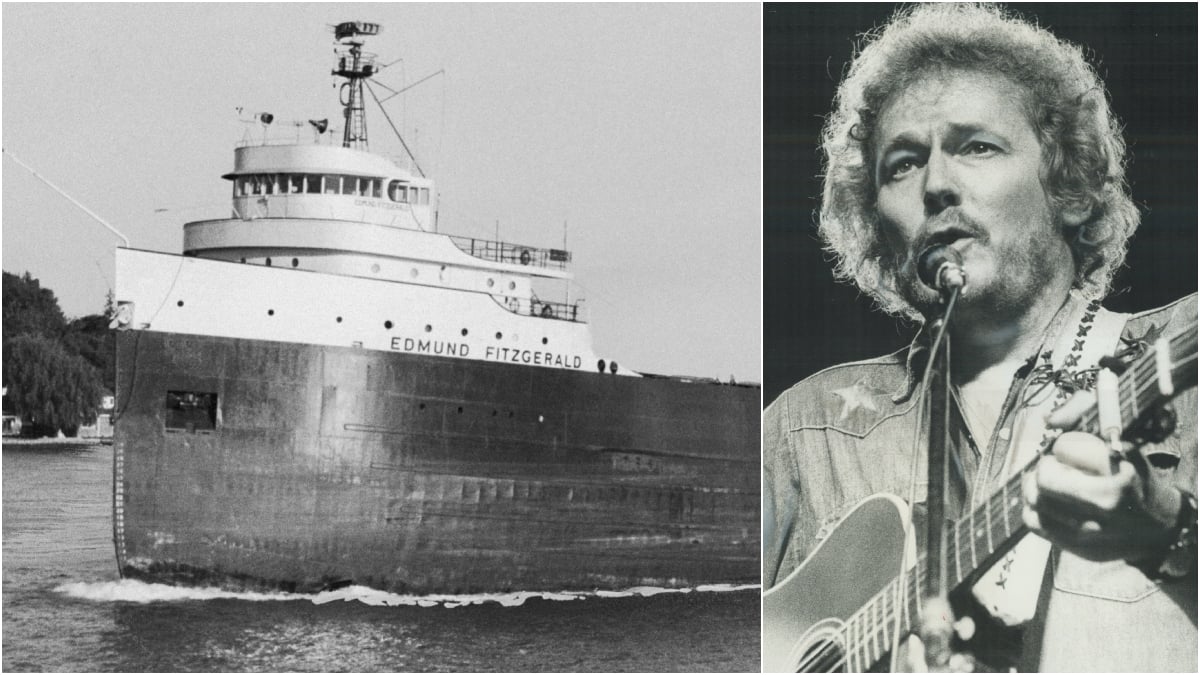
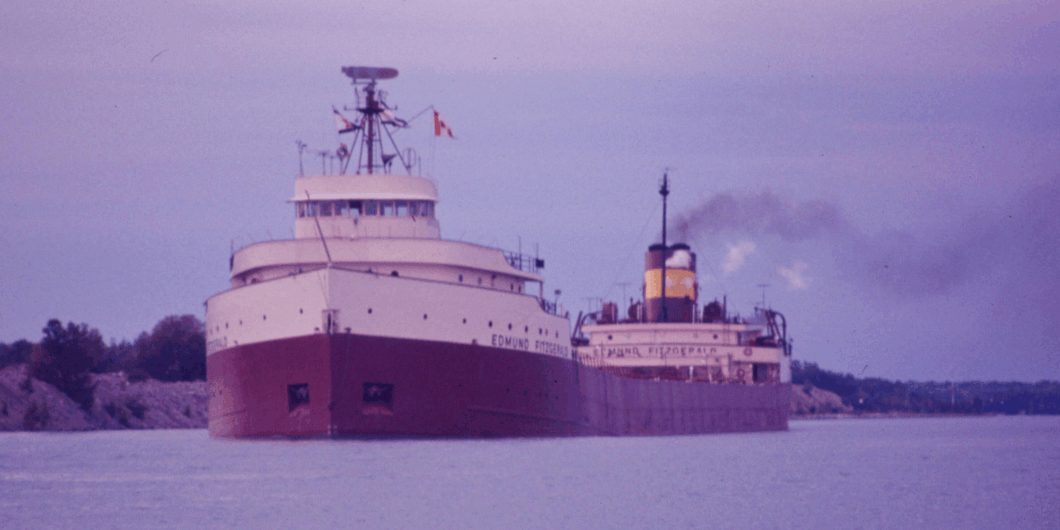
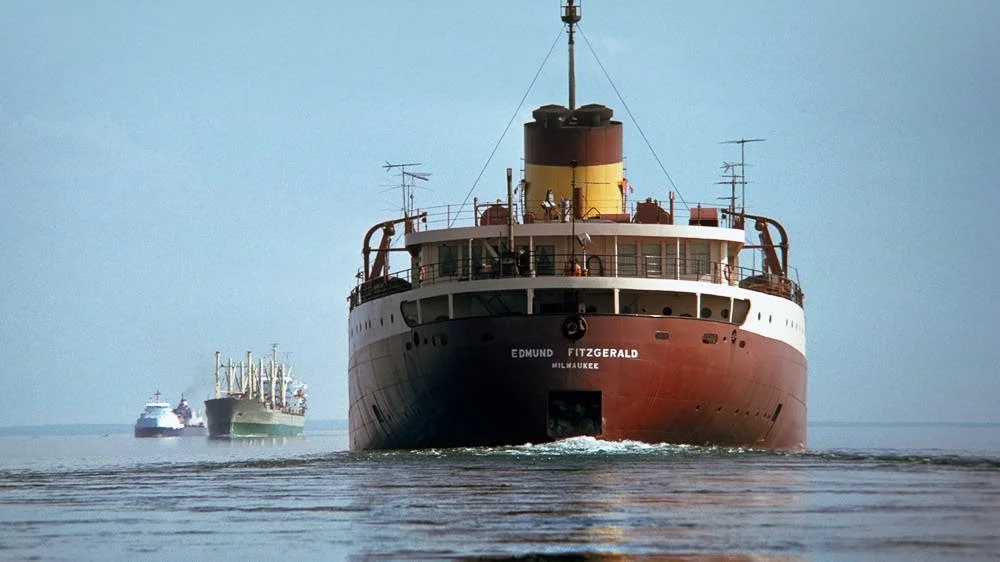
The 50th anniversary of the sinking of the Edmund Fitzgerald, the most tragic maritime disaster in U.S. history, is commemorated, highlighted by the iconic song by Gordon Lightfoot that memorializes the event and its lost crew.
The article reflects on the 50th anniversary of the sinking of the Edmund Fitzgerald, emphasizing its cultural significance through Gordon Lightfoot's ballad, which uses poetic elements of the sublime—vastness, power, and uncertainty—to evoke awe and remembrance of the tragedy and human vulnerability.
Fifty years after the sinking of the Edmund Fitzgerald during a fierce storm on Lake Superior, the ship's legacy endures through memorial ceremonies, cultural references like Gordon Lightfoot's song, and significant improvements in maritime safety and weather forecasting on the Great Lakes.
Scientists studied rocks from the Freda Formation near Lake Superior to better understand the movement of Laurentia, a part of North America, around 1.1 billion years ago, revealing details about the formation of the supercontinent Rodinia and challenging previous ideas about Earth's tectonic behavior during that period.
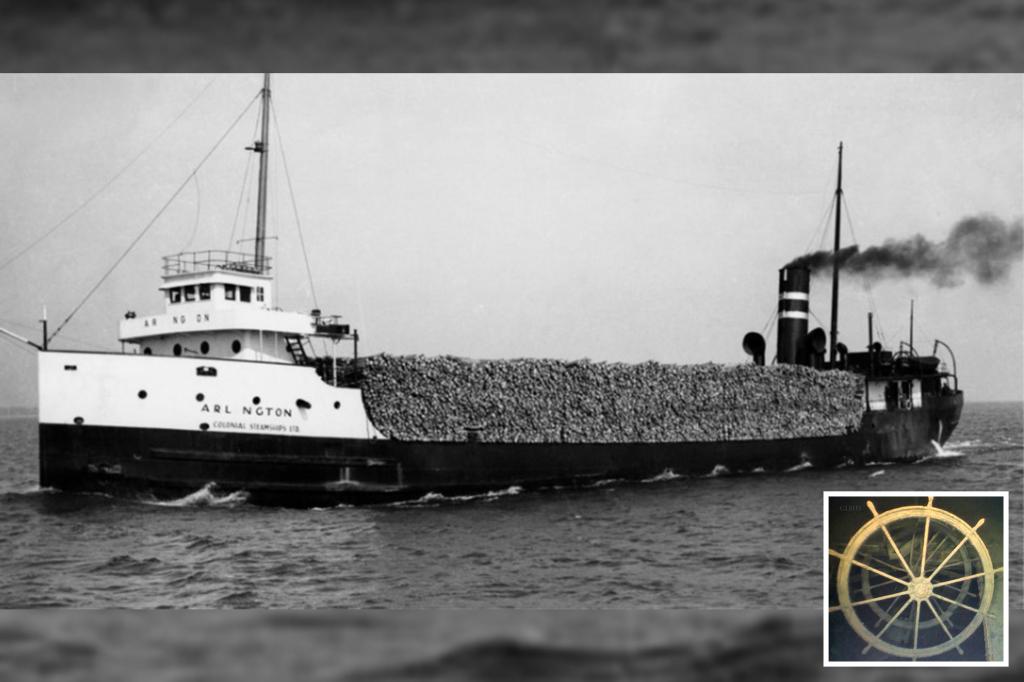
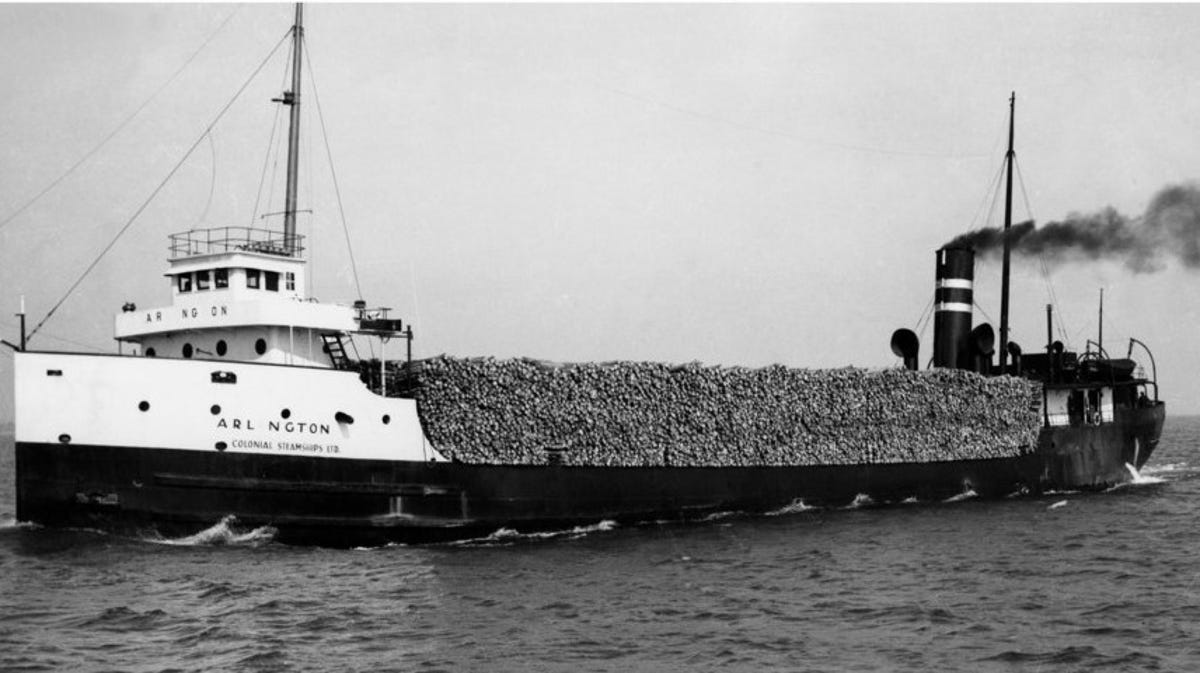
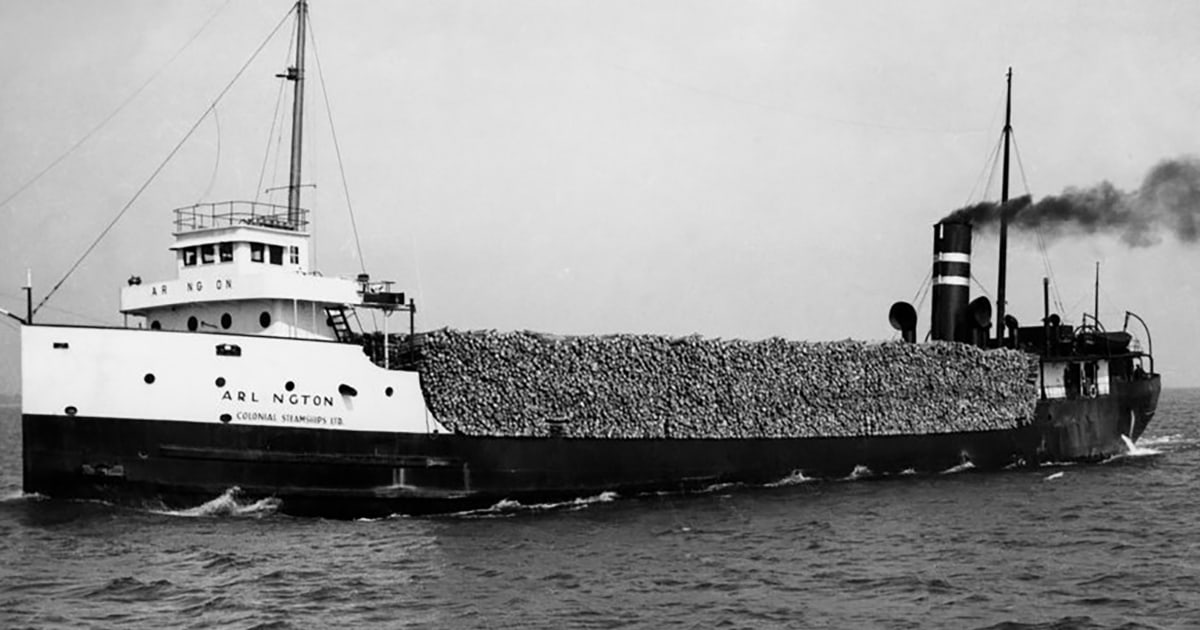
The shipwreck of the SS Arlington, which sank in Lake Superior in 1940, has been discovered more than 80 years later by the Great Lakes Shipwreck Historical Society and researcher Dan Fountain. The vessel, which took its captain down with it under mysterious circumstances during a storm, was found using remote sensing data and sonar. The discovery sheds light on the ship's tragic fate and the enigmatic behavior of its captain, providing closure to the family of Captain Burke and adding to the many mysteries of Lake Superior's shipwrecks.
The shipwreck of the Arlington, which sank in Lake Superior in 1940 with its captain, Frederick "Tatey Bug" Burke, aboard, has been discovered more than 600 feet below the surface. The vessel was found 35 miles north of Michigan’s Keweenaw Peninsula by the Great Lakes Shipwreck Historical Society and researcher Dan Fountain. Despite the crew abandoning ship, Captain Burke chose to stay aboard, a decision that remains a mystery. The discovery provides closure to the family of Captain Burke and adds another chapter to the many mysteries of Lake Superior.
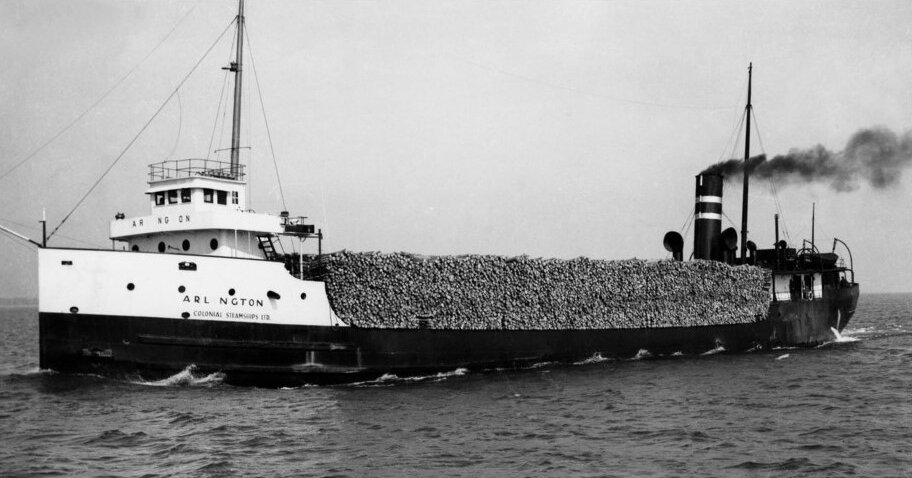
The wreckage of the 244-foot merchant ship Arlington, which sank in 1940, has been discovered in Lake Superior by the Great Lakes Shipwreck Historical Society and researcher Dan Fountain. The ship, loaded with wheat, sank in a storm, with the crew abandoning ship and the captain going down with it. This discovery adds to recent shipwreck findings in the Great Lakes, including a possible wreck in Lake Erie and the 150-year-old George L. Newman found in Lake Michigan.
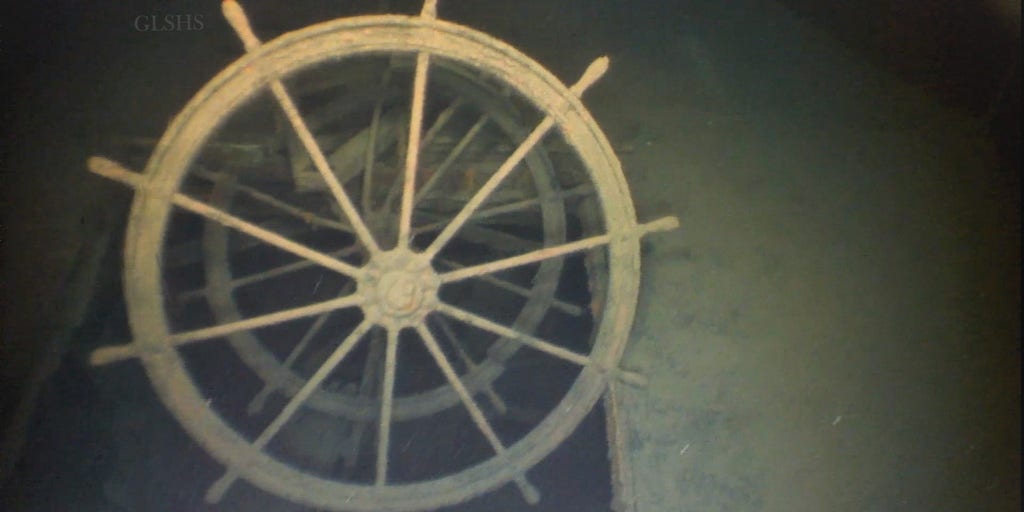
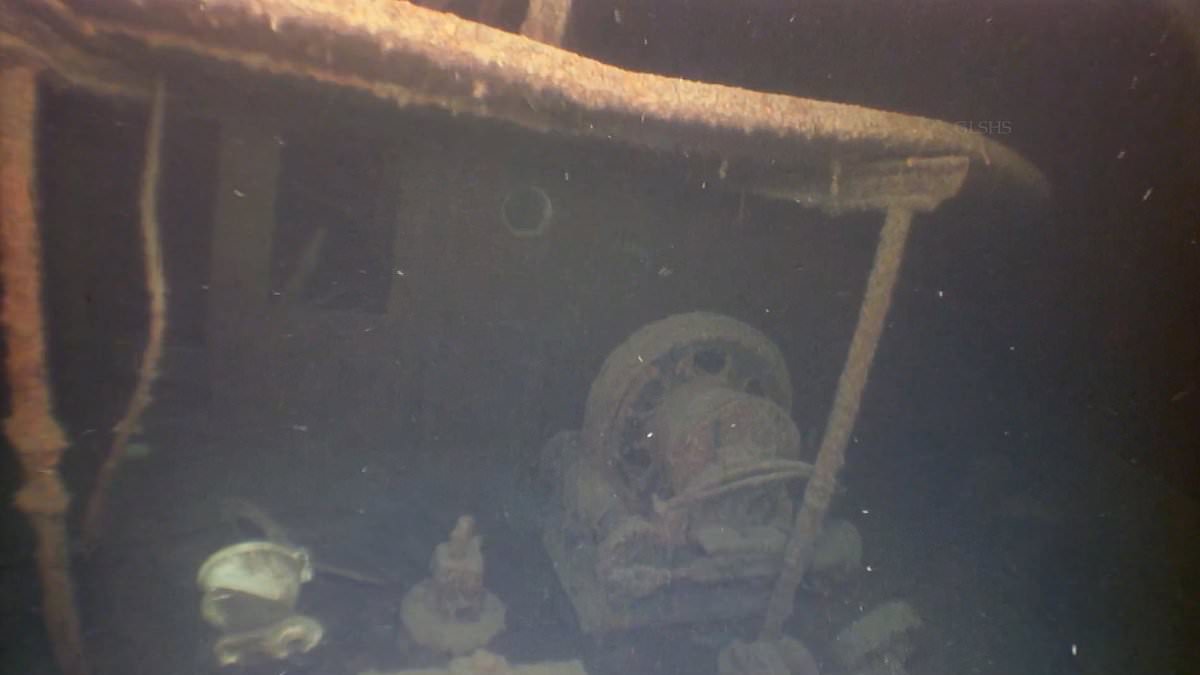
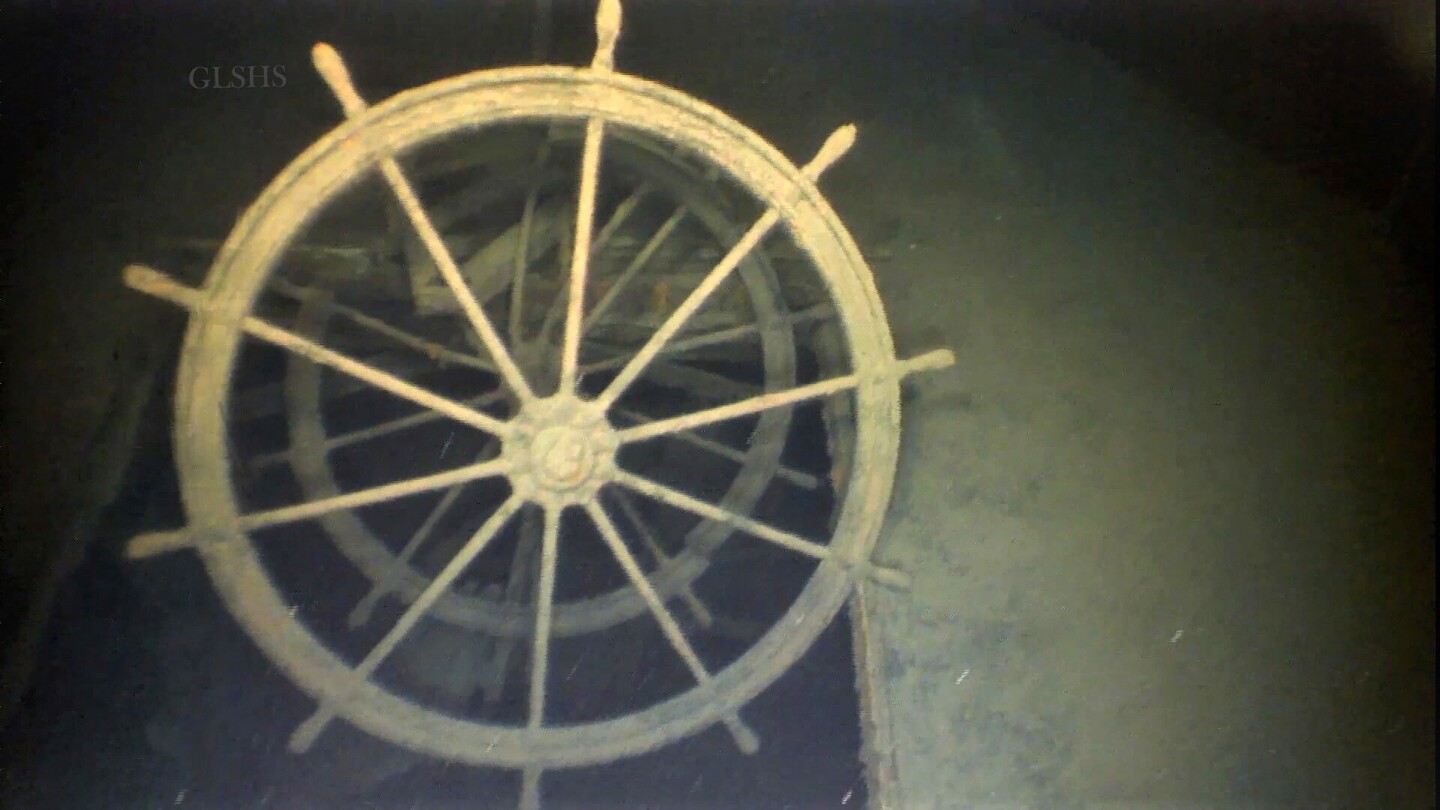
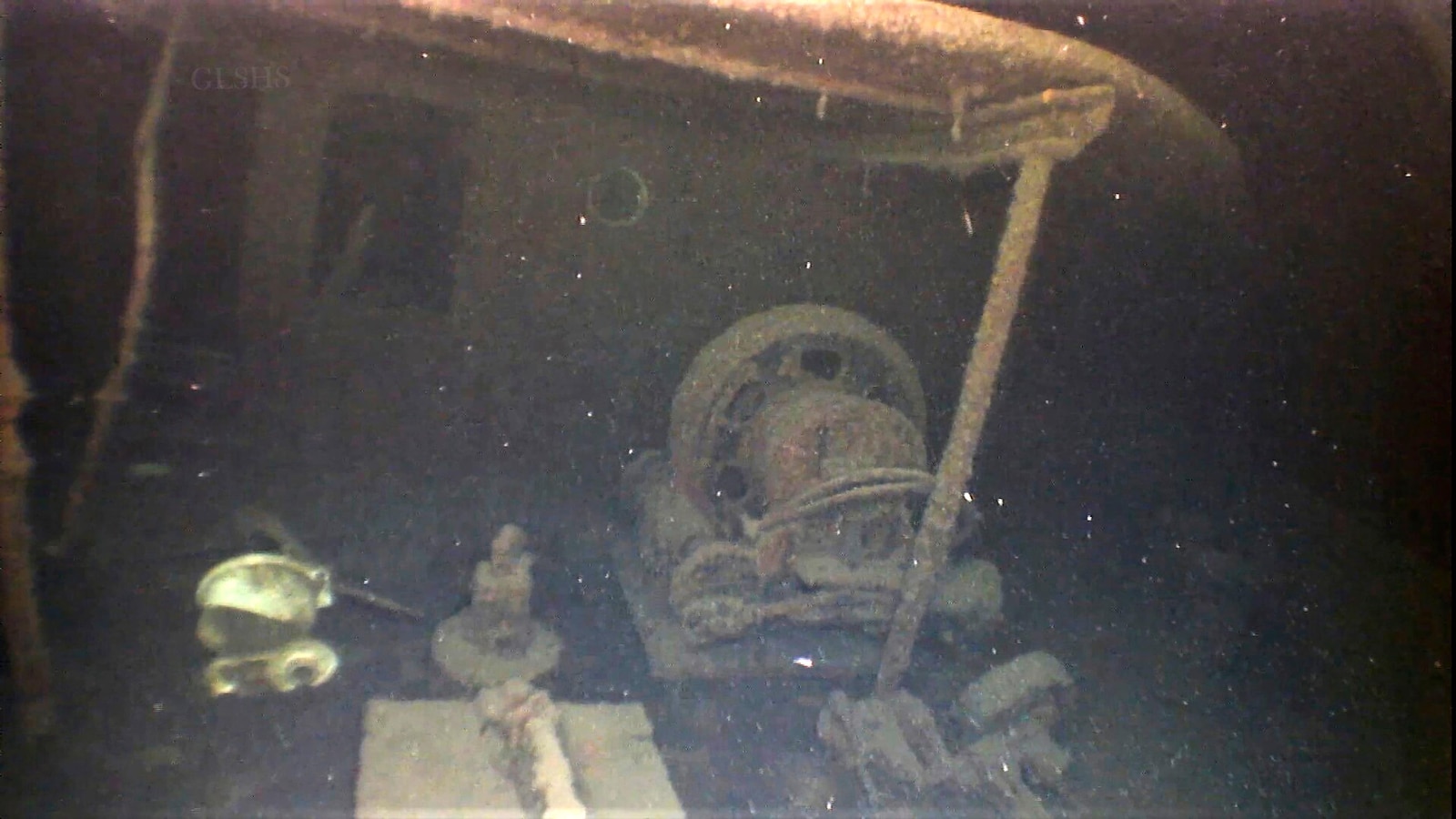
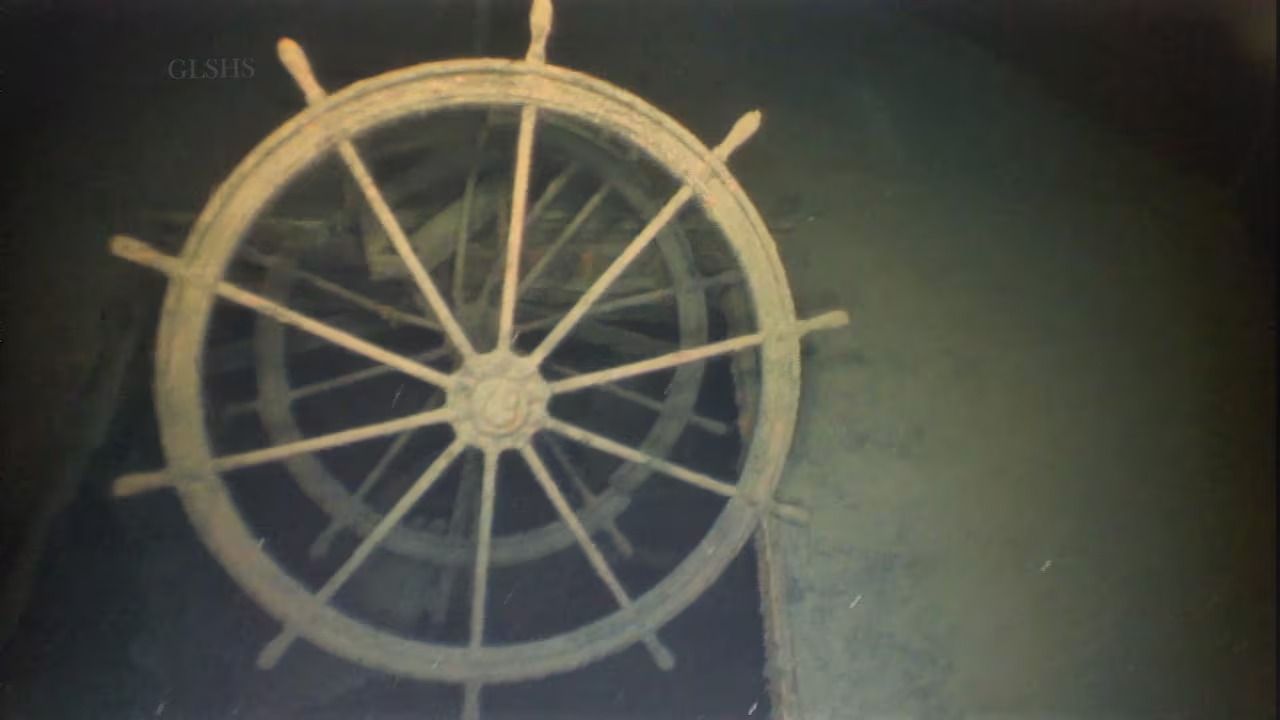
The SS Arlington, a World War II-era steamship that sank in Lake Superior in 1940, has been found at the bottom of the lake after a 10-year search. The ship, which lay under 650 feet of water for 74 years, was discovered by the Great Lakes Shipwreck Historical Society and researcher Dan Fountain. Video footage revealed the decayed wreckage, including the intact steering wheel. The fate of the ship's captain, who went down with the ship, remains a mystery. The discovery provides closure to the family of Captain Burke and sheds light on the ship's mysterious story.
Shipwreck hunters have discovered the WWII-era merchant ship Arlington, which sank in Lake Superior 84 years ago during a storm. The 244-foot bulk carrier was found buried beneath 650 feet of water north of Michigan's Keweenaw Peninsula. The ship was carrying wheat from Port Arthur, Ontario, to Owen Sound when it sank in May 1940. The crew survived, except for the captain, Frederick 'Tatey Bug' Burke, whose behavior remains a mystery. The discovery was made by the Great Lakes Shipwreck Historical Society, and researcher Dan Fountain hopes it will bring closure to the captain's descendants.
Shipwreck hunters have located the 1940 sunken merchant ship Arlington in Lake Superior, 35 miles north of Michigan’s Keweenaw Peninsula, at a depth of 650 feet. The ship, carrying wheat, sank during a storm, and its captain, Frederick Burke, went down with it. The crew survived, with Burke last seen waving at a passing freighter before the ship vanished. The discovery was made by shipwreck researcher Dan Fountain, providing closure to the family of Captain Burke and shedding light on a mysterious chapter in Lake Superior's history.
The wreckage of the S.S. Arlington, a Canadian ship that sank in Lake Superior in 1940, has been located by researchers, but the mystery of why the captain, Frederick Burke, remained alone on board as his crew escaped during a storm remains unsolved. The Great Lakes Shipwreck Historical Society, which made the discovery, believes that the details of the ship's final moments, including the captain's behavior, may never be fully understood, similar to many other shipwrecks in the Great Lakes.
Shipwreck hunters have located the 1940 sunken merchant ship Arlington in Lake Superior, about 35 miles north of Michigan’s Keweenaw Peninsula. The ship, carrying wheat and commanded by Captain Frederick “Tatey Bug” Burke, sank during a storm after encountering dense fog. All crew members except Burke abandoned ship and were rescued by another freighter. The discovery, made by shipwreck researcher Dan Fountain, provides closure to the family of Captain Burke and sheds light on a long-standing mystery.
The WWII-era shipwreck of the SS Arlington, known for its captain's strange behavior on its final day, has been discovered 650 feet deep in Lake Superior by the Great Lakes Shipwreck Historical Society. The 244-foot bulk carrier sank on May 1, 1940, with its captain, Frederick "Tatey Bug" Burke, making baffling decisions that led to the ship's demise. The discovery, made after a decade of research and remote-sensing data analysis, sheds light on the mysterious story of the Arlington and provides closure to the family of Captain Burke.