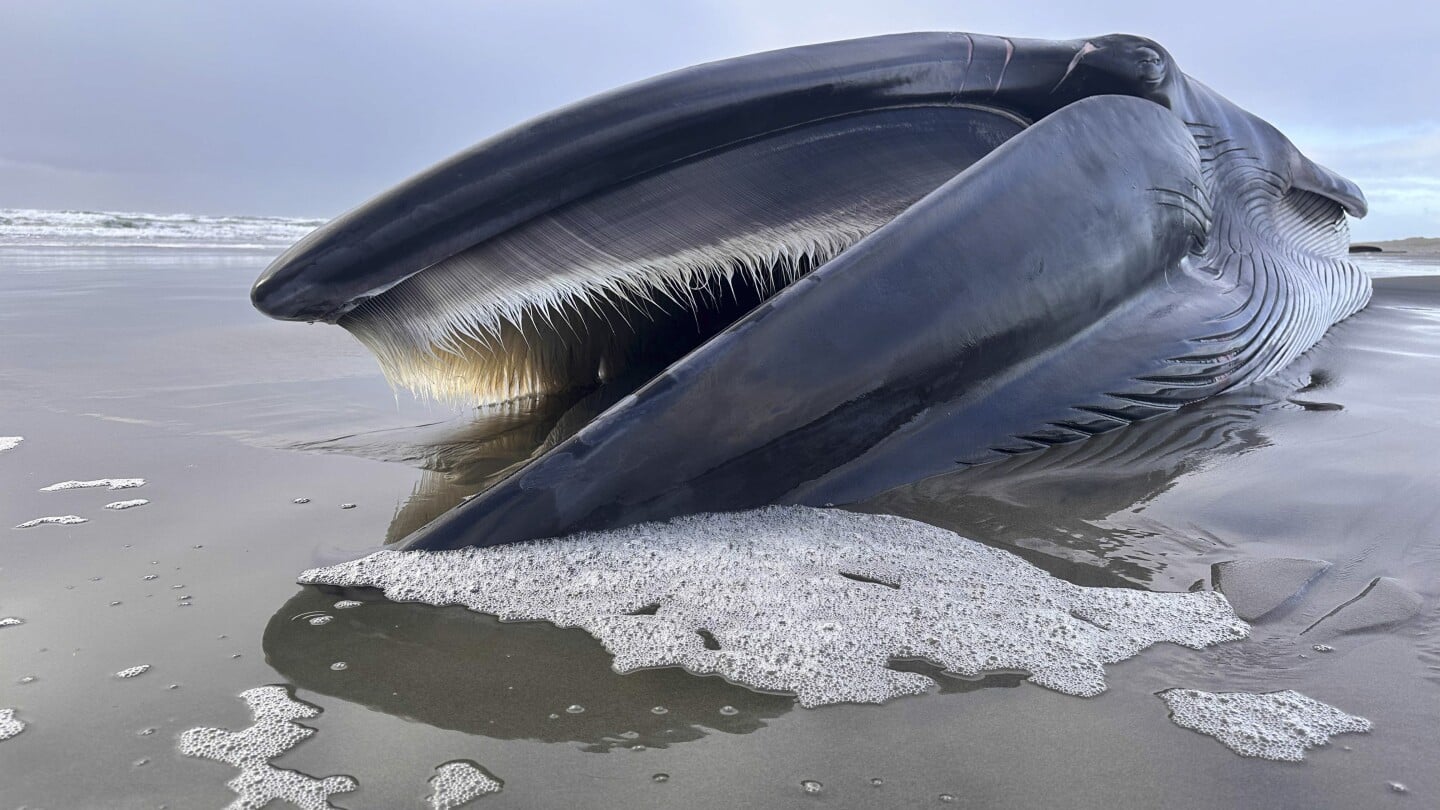
A 46-foot fin whale washed ashore on an Oregon beach, providing a rare educational opportunity as it decomposes, though caution is advised due to potential disease transmission. The whale, entangled in rope before someone removed it, was not killed by the entanglement. A necropsy will determine the cause of death, and the natural decomposition process will provide nutrients to the local environment. This approach contrasts with a 1970 incident where officials used dynamite to dispose of a beached whale, causing widespread damage.
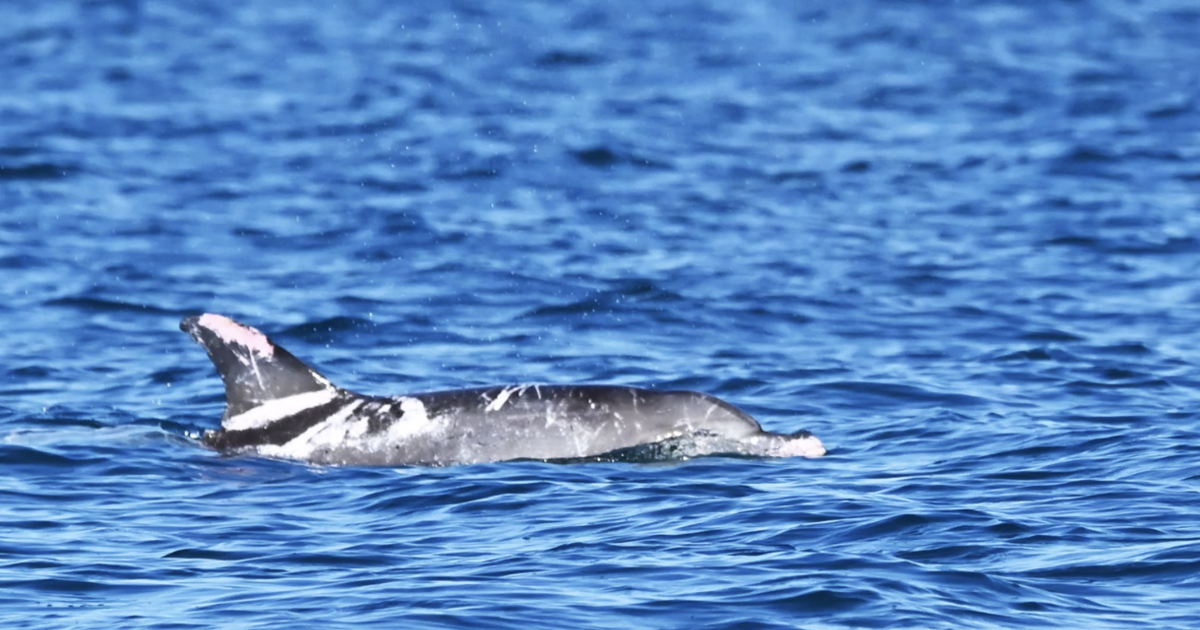
Researchers in Australia have discovered a bottlenose dolphin with an extremely rare skin condition called piebaldism, making it one of only 24 reported cases in dolphins worldwide and one of only six photographed cases. Named "Speckles," the dolphin was found in Southern Queensland's Hervey Bay and is the first documented case of this condition in Australia. The condition, similar to albinism and leucism, causes patchy coloration due to partial loss of pigmentation. The discovery was published in the scientific journal Aquatic Mammals, and researchers hope to conduct genetic sampling to learn more about the condition.
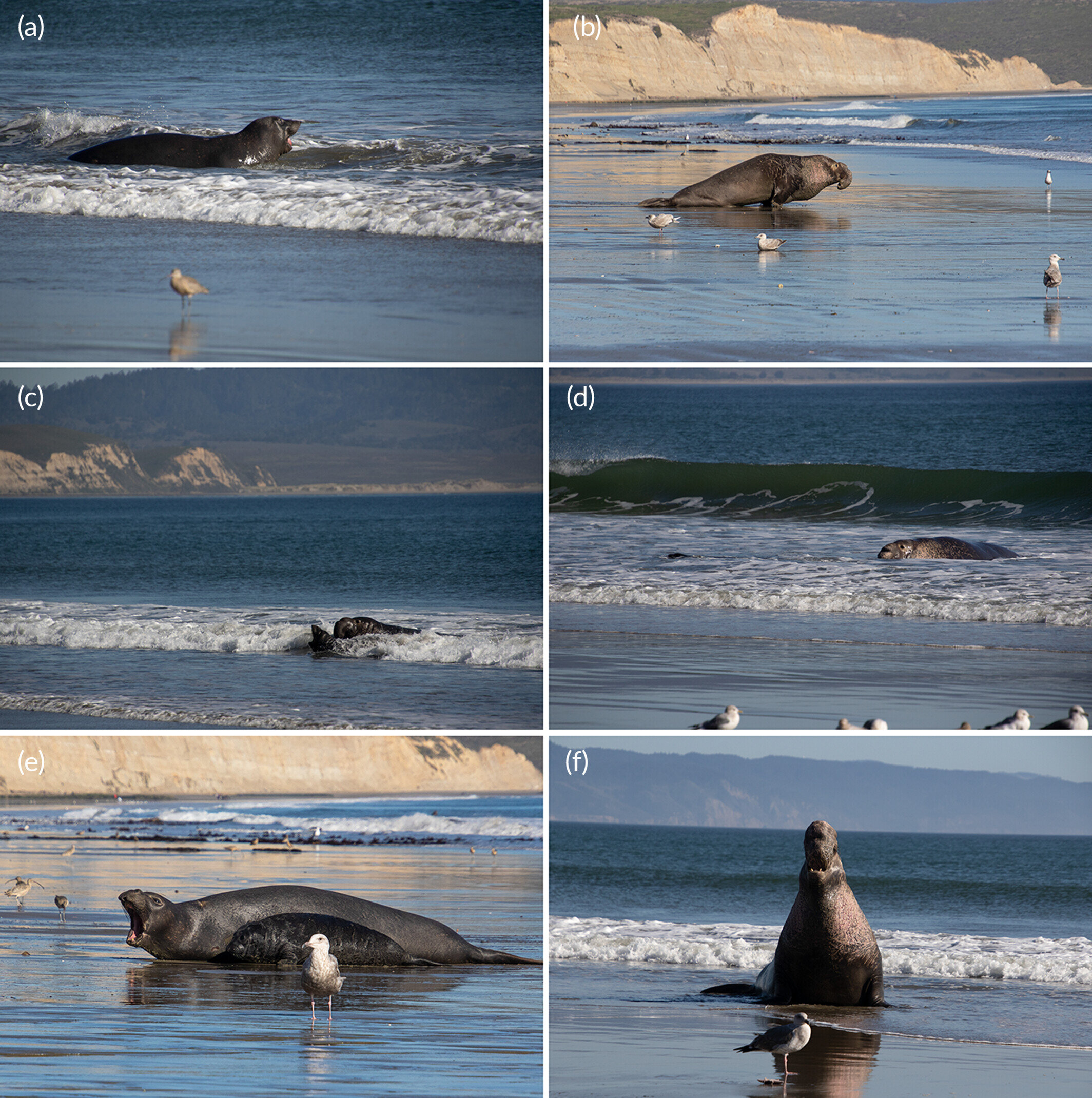
A trio of ecologists has observed a male bull elephant seal performing an act of altruism by rescuing a distressed pup at Point Reyes, California. The researchers witnessed the bull expending energy to swim into the ocean and gently nudge the pup back to shore, an unusual behavior for these typically aggressive and energy-conserving animals. This unique event, captured in photographs, suggests a rare display of altruism in the animal kingdom.
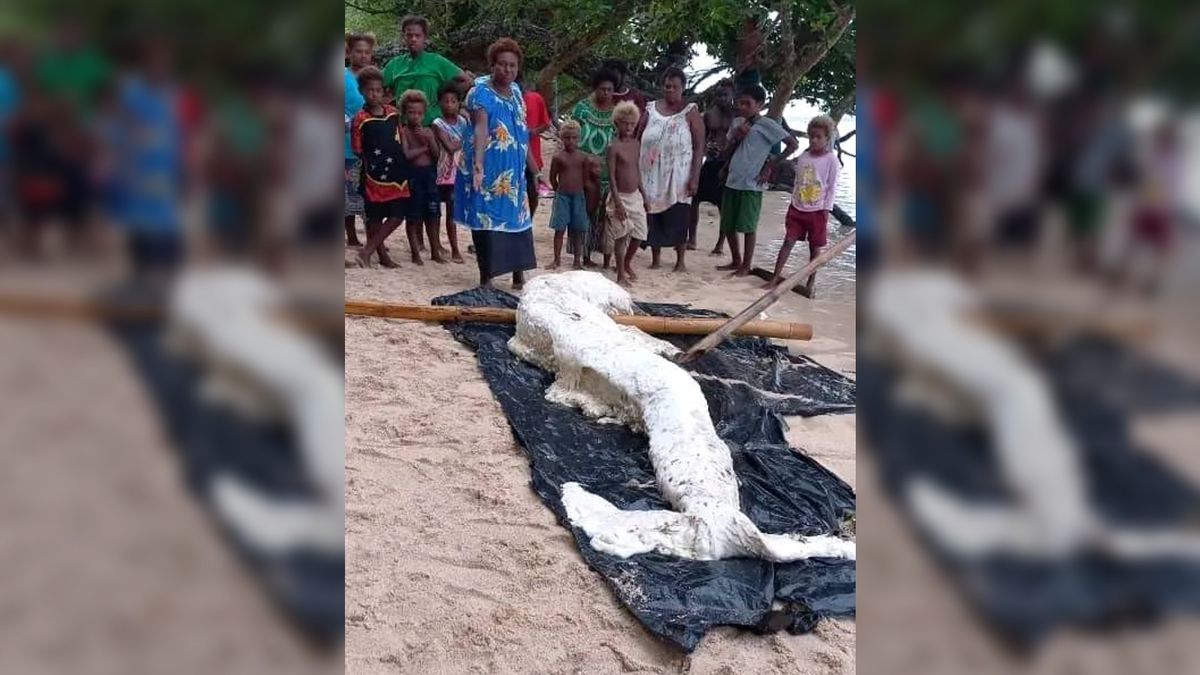
A mysterious mermaid-shaped "globster" washed ashore on Simberi Island in Papua New Guinea, leaving experts puzzled about its exact origins. The unidentified organic mass, likely a marine mammal, was missing significant body parts, making identification challenging. While some experts believe it could be a decomposed cetacean or a dugong, others suggest it might be a large shark. The lack of DNA samples and proper measurements further complicates the identification process.
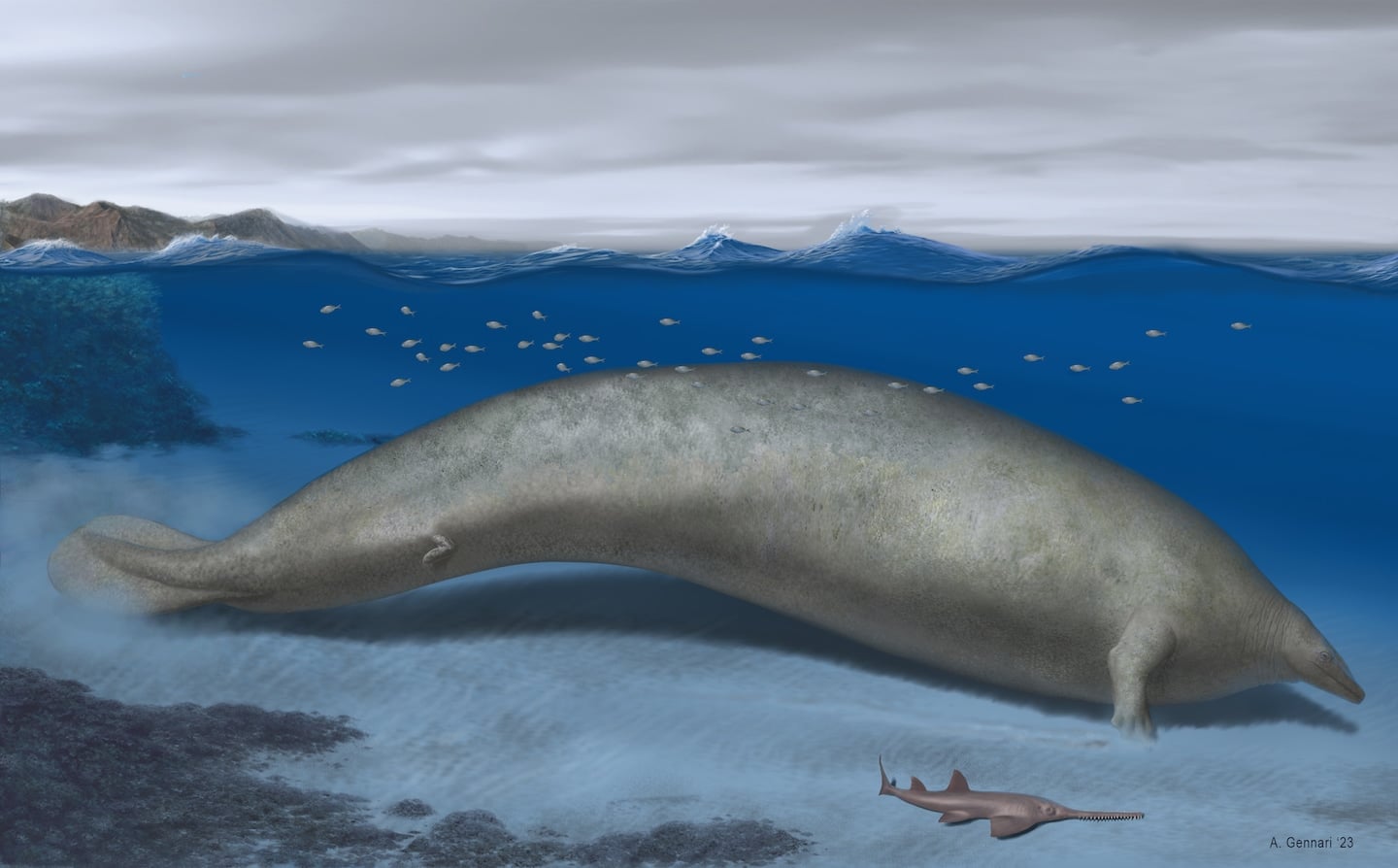
Fossils of an extinct marine mammal, Perucetus colossus, recently discovered in Peru suggest that it may have weighed up to 340 metric tons, challenging the blue whale's status as the largest animal ever. The massive creature, resembling a manatee, has compelled scientists to reconsider how animals can grow to such gigantic sizes. However, some experts remain skeptical of the estimates and believe more fossils are needed before declaring a new heavyweight champion. The discovery highlights the various ways in which whales can evolve into giants and raises questions about the diet and feeding habits of this ancient leviathan.
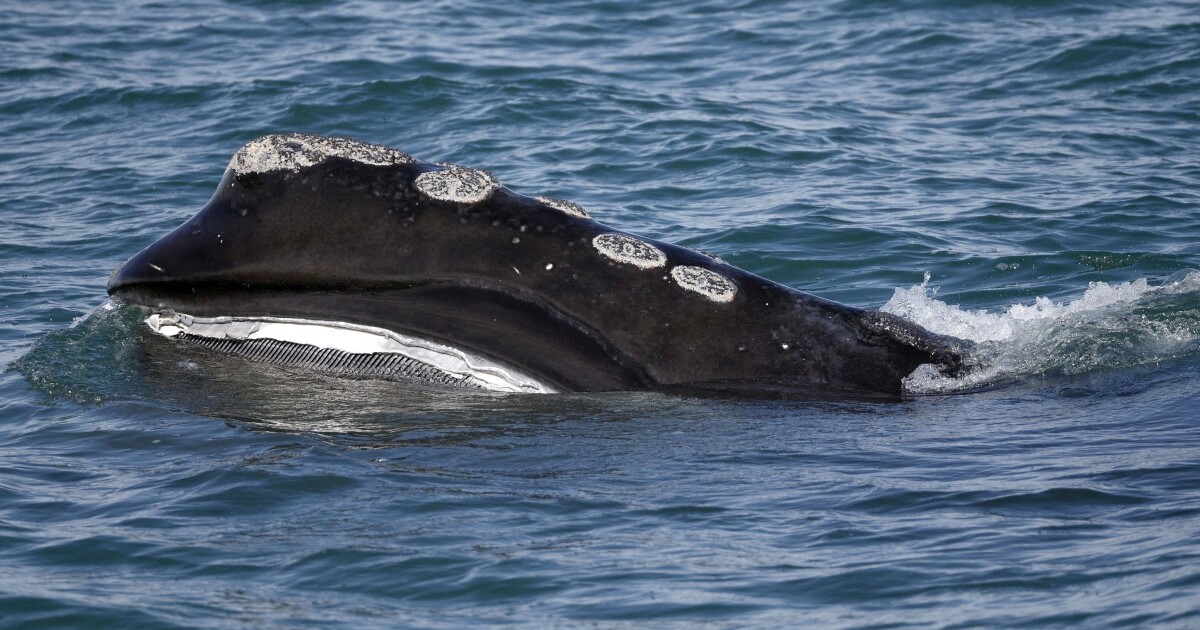
Between 60 to 70 North Atlantic right whales, including a mother and calf, were spotted feeding in Cape Cod Bay on Friday, making up about one-fifth of the world's entire population of the endangered species. The New England coast is one of the North Atlantic right whale's two critical habitats designated by the National Oceanic and Atmospheric Administration Fisheries. Entanglement in fishing gear is one of the greatest threats to the animal, killing at least nine right whales since 2017.