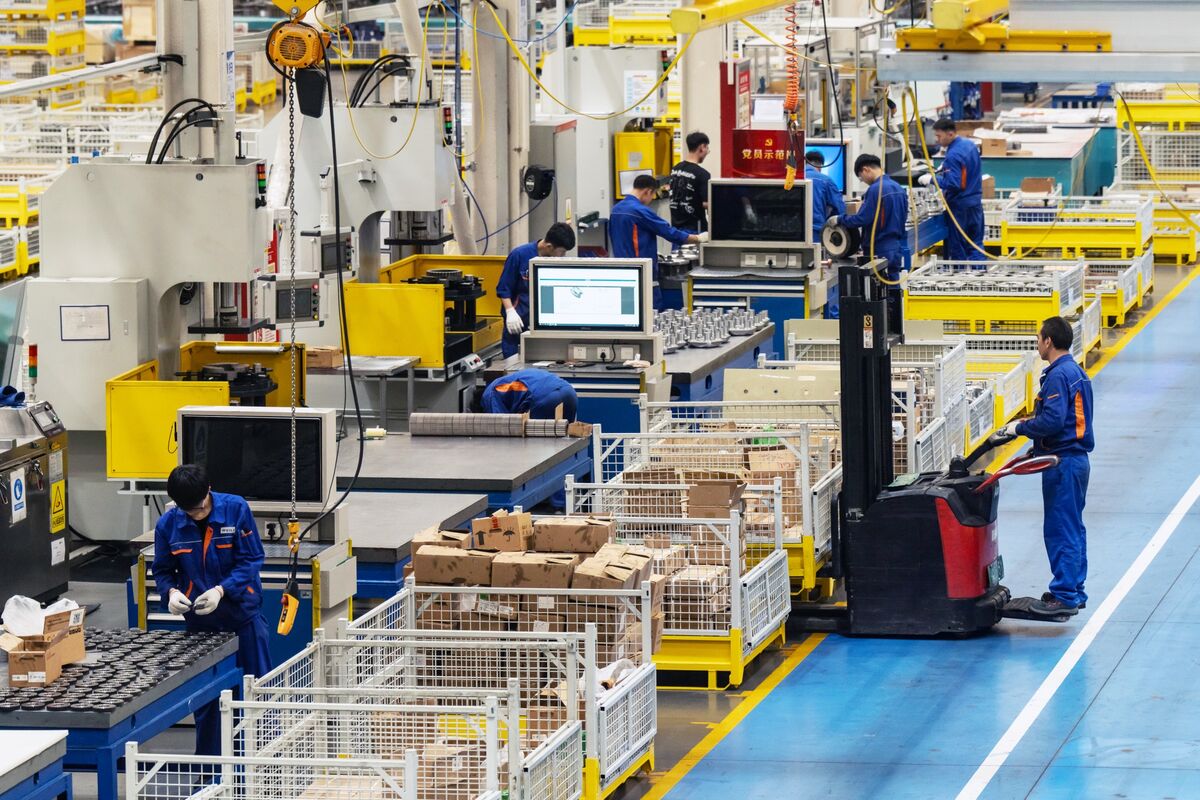
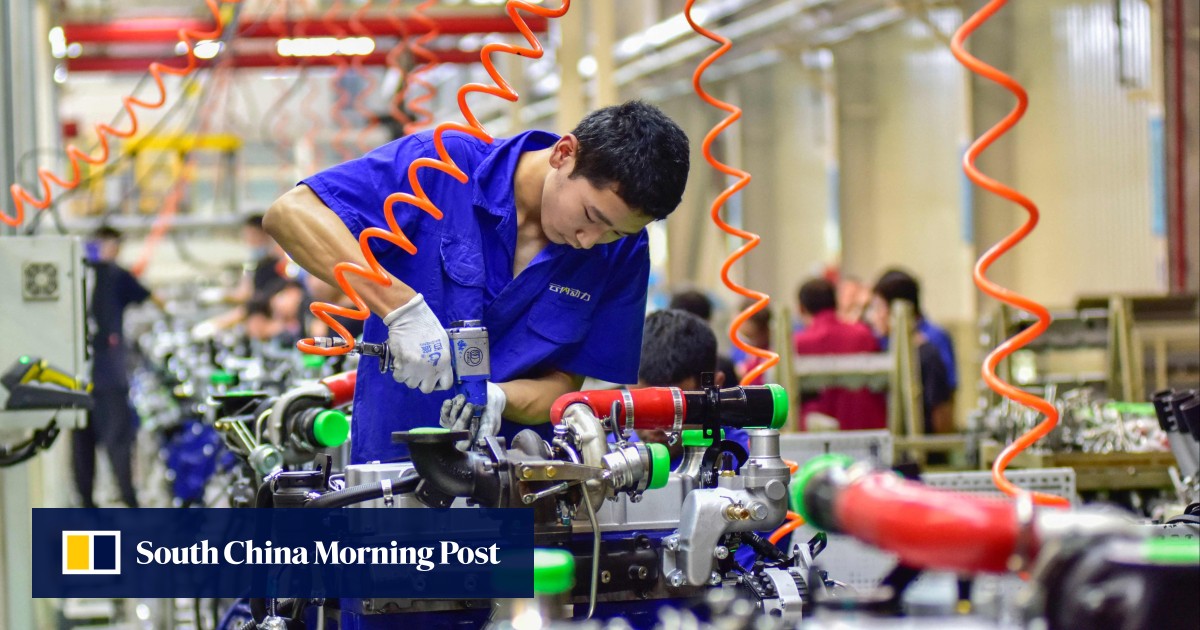
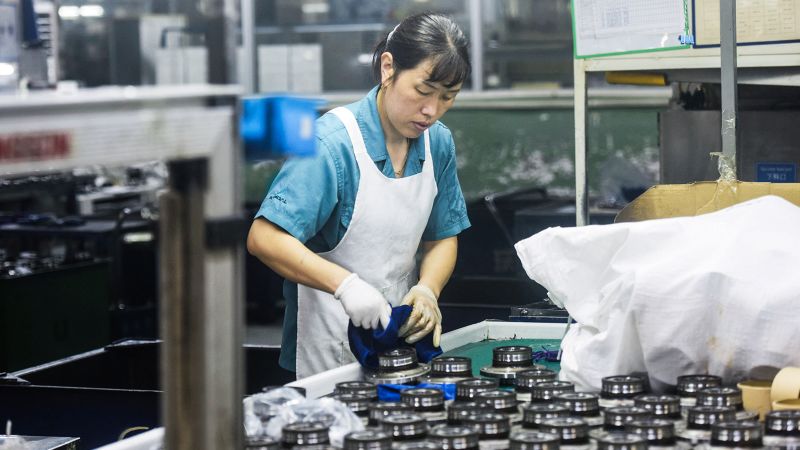
Chinese industrial profits rebounded in August with a 20.4% increase year-on-year, driven by government efforts to reduce overcapacity and improve market conditions, though ongoing domestic demand weakness and US tariff uncertainties pose challenges for future growth.
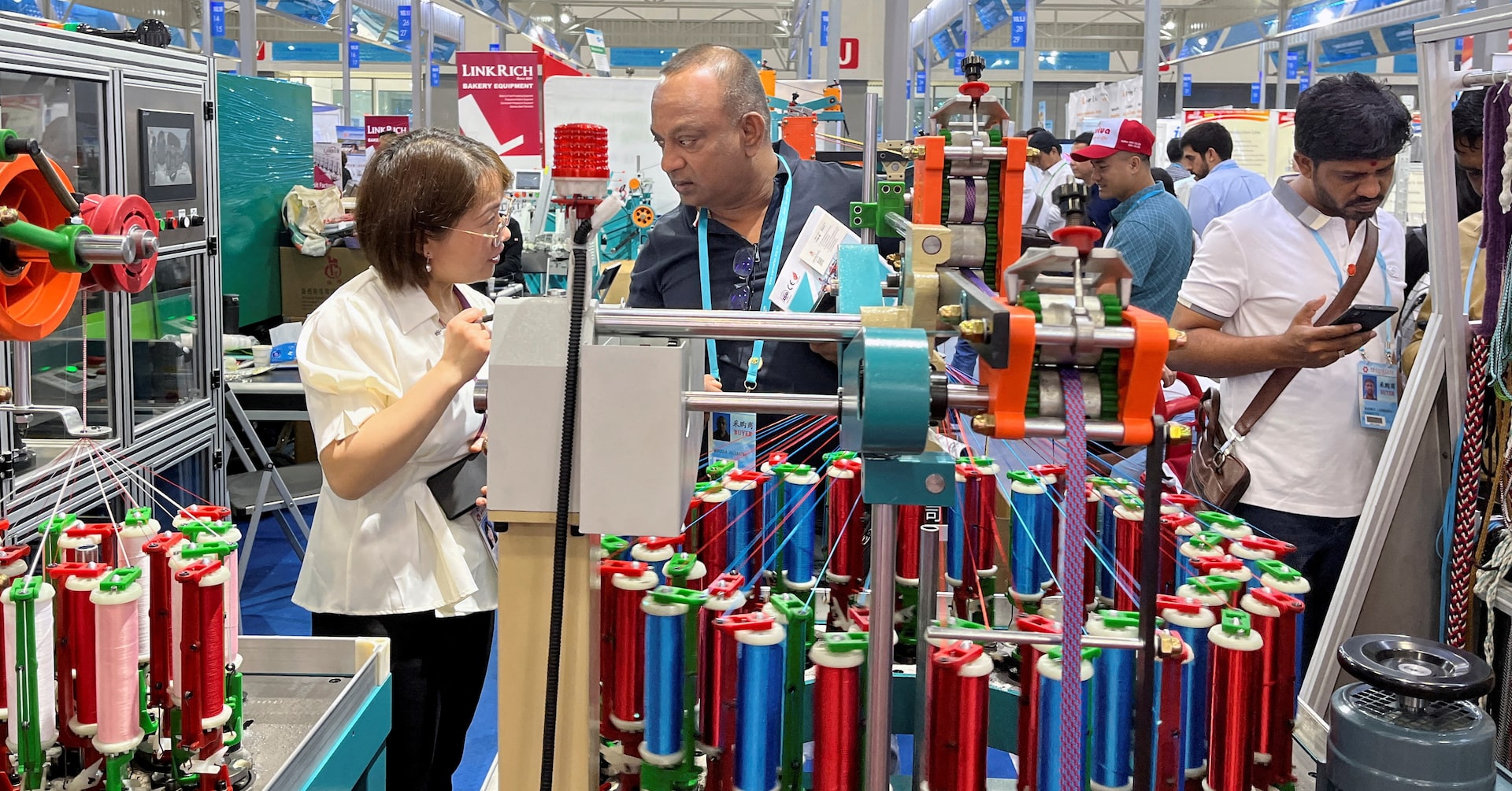
Chinese exporters at the Canton Fair in Guangzhou express despair over plummeting profit margins and bleak business prospects, with some comparing the prices of their goods to "cabbage." Economic and political tensions between Beijing and Washington, global trade slowdown due to conflicts in Ukraine and the Middle East, and excess manufacturing capacity are contributing to the challenges. While some higher-tech manufacturers remain optimistic, others are concerned about potential further trade tensions with the United States and Europe.
US stocks finished mixed to start the second quarter, with the S&P 500 and Dow Jones falling while the Nasdaq closed slightly higher; US treasury yields rose as the manufacturing sector showed its strongest position since 2022; Tesla hiked prices in the US and China, while Trump Media stock sank after reporting heavy losses; Alphabet, Micron, and 3M were trending tickers; gold and cocoa prices hit new highs, and United Airlines asked pilots to take time off amid Boeing delivery delays.
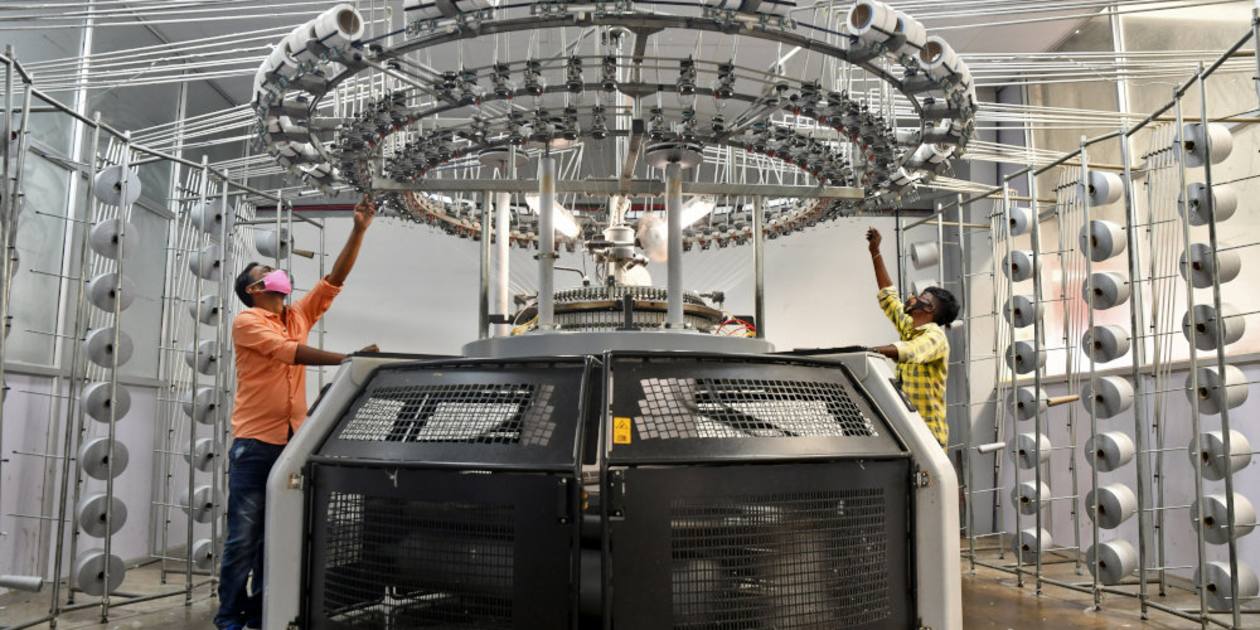
India's GDP grew by 8.4% in the October to December quarter, surpassing expectations due to strong performance in manufacturing and construction. The government also raised its GDP growth forecast for the year ending in March 2024 to 7.6%, up from the previous projection of 7.3%.
The United Auto Workers (UAW) strike against Detroit automakers is highlighting the issue of temporary workers, with the union demanding an end to tiered labor and automatic permanent status for temps after 90 days. Temporary workers are common in the manufacturing sector, comprising 1 in 10 workers on the factory line. While companies argue that temps provide flexibility and cost savings, research suggests that their use can decrease overall productivity and job performance of permanent employees. The UAW claims that temps currently earn half as much as permanent employees under the current contract.
Germany is facing a series of global challenges that are contributing to its economic contraction, including difficulties in the manufacturing sector, a disappointing boost from China's reopening, and higher energy costs, according to Goldman Sachs. The Bundesbank also projected that the German economy is likely to shrink this quarter due to slow private consumption and industry struggles. While there are some positive aspects, such as opportunities in Germany's small and mid-sized companies, Goldman Sachs predicts "fat and flat" returns for Germany's DAX index in line with the rest of Europe, with the risk of geopolitical tensions or trade restrictions hindering the German recovery.
Chinese Premier Li Qiang has called for better training and education to address the acute shortage of skilled blue-collar workers in China. The country aims to become a hi-tech power by the middle of the century, but estimates suggest that nearly 30 million manufacturing roles will go unfilled by 2025. The Ministry of Human Resources and Social Security has identified 100 jobs with severe labor shortages, with 41 of them in manufacturing. The government plans to set up pilot programs in various industries and encourages collaboration between occupational schools, companies, and research institutions to meet market needs.
Germany's industrial production continues to decline, deepening concerns about the country's economic outlook. The manufacturing sector, which is heavily reliant on global trade, has been particularly affected by the ongoing trade tensions and uncertainties. This latest data adds to the gloom surrounding Germany's economy, raising fears of a potential recession.
Singapore has narrowed its economic growth forecast for 2023 to a range of 0.5% and 1.5% due to weak external demand amid a sluggish global economy. The country's GDP for the April to June quarter grew 0.5% year-on-year, falling short of expectations. The manufacturing sector, particularly exports, has been hit hard, with a contraction of 7.3% in the April-June period. The government also highlighted downside risks in the global economy, including inflation, geopolitical tensions, and supply disruptions.
Job vacancies and layoffs declined in June, indicating a stable labor market. The number of job openings decreased to 9.58 million, the lowest level since April 2021, while layoffs nudged down to 1.53 million. The decline in both job openings and layoffs suggests a slowing demand for labor, aligning with the Federal Reserve's efforts to slow the economy and inflation. The manufacturing sector, however, reported declines in job openings and hires, indicating ongoing contraction. Economists are closely watching these indicators as they anticipate the release of the ADP private sector hiring report, weekly jobless claims, and the nonfarm payrolls report later in the week.
China's manufacturing sector contracted for the fourth consecutive month in July, according to the official Purchasing Managers' Index (PMI), while the non-manufacturing PMI also fell to its lowest level since December. In response, the Chinese government unveiled a series of measures to boost domestic consumption, including increasing consumer loans for car purchases, building more EV charging facilities, and supporting the consumption of wearable devices and smart products. However, analysts warn that more substantial policy support is needed to prevent the economy from slipping into a recession.
The S&P Global "flash" US service sector activity index fell to 54.1 in June, while the manufacturing sector index slid to 46.3, indicating contraction. New orders in the services sector increased at a strong rate, while manufacturers recorded the fastest rate of contraction in new orders since last December. Inflation was seen as moderating, and the overall rate of selling prices for goods and services dropped to the lowest level since late 2020. S&P Global predicts that the US economy is running close to a 2% growth rate in the second quarter.
The Biden administration's proposed air quality regulations to tighten restrictions on fine particulate matter could put nearly a million jobs at risk and threaten almost $200 billion in economic activity, according to a study commissioned by the National Association of Manufacturers. The study also found that the regulations would limit future expansion and investments within the manufacturing sector, potentially forcing companies to offshore operations and import more products. The EPA declined to comment on the projected economic impacts of the proposal.
Mortgage rates have decreased as investors reacted to economic data that showed contraction in the manufacturing sector. The Institute for Supply Management (ISM) publishes a monthly index for both the Manufacturing and Non-Manufacturing sectors. A weaker economy is always good for interest rates, but this report had the added benefit of showing lower prices at a time when the market is looking for evidence of calmer inflation. With that, the average mortgage lender was able to drop rates to levels just a hair higher than the lows from March 23-24.