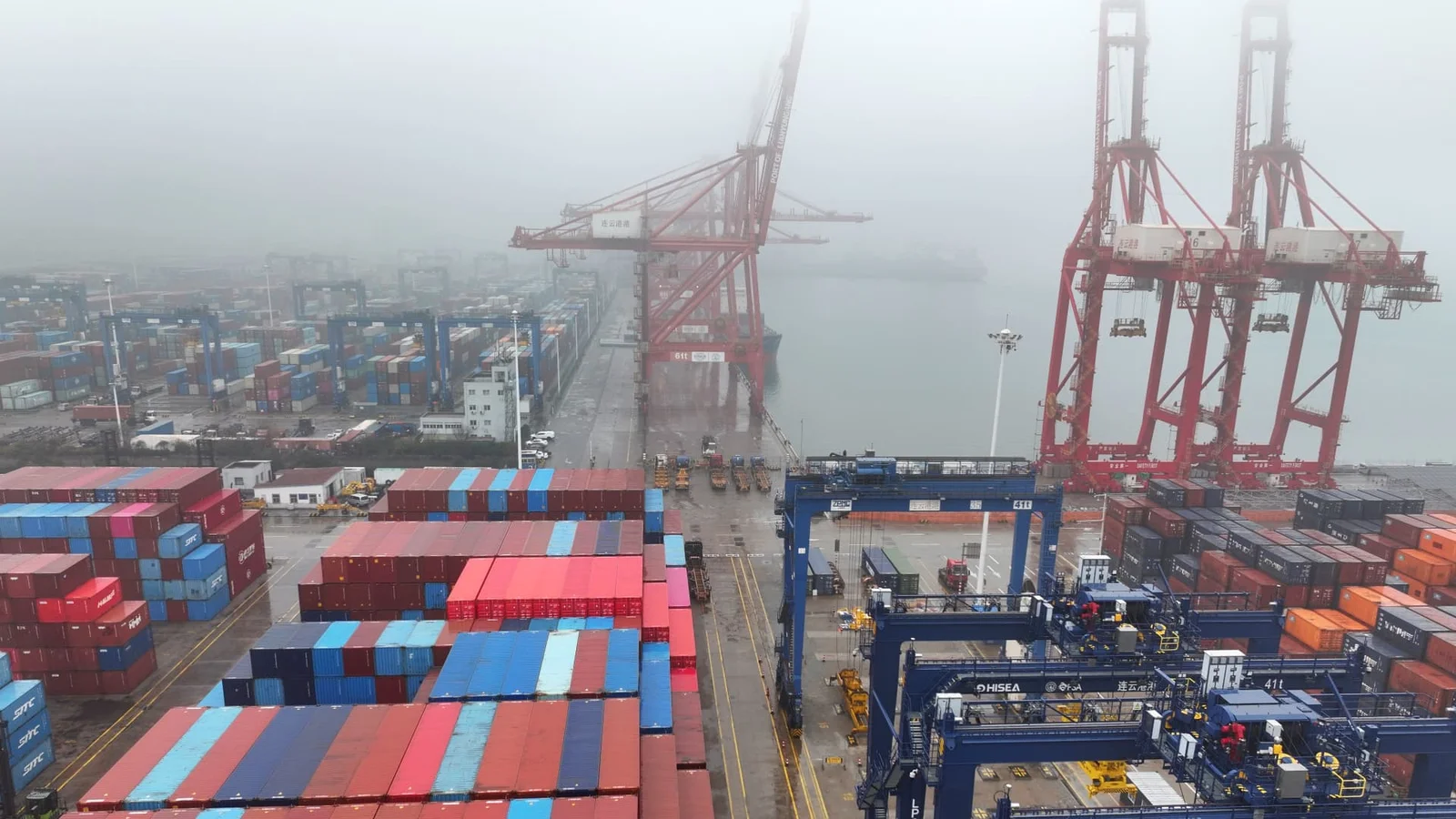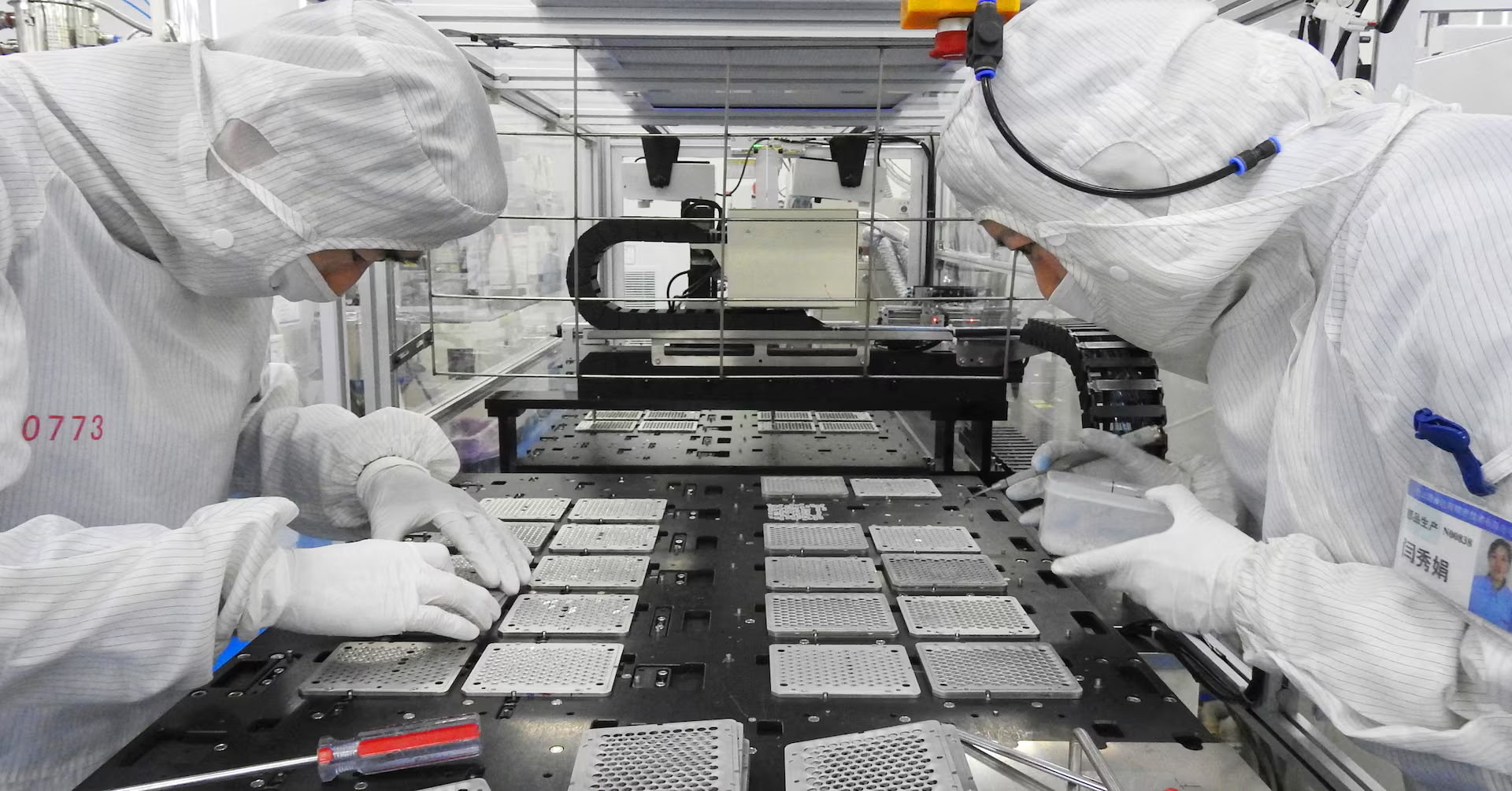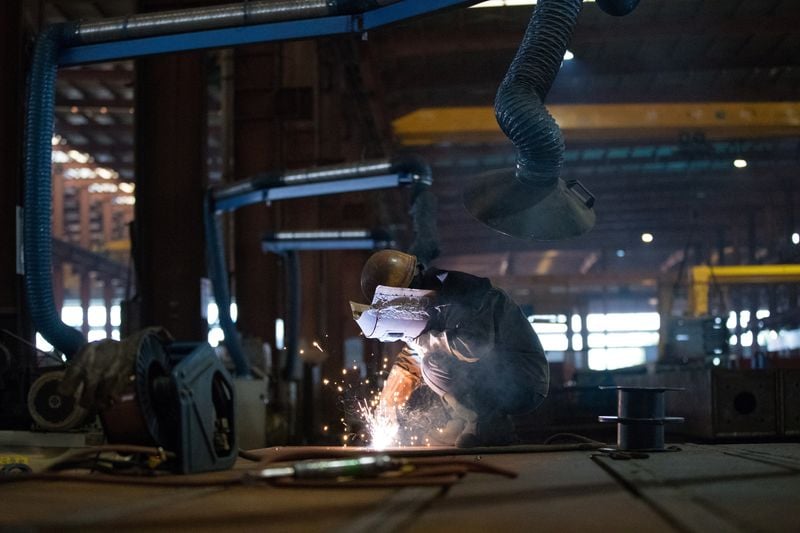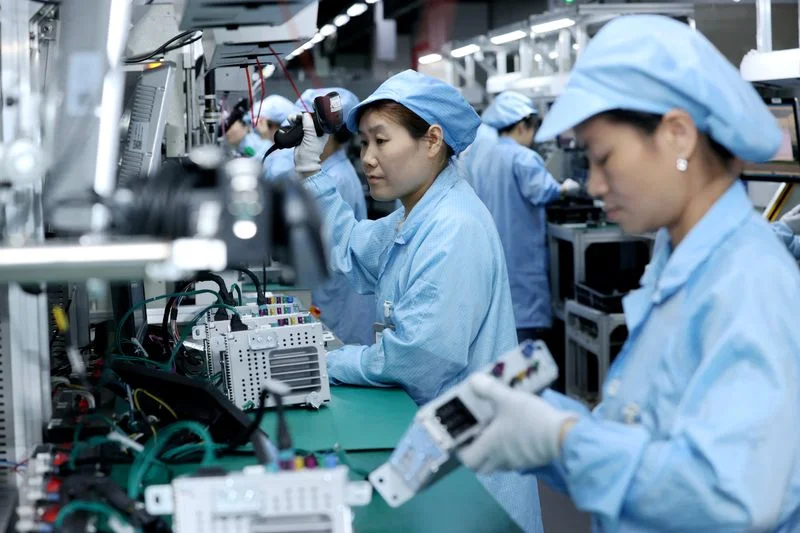
The December 2025 ISM Manufacturing PMI fell slightly to 47.9%, indicating continued contraction in the U.S. manufacturing sector for the 10th consecutive month, with mixed signals such as slower employment and inventories but some positive signs in new orders and export activity. Overall, the manufacturing economy remains weak, influenced by tariffs, geopolitical issues, and demand uncertainties.
China's services sector growth slowed to a six-month low in December, with new business and foreign demand declining, although business sentiment remains optimistic for 2026. Companies continue to cut staffing and face rising input costs, while lowering prices due to intense competition, amid ongoing economic challenges like property downturns and deflation.
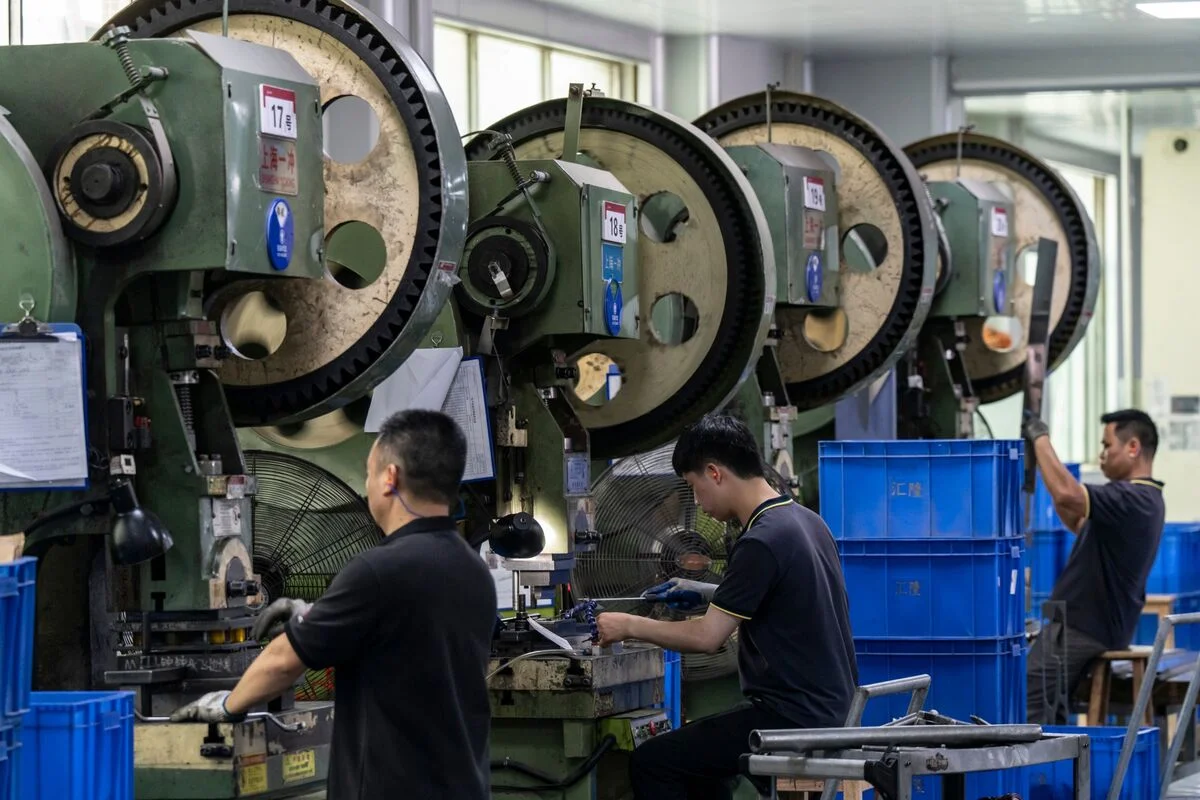
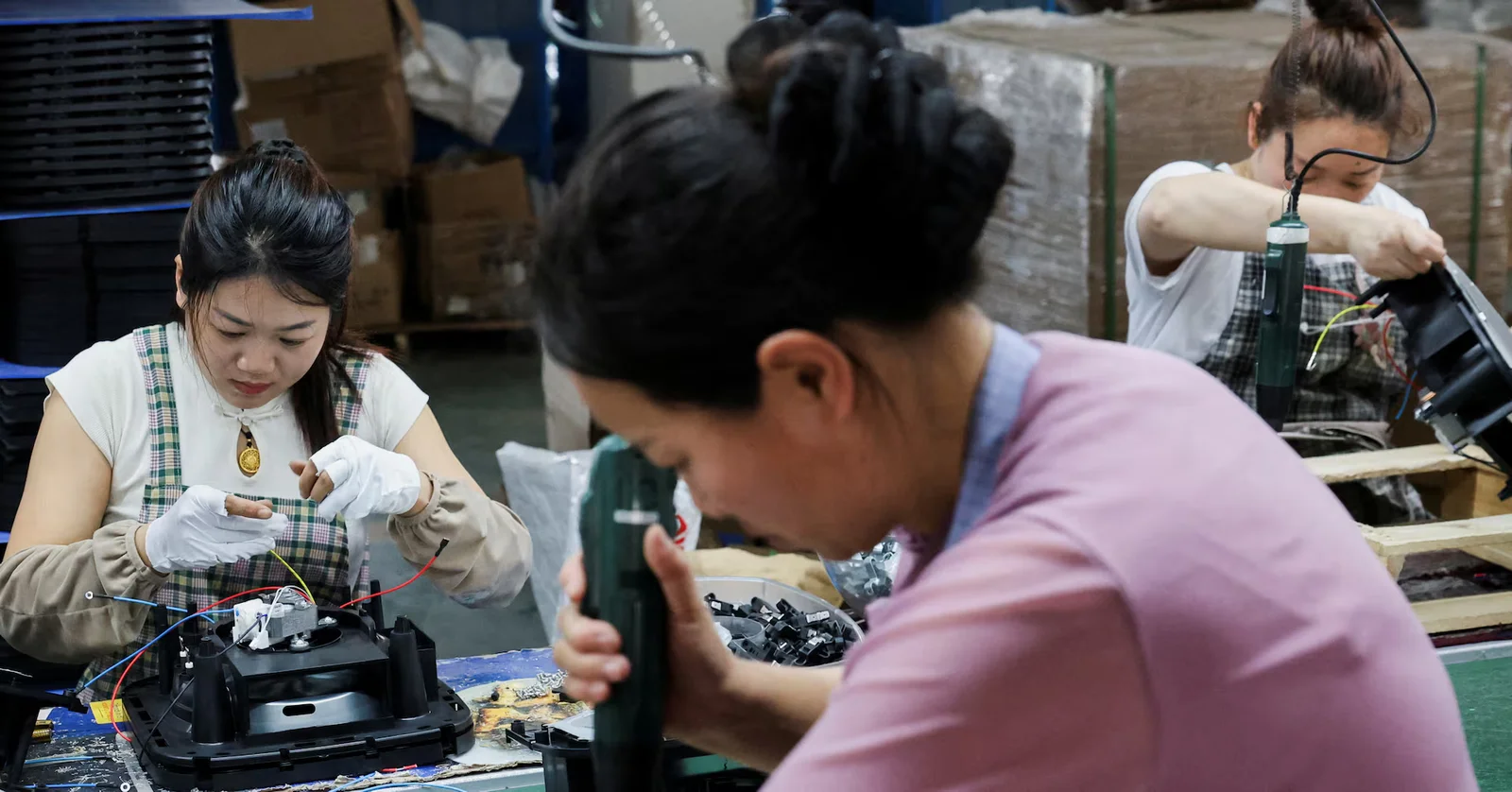
China's factory activity unexpectedly grew in December, ending an eight-month decline, driven by pre-holiday stockpiling and domestic demand, but overall economic challenges such as property downturn and weak exports persist, indicating a short-lived recovery rather than a sustained upturn.
China's manufacturing sector experienced its first expansion since March in December, with official PMI rising above expectations to 50.1, indicating a broader economic recovery supported by increased new orders and production, especially among large enterprises, despite ongoing challenges in smaller firms and the property sector.
China's services activity grew at its slowest rate in five months, signaling a fragile economic recovery amid sluggish consumer demand, weak housing prices, and a weak jobs market, with government efforts focusing on boosting sectors like travel and entertainment.
China's factory activity has contracted for the eighth consecutive month in November, with manufacturing PMI at 49.2 and services shrinking for the first time in nearly three years, reflecting ongoing economic challenges and the need for structural reforms amid a global slowdown and trade tensions.
The October 2025 ISM Manufacturing PMI report shows the U.S. manufacturing sector contracting for the eighth consecutive month with a PMI of 48.7%, driven by declines in production, new orders, and employment, amid ongoing economic uncertainty and supply chain disruptions.
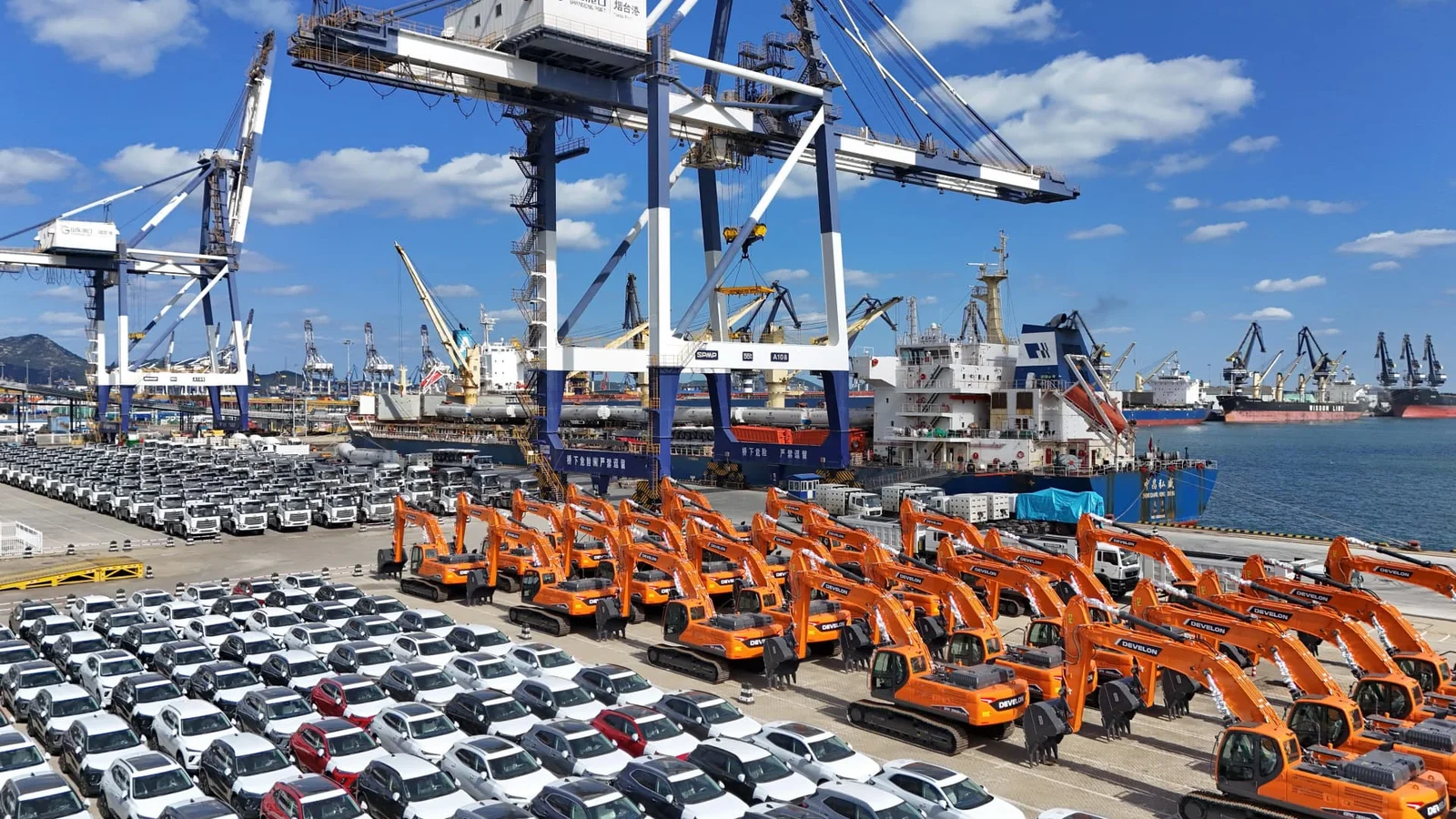
China's manufacturing activity in October grew less than expected, with the PMI slipping slightly and export orders dropping sharply due to trade uncertainties, though job creation accelerated. The slowdown reflects waning momentum as external trade tensions and holiday effects impact the economy, but recent US-China trade deal optimism may provide some relief.
China's factory activity experienced its longest decline in over nine years, with the official PMI dropping to 49 in October, driven by weak domestic demand and global uncertainties, prompting calls for increased policy support despite a recent US-China trade truce. The slowdown highlights ongoing challenges in the Chinese economy, including reduced exports and domestic consumption, amid geopolitical tensions and internal policy measures.
China's manufacturing PMI fell to a six-month low of 49.0 in October, indicating contraction due to declining export orders amid ongoing trade tensions, while the non-manufacturing sector showed slight growth. The slowdown raises concerns about the sustainability of China's economic recovery and the need for additional stimulus to meet growth targets.
China's manufacturing activity in October declined more than expected, reaching a six-month low due to trade tensions with the US, holiday effects, and complex international factors, while the overall economy shows signs of slowdown despite a recent trade truce.
The September 2025 ISM Manufacturing PMI indicates the U.S. manufacturing sector contracted for the seventh consecutive month with a PMI of 49.1, showing slight improvement but still reflecting overall economic slowdown, driven by declines in new orders, inventories, and exports amid ongoing tariffs and economic uncertainties.
China's official manufacturing PMI for September showed a smaller contraction than expected at 49.8, the strongest since March, amid efforts to address industrial overcapacity and sluggish domestic demand, while private surveys indicate a more optimistic outlook. The overall economic activity remains in contraction territory, with upcoming Politburo meetings expected to influence future policy responses.
China's manufacturing activity declined for the sixth consecutive month in September, with official PMI slightly improving but still indicating contraction, as firms await further government stimulus and clarity on a US trade deal. Meanwhile, private surveys show some export-oriented growth, reflecting mixed economic signals amid ongoing uncertainties and policy support efforts.
The ISM® PMI® Reports are monthly economic indicators that provide reliable insights into the manufacturing, services, and hospital sectors, guiding supply chain professionals, economists, and policymakers. The reports are released on the first, third, and fifth business days of each month, with seasonal adjustments made annually to improve accuracy. ISM also offers forecasts and strategic tips for leveraging PMI data in decision-making.