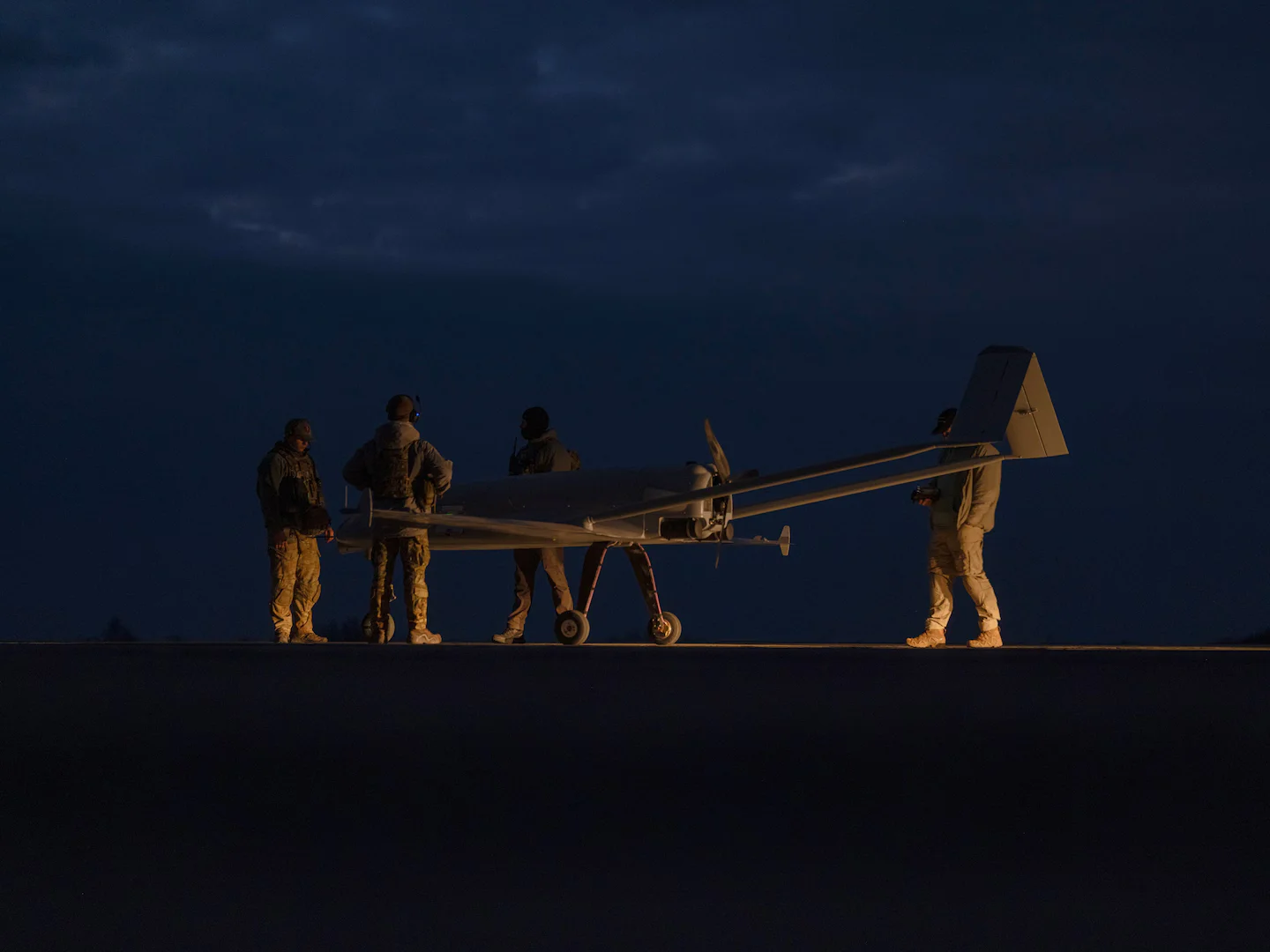
Kyiv urgently needs its advanced drones for military use, but manufacturers are hesitant to export due to the potential revenue that could help expand production, highlighting a tension between national security and economic interests.
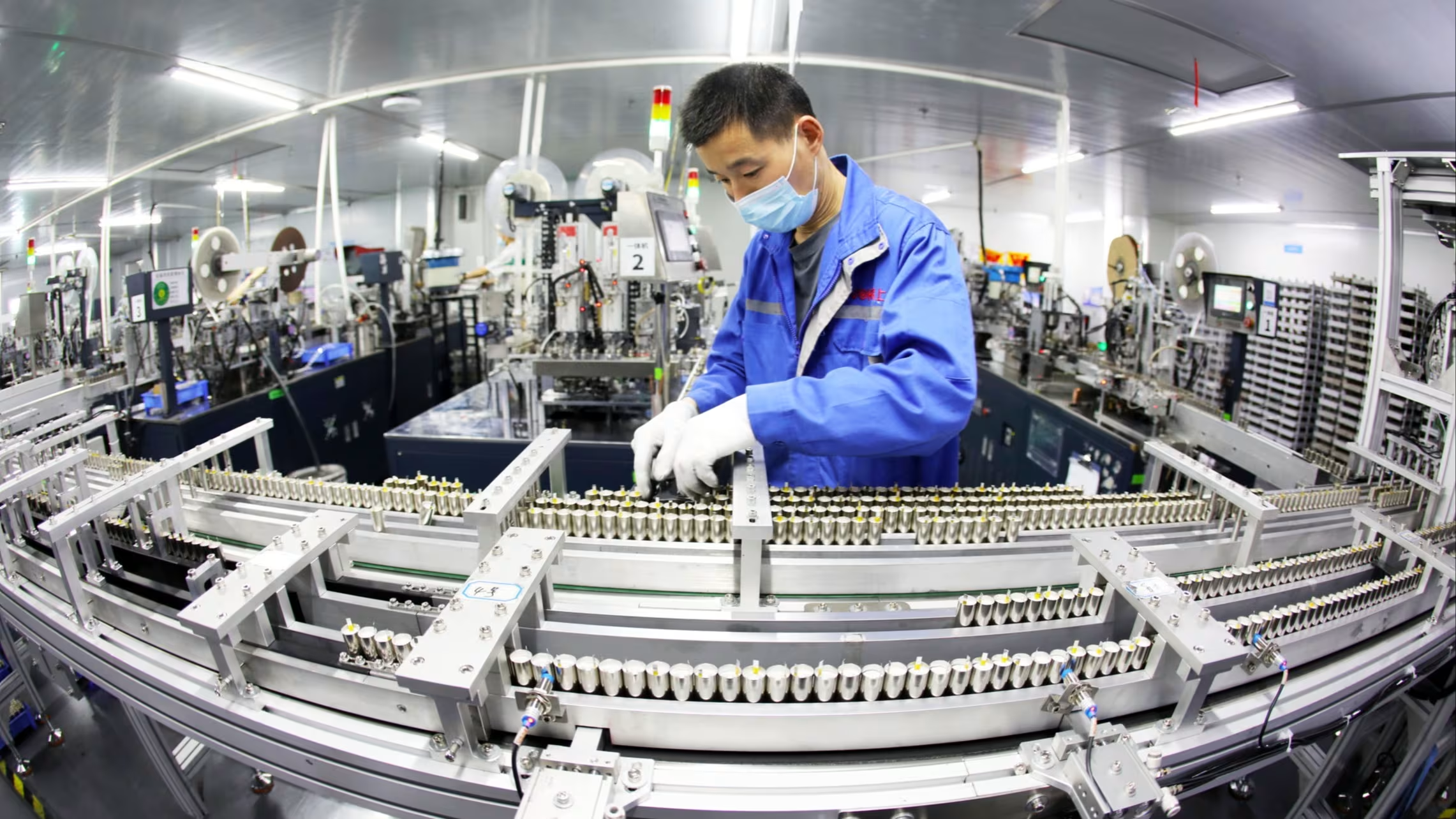
China has criticized manufacturers over a price war amid growing fears of deflation, highlighting concerns about the impact on the economy and the need for regulatory oversight.
Stellantis announced that Ram will return to NASCAR's Truck Series in 2024, marking the brand's first participation since 2016 and potentially paving the way for Dodge's return to NASCAR's Cup Series. Ram's comeback is part of a broader effort to increase manufacturer involvement in NASCAR, which has been seeking additional OEMs to boost the sport's profile and competitiveness. The company plans multiple entries and is exploring its path to the Cup Series, emphasizing a unique approach to its return.
NASCAR will feature four manufacturers in the Truck Series starting in 2026 with Ram entering, marking the first new OEM since Toyota over 20 years ago, and aiming to energize the series and attract more OEM participation.
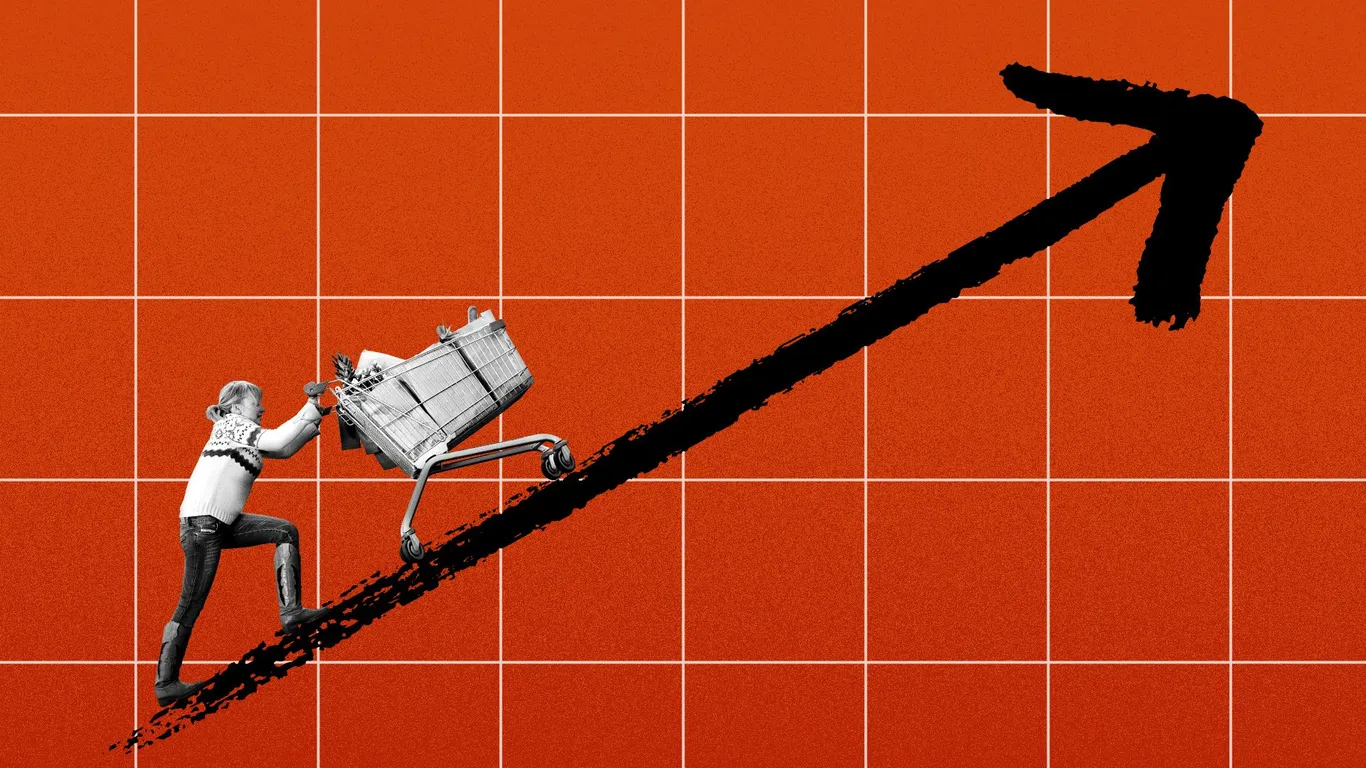
Businesses are raising prices on unaffected goods after tariffs, using the tariffs as an excuse to increase profits amid economic uncertainty, with regional surveys indicating this trend is nationwide.
Several major brands including Walmart, Ralph Lauren, Mattel, and automotive companies are planning or have announced price increases due to tariffs imposed during Trump's trade policies, with concerns about ongoing supply chain disruptions and inflationary pressures affecting consumers.
NASCAR will introduce a rule in 2025 allowing penalties for manufacturers involved in race manipulation, following incidents at Martinsville Speedway where teams allegedly helped manufacturer teammates advance in the Championship 4. Although current rules don't permit penalizing manufacturers, NASCAR plans to enforce stricter measures to maintain the sport's integrity. The decision follows controversial actions by Chevrolet and Toyota drivers, leading to a review and penalties for some teams.
The US government is set to ban visas for individuals involved in the abuse of spyware and the manufacturers who sell to them, in an effort to crack down on the misuse of surveillance technology. This move reflects growing concerns about the use of spyware for malicious purposes and aims to hold both the abusers and the manufacturers accountable for their actions.
The U.S. Cybersecurity and Infrastructure Security Agency (CISA) is urging manufacturers to eliminate default passwords on internet-exposed systems due to the severe risks they pose. Iranian threat actors have been exploiting operational technology devices with default passwords to gain access to critical infrastructure systems in the U.S. Default passwords make systems easy targets for adversaries, who can gain root or administrative privileges. Manufacturers are advised to follow secure by design principles, provide unique setup passwords, disable default passwords after a preset time period, and require multi-factor authentication. The disclosure comes amidst ongoing cyber attacks targeting critical infrastructure, and CISA has released a new advisory outlining security countermeasures for healthcare and critical infrastructure entities. The U.S. National Security Agency (NSA), Office of the Director of National Intelligence (ODNI), and CISA have also published recommended practices to improve the safety of open-source software management processes.
The latest Tankan survey in Japan reveals that confidence among manufacturers is on the rise, indicating a positive outlook for the country's economy. This survey provides valuable insights into market trends and suggests potential opportunities for businesses.
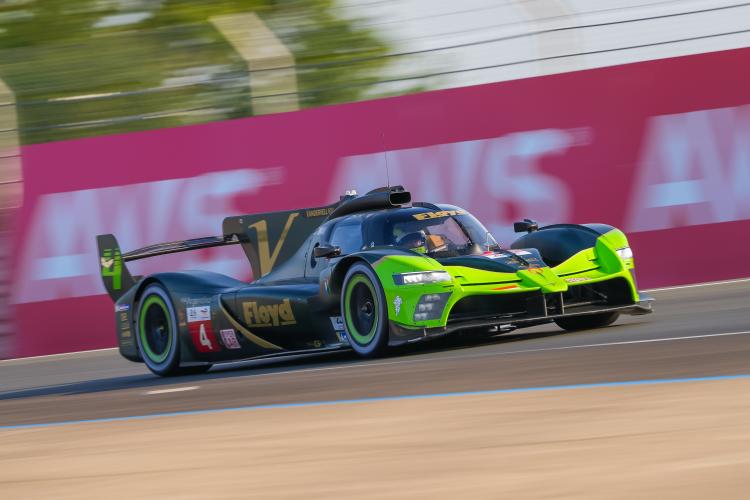
The Hypercar class is the top category at the 2023 24 Hours of Le Mans, with 16 cars from seven manufacturers competing for the overall win. These cars are capable of speeds over 330 kph on the famous Mulsanne Straight. The drivers in this class are either experienced or rising talents, all aiming for the top step on the overall podium. Each Hypercar has a unique race number, carefully chosen by the team for various reasons.
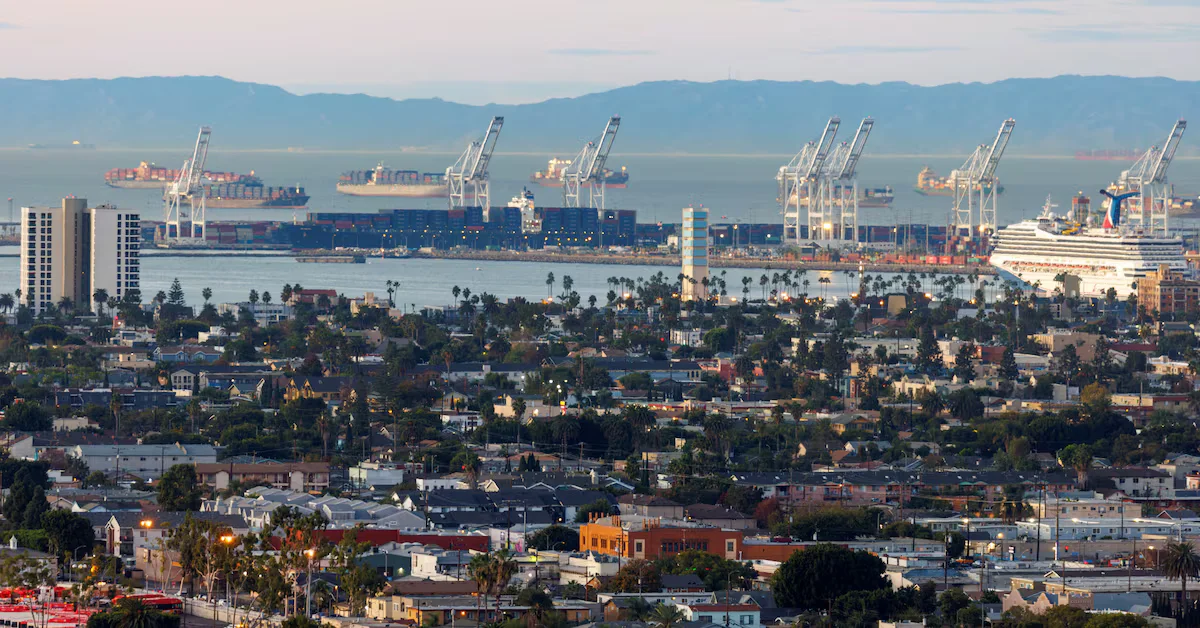
Retailers and manufacturers are urging the White House to intervene in the West Coast port labor negotiations, citing concerns about shipping disruptions during critical holiday shopping seasons. More than 22,000 dockworkers at ports stretching from California to Washington state have been working without a contract since July. The call came after the largest terminal at Southern California's Port of Long Beach closed for the day shift Monday as dock workers rally for better pay.
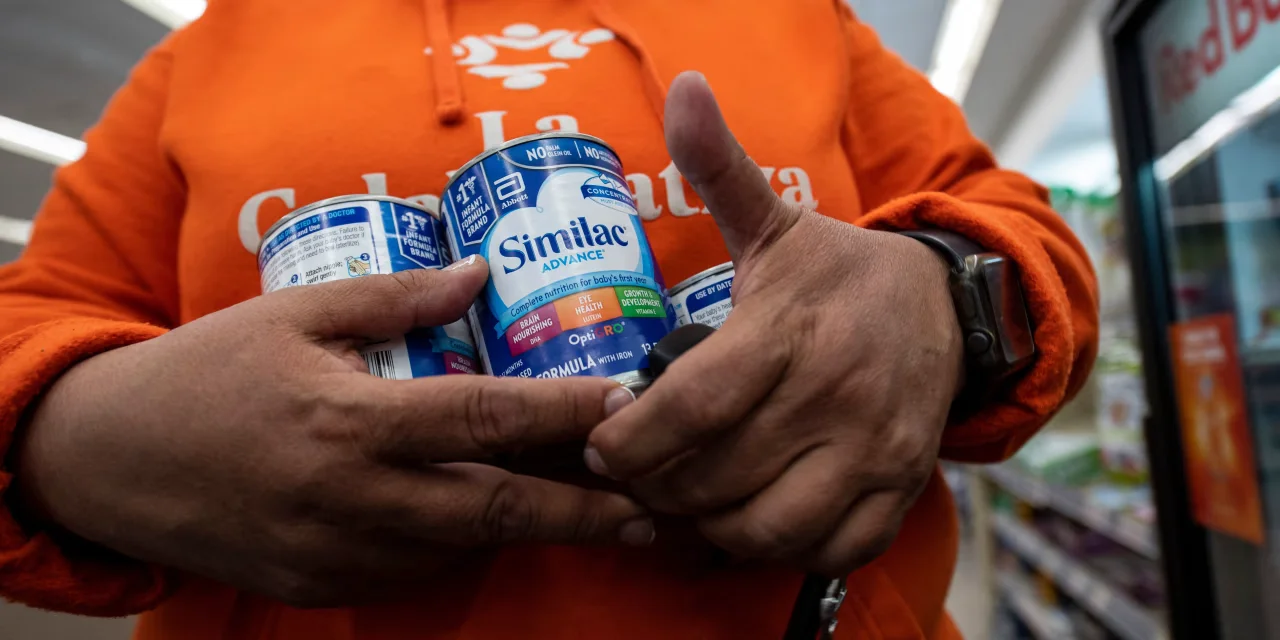
The Federal Trade Commission (FTC) is investigating major baby-formula manufacturers for possible collusion and anti-competitive practices. The investigation is focused on whether the companies coordinated to raise prices and limit competition in the market.
Colorado has become the first state to pass a "right to repair" law for farmers, which requires manufacturers to provide manuals, tools, parts, and software to farmers to fix their own equipment. The law was signed by Governor Jared Polis and has been introduced in at least 10 other states. Manufacturers and dealerships have raised concerns about operator safety and the environment, but proponents argue that farmers are already able to tinker with their machines and doing so would remain illegal. The law falls into the broader "right to repair" campaign, which has picked up steam across the country.
The US Treasury has released new regulations for the EV tax credit, which will become a point-of-sale rebate from January 1, 2022. Until then, customers have until April 18 to get the full credit, provided the car they are buying or leasing has its final place of assembly in North America and the sales price is $55,000 or less for sedans and wagons or $80,000 or less for SUVs and light trucks. The new regulations are confusing and have left everyone unhappy, including manufacturers and customers. The purpose of the federal tax credit is to encourage manufacturers to build electric cars in North America using batteries that are manufactured using materials and components from approved countries.