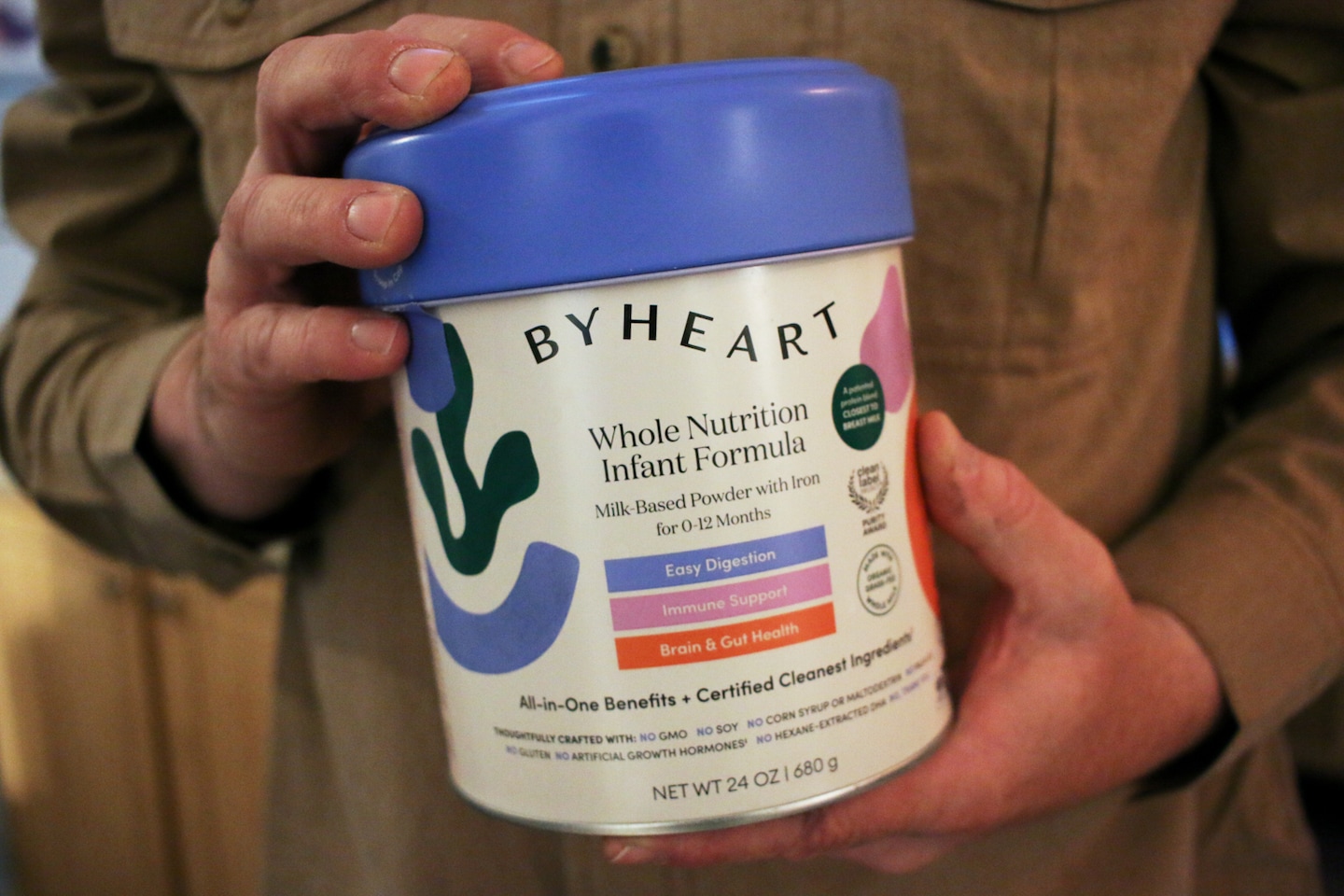
The FDA has issued warning letters to Target, Walmart, Kroger, and Albertsons for selling baby formula that was recalled due to its link to an ongoing infant botulism outbreak, with some stores still stocking the contaminated products.
The FDA criticized major retailers Walmart, Target, Kroger, and Albertsons for failing to promptly remove ByHeart baby formula from shelves after a recall due to a botulism outbreak that has sickened over 50 infants, highlighting delays and inadequate response in the supply chain.
The FDA issued warning letters to Walmart, Target, Kroger, and Albertsons for selling recalled baby formula linked to an outbreak of infant botulism, despite being notified of the recall, with the agency demanding explanations and warning of potential legal action.
Federal health officials are investigating a multistate outbreak of infant botulism linked to ByHeart baby formula, leading to a recall of two batches and hospitalization of 13 infants across 10 states, with no deaths reported.
A recall of ByHeart organic baby formula has been issued after a 10-state outbreak of infant botulism, with 13 hospitalizations reported. The FDA is investigating potential contamination, and parents are advised to monitor their children closely. The company and health officials are working to identify the source of contamination, but no direct link has been confirmed yet.
Laura Modi's organic baby formula brand Bobbie faced backlash after collaborating with RFK Jr. on updating infant nutrition guidelines, sparking debate among fans about her willingness to work with the Trump administration, despite her brand's science-based and organic focus.
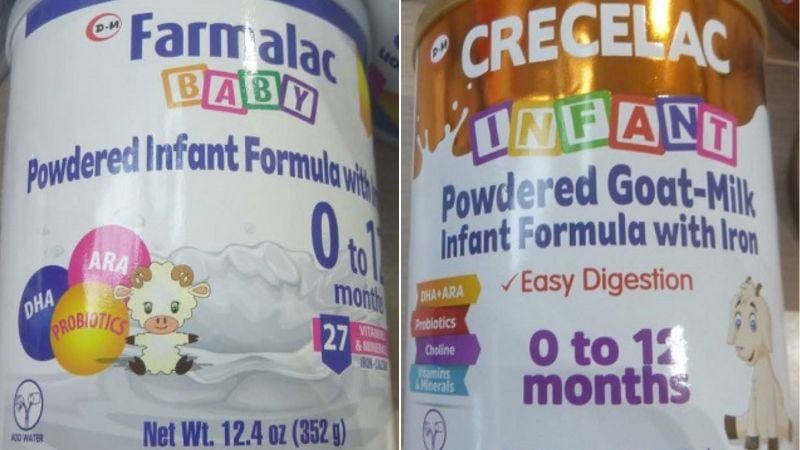
The FDA has issued a warning about certain baby formulas from Dairy Manufacturers Inc. that may be contaminated with Cronobacter bacteria, which can cause serious infections in infants. The recall includes Crecelac and Farmalac infant formulas sold in Texas and possibly other locations. No illnesses have been reported, but parents are advised not to use these products and to seek alternatives.
The FDA has announced multiple recalls of baby formula products due to concerns over safety standards, nutritional value, and potential contamination with cronobacter sakazakii. Affected brands include Crecelac, Farmalac, Mt. Capra, Sammy's Milk, Nutramigen, Gerber Good Start, and Enfamil ProSobee. Consumers are advised to check product details and return or destroy the recalled items.
The war between Israel and Gaza’s Hamas rulers has led to a humanitarian catastrophe in the Gaza Strip, causing severe shortages of baby formula and diapers. Parents are resorting to inadequate or unsafe alternatives, such as feeding infants solid foods, due to the lack of essential supplies. The situation is further exacerbated by skyrocketing prices, limited aid deliveries, and poor sanitary conditions, putting infants and young children at high risk of malnutrition and preventable death. The United Nations' children's agency UNICEF has highlighted the urgent need for more aid to address the colossal needs of children in Gaza.
The ongoing conflict between Israel and Gaza's Hamas rulers has led to a humanitarian crisis in the besieged Gaza Strip, with severe shortages of baby formula and diapers. Parents are resorting to feeding their infants solid foods that may be harmful, while others are using inadequate or unsafe alternatives due to unaffordable prices and scarcity. The lack of basic necessities, compounded by restricted aid deliveries and dire living conditions, has left displaced Palestinians, especially children, vulnerable to illness and malnutrition, with the UN warning of an imminent risk of famine.
Senator Bob Casey has raised concerns and questions to Reckitt/Mead Johnson Nutrition after the recall of over 675,000 cans of Nutramigen infant powder formula due to possible contamination. This marks the second recall by Reckitt in less than a year. The recall has sparked worries about potential shortages, particularly for low-income families reliant on WIC. The FDA is currently inspecting Reckitt's Michigan plant, and the agency is in the process of overhauling its food safety division to enhance oversight and regulation of infant formula. The recall has reignited concerns about the ongoing formula shortage and its impact on caregivers and low-income families.
A new report by the American Academy of Pediatrics states that "toddler milk," marketed as next stage baby formulas, is unnecessary and not nutritionally complete. These powdered drink mixes, targeted towards babies and kids aged six months to three years, often make claims about improving brain or immune function. The report calls for clearer labeling and advertising practices, as toddler milk is often confused with infant formula. The World Health Organization has previously deemed follow-up formulas like toddler milk as unnecessary and unsuitable for babies six months and older. Despite this, toddler milk sales have increased significantly in recent years.
The UK heavily regulates the marketing and sale of baby formula, with the rationale being that it may discourage mothers from breastfeeding. However, the evidence for the particular benefits of breastfeeding is weak, and heavy regulations on baby formula may discourage innovation. The regulations also increase the sense of guilt and shame for mothers who cannot breastfeed. The UK's laws on infant formula were written by the EU, and it is time to reconsider whether they are necessary for a product where the evidence for harms is limited.
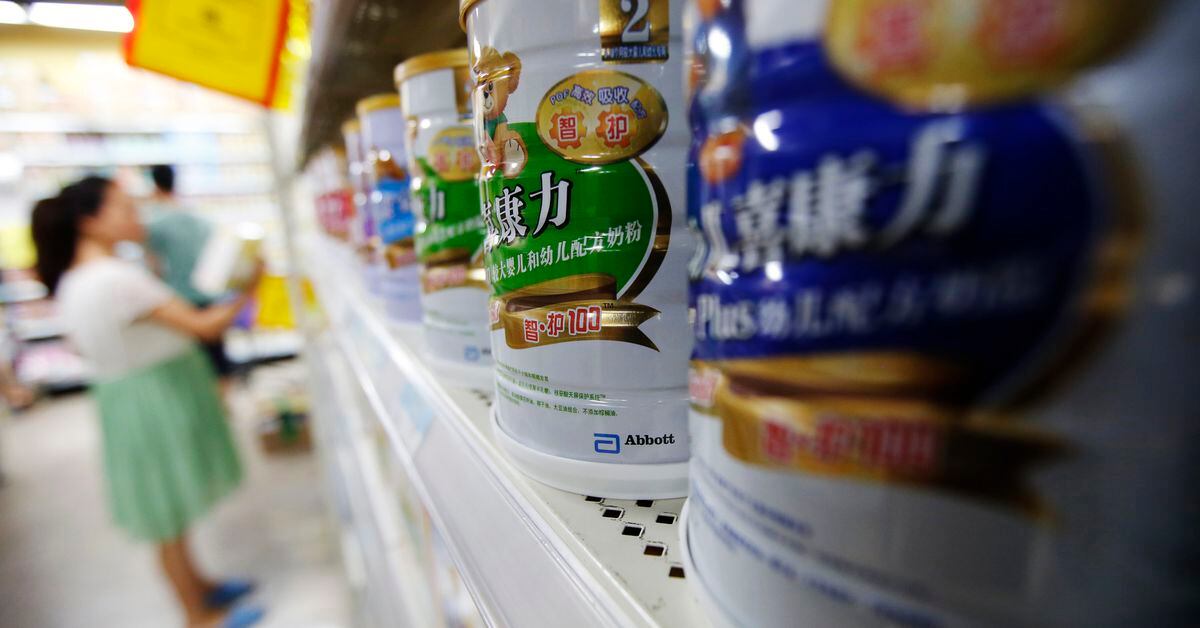
The US Federal Trade Commission (FTC) is investigating whether Abbott Laboratories and other baby formula makers colluded in bidding on state contracts, specifically for the US Department of Agriculture's Women, Infants and Children (WIC) program. The FTC is looking into whether the companies "engaged in collusion or coordination with any other market participant regarding the bidding." The antitrust agency also requested information about the company's formula sales outside of the program. Abbott said it was cooperating with the FTC's information requests and was unaware of any factual basis to support the WIC-related investigation.
The Federal Trade Commission is investigating whether baby-formula makers, including Abbott Laboratories, engaged in collusion while bidding on government contracts. More than half of infant-formula sales are made through an Agriculture Department program that provides free formula to low-income families. The FTC is looking into whether participants in the baby-formula market were in coordination during the bidding process to maintain control of markets in states where they remained dominant. Four formula producers — Abbott, Reckitt, Nestlé and Perrigo — control 90 percent of the formula market.