Memory chip stocks, led by Samsung, SK Hynix, and Micron, surged in 2024 due to strong AI-related demand and supply constraints, especially in DRAM, leading to expected price increases and positive earnings outlooks for these companies and their supply chain partners like ASML.
Drugmakers plan to raise prices on at least 350 medicines in the U.S., including vaccines and cancer treatments, despite pressure from the Trump administration to lower costs, with some drugs also seeing significant price cuts. The increases are part of ongoing strategies to maximize profits amid regulatory and political scrutiny, while some companies adjust prices to keep pace with inflation and support innovation.
Drugmakers plan to raise prices on at least 350 medicines in the US for 2026, including vaccines and cancer treatments, despite pressure from the Trump administration to lower costs. While some drugs will see price cuts, overall prices are increasing, with companies like Pfizer and GSK citing the need to support innovation and cover costs. These hikes occur even as the US continues to pay significantly more for prescription drugs compared to other developed nations.
In November 2025, Xbox U.S. console unit sales hit an all-time November low with a 70% year-over-year decline, driven by high prices, economic challenges, and market shifts, while other consoles also experienced declines. Despite plans for future Xbox hardware, current sales struggles highlight broader industry and economic issues impacting gaming hardware sales.
US video game console sales in November dropped 27% to the lowest level in two decades, with consumers spending $695 million, amid rising prices due to tariffs, component costs, and supply chain issues. Nintendo's Switch 2 lost its sales lead to Sony's PS5, while console prices hit a record average of $439. Despite challenges, Nintendo's new games performed well, and the industry faces ongoing cost pressures from AI-driven memory shortages.
Millions of Floridians face significant Obamacare premium increases due to the expiration of enhanced subsidies, leading to potential coverage loss and increased financial strain, amid ongoing political debates over extending these subsidies and healthcare reform.
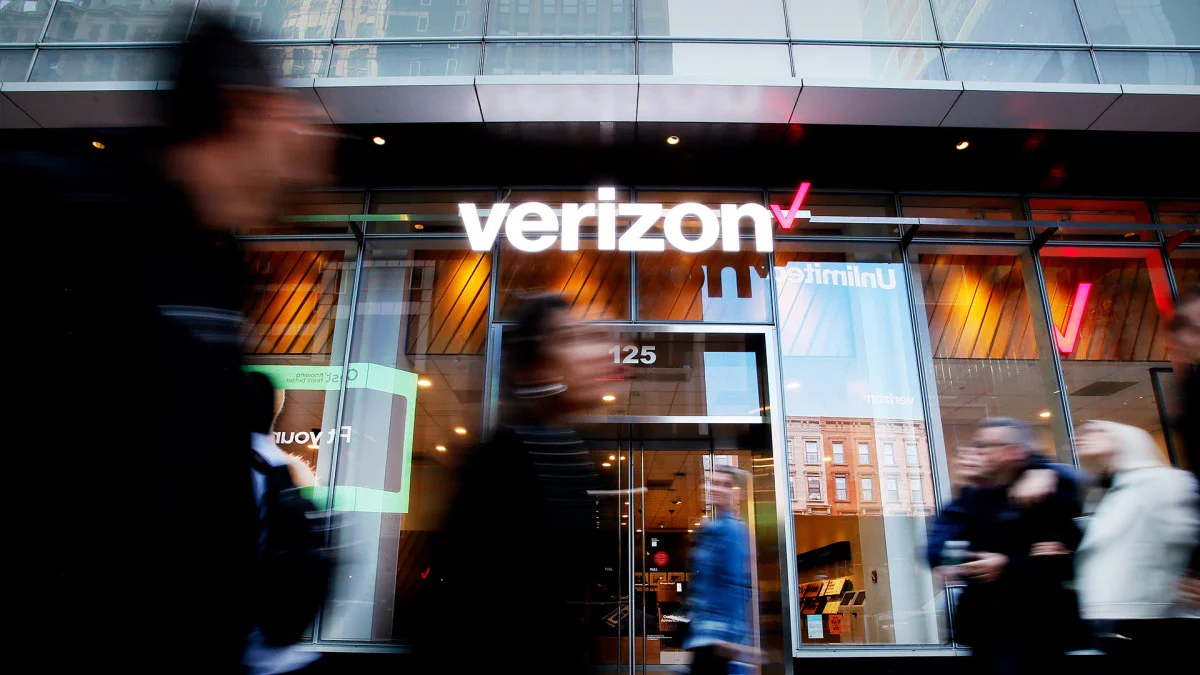
Verizon is experiencing significant customer loss due to recent price hikes and declining customer satisfaction, prompting new leadership to focus on improving customer loyalty, reducing churn, and leveraging AI for better service, amid intense industry competition and economic pressures.
Verizon is experiencing significant customer loss due to recent price hikes and declining customer satisfaction, prompting new CEO Dan Schulman to focus on transforming the company's culture, improving customer experience, and leveraging AI for innovation to regain loyalty and competitiveness in a challenging telecom market.
Microsoft's push for a 30% profit margin has led to increased prices, layoffs, and studio closures in the Xbox division, significantly higher than industry averages, driven by internal targets set by CFO Amy Hood to boost profitability.
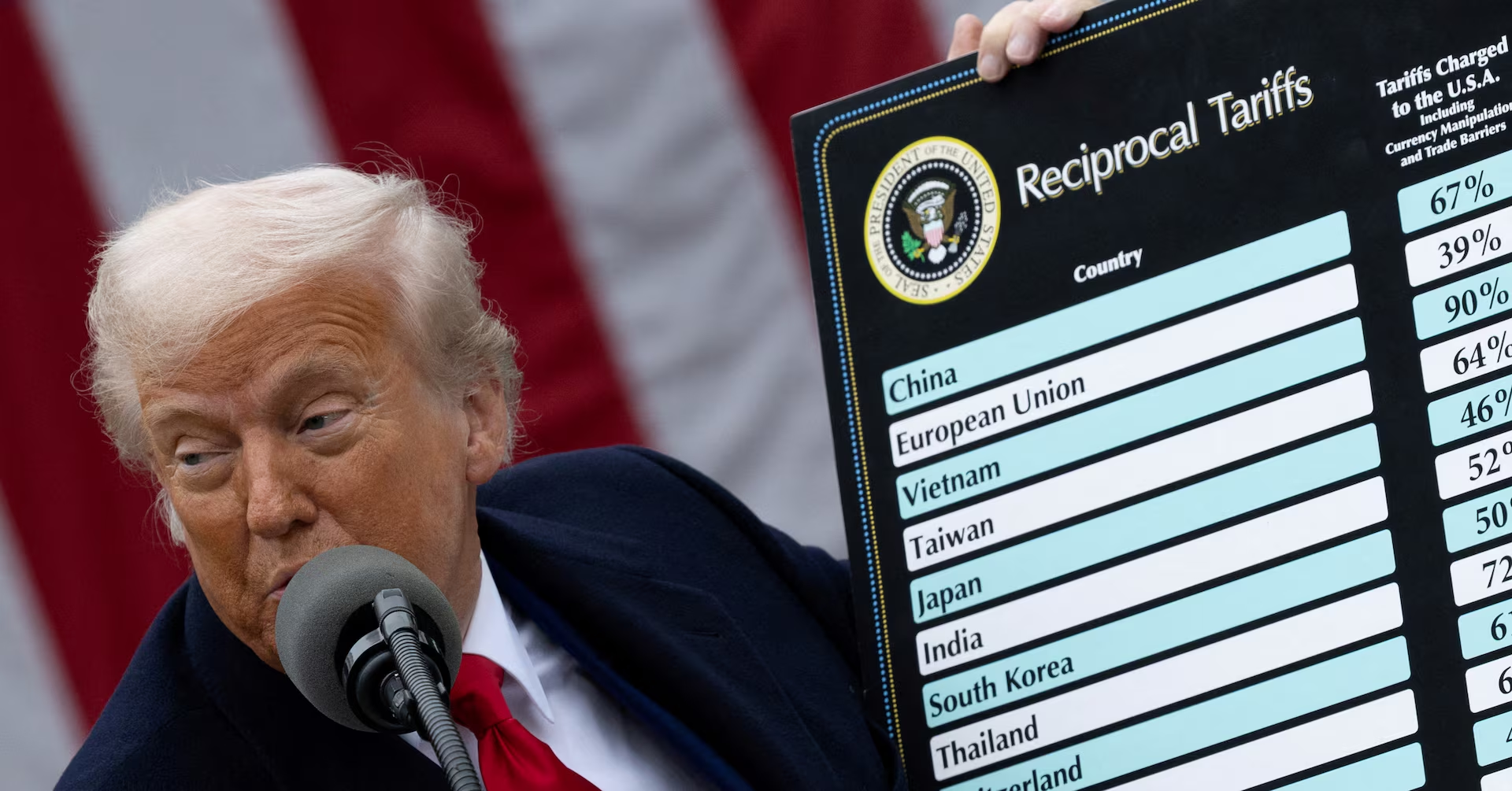
Global companies face over $35 billion in costs from US tariffs, but recent trade deals and negotiations are reducing uncertainty and forecasted impacts, with some companies lowering their initial estimates and preparing for price adjustments amid ongoing trade tensions.
Xbox Game Pass in the US is increasing prices by up to 50%, prompting users to reconsider their subscription tiers and whether the service is still worth it, especially with new features and the broader trend of a subscription-based economy in gaming.
Gold prices have surged to record highs due to global economic uncertainty, recession fears, and expectations of U.S. rate cuts, causing concern among jewelry companies about rising costs and potential impacts on sales, prompting some to innovate with pricing and product strategies.
The cost of buying new game consoles has been steadily increasing, with recent price hikes from Microsoft, Sony, and Nintendo making launch purchases more expensive than ever, which is unusual as historically consoles tend to decrease in price over time.
Tariffs implemented in 2025 are now contributing to rising inflation, with consumer prices increasing notably for imported goods such as coffee, electronics, and furniture, leading to financial strain on households and prompting some companies to pass costs onto consumers.
Major retailers like Walmart and Target have reported their earnings, revealing that while tariffs have increased costs, the impact on consumer prices has been moderate, with companies adjusting strategies to manage tariff-driven expenses. Walmart expects ongoing cost increases, Target is negotiating to avoid passing tariffs to consumers, and Home Depot plans modest price hikes, indicating a cautious approach to tariff effects amid a resilient retail environment.