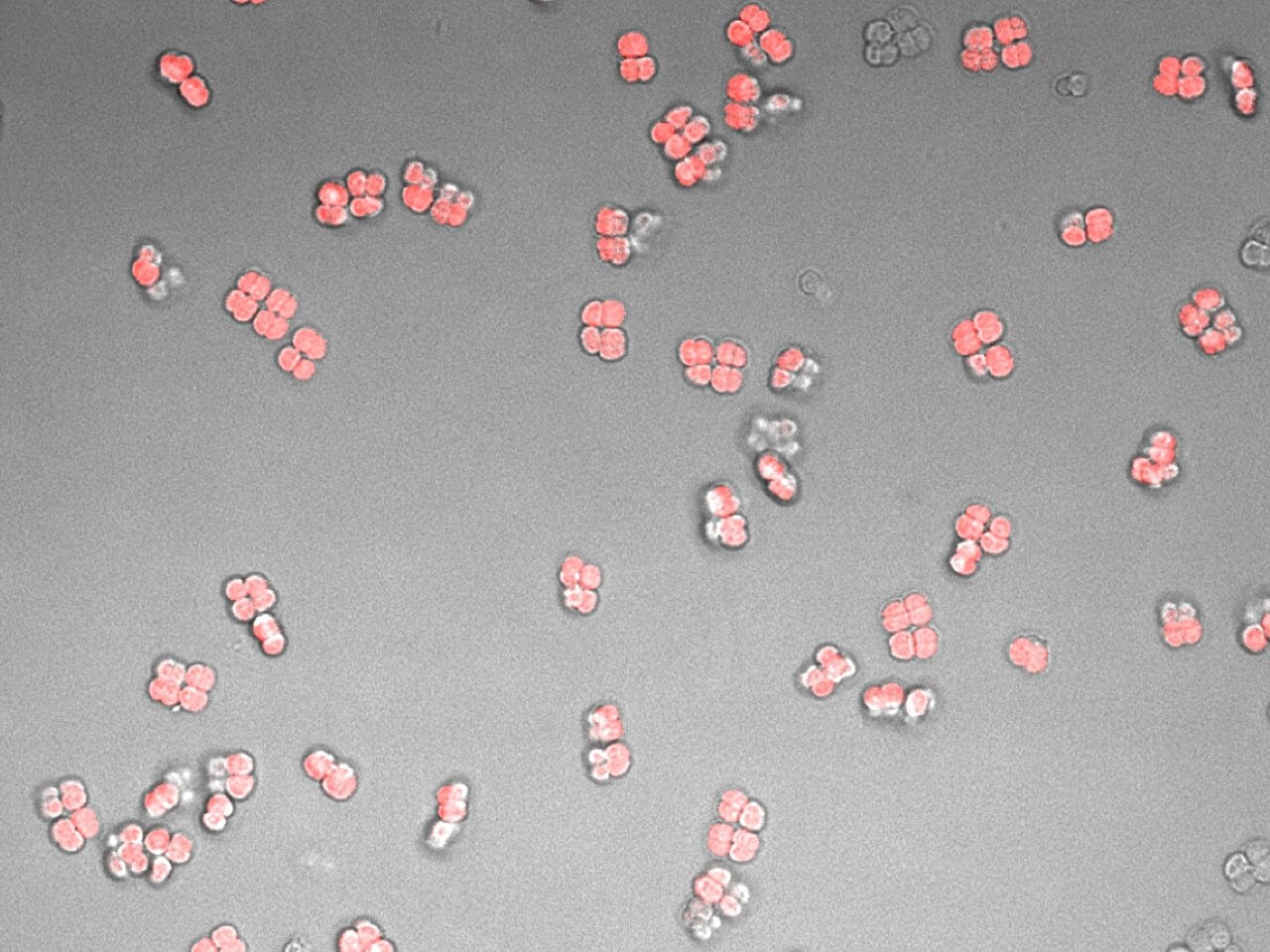
Scientists have engineered a bacterium to encode and recite poetry by embedding a poem into its DNA, which also causes the bacterium to glow red when activated. This innovation aims to preserve cultural messages across geological timescales and has potential applications in long-term data storage and synthetic biology.
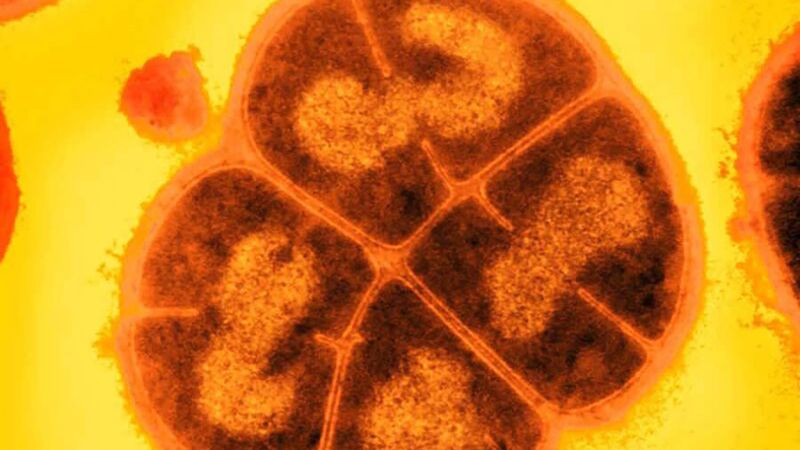
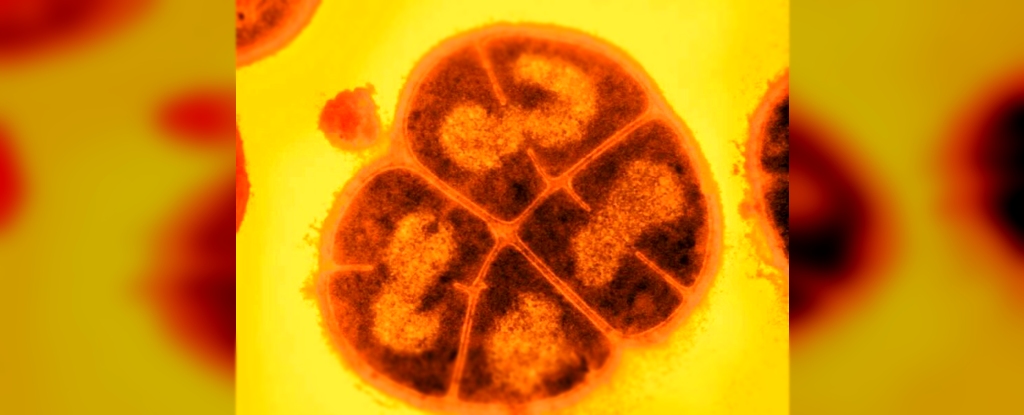
Scientists have discovered that the bacterium Deinococcus radiodurans, known for its extreme radiation resistance, owes its resilience to a powerful antioxidant composed of manganese, phosphate, and a peptide. This discovery could lead to the development of radioprotective measures for astronauts and applications on Earth. The study highlights the potential of using this antioxidant to protect against cosmic radiation during deep-space missions and radiation exposure on Earth.
Researchers have uncovered the secret behind the radiation resistance of the microbe Deinococcus radiodurans, known as 'Conan the Bacterium.' The microbe's resilience is attributed to a potent mix of antioxidants, particularly a manganese-phosphate-peptide complex, which effectively neutralizes harmful oxygen radicals. This discovery could lead to the development of advanced radioprotectants for various applications, including healthcare and space exploration.