Tag

Machinelearning

All articles tagged with #machinelearning

technology1 year ago

Exploring Non-Verbal Reasoning in Language Models

Researchers have developed the COCONUT model, which uses 'latent thoughts' to perform logical reasoning without relying on natural language for each step. This approach allows for simultaneous processing of multiple potential reasoning paths, akin to a breadth-first search, and helps avoid dead-end inferences common in traditional models. While COCONUT didn't outperform existing models on straightforward reasoning tests, it excelled in complex logical conditions, suggesting potential for broader generalization in reasoning tasks.

technology1 year ago

Top Machine Learning and Engineering Interview Prep Courses for 2024

The article discusses the essential machine learning knowledge and skills expected from data scientists during interviews. It aims to provide a comprehensive guide for candidates preparing for data science interviews or looking to refresh their understanding of key topics. The author emphasizes the importance of having a solid grasp of machine learning concepts and offers resources, including tables, to aid in preparation.

technology1 year ago

The Race to Human-Like AI: OpenAI, DeepSeek, and the Future of Intelligence

An OpenAI employee, Vahid Kazemi, claims the company has achieved artificial general intelligence (AGI) with its o1 model, though he acknowledges it is not superior to humans in all tasks. Kazemi argues that the model's ability to perform a wide range of tasks surpasses most humans, despite not excelling in specific areas. His comments come amid OpenAI's removal of 'AGI' from its Microsoft deal, raising questions about the business implications of such claims.

cybersecurity1 year ago

New Vulnerabilities Found in Open-Source Machine Learning Systems

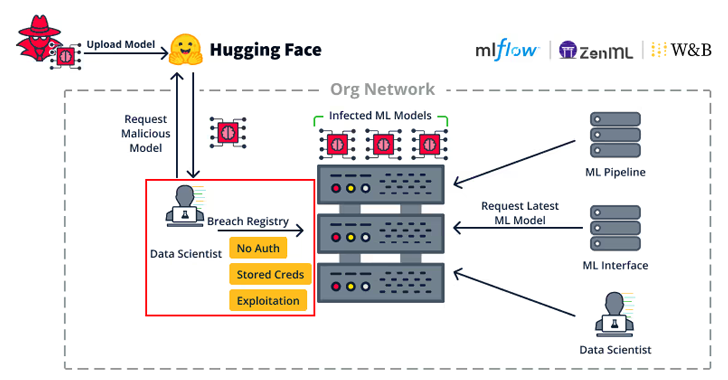
Cybersecurity researchers from JFrog have identified multiple security vulnerabilities in popular open-source machine learning frameworks like MLflow, H2O, PyTorch, and MLeap. These flaws, which include issues like cross-site scripting and unsafe deserialization, could allow attackers to execute code remotely and access sensitive information within organizations. The vulnerabilities highlight the risks associated with loading untrusted ML models, even from seemingly safe sources, and underscore the need for caution in handling ML tools to prevent potential exploitation.

science1 year ago

Vera Rubin Telescope to Unveil Hidden Interstellar Objects

The Vera C. Rubin Observatory, set to begin operations in 2025, will enhance the detection of interstellar objects in our solar system by capturing vast amounts of sky data. A new study suggests using machine learning to identify these objects, as traditional methods are insufficient for the large data volume. The study found that Random Forest and Gradient Boosting methods are effective in distinguishing interstellar paths from regular orbits, potentially identifying hundreds of such objects annually, thus providing valuable insights into these cosmic visitors.

health-and-science1 year ago

Wearable Tech Accurately Predicts Mood Swings in Bipolar Disorder

Researchers at Brigham and Women’s Hospital have demonstrated that fitness trackers can detect mood episodes in bipolar disorder patients with high accuracy, using noninvasive data and machine learning algorithms. The study found 89.1% accuracy for mania and 80.1% for depression, suggesting potential for real-time monitoring and improved clinical care by alerting healthcare providers to mood changes between appointments. This approach could lead to personalized algorithms for broader patient support without requiring specialized devices or invasive data sharing.

health1 year ago

AI Uncovers Microbial Impact on Gut Health and Disease

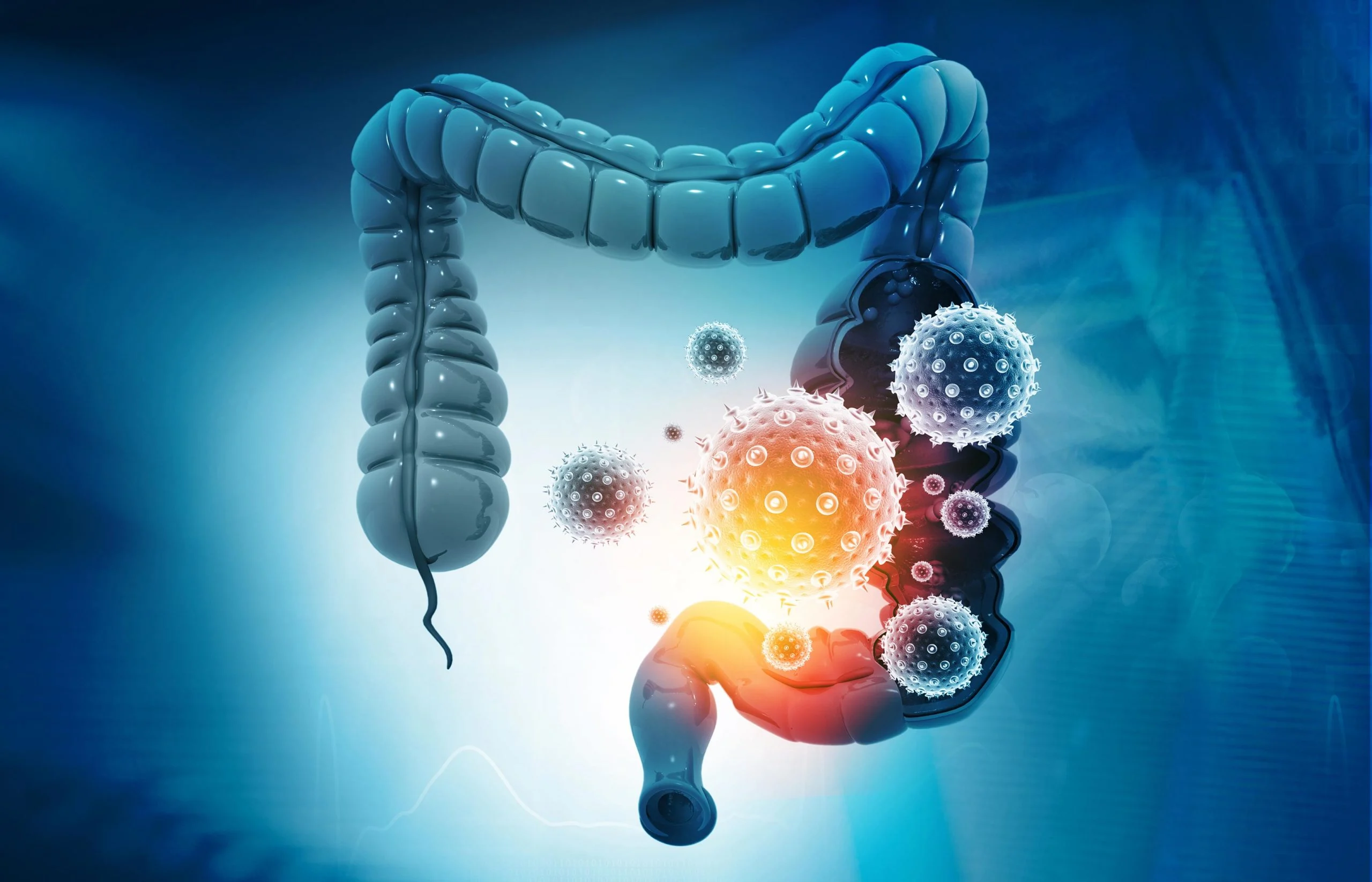
New research published in Cell reveals that gut microbial load, rather than specific bacteria, significantly influences symptoms of gastrointestinal diseases like IBD and colorectal cancer. Using machine learning, researchers found that variations in microbial load, affected by factors such as age, sex, and diet, are more closely linked to symptoms like diarrhea and constipation than the diseases themselves. This challenges traditional views and could reshape disease management and diagnosis. The study highlights the importance of microbial load in understanding gut health and disease associations.

technology2 years ago

"Microsoft's 2024 Vision: AI Integration with Keyboards Revolutionizes PC Interaction"

Microsoft has introduced a new PC keyboard layout featuring a "Copilot" key to launch its AI-powered assistant, marking the first change to the Windows keyboard in about 30 years. This move underscores Microsoft's commitment to AI, as it aims to shift AI processing from datacenters to local hardware. The article also touches on various AI-related developments, including OpenAI's GPT Store, regulatory strategies, advancements in robotics, and new AI-powered platforms. The effectiveness of Microsoft's strategy will ultimately depend on consumer and enterprise adoption of the Copilot functionality.

technology-and-ai2 years ago

"Google's AI Charter and Asimov's Laws Shape Safer, Chore-Learning Robots"

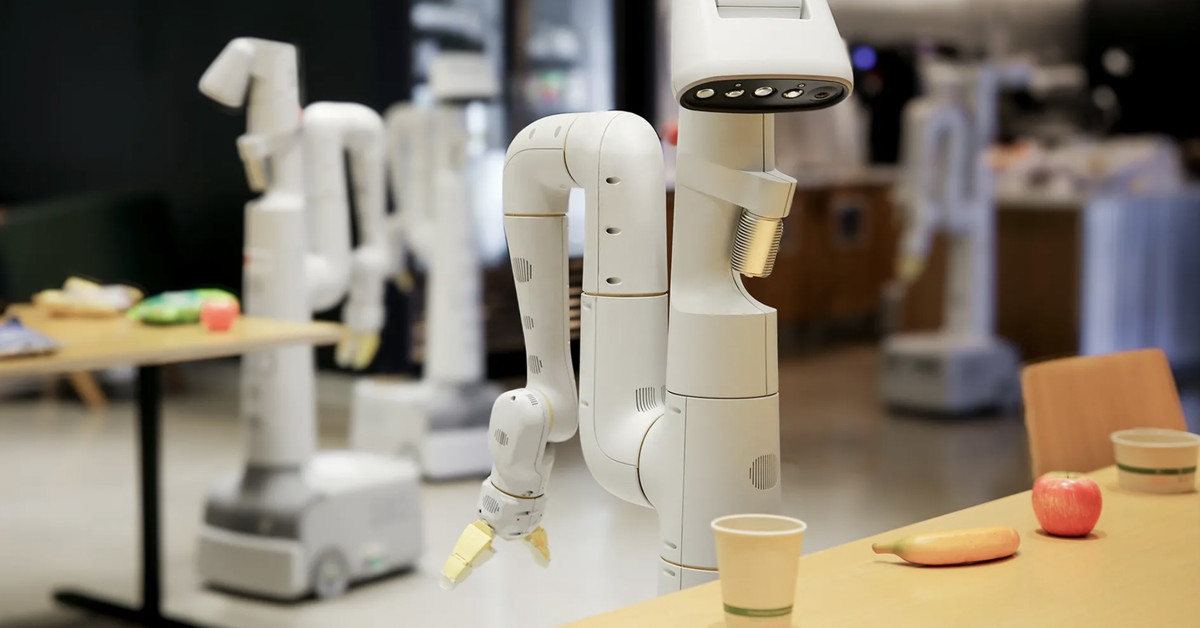
Google's DeepMind team has introduced new robotic advancements, including a "Robot Constitution" to ensure AI robots operate safely around humans. This set of guidelines, reminiscent of Asimov's "Three Laws of Robotics," instructs robots to avoid tasks involving humans and other hazards. The robots, which have been tested in office environments, use a combination of visual and language models to understand their surroundings and make decisions. Additional safety measures include automatic stopping when excessive force is detected and a manual kill switch. DeepMind also unveiled SARA-RT for improved accuracy and RT-Trajectory for better physical task performance, marking significant steps toward more autonomous and safe robotic assistants.

technology2 years ago

"Google's AI Advances: From Robot Constitutions to Household Chores"

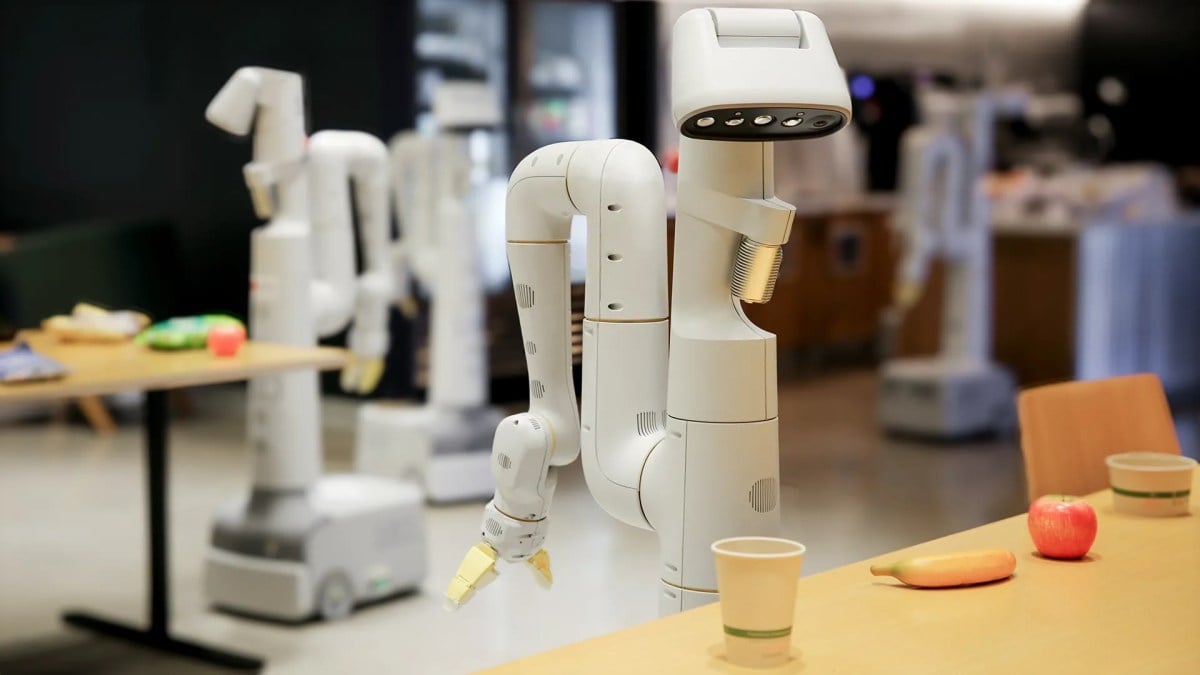
Google's DeepMind Robotics team is advancing the field of robotics by integrating large foundational models and video training methods. Their new system, AutoRT, uses Visual Language Models (VLMs) to improve robots' situational awareness and manage multiple robots simultaneously. The system has been tested with 20 robots and 52 devices, resulting in over 77,000 trials. Additionally, DeepMind introduced RT-Trajectory, which uses video input overlaid with a 2D sketch of a robot's arm to enhance robotic learning, doubling the success rate of previous training methods. This research signifies a significant step towards creating robots that can understand natural language commands and perform accurately in new situations.

science-and-technology2 years ago

"Rethinking the Randomness of Evolution"

A new study suggests that evolution may not be as random as previously thought, with a genome's evolutionary history potentially influencing its future trajectory. Researchers used a machine learning method to analyze the pangenome of a bacterial species, revealing gene interactions that make evolution somewhat predictable. This could revolutionize approaches in synthetic biology, medicine, and environmental science, aiding in the development of new drugs, vaccines, and strategies to combat antibiotic resistance and climate change. The study's findings are published in PNAS.

technology2 years ago

"Roku Unveils Pro Series Smart TVs with Automatic Picture Optimization Coming This Spring"

Roku is introducing a new feature called Smart Picture to its Roku OS televisions, including the newly announced Pro Series TVs, which will automatically optimize picture settings using AI and machine learning. This feature, set to release in the spring, aims to enhance the viewing experience by adjusting color and brightness levels based on the content being watched. The update will be available for Roku TVs and partner-manufactured TVs running Roku OS, but not for standalone Roku streaming players.

environment-and-technology2 years ago

"New Maps and Studies Expose the Vast 'Dark Fleet' of Industrial Activity in Crowded Oceans"

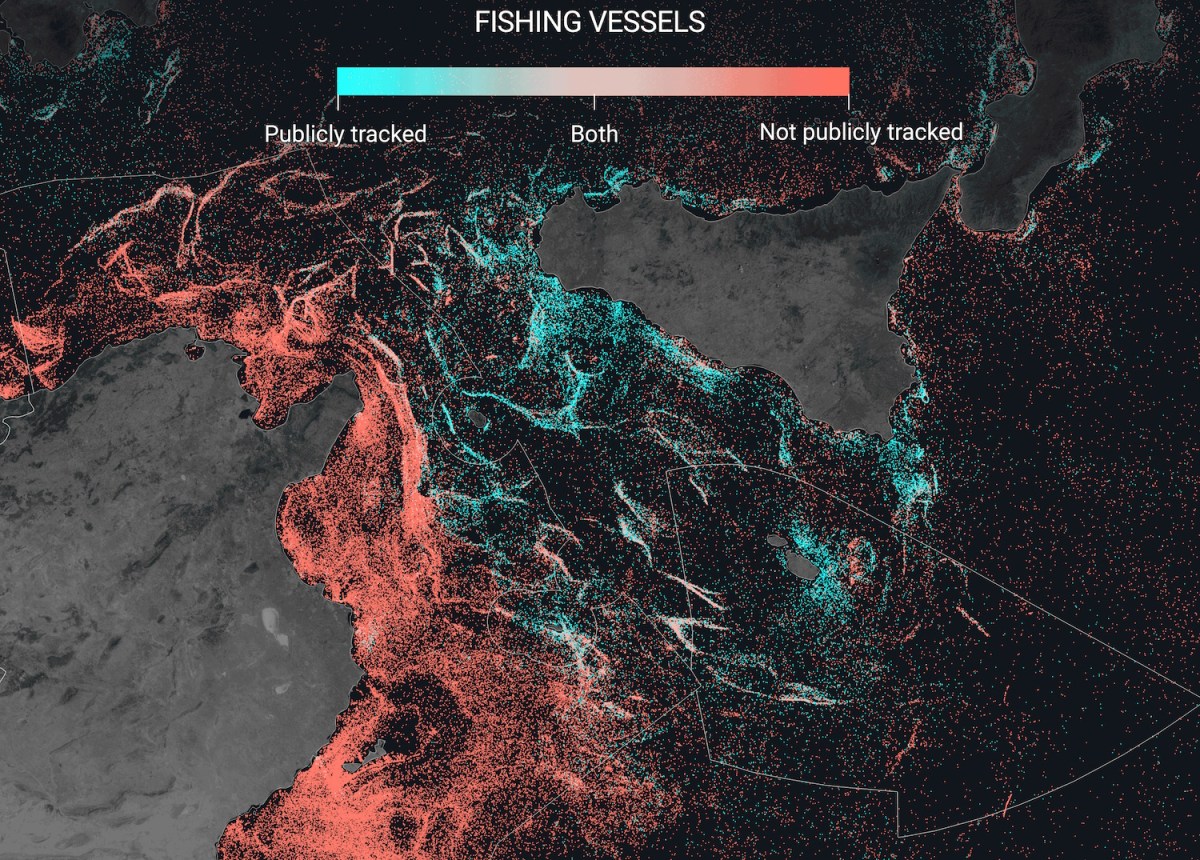
A study by Global Fishing Watch, published in Nature, utilized satellite imagery and machine learning to reveal that a significant portion of the global fishing industry operates outside of public tracking systems, with about three-fourths of industrial fishing vessels and nearly a third of transport and energy vessels not publicly tracked. The analysis of two petabytes of orbital imagery from 2017-2021 showed a substantial underrepresentation of Asian fishing activities in public data, with satellite data indicating that Asia, particularly China, accounts for a much larger share of global fishing than previously thought. This research highlights the need for better tracking and data sharing to inform policy and protect marine resources, including efforts to monitor fishing in protected areas like the Galapagos Islands.

science-and-technology2 years ago

"Unveiling AI's Mysteries: Scientists Reveal Surprising Insights"

Researchers at the University of Bonn have made a breakthrough in understanding how AI, specifically Graph Neural Networks (GNNs), operates in drug discovery. Their study reveals that these AI models tend to rely on memorizing data rather than learning chemical interactions, challenging the expectation that GNNs understand the underlying protein-ligand interactions. This insight could lead to improvements in AI applications for drug research and contributes to the field of Explainable AI, aiming to demystify the decision-making processes of complex AI systems.

science-and-technology2 years ago

"AI Uncovers Hidden Signal in Raphael's Renowned Artwork"

An AI algorithm has identified that a face in Raphael's painting "Madonna della Rosa" was likely not painted by Raphael himself. Researchers used a custom analysis algorithm trained on authenticated Raphael works to analyze the painting. The AI, which has a 98 percent accuracy rate, suggested that St Joseph's face was painted by someone else, possibly Raphael's pupil Giulio Romano. This finding supports long-standing art critic suspicions and demonstrates how AI can assist but not replace art experts in authenticating artwork. The study was published in Heritage Science.