Tag

Meteoroids

All articles tagged with #meteoroids

Meteoroid Trails Offer Early Warning for Hazardous Comets

Originally Published 1 year ago — by The Daily Galaxy --Great Discoveries Channel

Featured image for Meteoroid Trails Offer Early Warning for Hazardous Comets
Source: The Daily Galaxy --Great Discoveries Channel

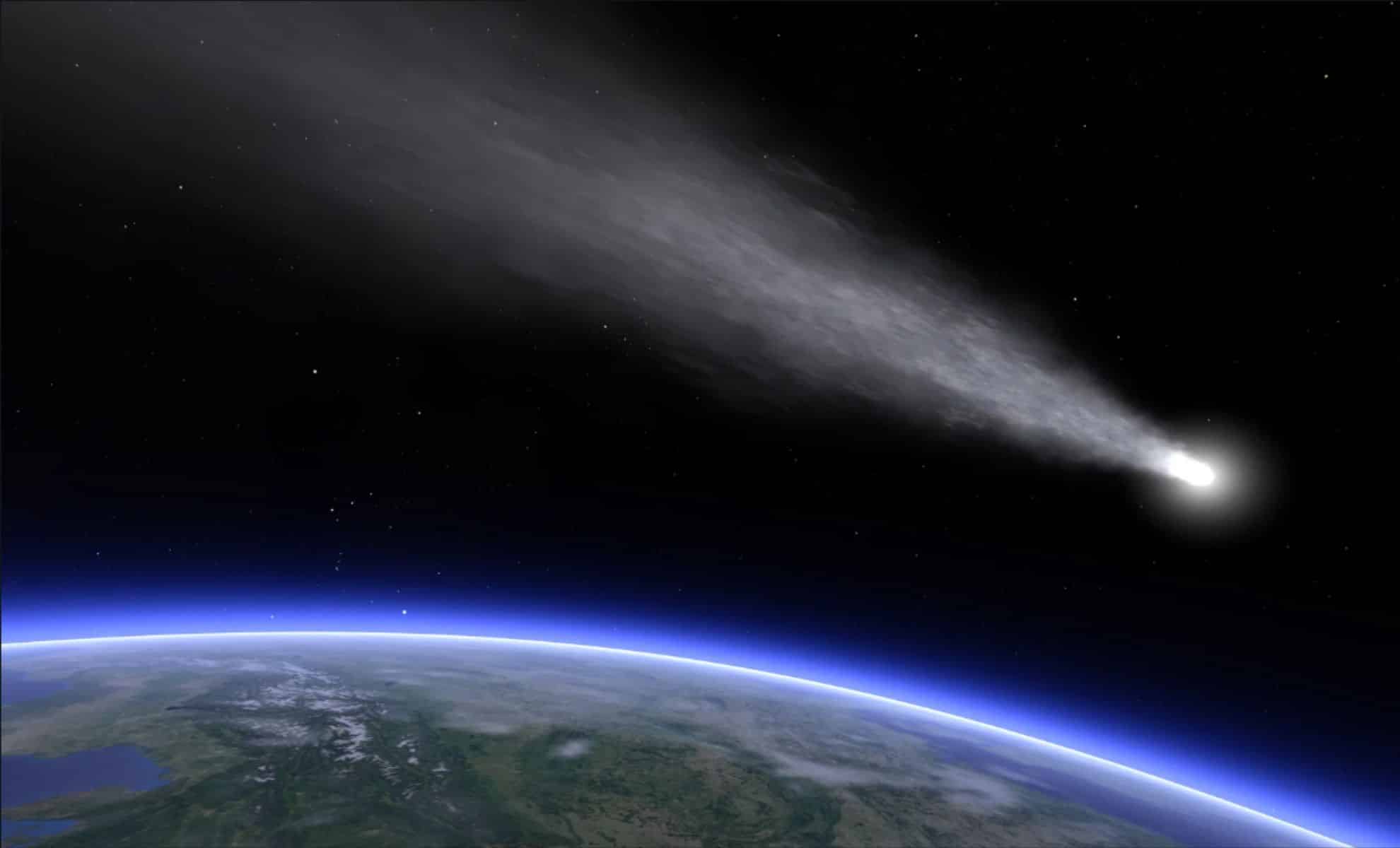
Astronomers have developed a new technique to detect potentially hazardous long-period comets (LPCs) years in advance by analyzing meteoroid trails left by these comets. This method, which tracks the paths of meteoroid streams, could provide critical lead time for planetary defense by identifying dangerous comets while they are still far from Earth. The Legacy Survey of Space and Time (LSST) at the Vera Rubin Observatory will enhance this technique by capturing detailed images of meteoroid trails, improving the ability to track LPCs and offering years of advance notice for potential threats.
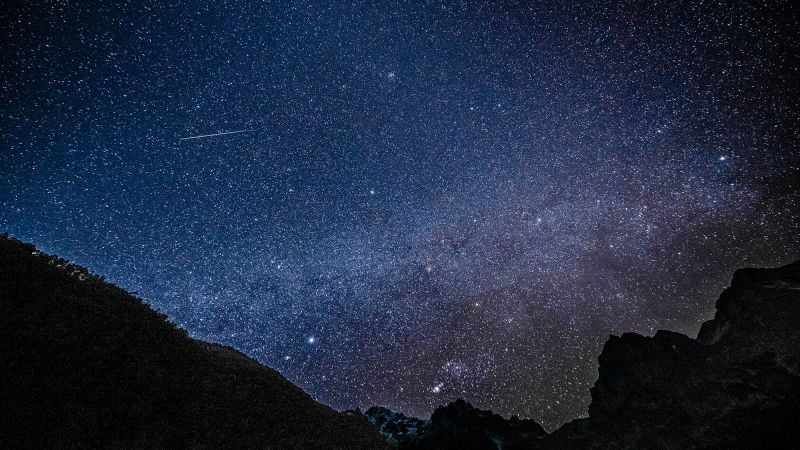
"2024 Lyrid Meteor Shower: Best Viewing Spots and Peak Times"

Originally Published 1 year ago — by USA TODAY

Featured image for "2024 Lyrid Meteor Shower: Best Viewing Spots and Peak Times"
Source: USA TODAY

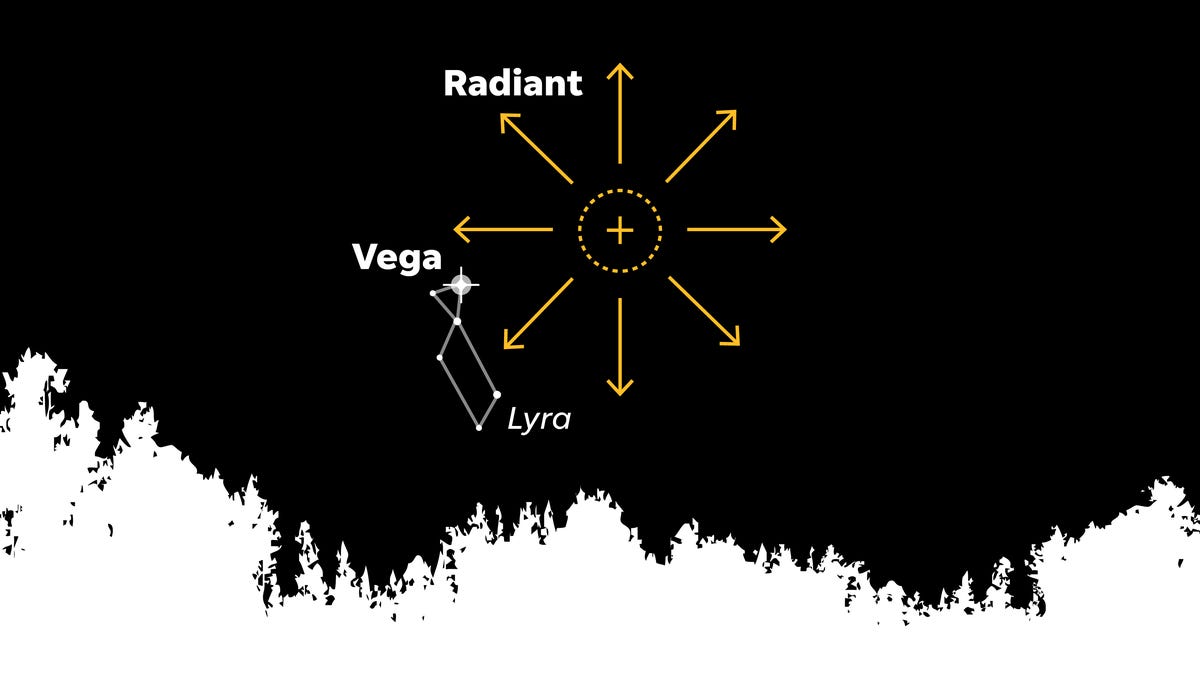
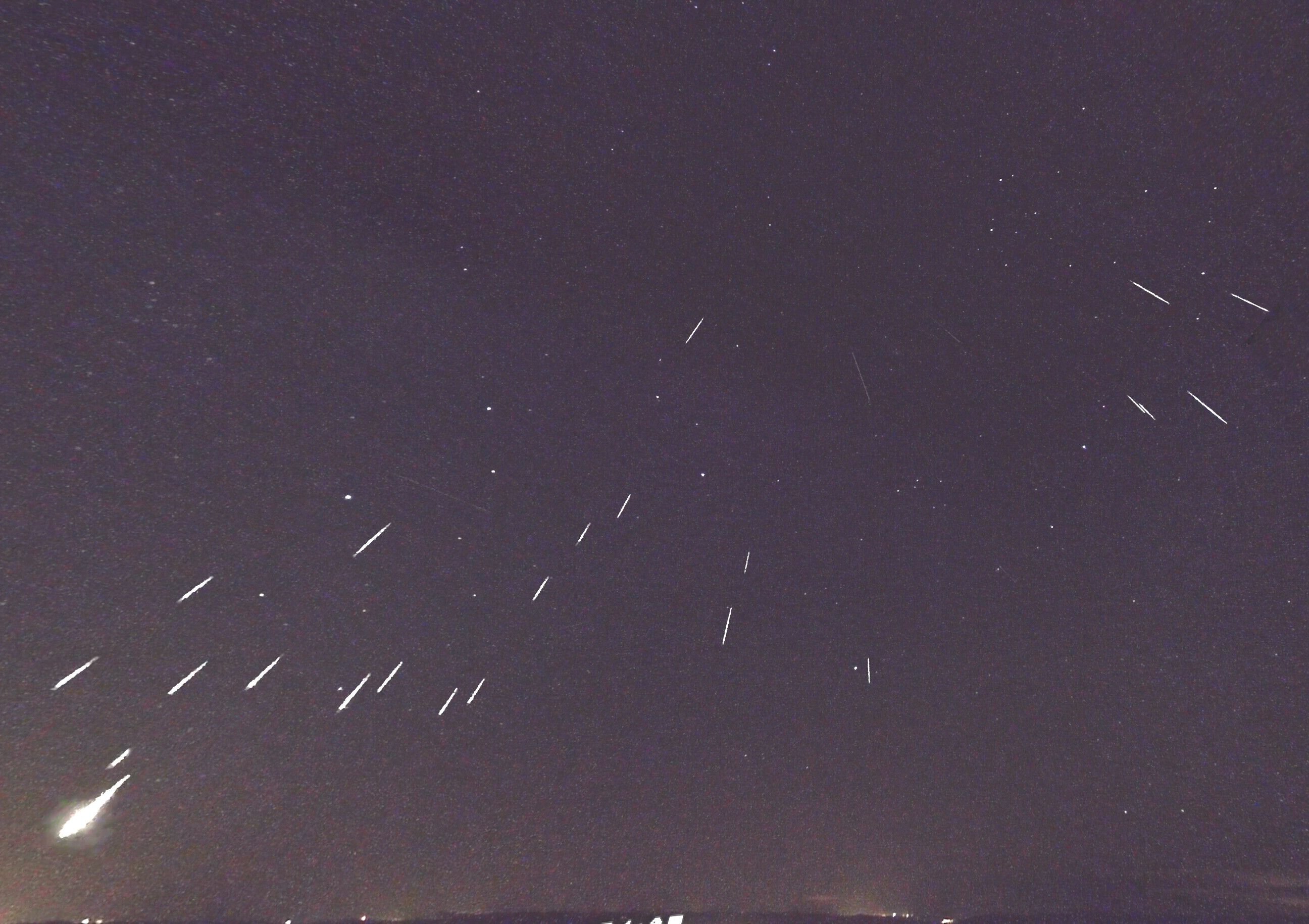
The Lyrid meteor shower, one of the oldest known meteor showers, will be visible worldwide starting next week, peaking in the late evening of April 21 through dawn on April 22. Meteoroids, small rocks in space, create meteors as they burn up in the Earth's atmosphere, and those that survive and hit the ground are called meteorites. Named after the constellation Lyra, the Lyrids can surprise watchers with as many as 100 meteors seen per hour, and the best view in the Northern Hemisphere is after moonset and before dawn.

"Space Pebble Demise Linked to Heat"

Originally Published 1 year ago — by Phys.org

Featured image for "Space Pebble Demise Linked to Heat"
Source: Phys.org

A 45-member research team has found that heat, rather than high-speed collisions, is responsible for the breakdown of pebble-sized particles ejected by comets, leading to the reduction of comet dust in the zodiacal cloud. The team, led by meteor astronomer Dr. Peter Jenniskens, used a NASA-sponsored global network called "CAMS" to monitor the night sky for meteors and determined that thermal stresses are likely to blame for breaking up large meteoroids near Earth and all the way to the orbit of Mercury. This discovery sheds new light on the physical and dynamical evolution of meteoroid streams and has been published in the journal Icarus.

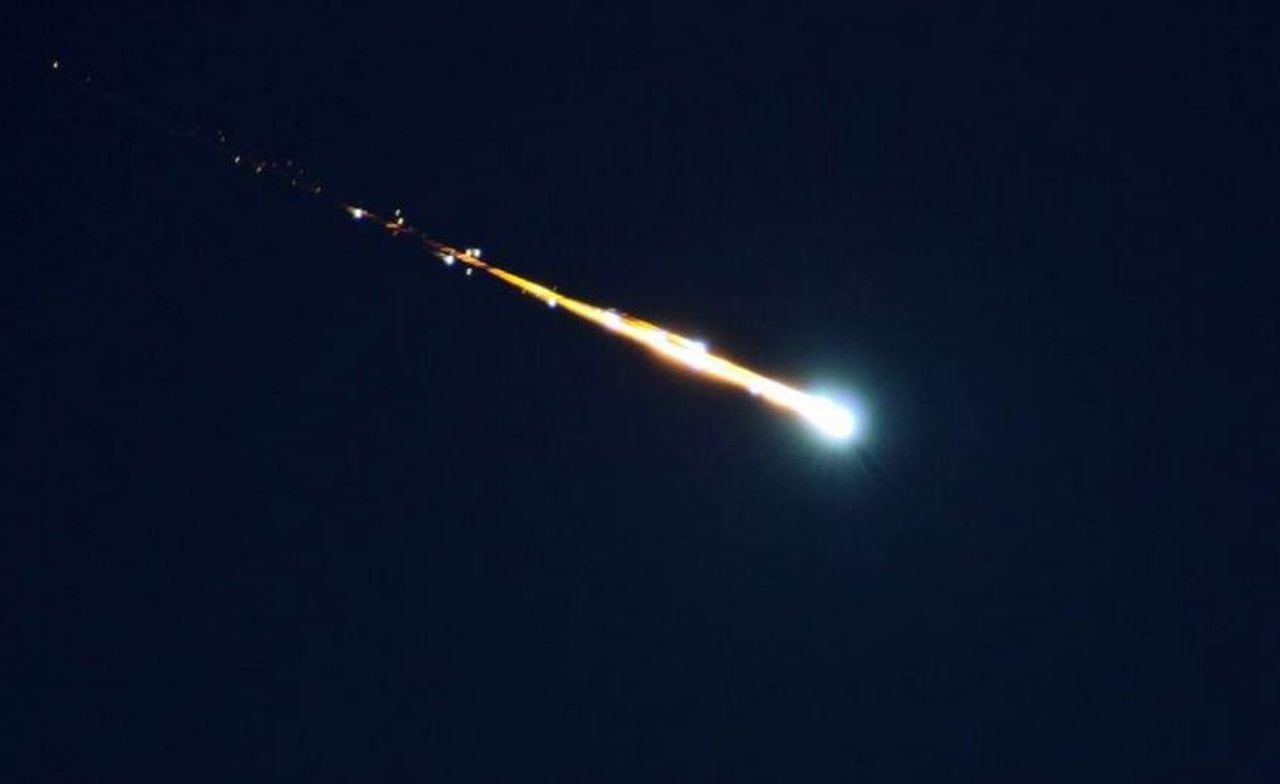
"Mysterious Bright Flash Sighted Over Alabama Raises Questions"

Originally Published 1 year ago — by AL.com

Featured image for "Mysterious Bright Flash Sighted Over Alabama Raises Questions"
Source: AL.com

A bright flash was spotted over north Alabama on Sunday night, with no definitive ruling on what the object's identity. The American Meteor Society explained that meteoroids can create a brief flash of moving light in the sky as they descend through the Earth’s atmosphere. While it's not a common time of year for spotting meteoroids, there were two separate sightings on March 2, and the next meteor shower on the calendar will be the Lyrids from April 14-30.

2023 Geminids Meteor Shower: A Spectacular Show in the Hungarian Sky

Originally Published 2 years ago — by CNN

Featured image for 2023 Geminids Meteor Shower: A Spectacular Show in the Hungarian Sky
Source: CNN

The Geminid meteor shower is set to peak on Thursday, offering sky-gazers the chance to see up to 120 meteors per hour. The best viewing time will be in the early morning hours between 1 a.m. and 2 a.m. in any time zone. The shower will be visible worldwide, but those in the Southern Hemisphere will have a shorter viewing period. The Geminids are known for their brightness and sometimes colorful appearance due to their chemical makeup. The meteor shower is caused by debris from the asteroid 3200 Phaethon and has been observed since 1862.

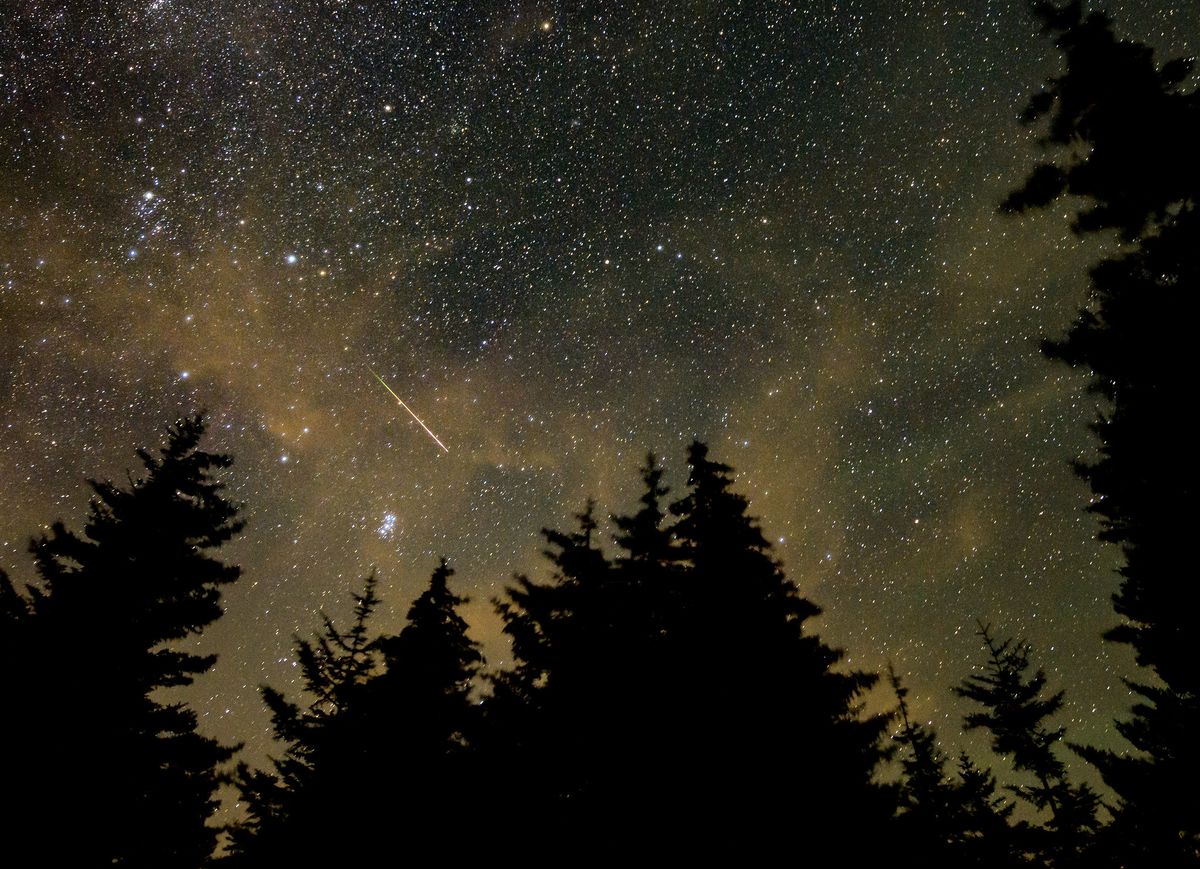
"2028's Perseid Meteor Shower: A Celestial Spectacle for the Ages"

Originally Published 2 years ago — by Space.com

Featured image for "2028's Perseid Meteor Shower: A Celestial Spectacle for the Ages"
Source: Space.com

The Perseid meteor shower, set to peak this weekend, may be followed by an even more spectacular display in 2028. Comet Swift-Tuttle, the parent comet of the Perseids, is predicted to release a stream of debris that Earth will pass through in 2028, potentially resulting in a meteor storm with over 1,000 meteors per hour. Astronomers have observed a correlation between comets and meteor showers, and it is believed that most meteor showers have a cometary origin. Recent perturbations by Jupiter may also shift the core of the Perseid stream closer to Earth's orbit, enhancing the annual shower. However, the 2028 display may be hindered by unfavorable moonlight conditions.

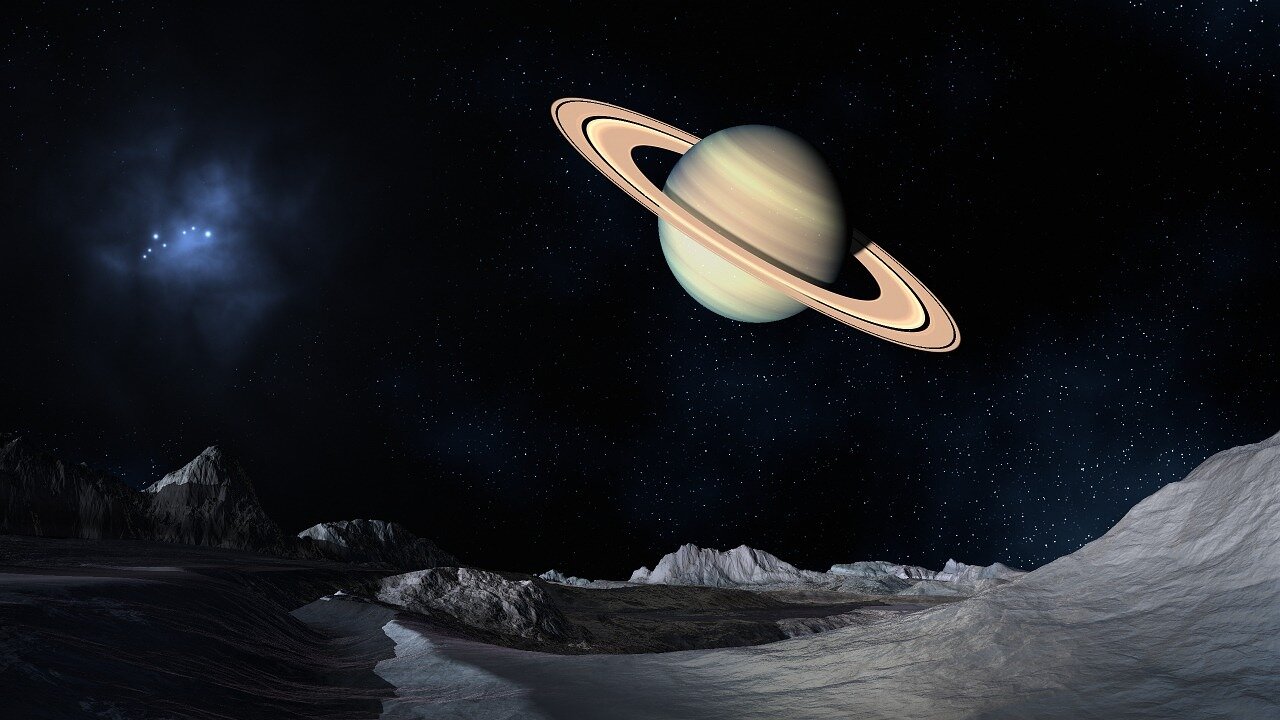
New research reveals surprising age of Saturn's rings.

Originally Published 2 years ago — by Phys.org

Featured image for New research reveals surprising age of Saturn's rings.
Source: Phys.org

New research suggests that Saturn's rings are much younger than previously thought, with an estimated age of just a few hundred million years. The rings are not expected to last much longer, with a remaining lifetime of only a few hundred million years at most. The research was based on data from NASA's Cassini spacecraft mission and theoretical models that took into account the impact of meteoroids on the rings. The findings could shed light on the formation of the rings and the conditions on Saturn's moons, including the potential for supporting life.